Facts · Updated 8 Oct 2026
Can Birds Eat Grapes? (Which Species + How To Feed)
By the Birdfact teamChecked by Nathan Cope
On this page9 sections
Trees and bushes can provide an abundant, natural and seasonal food source for many fruit-loving birds. Grapes grow in a range of different climates around the world, both in commercial vineyards and on vines in gardens and backyards.
But are grapes safe for birds to eat?
Many bird species eat grapes, both in the wild and in captivity. Grapes offer a source of hydration and nutrition, as well as a supply of vitamins and antioxidants vital for good health.
While vines can attract certain bird species in summer when grapes begin to ripen, other birds prefer to forage for fruit once it has become over-ripe and fallen to the ground.
Birds will also take grapes left in feeders and at backyard bird tables. Supermarket-bought grapes are also fine for birds to feast on, but it’s recommended to give them a thorough wash to ensure there is no contamination from pesticides.
Which birds eat grapes?
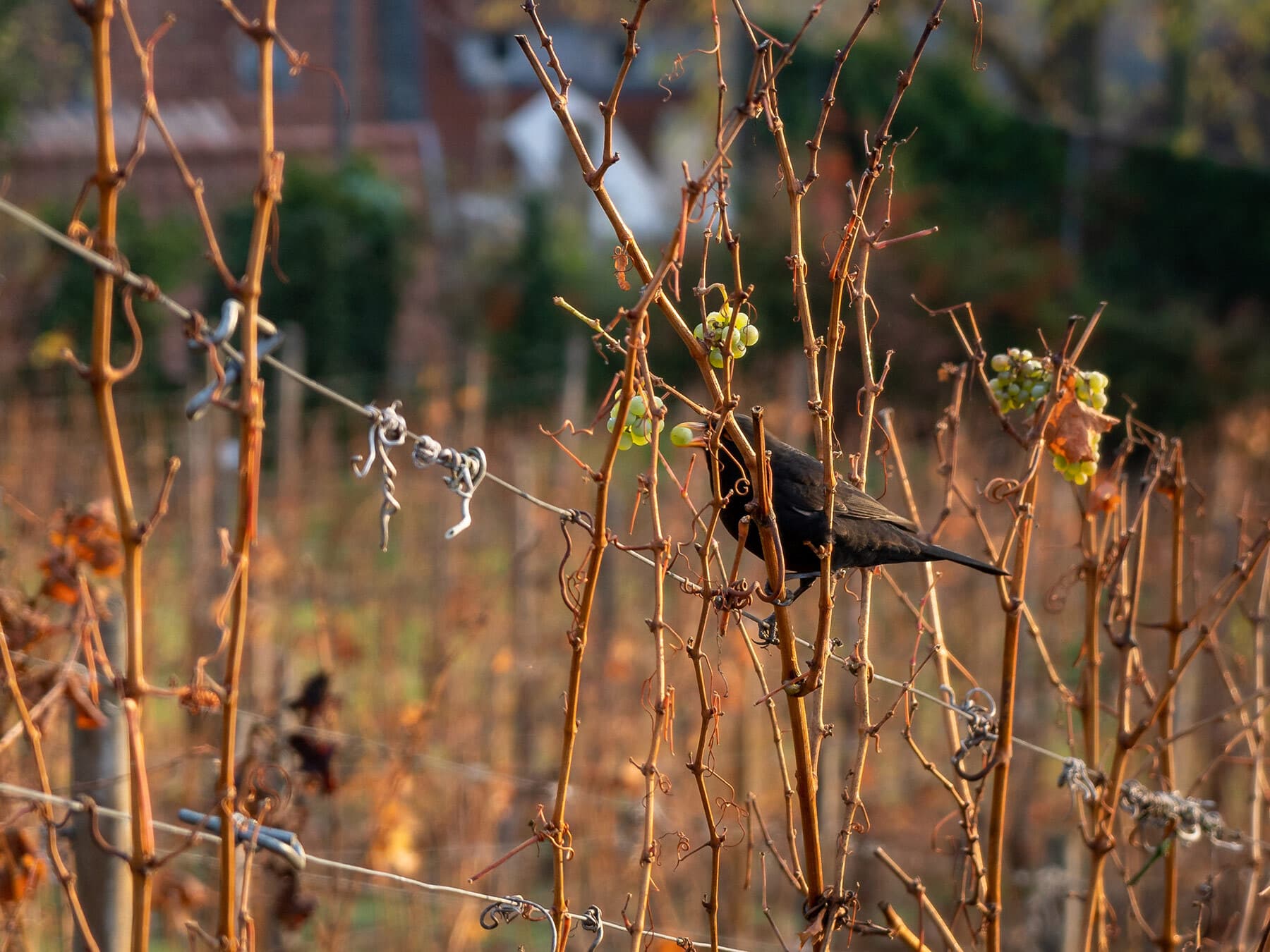
Many bird species will eat grapes if they find them in the wild and will eat both red and white grapes, and seedless and non-seeded varieties. Wild birds will pick grapes to eat directly from vines as they start to ripen, as well as windfall fruits and household leftovers.
While many birds have what seems to be an indifferent attitude towards grapes, picking at them if they are available, there are certain species, both in the US and UK, that find grapes irresistible.
US backyard birds that eat grapes
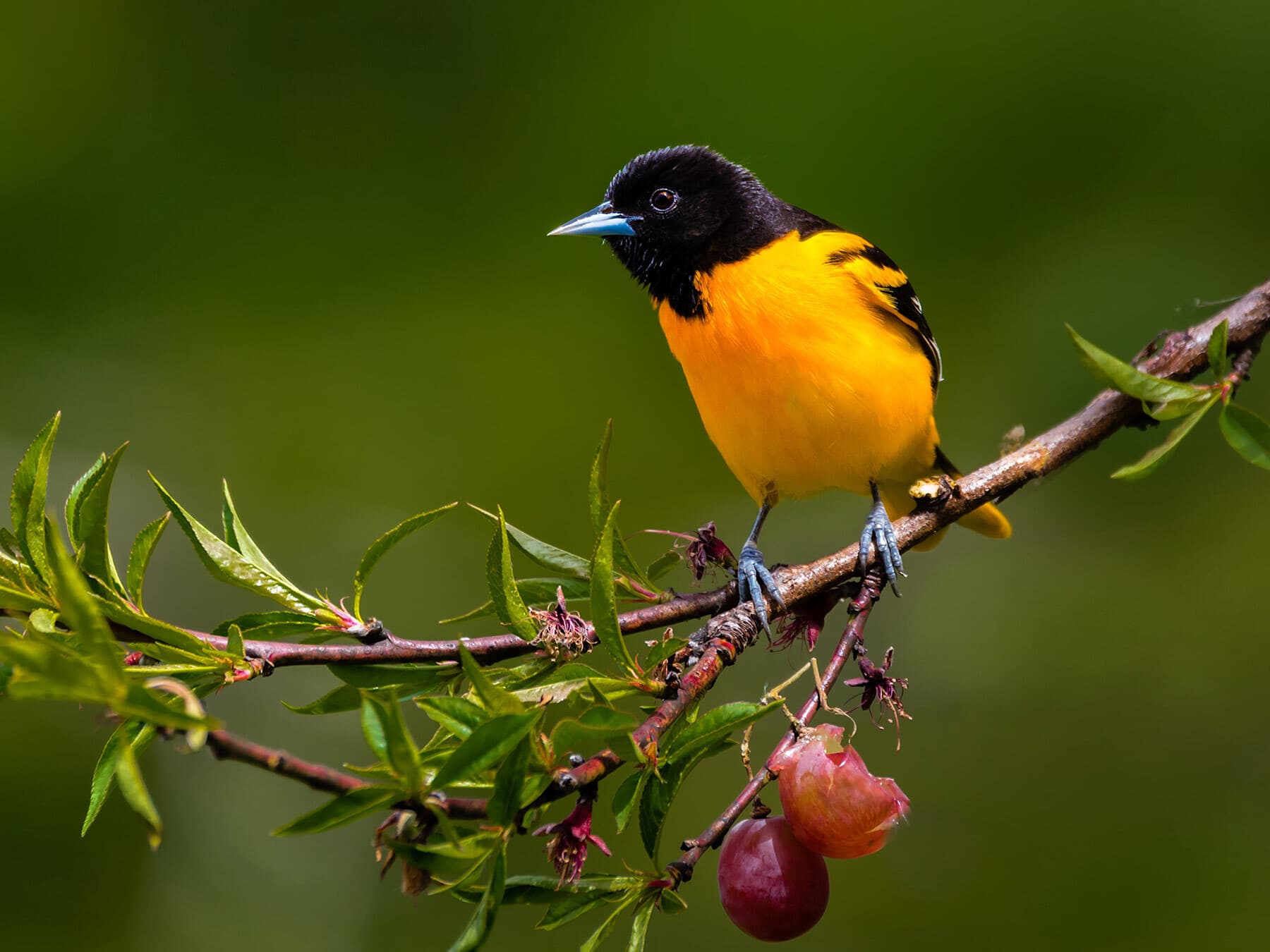
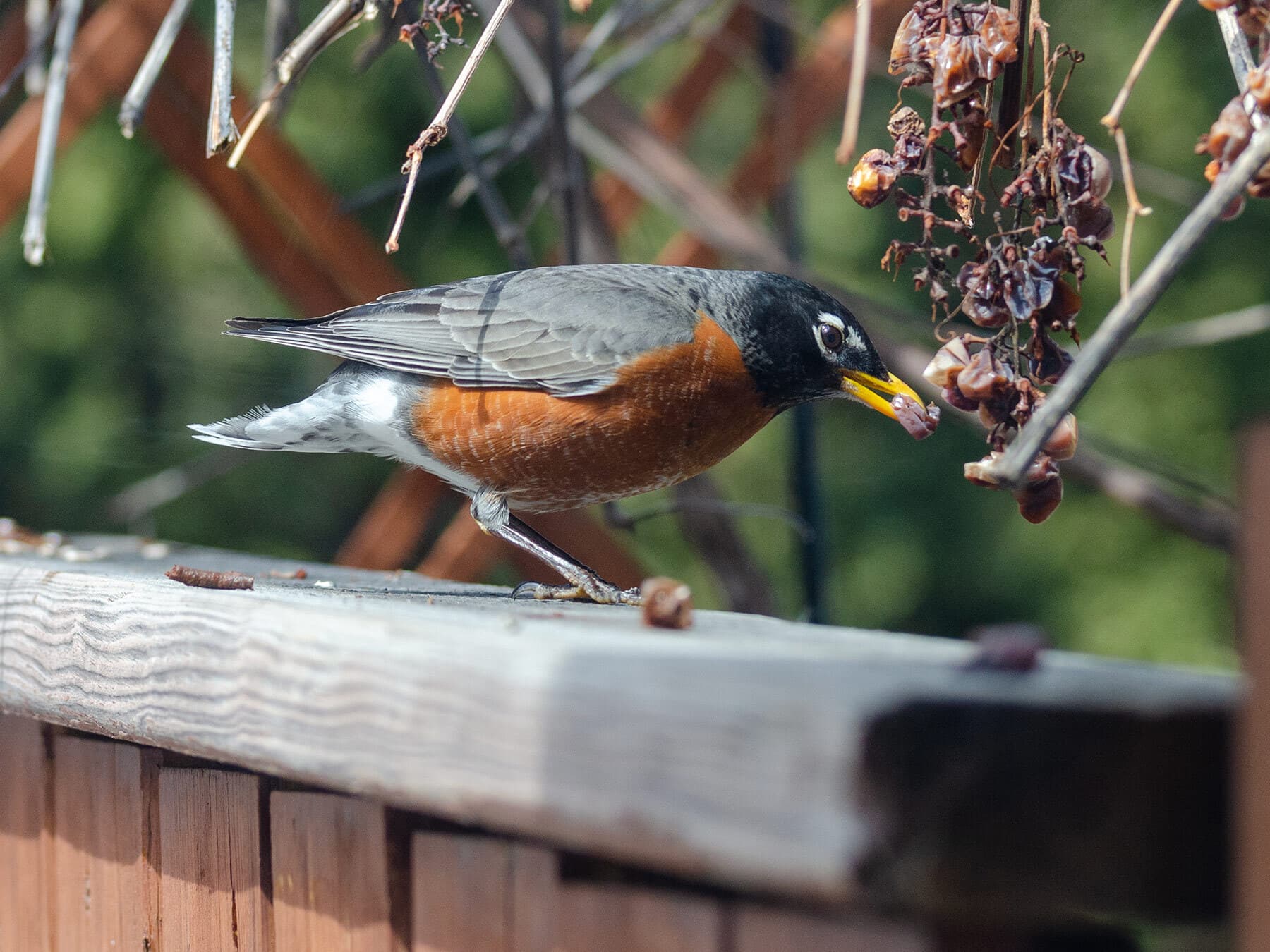
Grapes are a popular source of food for many common backyard species, including American robins, bluebirds, tanagers, woodpeckers, catbirds, and grosbeaks. Baltimore orioles are particularly attracted to feeders stocked with grape jelly.
UK garden birds that eat grapes
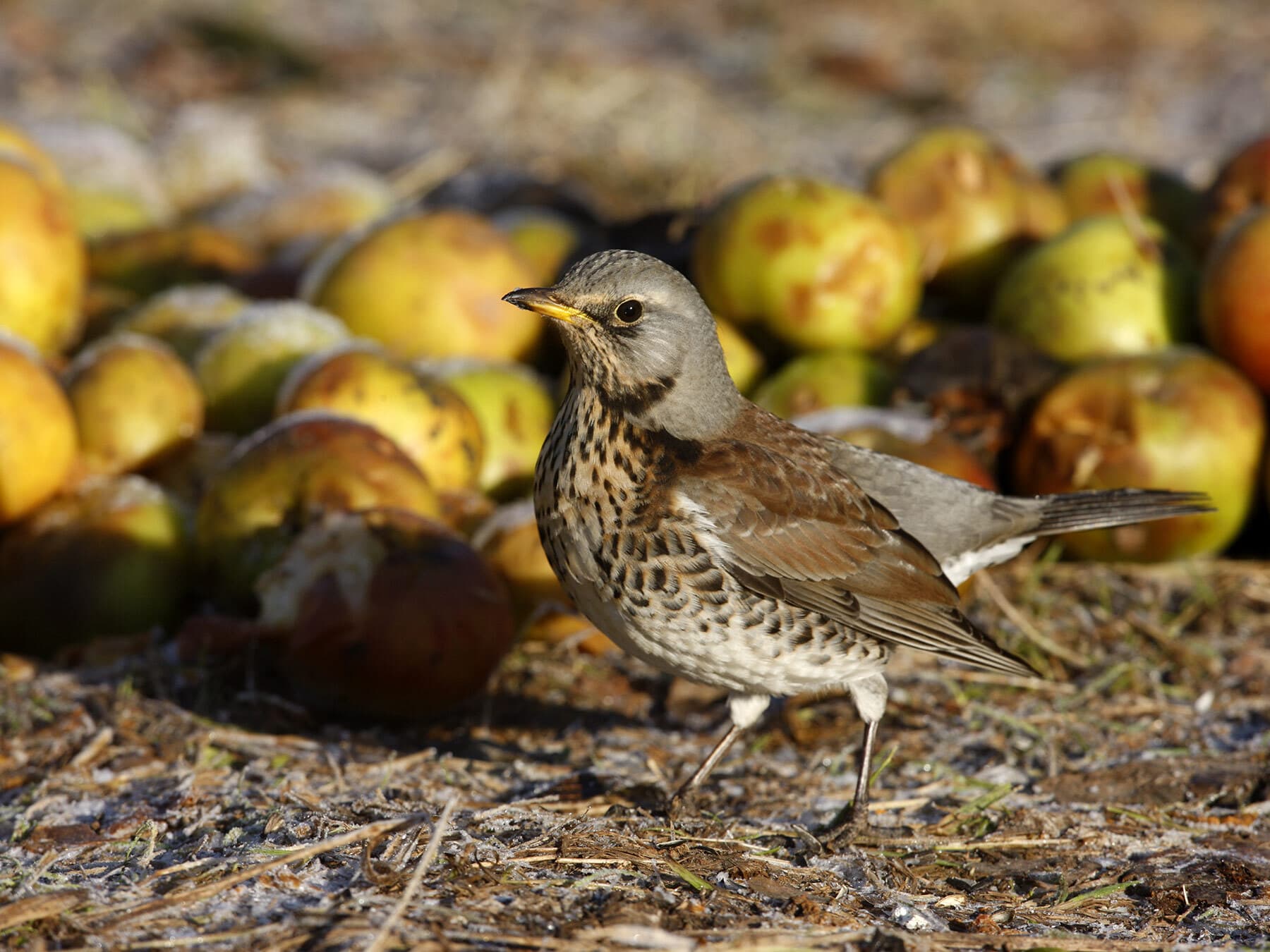
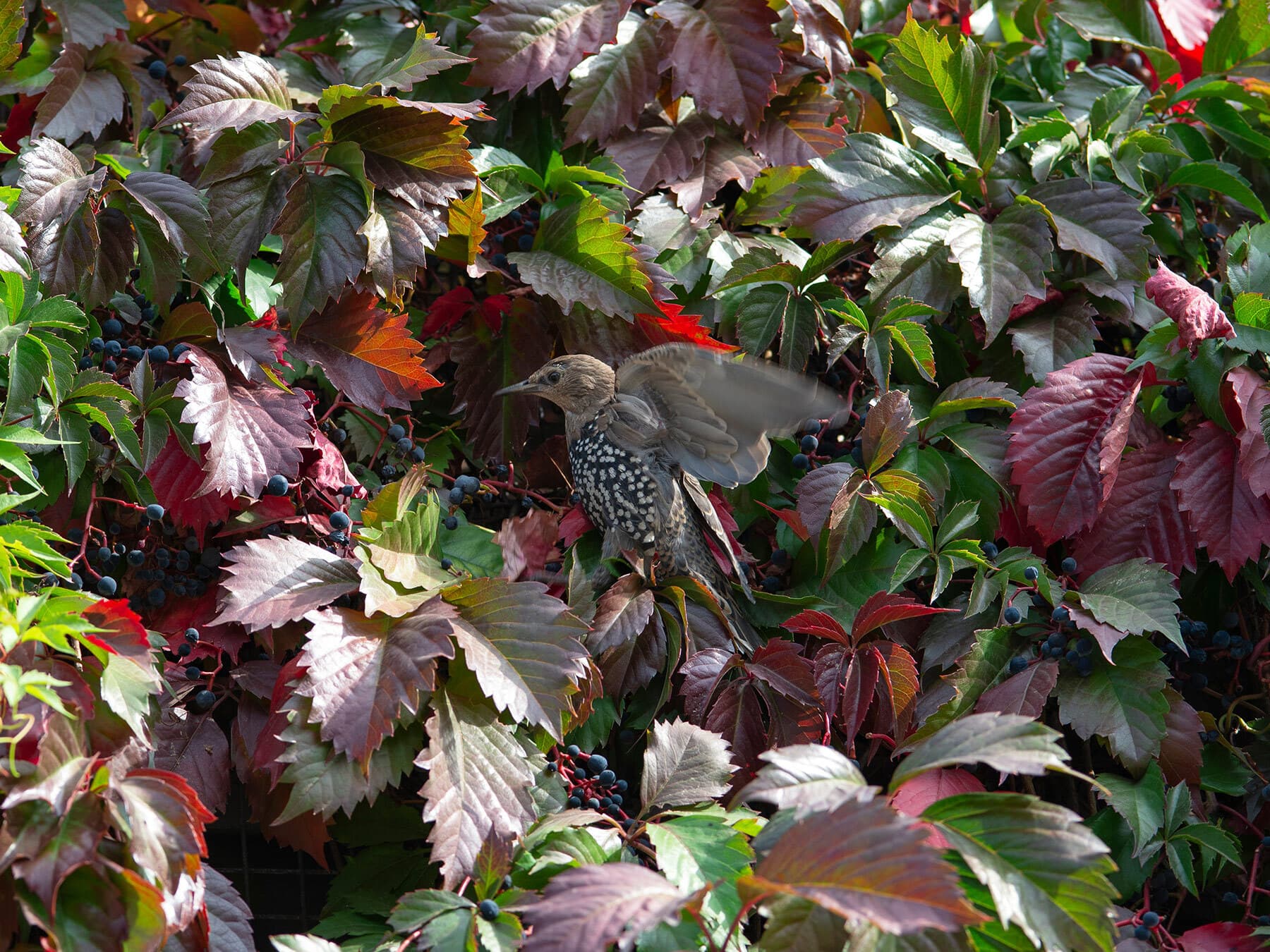
starlings in particular have a reputation as being huge fans of grapes, and will devour both those growing naturally on vines, and those left on garden bird tables. When grapes growing on vines begin to ripen, starlings can quickly strip the entire crop of ripening fruit before the grower has a chance to harvest. Thrushes too will be attracted by fresh grapes found on the ground.
Coal tits and blue tits will also show an interest in grapes left in bird feeders or on garden feeding stations.
How birds eat them
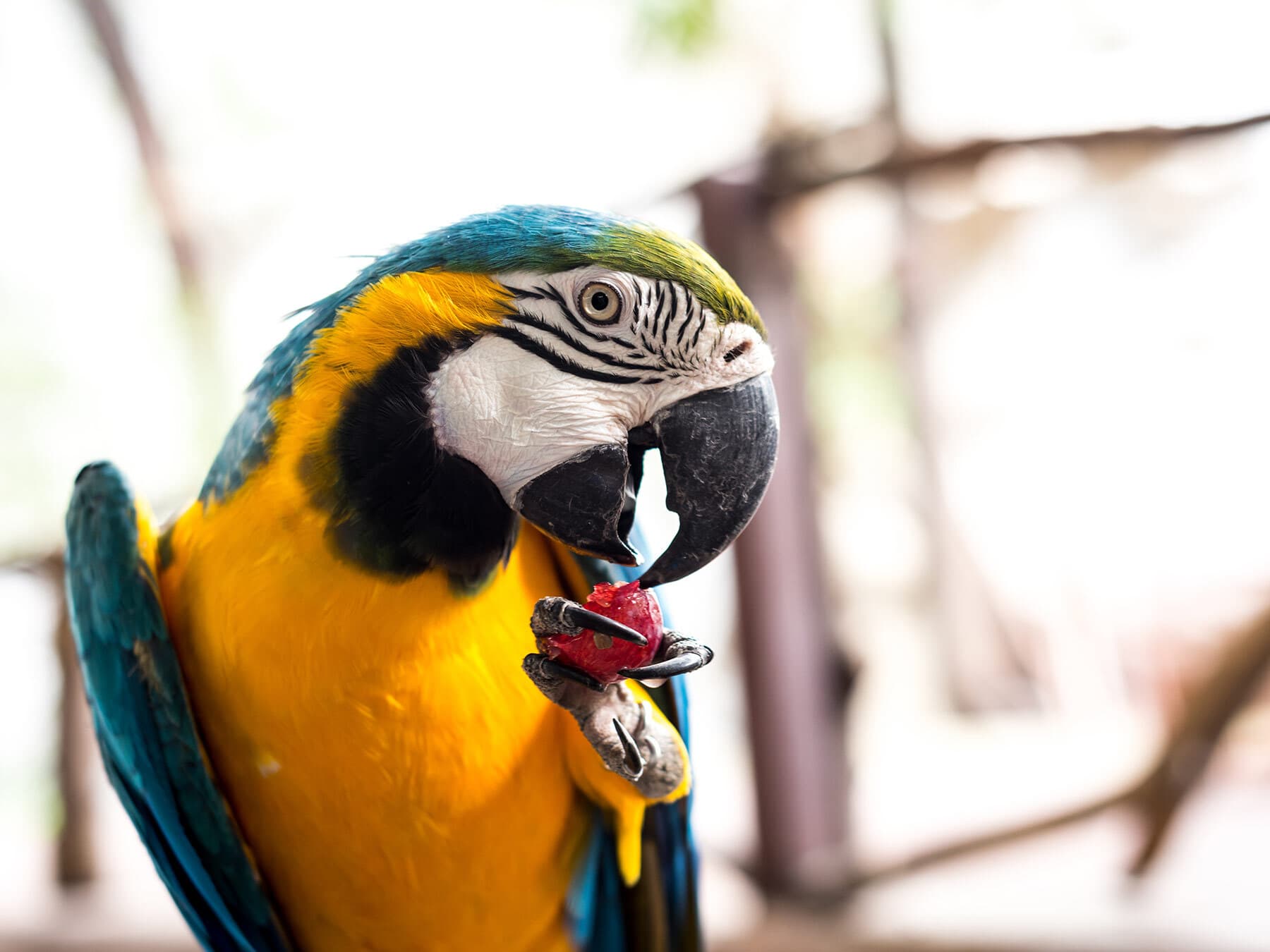
Captive birds often feed on grapes that have been chopped by their owners to aid digestion and swallowing.
In the wild, birds will peck at the fruit and eat them in their entirety.
Off the vine
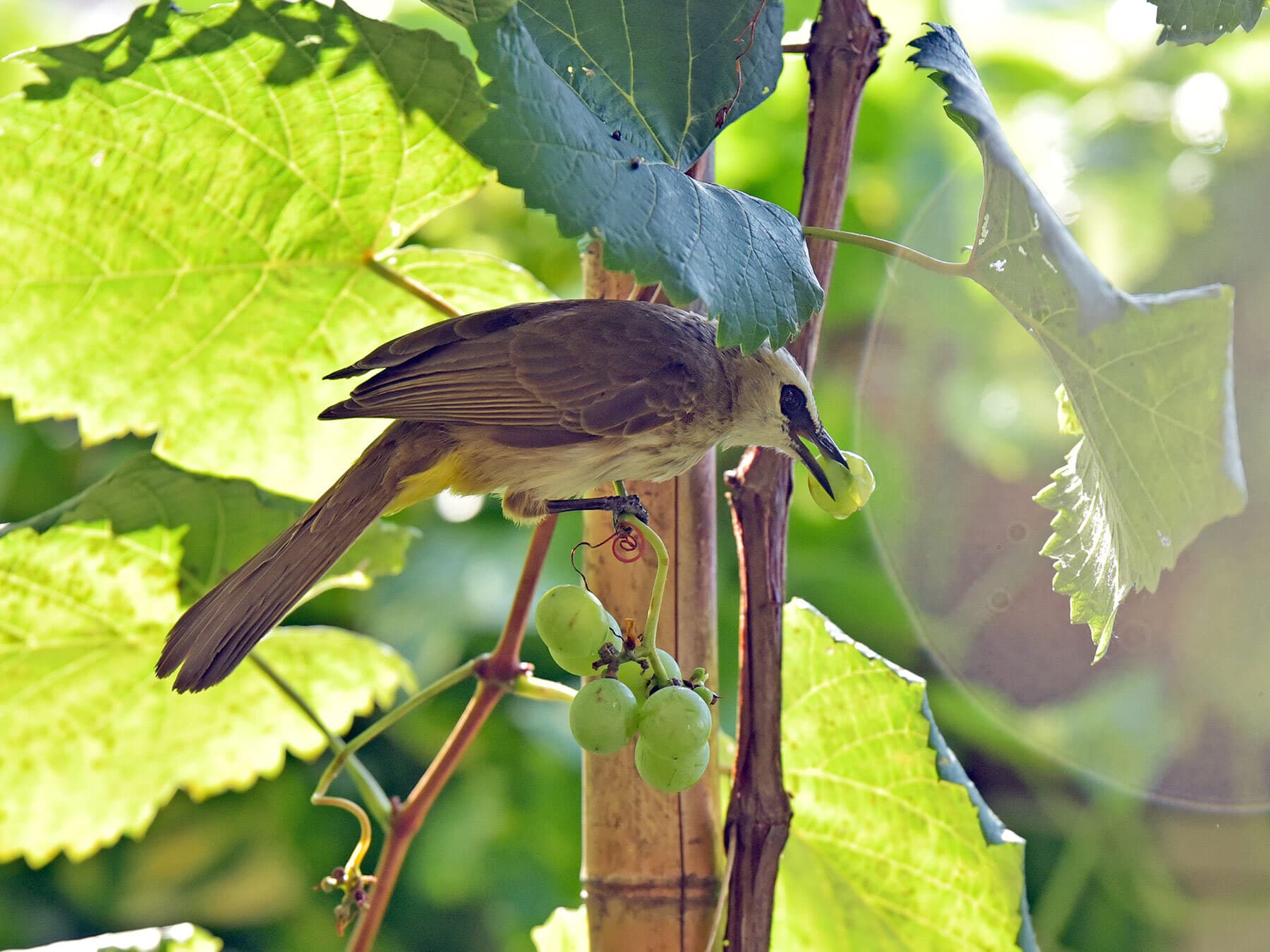
Birds do eat grapes straight off the vine, and some species seem to prefer grapes that are not fully ripened - before what we would consider to be fully ready to pick. Starlings and blackbirds will quickly strip ripening and overripe fruit directly from the vine.
How many to offer
Avian veterinarians advise not feeding pet birds grapes on consecutive days, due to the high sugar and juice content potentially causing stomach upsets or obesity.
How to feed grapes to birds
For wild birds, grapes can be left on bird tables, feeding stations, in bird feeders and even on the ground. There’s no single, correct way to feed grapes to a bird. If grapes are chopped or halved, then they are likely to rot quicker, so need to be checked and discarded if any signs of decay are spotted to avoid the risk of bacterial infections.
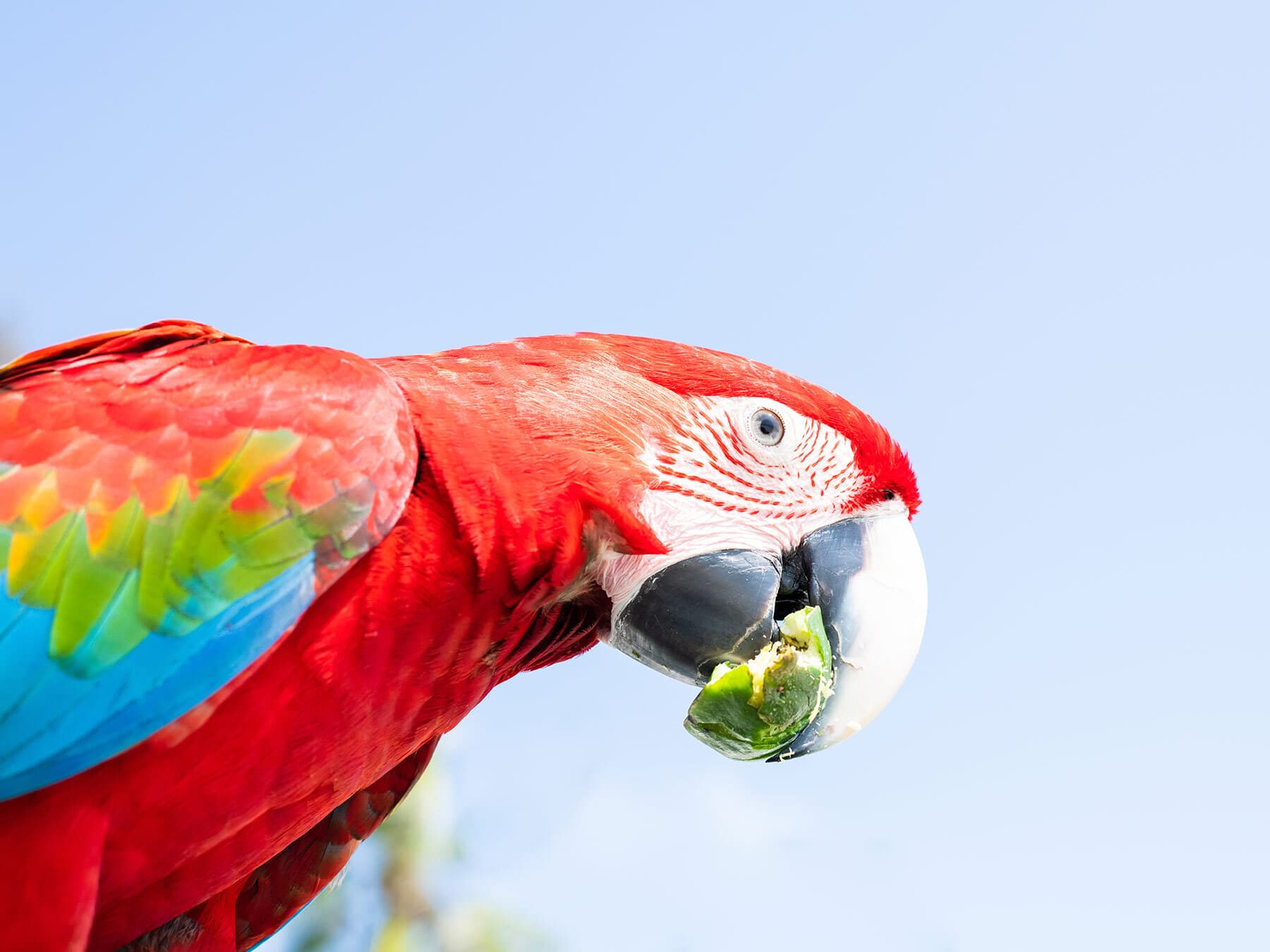
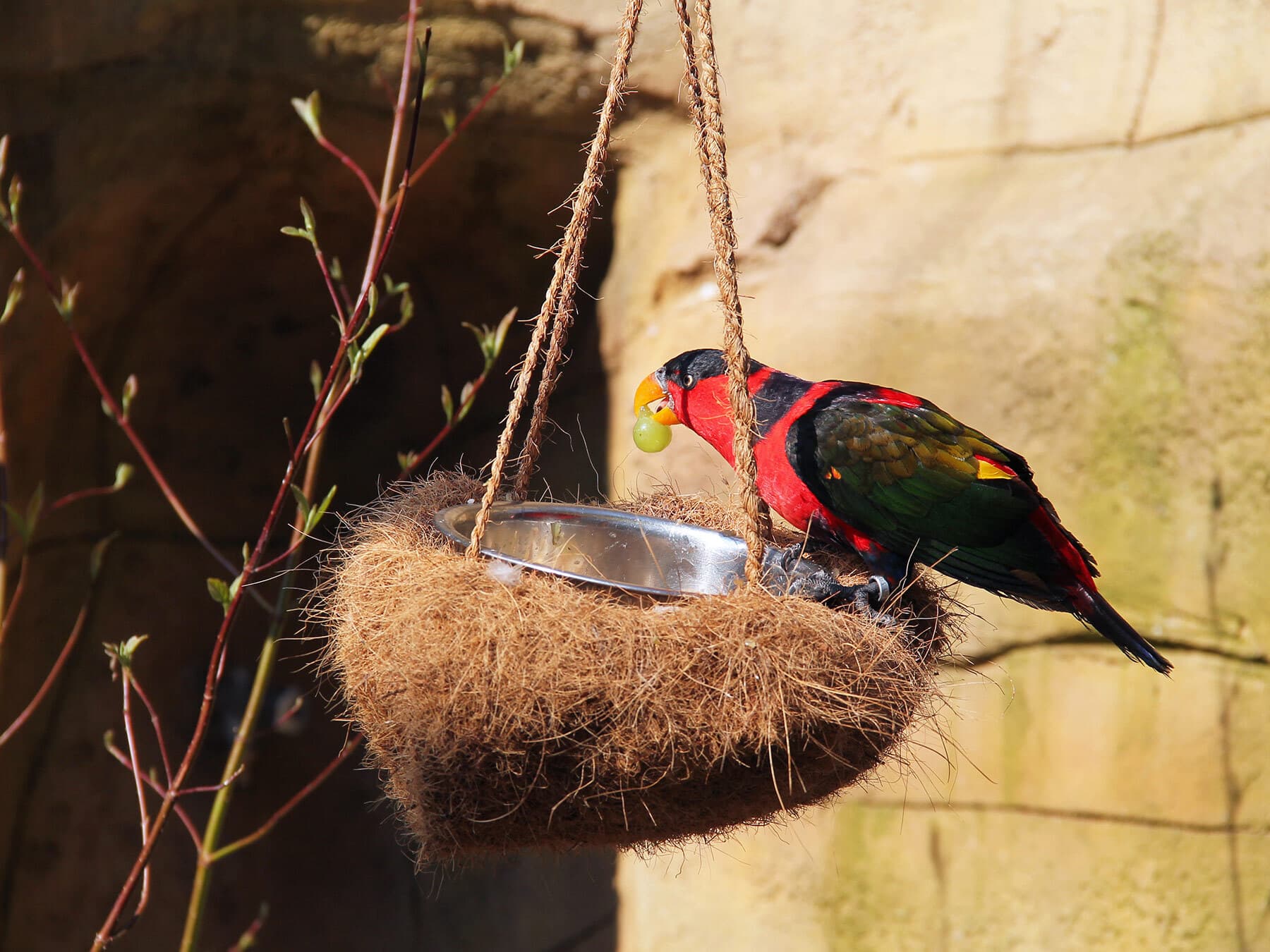
Parrots, lovebirds, and other birds kept in captivity can be offered uncut grapes, and may especially enjoy the challenge of tackling the whole fruit as a wild bird might.
Chopped grapes, mixed in with grain, seed or other specialist bird food as an occasional treat, will prevent pet birds from becoming overly addicted to the exceptionally sweet taste of grapes.
Cutting grapes
It’s not necessary to cut grapes for birds, although if you choose to do so, it will make them easier to digest.
Wild birds do not need grapes to be prepared in a particular way, although it’s always recommended to rinse them using clean water. They take grapes from backyard feeders, bird tables, and even from the ground.
Nutritional benefits of feeding grapes to birds
Grapes offer a wealth of nutritional benefits to birds, including high concentrations of vitamins C, K and B6 which are vital for healthy skin, feathers and boosting the immune systems. Grapes also contain a certain amount of calcium, necessary for egg-laying and bone formation.
Grapes contain zero fat or cholesterol, but the high fructose content makes them a great source of energy. The potassium content of grapes helps to regulate a bird’s metabolism. A bird’s digestive system is strengthened by the fiber content of grapes.
Can birds eat grapes with seeds?
Grape seeds are not toxic to birds and do not pose any major issue to their health, although smaller birds may find them impossible to digest. Birds also can eat the skin of grapes without any risks to their health.
Grapes and Birds FAQs
Do birds eat grapes in the winter?
Birds will eat grapes whenever they are readily available. If shop-bought grapes are offered at a bird table during the winter months, they will provide a welcome variation to what is seasonally available in the wild. Any grapes that are left on vines beyond harvest time would be a prized find, and offer a welcome source of energy during fall and winter months.
Can budgies eat grapes?
budgie’s varied diet. Grapes offer a good source of vitamins and antioxidants for captive birds. However, the high sugar content of grapes means that they should only be offered as a treat, rather than on a daily basis, as excessive fructose can cause digestive issues.
Can lovebirds eat grapes?
Lovebirds love grapes, and they are safe to offer as a treat on an occasional basis. Eating grape seeds will not cause your lovebird any health issues, and grapes do not need to be peeled, although it’s wise to wash them before offering them to your bird.
Can cockatiels eat grapes?
Cockatiels can eat grapes - both with and without seeds - in moderation. It’s recommended to wash grapes before feeding them to cockatiels, and to also chop them into smaller pieces to aid digestion. Grapes are a good source of energy, as well as Vitamin K, Vitamin B6 and calcium. The high sugar content of grapes means that they should be given as an occasional treat, rather than as a main component of a cockatiel’s diet.