Facts · Updated 8 Oct 2026
Do Birds Have Taste Buds?
By the Birdfact teamChecked by Nathan Cope
On this page8 sections
Birds are so different from us in so many ways that it's fascinating to wonder just what we have in common with them. One interesting question that pops up from time to time concerns whether birds can taste and whether they have taste buds.
Birds do have taste buds, although far fewer than we or other mammals have. The degree to which birds can taste varies depending on factors like the number of taste buds they have and their natural diet.
The taste buds of birds are located in varying parts of their mouths, bills, and even throats.
Taste is a very important sense because it allows birds to determine whether a food source is safe to eat. Toxic insects or fruits, for example, can be discarded based on their taste. Without taste buds, choosing a meal could be a risky business for birds!
Can birds taste?
Birds can taste, although this sense is not as refined as their amazing senses of sight and hearing. It has been suggested that the sense of taste of birds is less developed than in other animals because birds have fewer taste buds.
Birds have a higher ratio of taste buds to mouth size, however, and evidence actually suggests that their sense of taste is quite well developed.
A bird’s sense of taste is quite different from that of mammals, however, and there are certain substances that birds do not seem to be able to detect.
Birds with the keenest taste
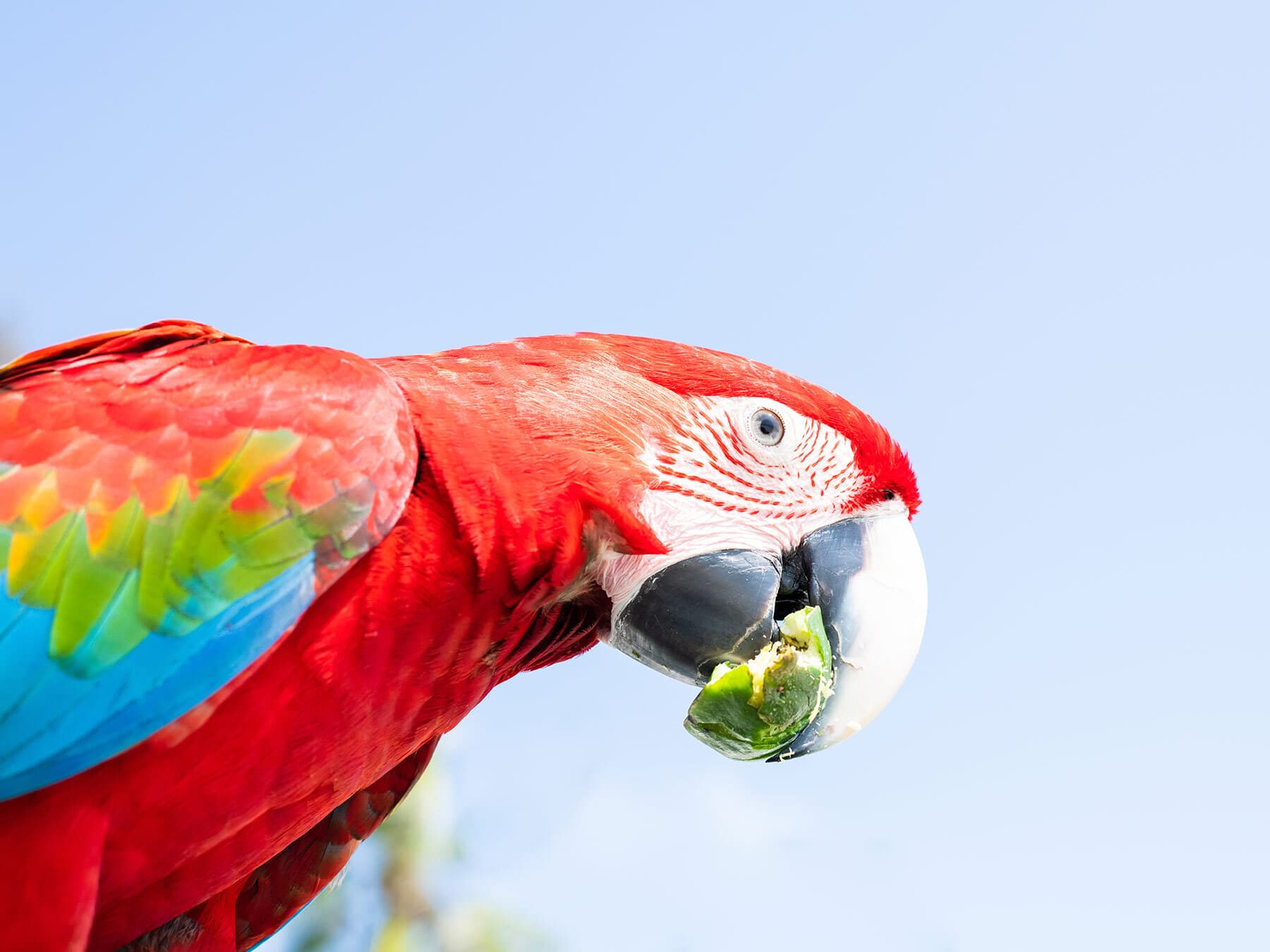
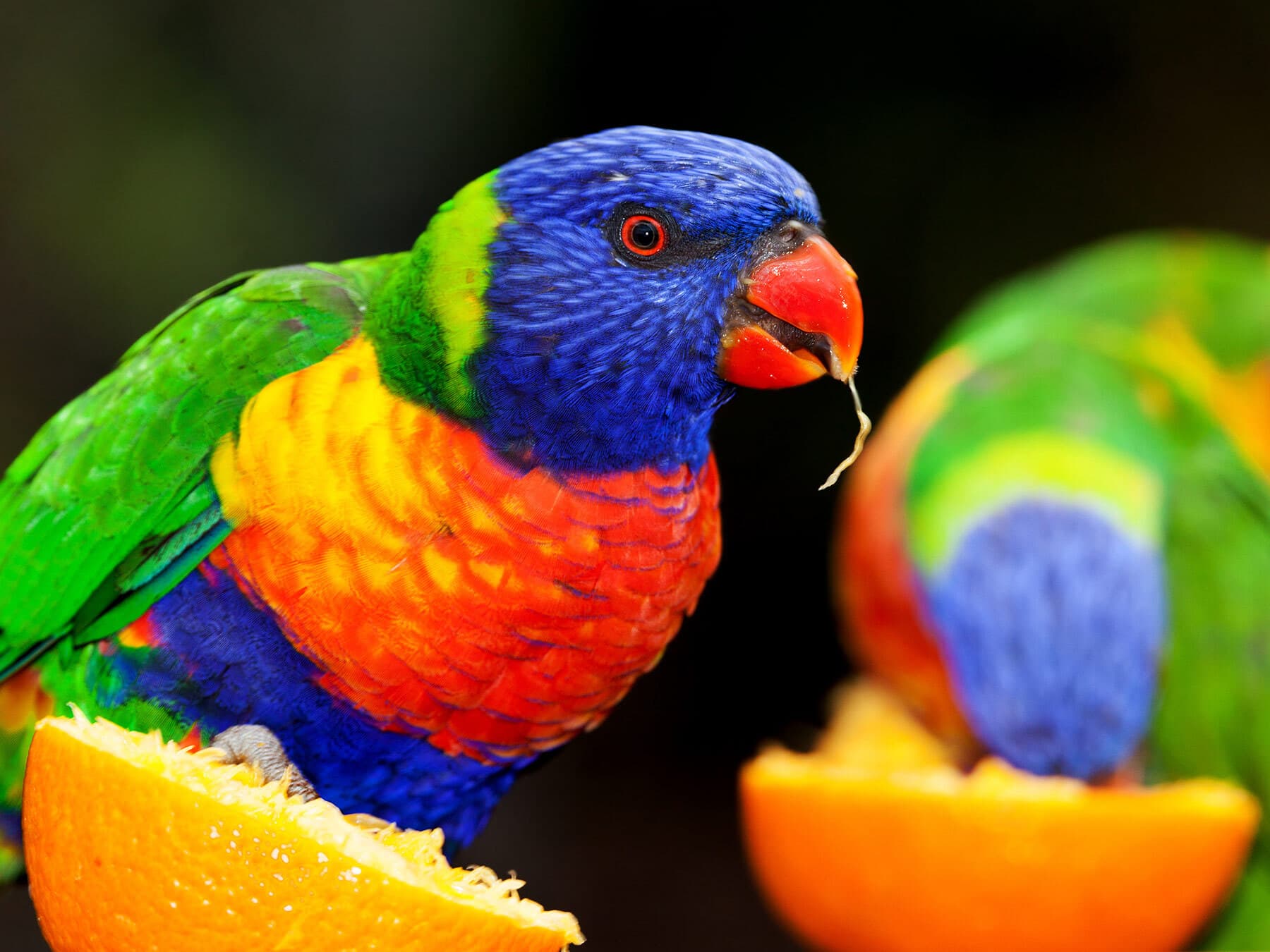
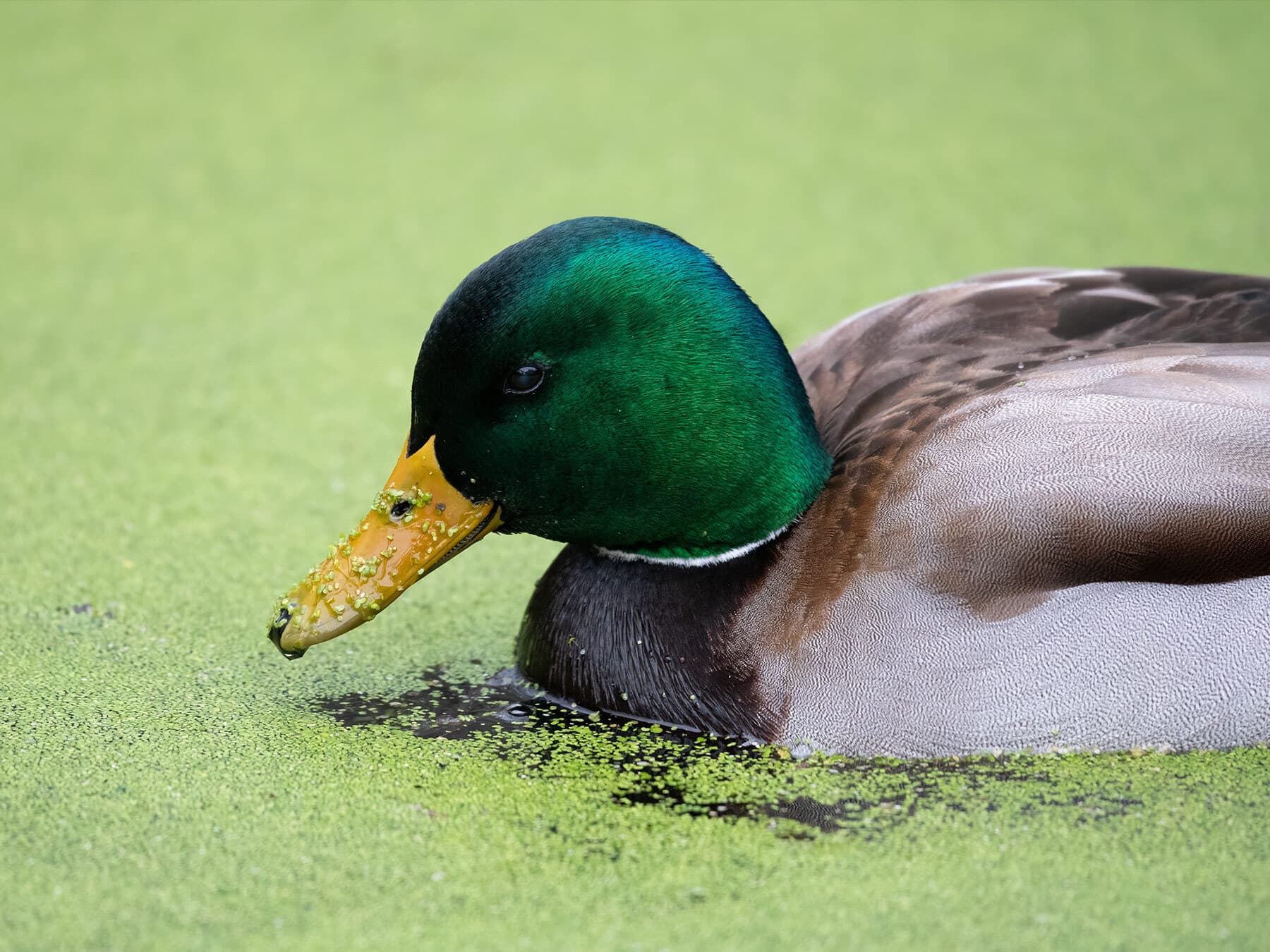
Parrots and ducks probably have some of the strongest senses of taste in the bird world. They have a relatively high number of tastebuds, totaling 300 or more.
The sense of taste will vary between different species and different flavors, however. A 2015 study found that the bar-tailed trogon, an exquisite insect-eating bird from tropical Africa has twelve bitter taste receptor genes while the domestic pigeon has just one.
Birds with little sense of taste
Ostriches are one species of bird that do not have tastebuds. Almost all birds can taste, but some birds certainly appear to have a better sense of taste than others. Pigeons, for example, have just 37 tastebuds, while ducks are said to have hundreds.
You might be surprised!
The tastes they detect
Birds are said to be able to detect all of the major taste types. These include the following familiar flavors:
Sweet
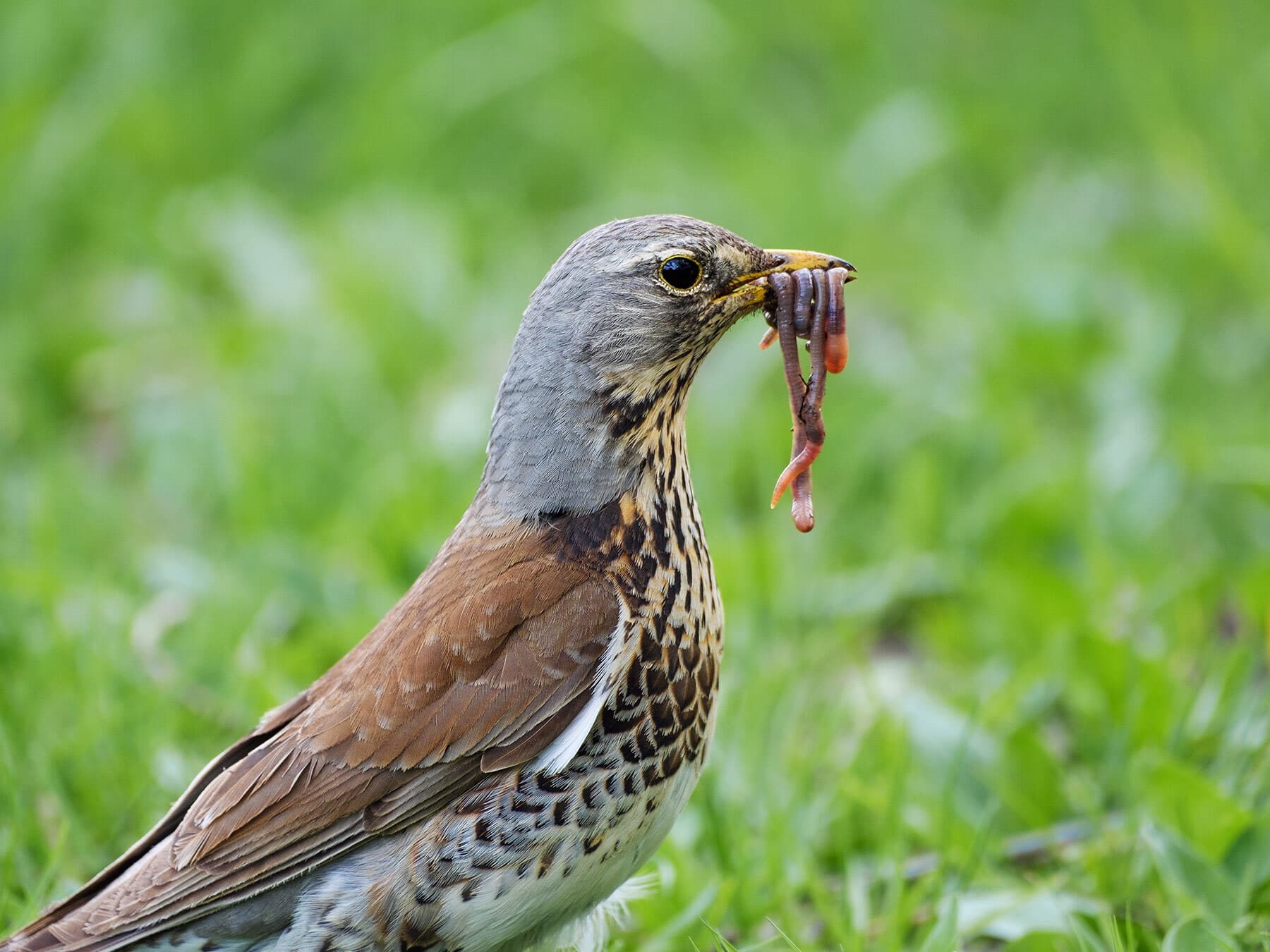
Sweet tastes are not important to most birds, and most species do not have the ability to detect this flavor. It is thought that most songbirds can detect sugar, however, and we know that nectar-eating birds like hummingbirds love it!
Sour
Birds are able to taste sour, acidic flavors, although they are not as sensitive to them as we are. 5. 6 in comparison.
Bitter
Birds are able to detect bitter tastes, although this ability does vary between different species. Many plant and animal toxins have bitter flavors, so this is a very important sense to have!
Salty
Seagulls and many other birds have the ability to process high concentrations of salts. Nevertheless, birds are able to detect salt and they are known to reject food or water sources that have a high salt content.
Umami
Umami is the fifth type of taste that was only recently accepted in 1985, although it was first proposed in 1908. Umami is the taste of savory, or to be more specific, the taste of glutamates and nucleotides.
What can birds not taste?
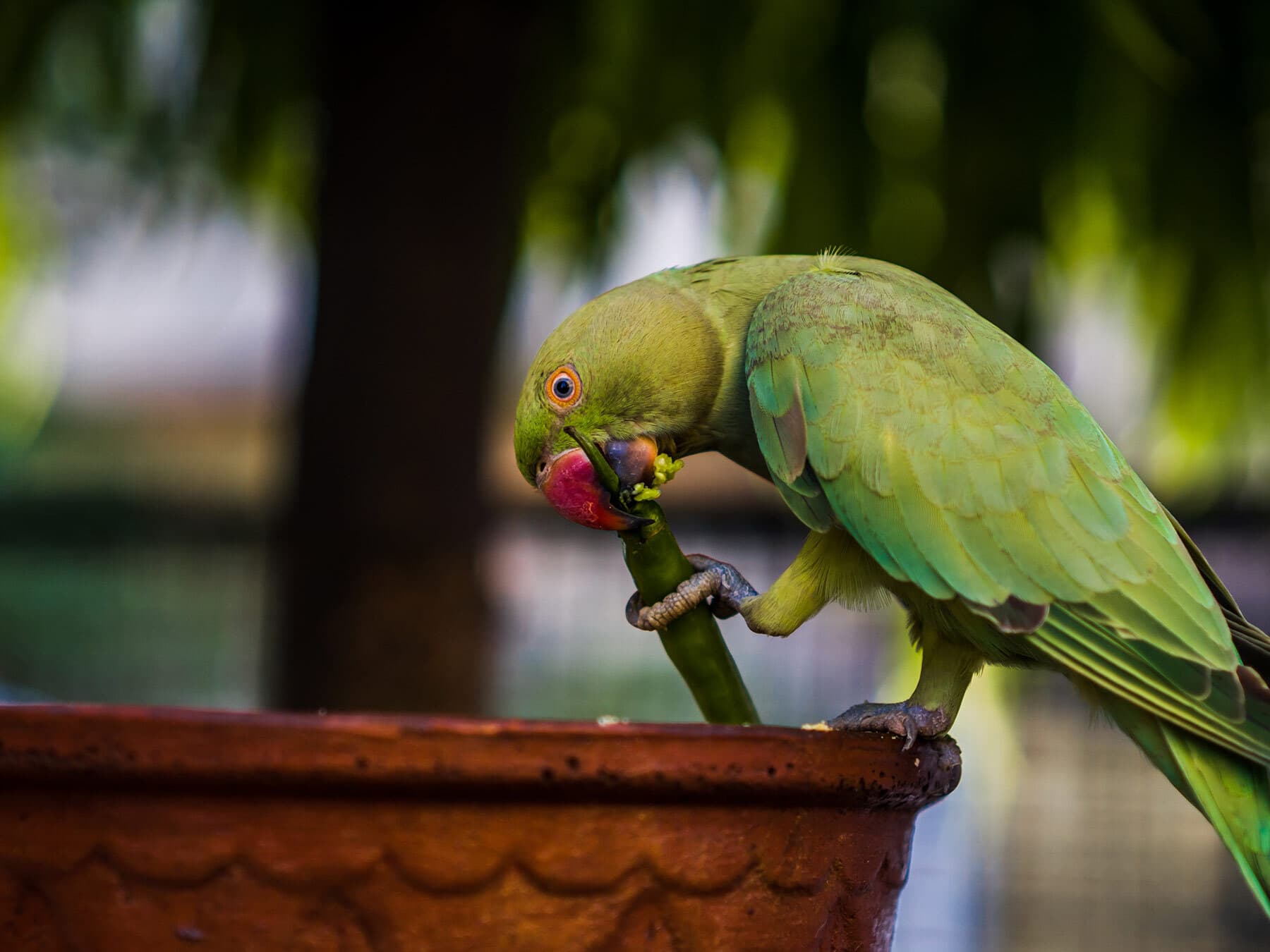
Birds can’t taste capsaicin, the compound that makes chilis taste ‘hot’.
It is possible that chilis evolved to encourage birds and discourage mammals because birds are able to distribute seeds over much longer distances.
Birds show no distress when eating spicy foods, and as a result, many bird watchers have found chilli to be a useful deterrent to unwelcome squirrels that visit bird feeders.
By sprinkling chilli powder on the bird seeds, the squirrels may be kept at bay while the birds go on eating unaffected. Unfortunately, this technique can potentially damage birds’ eyes, so more humane solutions are a better bet!
Choosing food by taste
Taste is one of the factors that helps birds choose their food. It is useful for figuring out the chemical and nutritional makeup of a food source.
Birds can select foods by taste based on the nutrients, salts, and energy they provide while rejecting toxic substances.
Nevertheless, the taste of bitterness is an important cue for birds to assess whether a food source is toxic or safe. Many plant and animal toxins are bitter in taste, and detecting these toxins could be a matter of survival for birds.
Remembering tastes
It is difficult to say whether birds are able to remember what food tastes like, but it is very possible that they can. Birds have both a great memory and the ability to learn.
Chickadees and other birds that cache food must be able to remember where they have stored their food for the winter, so we know that birds are certainly able to use memory in the location of food sources.
Bird Taste FAQs
Do parrots have taste buds?
Parrots have about 300 taste buds, a relatively large number as far as birds go. Their taste buds are largely confined to the upper side of their bills, although they are also located at the back of the mouth.
Do crows have taste buds?
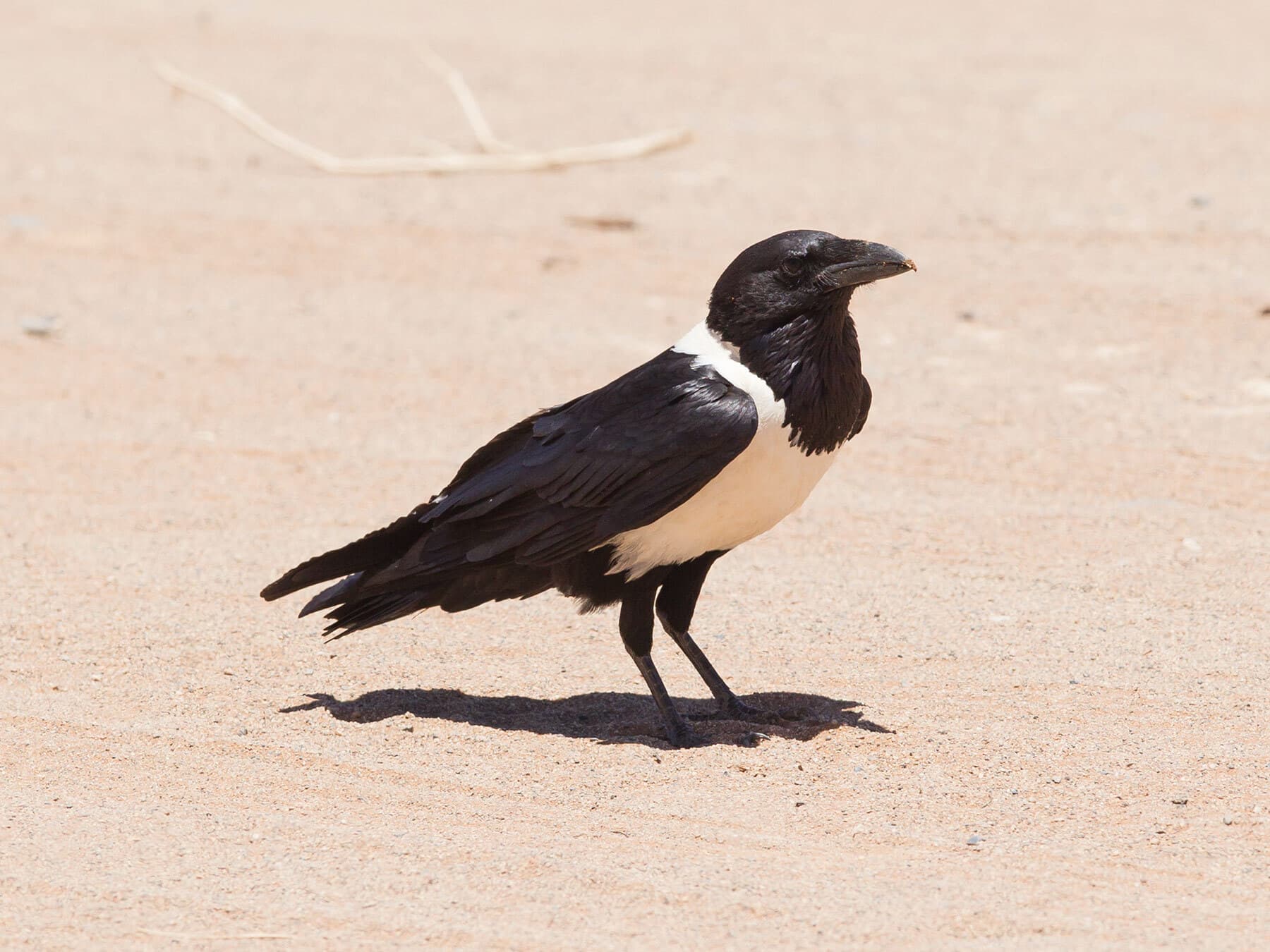
Crows are known to have taste buds on their tongues. pied crow from Africa, for example, has taste buds on the upper surface of the front of its tongue.
Do eagles have taste buds?
Eagles are said to have taste buds, although their sense of taste is not as well developed as other birds like parrots.
Do birds taste spicy foods?
It is interesting to note that birds don’t seem to be affected by spicy foods. They will happily eat hot peppers that mammals actively avoid.
Do birds taste sour foods?
Birds can taste sour foods. They show greater tolerance for acidic foods than us and will even ingest foods that have a pH of 2 or lower.
Do birds taste sweet foods?
It is not clear whether all birds can taste sweet foods, but some species certainly can. Parrots and other fruit-eating birds for example are attracted to sweet foods.