Facts · Updated 8 Oct 2026
Do Penguins Have Knees? (Anatomy, Why They Waddle + FAQs)
By the Birdfact teamChecked by Nathan Cope
On this page10 sections
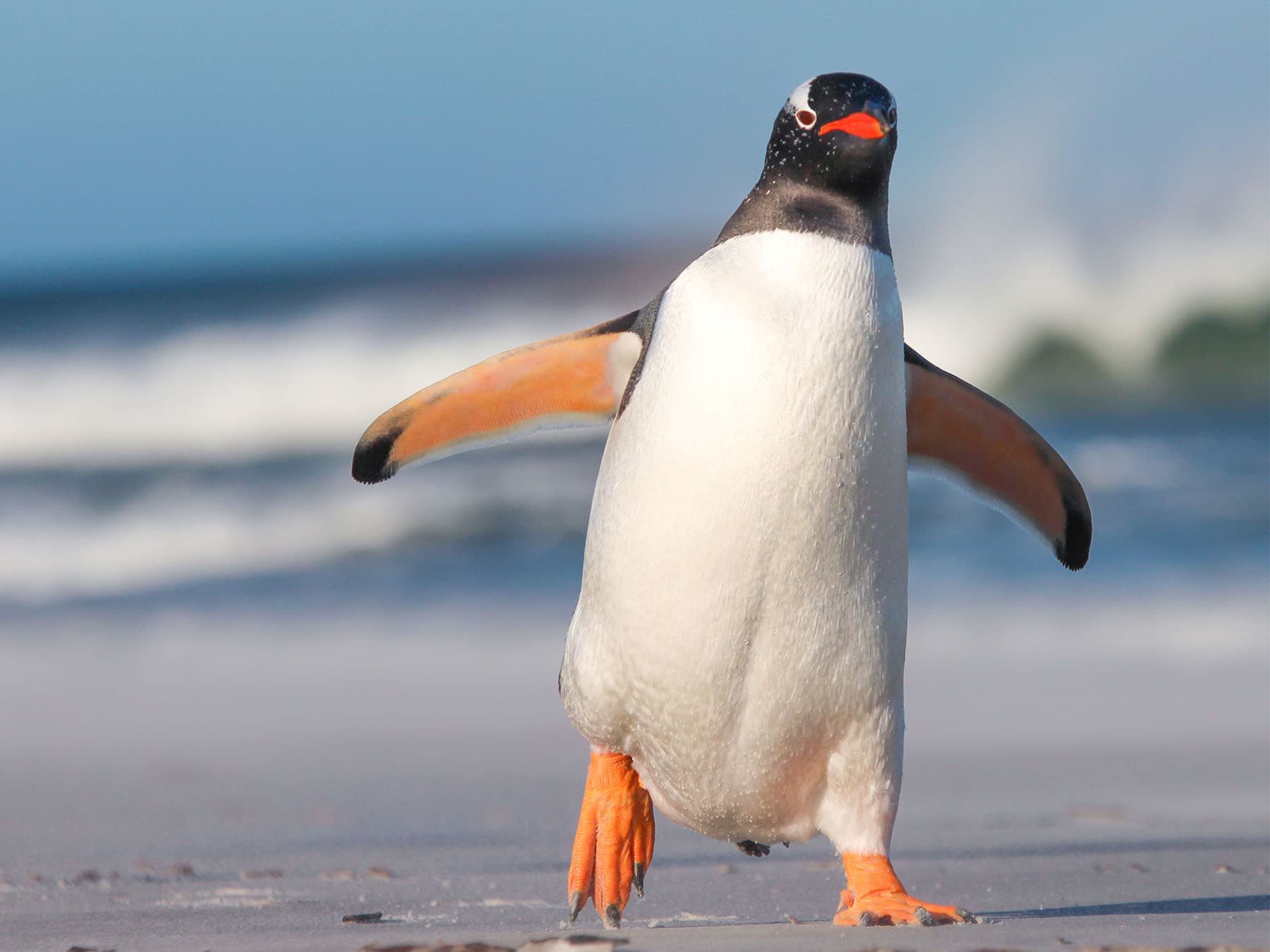
A waddling penguin is one of the most charming sights in all the bird world. Their feet appear to pop right out of their bodies, which raises some interesting questions about their anatomy.
These flightless seabirds look pretty awkward on land, but they are remarkably agile underwater. So why do Penguins walk so strangely? Do Penguins have knees?
All Penguins have knees, despite their stiff-legged strides. Their dense feathers and long torsos hide surprisingly long legs, even if they are relatively short by bird standards. Penguin legs contain a femur, knee joint, kneecap, fibula, and tibiotarsus, similar to the human leg structure.
Penguins spend up to 75 percent of their lives in the ocean. This specialized lifestyle has resulted in some fascinating physical adaptations.
Their webbed feet make useful rudders for steering in the water, but their placement also means these birds must stand very upright to keep their balance.
Even with such a specialized physique, Penguins must still come to land to breed. Moving around on the uneven ground of a rocky coastline or digging a nesting burrow would be pretty tough without functioning knees!
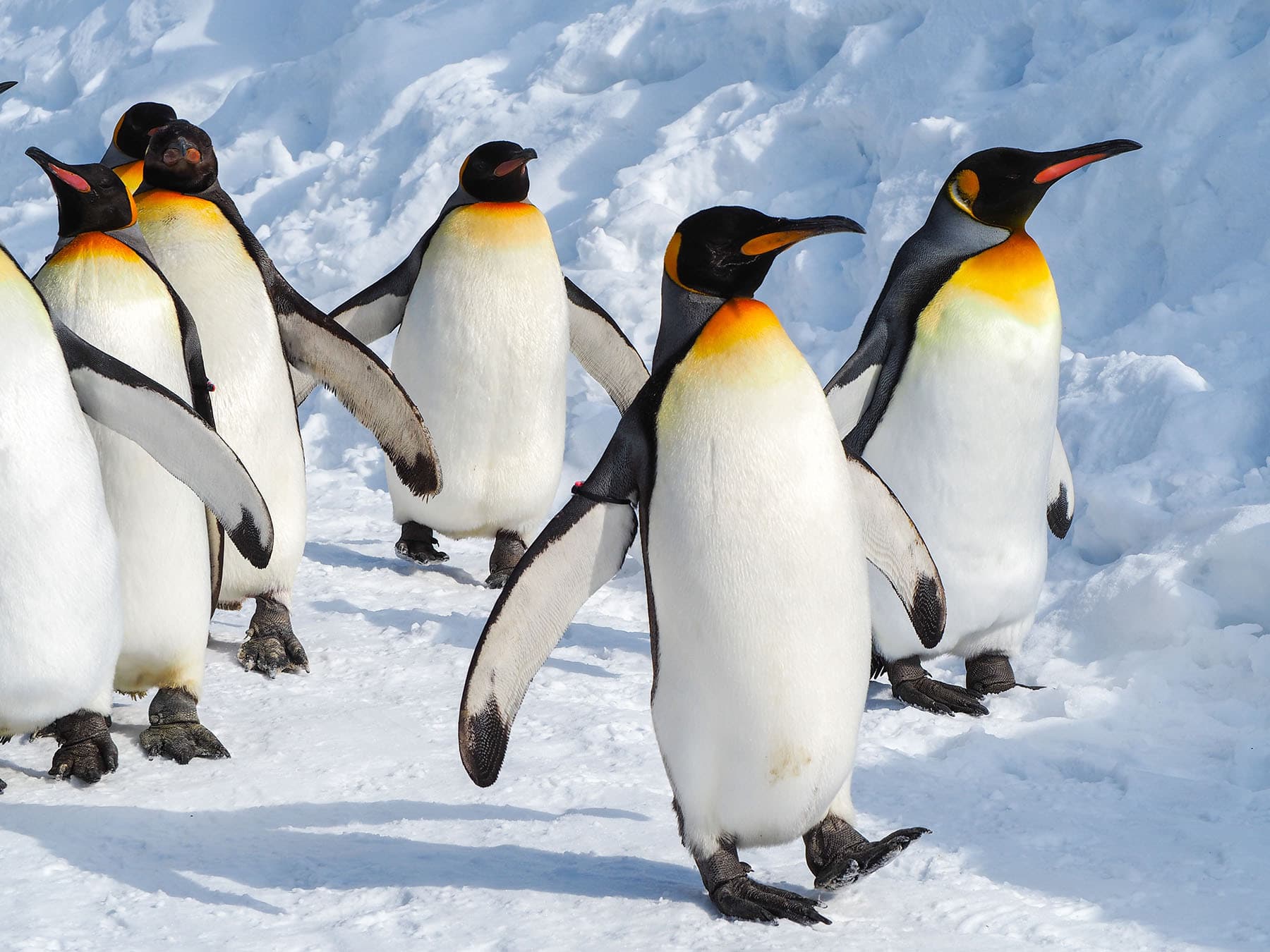
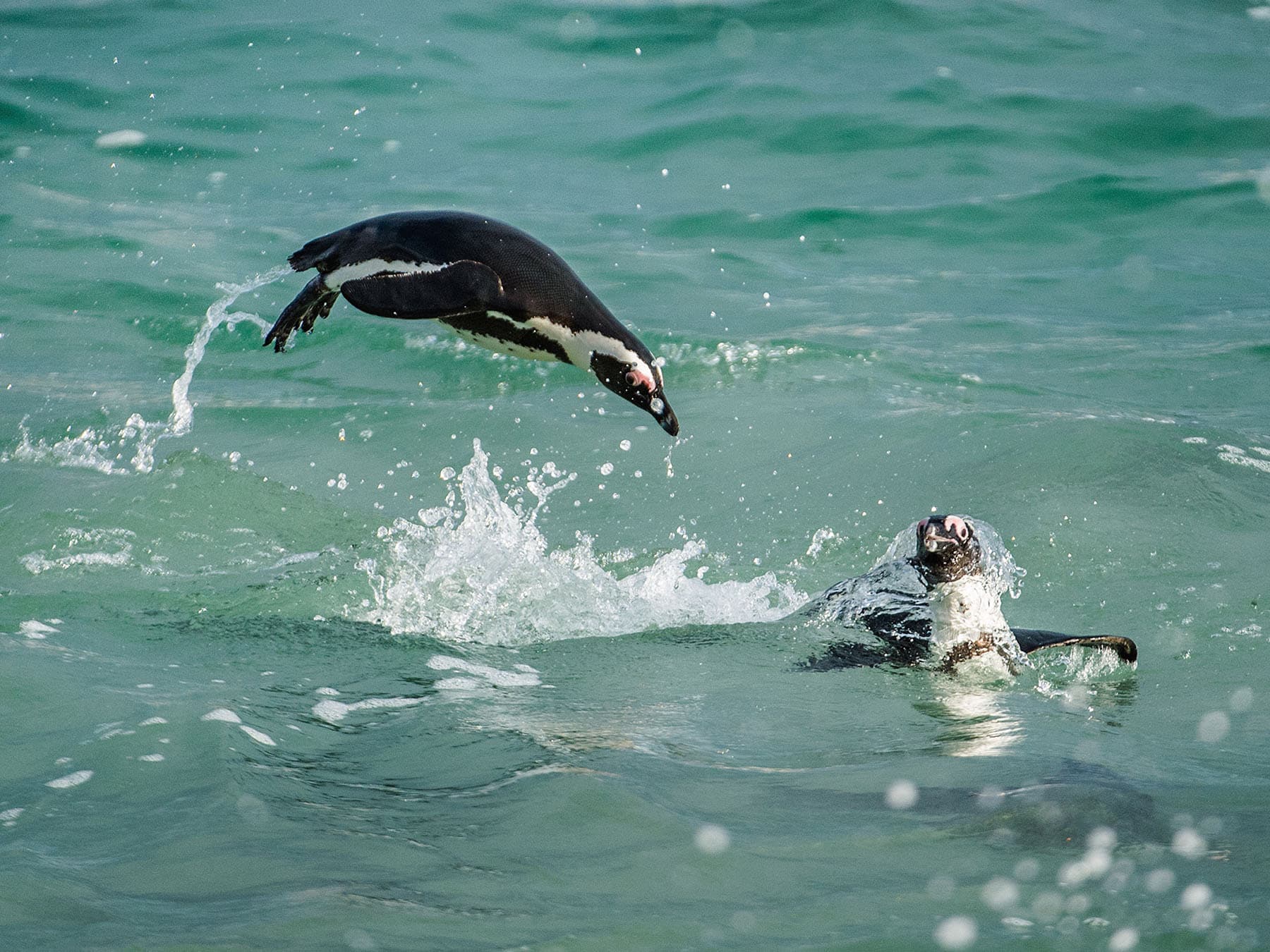
Some species even march for many miles across the frozen Antarctic to reach their breeding grounds, while others are capable of impressive leaps.
So now you know - Penguins do have knees. There’s much more to learn about their unique anatomy, however. Read along with us to learn more fascinating Penguin facts!
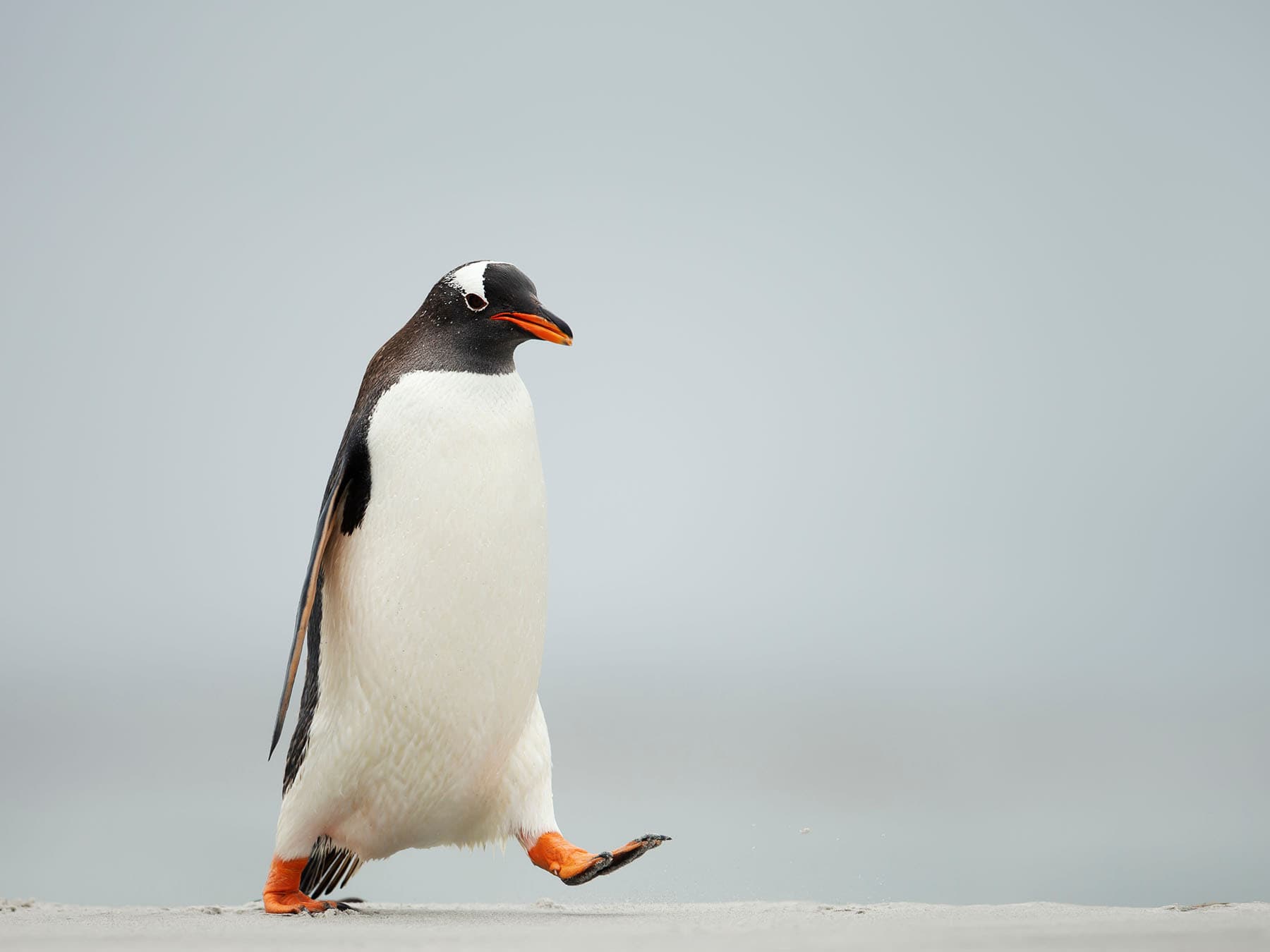
Do penguins have kneecaps?
All birds have knees, but not all birds have kneecaps. Penguins happen to have both, although their kneecaps (patellae) have a very different shape from ours.
Penguin kneecaps are not flattened like our own but rather more cube-shaped. These bones are situated within a tendon and assist when flexing the knee joint.
Penguin legs and knees
From the outside, Penguin’s legs look remarkably short and stubby. Dense feathers hide most of their legs, and their strange waddling gait promotes the myth that Penguins don’t have knees. Like us, Penguins are bipeds, with more or less the same major leg bones we have. So what do penguin legs look like?
Upper leg
Penguins hold their upper legs at an almost 90-degree angle to the lower legs. The femur (thigh bone) is relatively short and connected to the pelvis at the hip joint. Their bones are heavy for birds because, well, they can afford to be.
hollow bones and light frames of flying birds. In fact, having heavier bones makes them better swimmers because it reduces buoyancy.
Knee
Penguins always keep their knees bent because they hold their lower legs vertically. Each knee joint is complete with a knee cap. Penguin knees are set well above the tips of their flippers, which is probably higher than you were expecting.
Lower leg
The lower leg of the penguin contains the tibiotarsus, which is the bird version of our tibia.

Ankle
Penguins have large, robust ankles. This joint is often mistaken for the knee in other birds and is quite visible in Penguins. The most significant bone of the penguin's ankle is the tarsometatarsus, and it is much shorter and wider than in other birds.
Foot
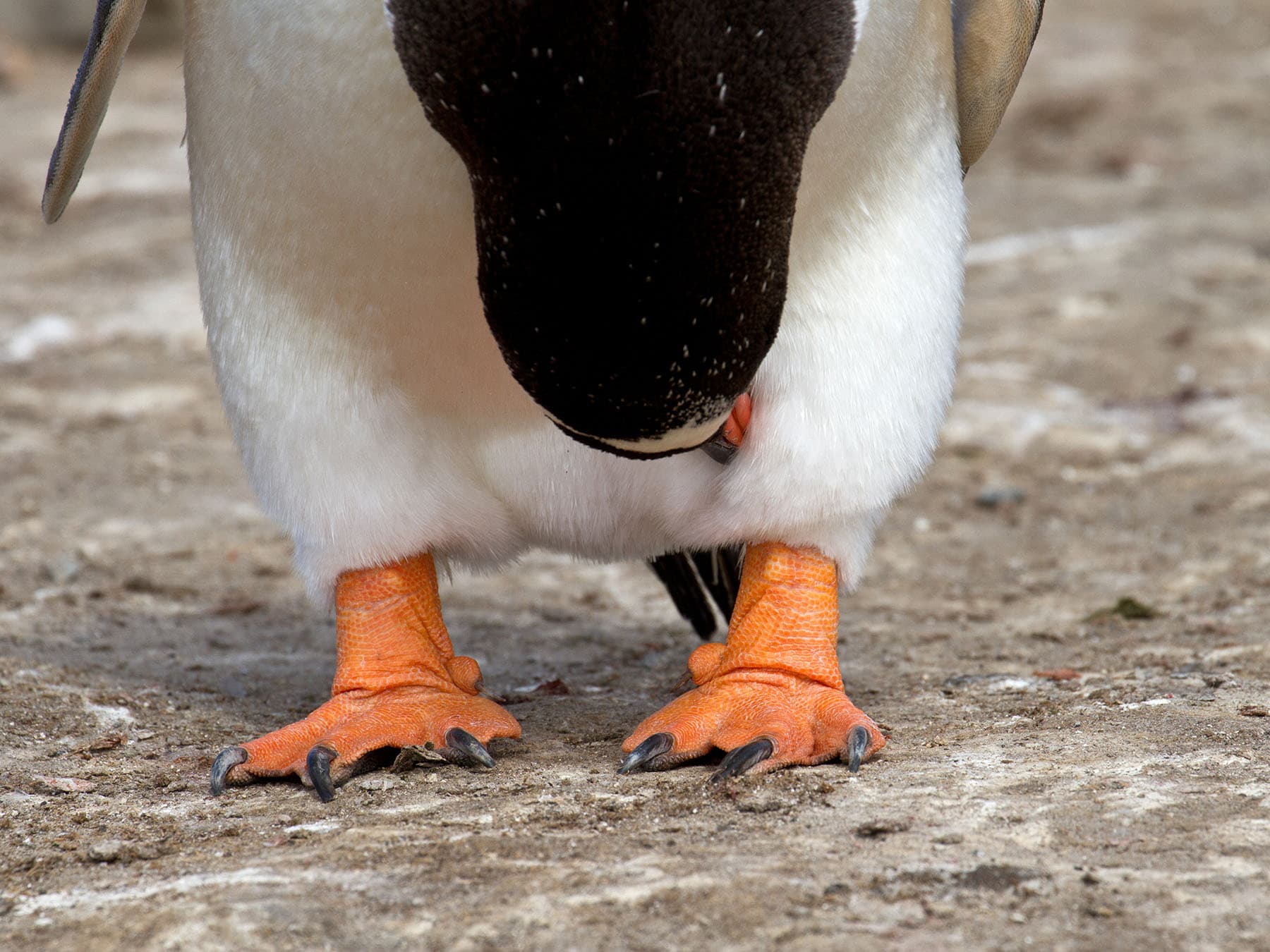
Penguins have huge, webbed feet with large claws. At first glance, these birds appear to have just three toes, although a closer look reveals a tiny first toe known as a hallux.
Their large feet are great for steering in the water but also provide cushioning and grip when walking on land. Penguin feet also provide stability for their rather heavy and upright bodies.
Why the knees are hidden
Seeing the flex in a penguin’s knees is difficult because the joint is hidden by its feathers.
They keep their knees bent at approximately 90 degrees, almost like they are permanently squatting. Sounds tiring, doesn’t it?
Why do penguins waddle?
Penguins have evolved to swim with great speed and agility. Such amazing adaptations and specialization have come at a cost to their ability to move on land, however. To compensate, Penguins have developed a rather unusual way of moving forwards with a limited range of motion in their legs.
prey live under the water. Waddling has energy-saving benefits too, which is very important for a bird that walks so inefficiently.
Research suggests that Penguins use about twice as much energy while walking as other land animals. However, researchers from the University of Colorado have found that the penguin’s short legs cause this inefficiency rather than their amusing waddling gait.
How they waddle
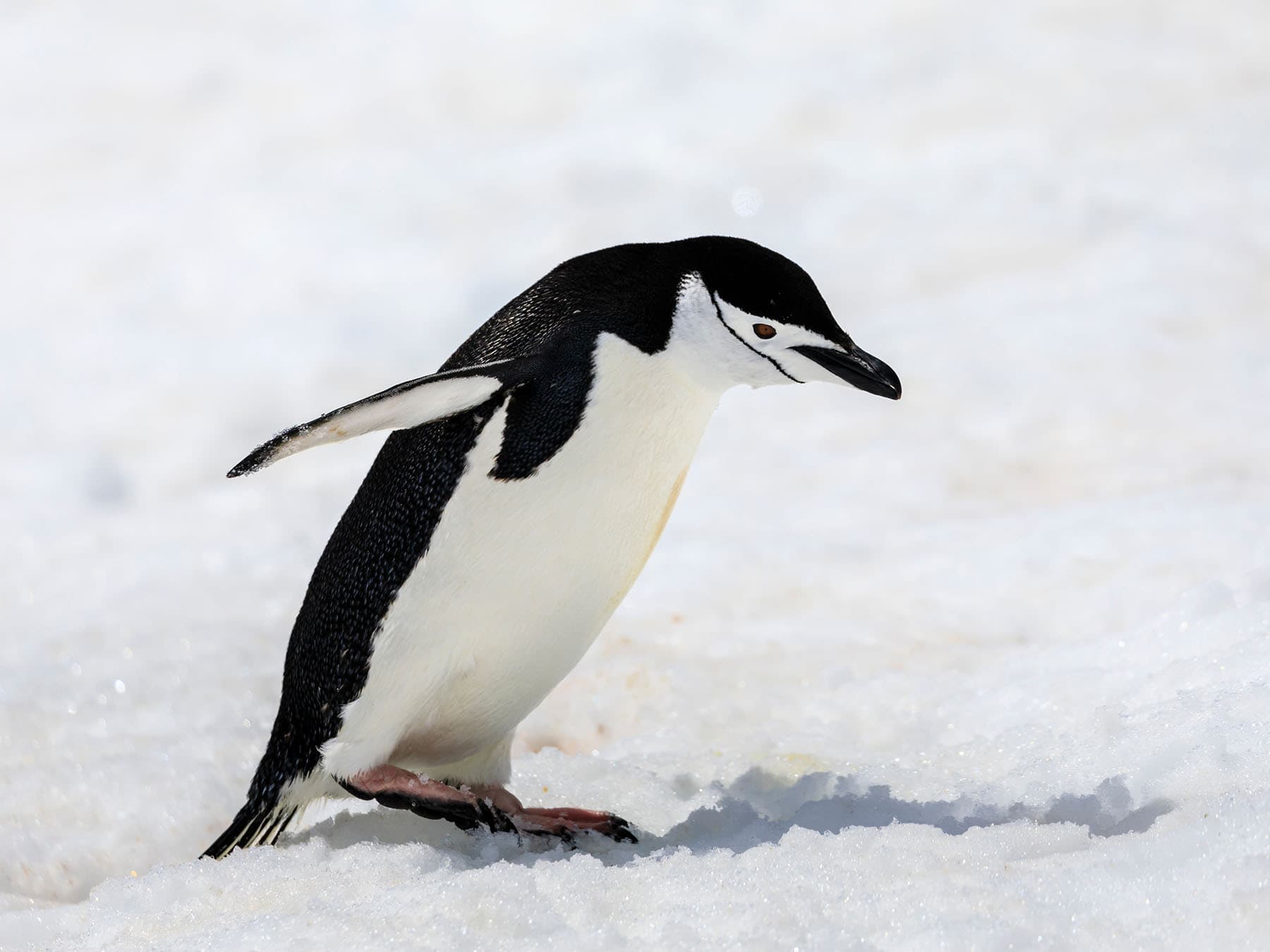
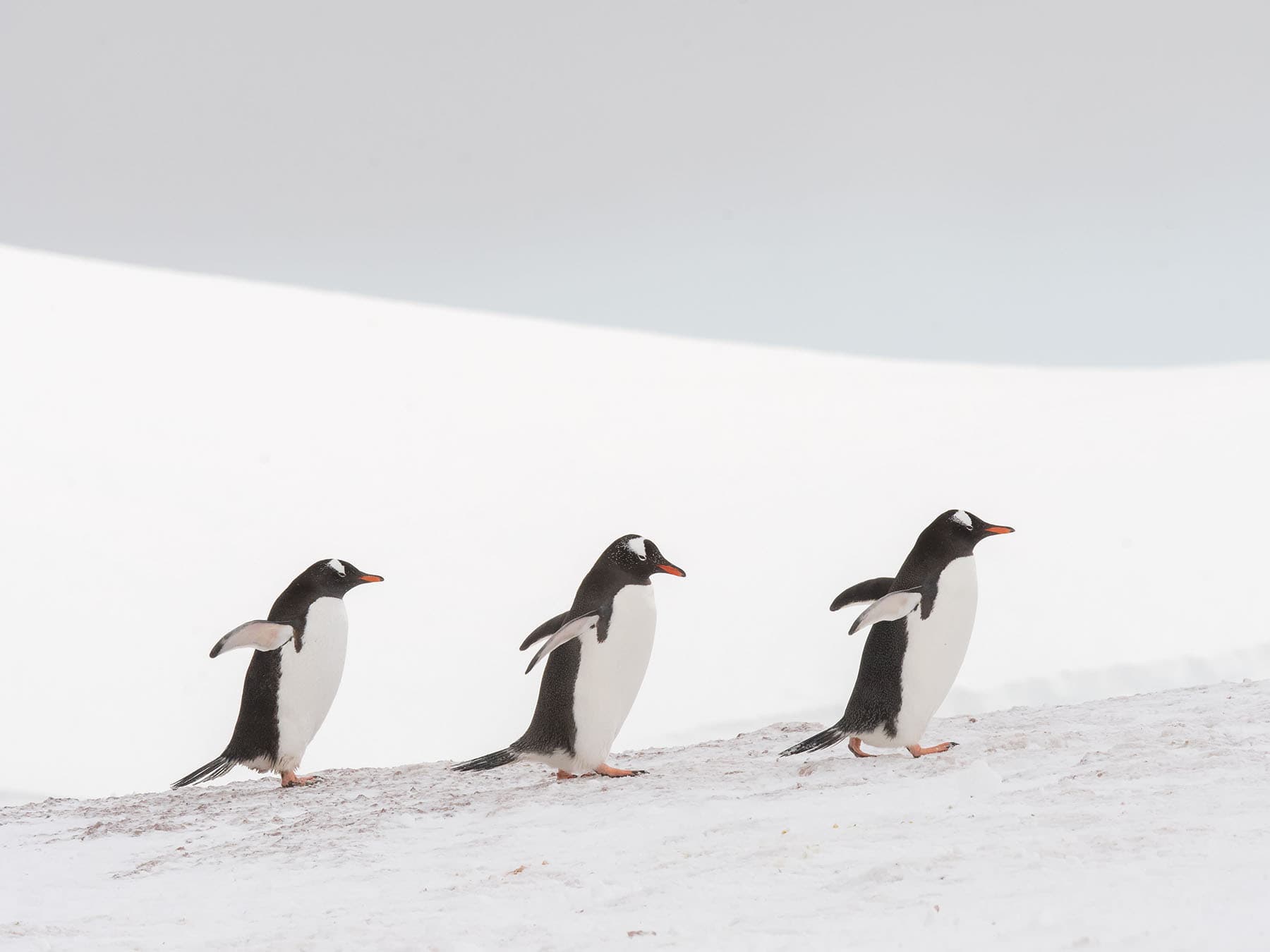
Penguins waddle by rocking from side to side and leaning forwards. This is a pretty simplified explanation, of course, but by using momentum and gravity, they can move forwards on land without flexing their legs much at the knee.
Walking in a line
Penguins often walk in a line when moving from one area to another. This behavior saves energy when walking through the snow because the bird in front helps to clear the way and compact the trail.
Walking in a line is not unique to Penguins, of course. Many animals walk in a single file to follow the most efficient route. The animals following are free to travel without searching for the best path.
Walking speed
Penguins usually waddle at around 2.5 miles per hour (4 km/h), so it is fortunate that most species do not have many land predators! However, these flightless birds can swim at impressive speeds of over 20 miles per hour (32 km/h).
Penguins walk pretty slowly, but they can really cover ground when they need to.
Distances on foot
Penguins might look pretty awkward on land, but they can waddle for surprisingly long distances!
Even the Adelie Penguin (Pygoscelis adeliae), at a fraction of the Emperor’s size, has been known to travel over 40 miles (64 km) overland.

Running
Penguins can run, although their best efforts get them up to less than three miles an hour. However, they can move a little faster on snow or ice by sliding or ‘tobogganing’. Penguins do this by laying flat on their bellies and pushing with their feet.
FAQs
Do Penguins have elbows?
Penguins have elbows at the joint where the humerus, radius, and ulna meet, just like all other birds. Penguins can barely move their elbows because their wings have evolved to function as flippers for swimming.
Do Penguins have legs?
Penguin legs are much longer and better developed than they look. Each leg has a thigh bone, knee cap, and shin bone, comparable with our own and other land animals.
Do Penguins have hips?
Penguins have hips where their femur (thigh bone) meets their pelvis. However, their pelvis is relatively long and narrow, so it is not visible externally.
Do Penguins have ankles?
Emperor Penguins that live in the coldest places.