Facts · Updated 8 Oct 2026
Are Seagulls Protected in the US?
By the Birdfact teamChecked by Nathan Cope
On this page8 sections
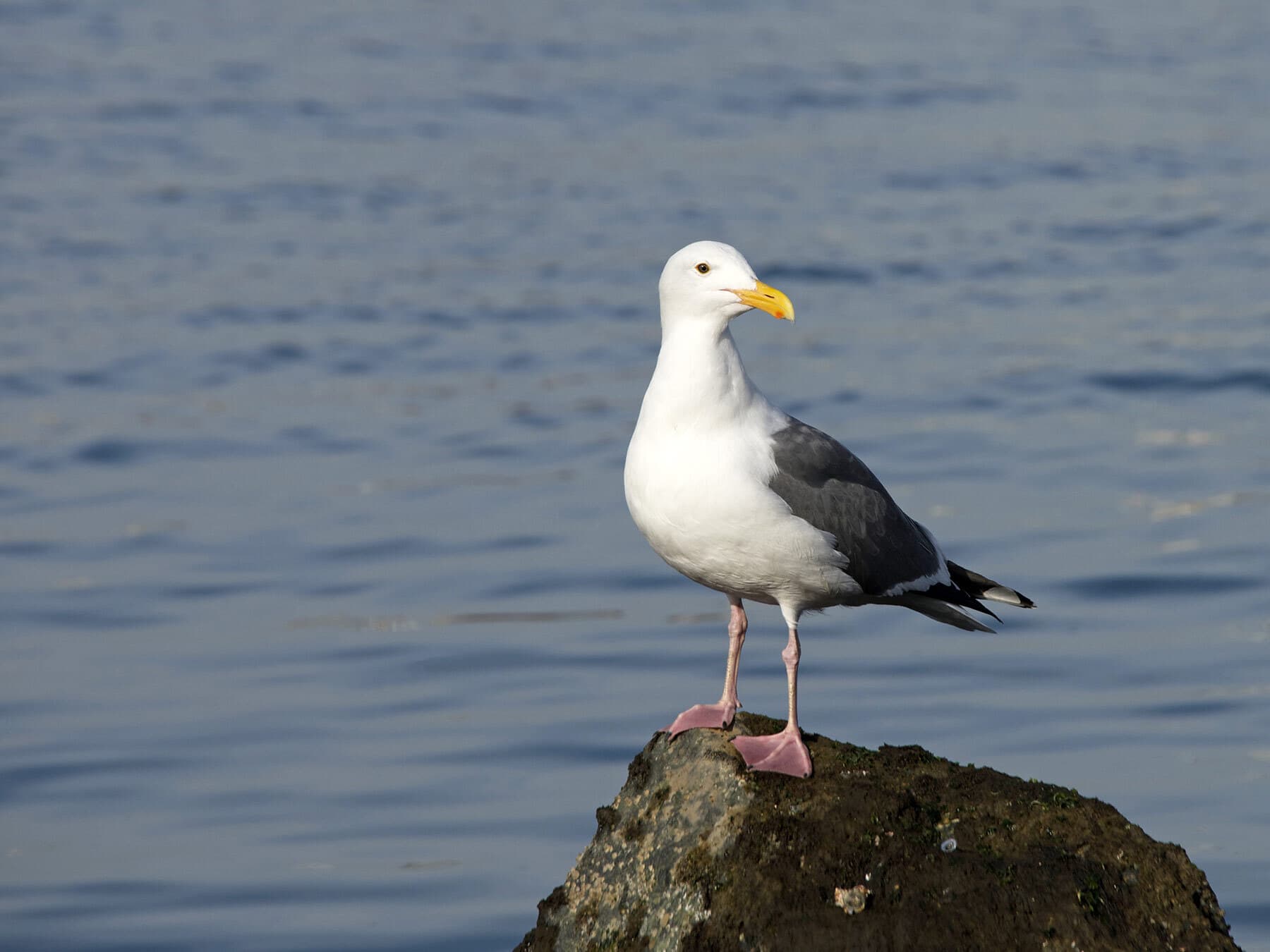
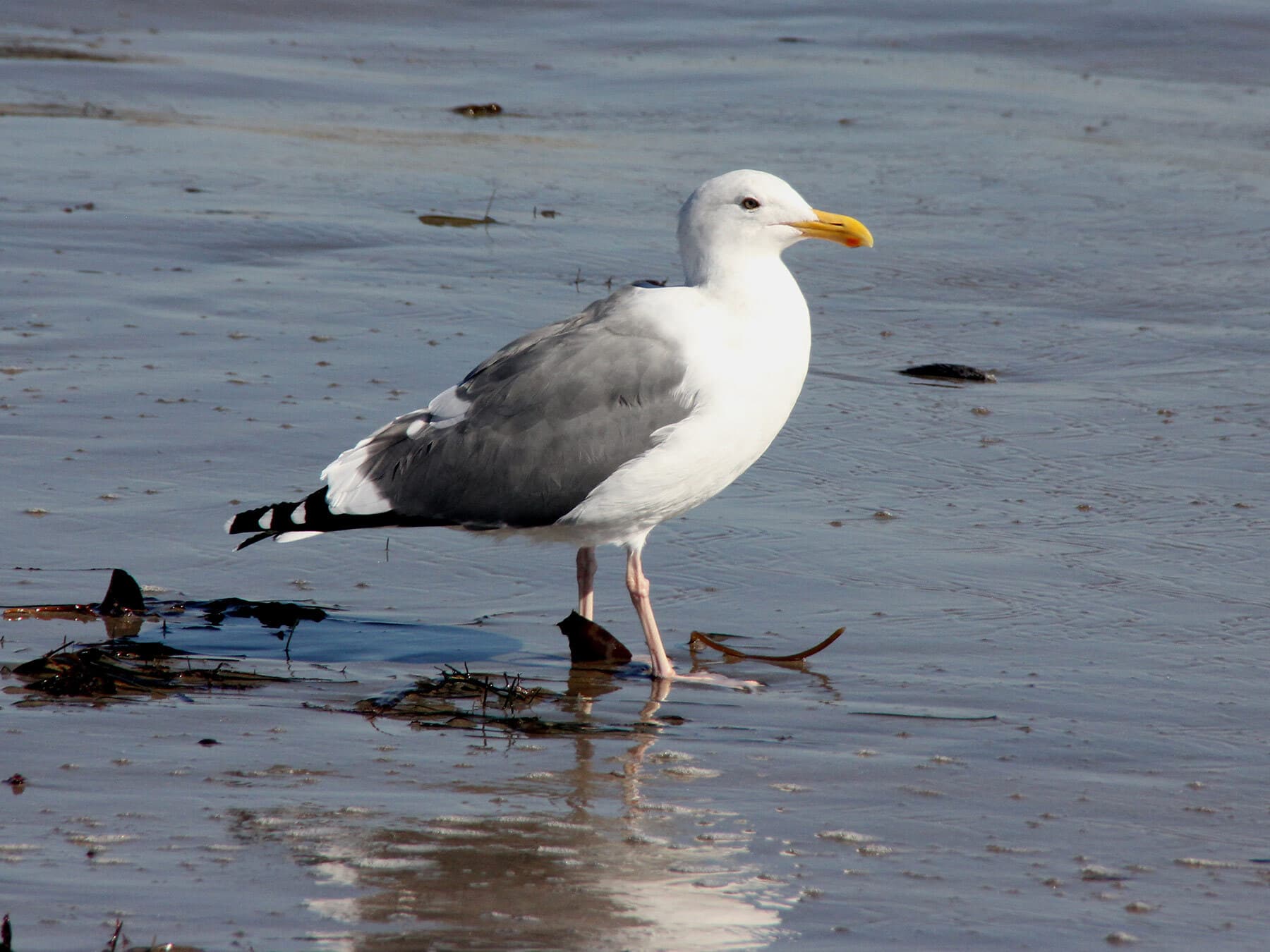
Seagulls are widespread across the US, not only found at coastal regions, but you may well have heard their noisy squawking calls overhead further inland too, in parking lots, near housing developments, and at landfill sites.
As they are so common, is it necessary for seagulls to be safeguarded under any official protection?
Seagulls are protected throughout the US under the Migratory Bird Treaty Act of 1918.
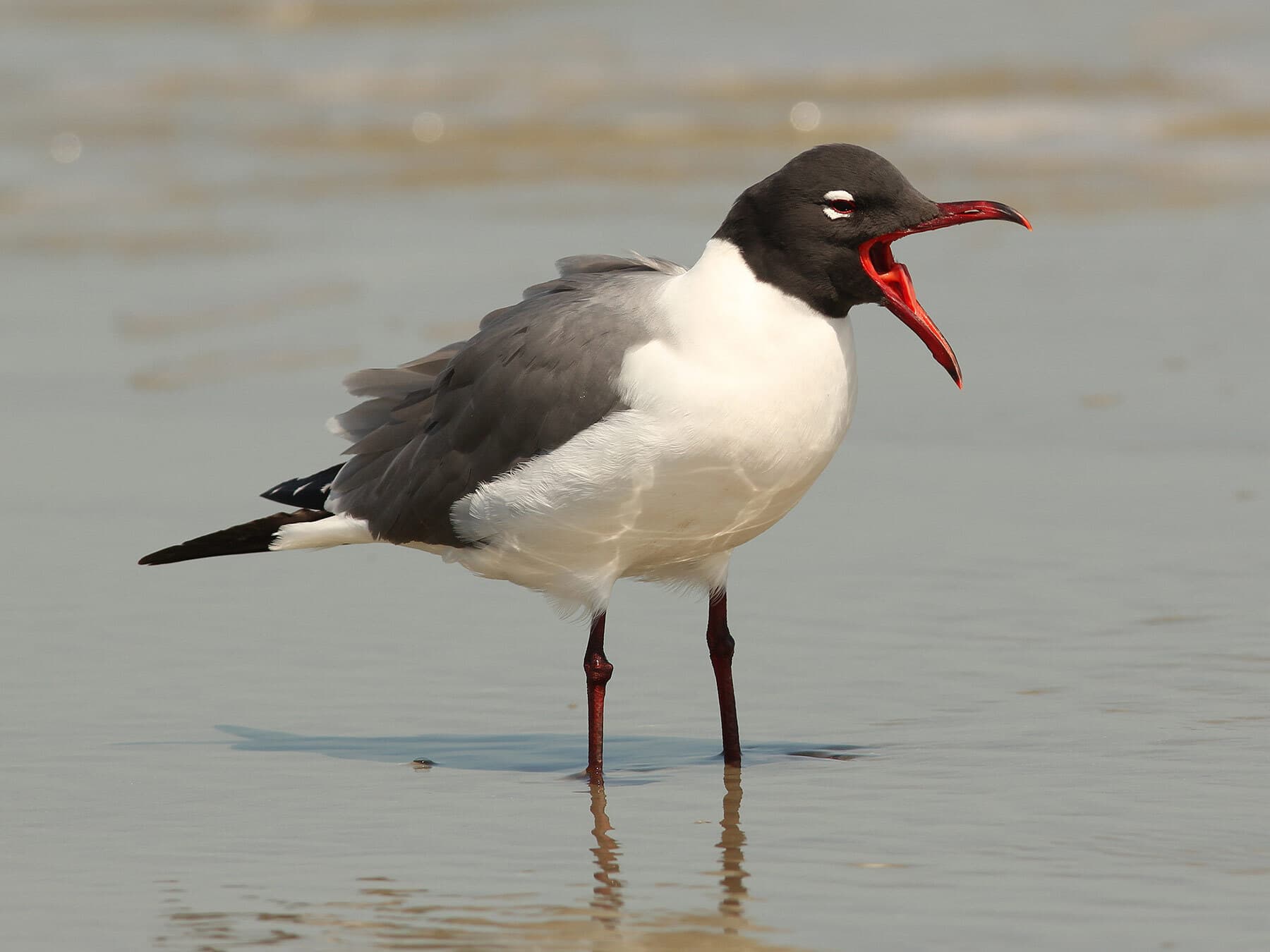
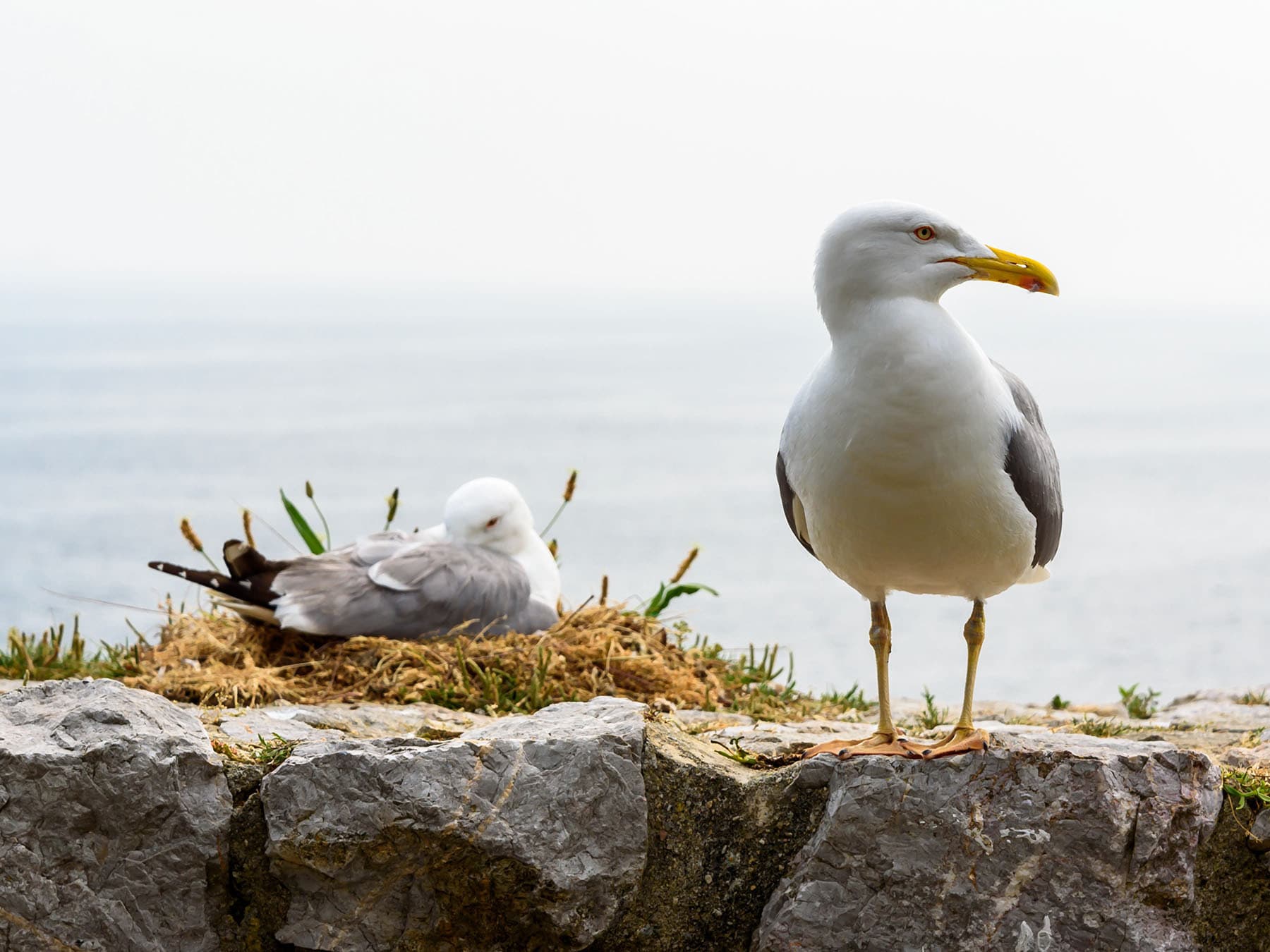
Coastal breeding habitats are under threat from development, erosion and rising sea levels. This danger is recognised as a potentially detrimental impact on the future of seagull populations if their nesting sites are lost or disrupted.
Protected status helps to support population numbers, and accordingly, many gull species are witnessing population booms, with gulls moving further inland in search of food and suitable nesting sites. This location shift has brought them into closer contact with urban life, with nests being built on roofs of residential properties and gulls carrying off scraps of food from landfill sites and parking lots.
This inland presence has led to some people regarding the gull population as a nuisance and seeking ways to deter them from visiting or nesting on their property. But with the protection they have, there is no quick fix for driving out any seagulls that have made themselves comfortable in settings other than their typical natural habitat.
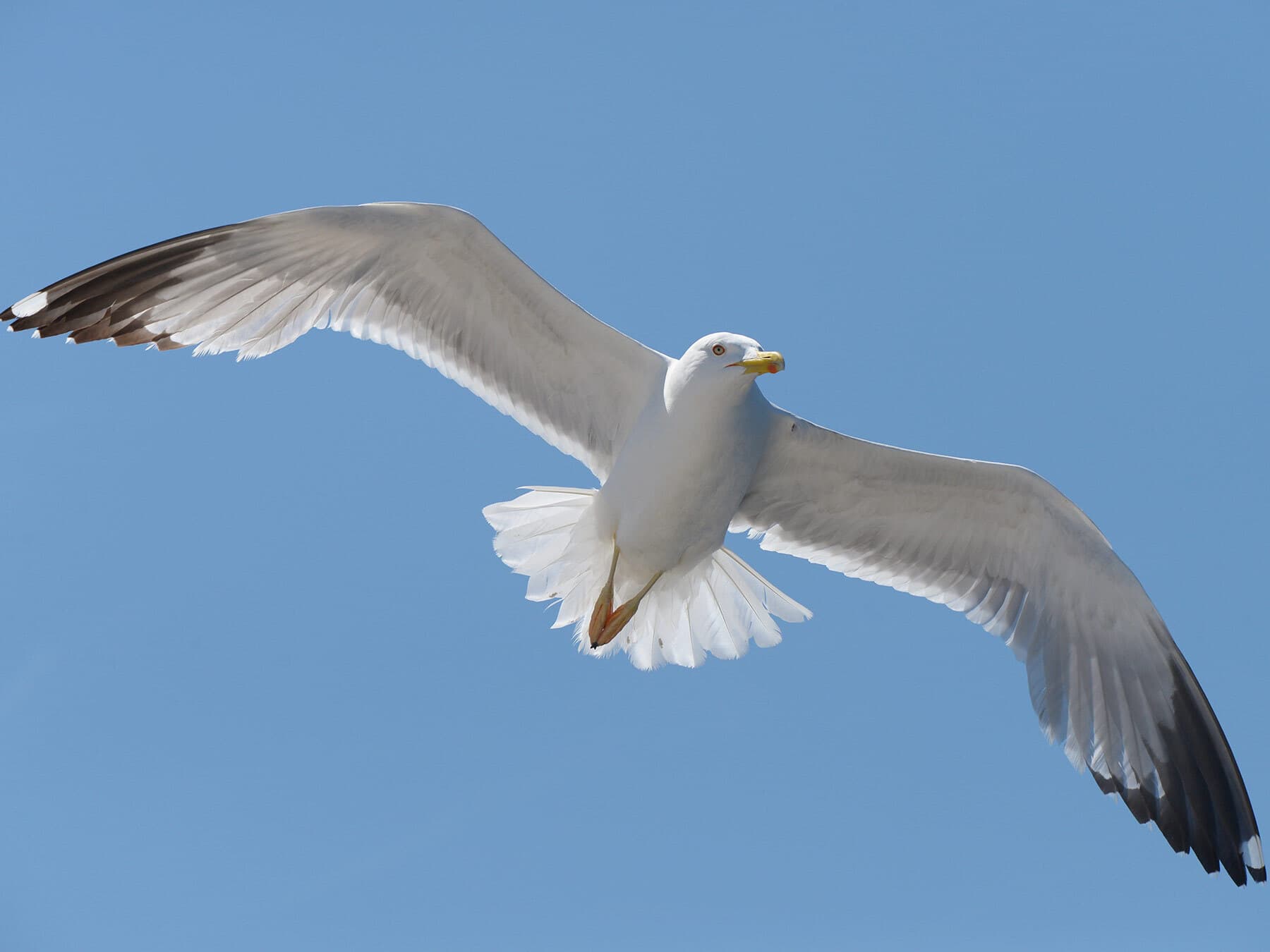
Why are seagulls protected?
Seagulls are protected under the Migratory Bird Treaty Act as a means of safeguarding their population numbers from threat of decline. This legislation is designed to ensure the continuation and survival of the species into the future, as their natural breeding habitat is under threat.
nesting grounds of gulls may be at risk of loss due to development and landscape changes such as erosion, extreme weather conditions or rising sea levels.
Threats
Seagulls face a range of threats, both natural and manmade, including pollution (for example ocean plastics and oil spills), loss of habitat through urban development and weather-related events, overfishing and the subsequent lack of available food, and even deliberate acts to eliminate seagulls from particular areas.
Due to their size and noisy, aggressive nature when they sense they are under threat, adult seagulls are at a relatively low risk from predators, but their young and eggs are commonly targeted by birds of prey, raccoons, minks, cats and foxes.
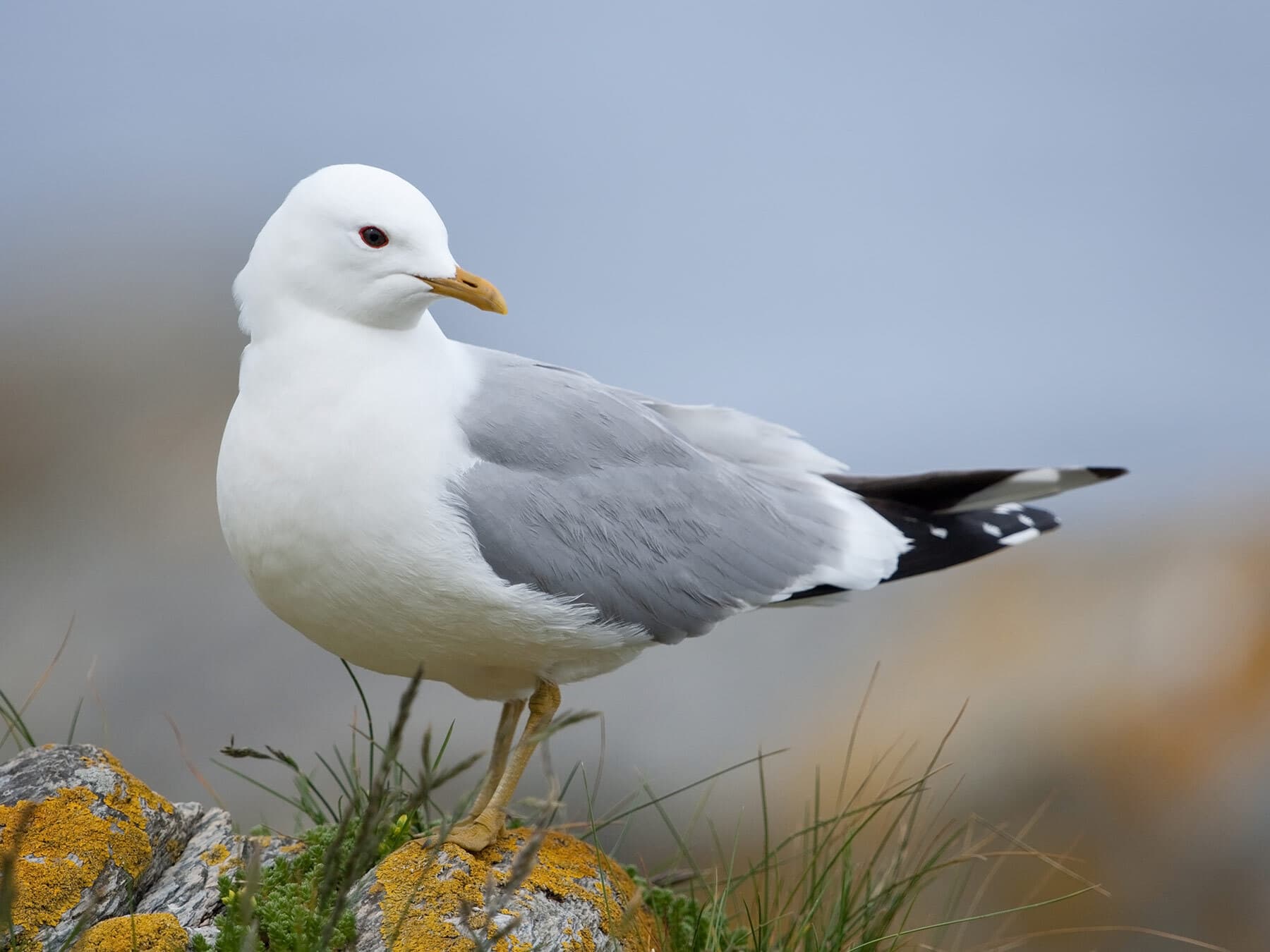
Are seagulls endangered?
There are more than 50 different species of seagull, and many, including herring gulls, black-headed gulls, and California gulls are widespread and rated by the IUCN as species of least concern.
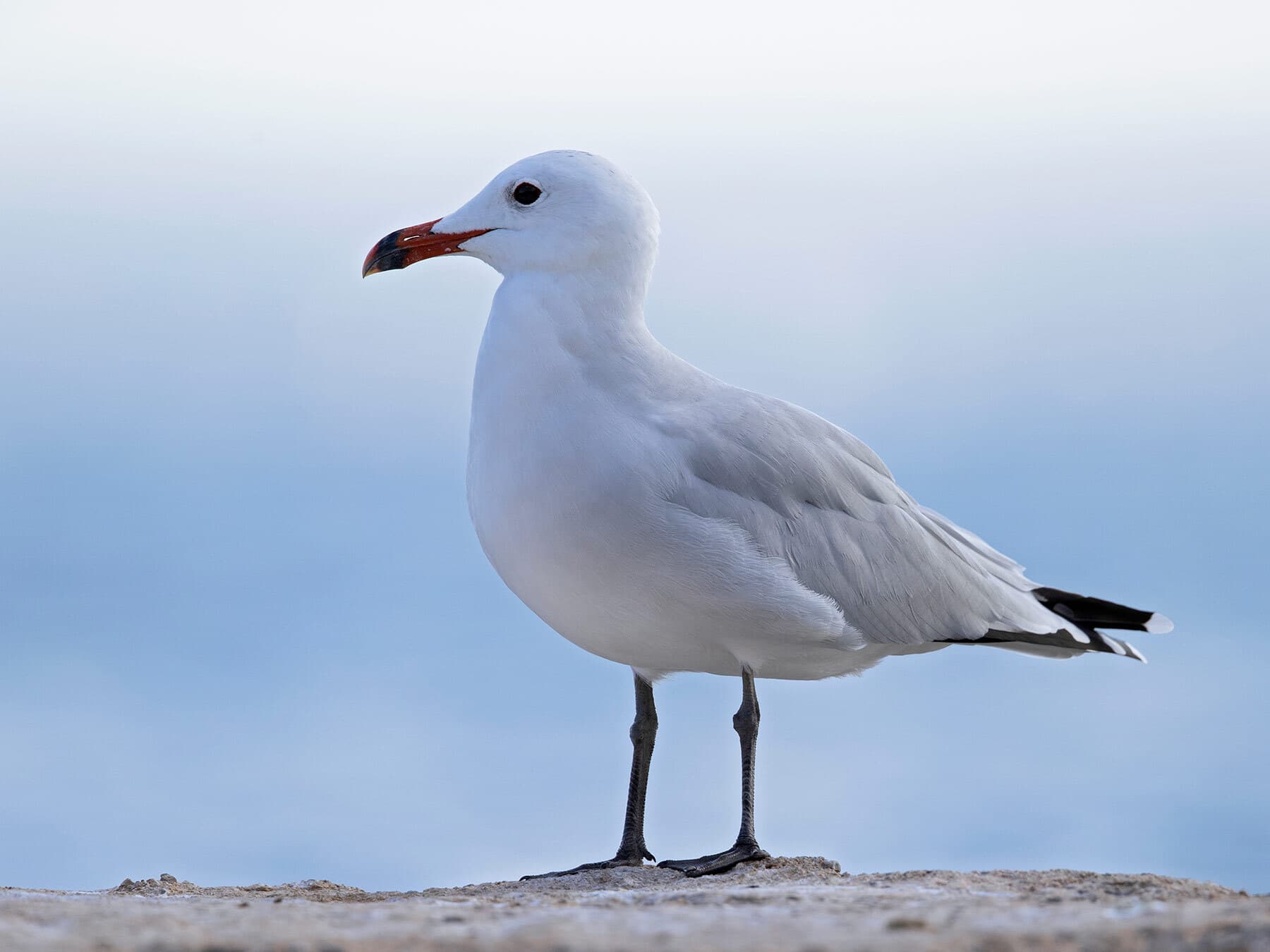
Audouin's gull, relict gull, lava gull and Saunders’s gull, are classified as vulnerable, and have witnessed significant population decreases or threats to the future of the species.
Other gull species including ivory, black-billed and white-eyed gulls are designated as near-threatened.
Population trends
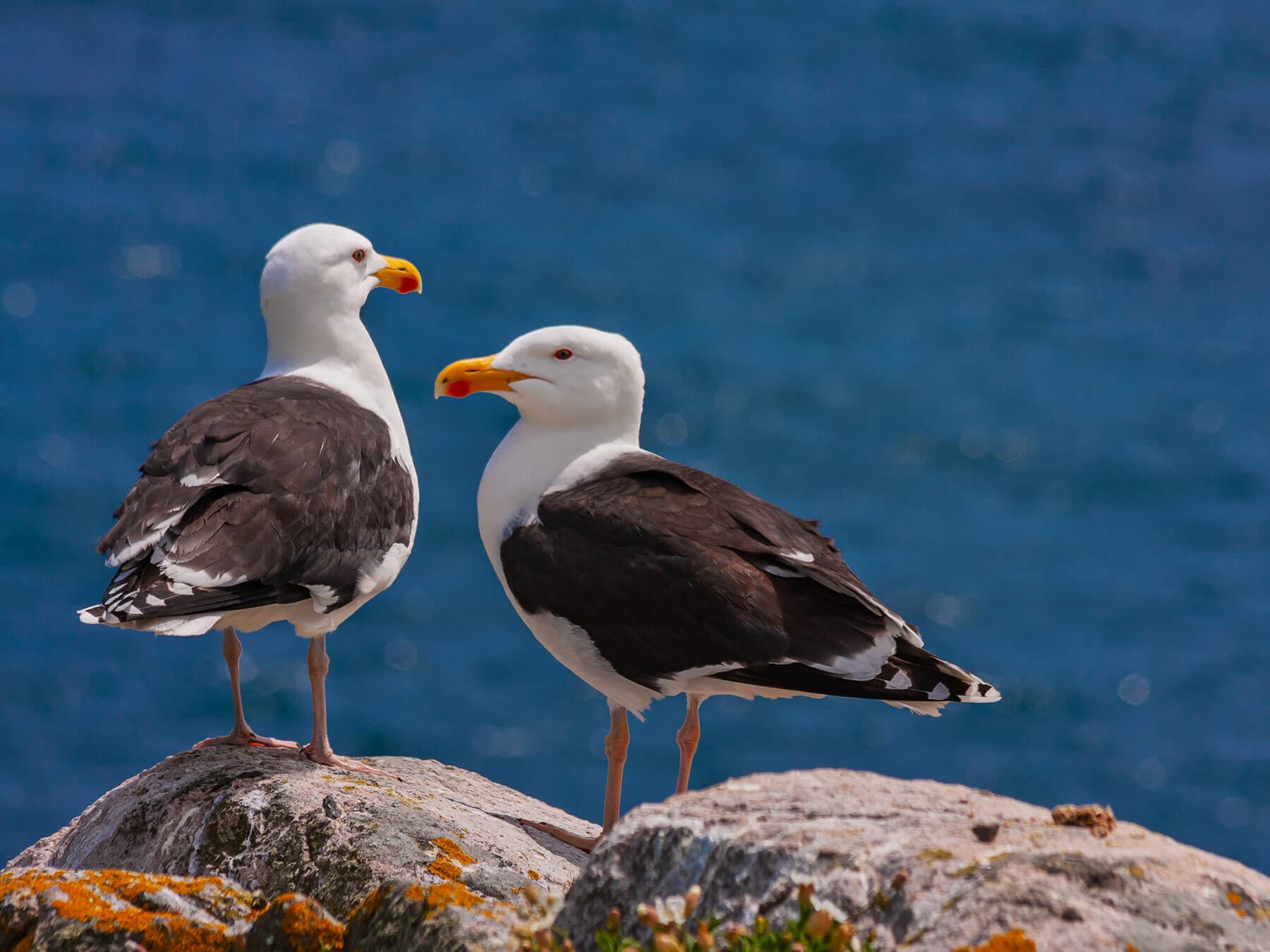
Millions of gulls are present in the world, across 54 species, with at least 28 species observed in North America. In some areas certain species, including California gulls are reported to have experienced population booms.
S.
One explanation for the slide is diminishing access to quality fish, due to overfishing and competition for food in coastal waters.
Legal deterrents
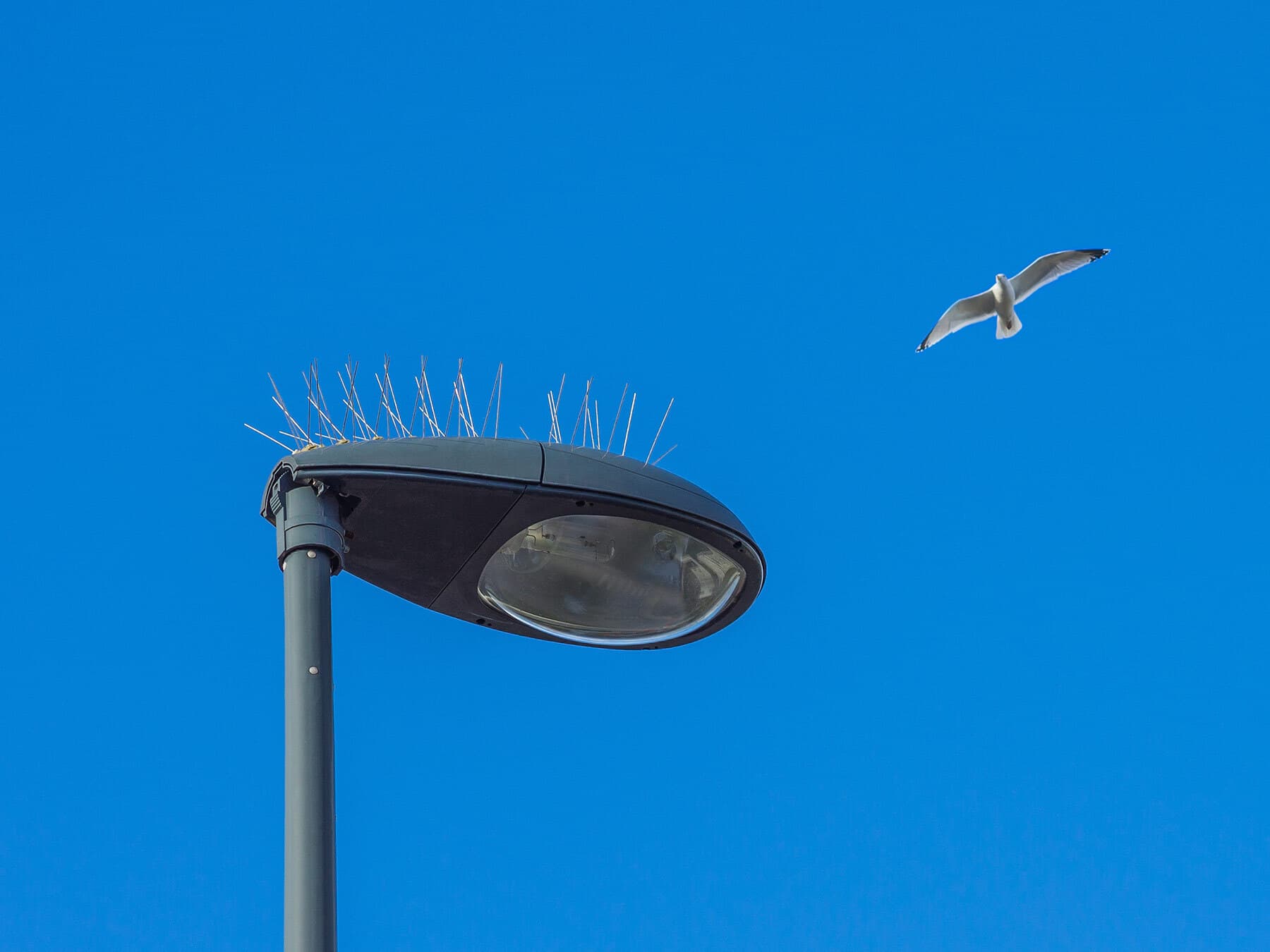
Various seagull deterrent measures exist that may be effective in preventing birds from nesting or landing in particular areas.
Seagulls are known to view owls and hawks as predators, and imitation models of these birds can be mounted on properties in an attempt to trick seagulls into thinking that they are under threat of attack.
Can you kill seagulls legally?
For a variety of reasons, seagulls may be considered a nuisance and individuals may seek ways to drive them off their property or discourage them from nesting on or visiting commercial or residential buildings.
As well as being noisy and aggressive scavengers, seagulls are notoriously messy, and their poop carries a risk of spreading diseases to humans. They are undiscerning over food choices and may carry waste from landfill sites that poses a health hazard if dropped in areas in which humans live.
S. org/2009/08/04/us-government-allows-killing-of-protected-seagulls/" target="_blank">extermination of gulls at Puget Sound ferry terminals for a number of years.
Penalties
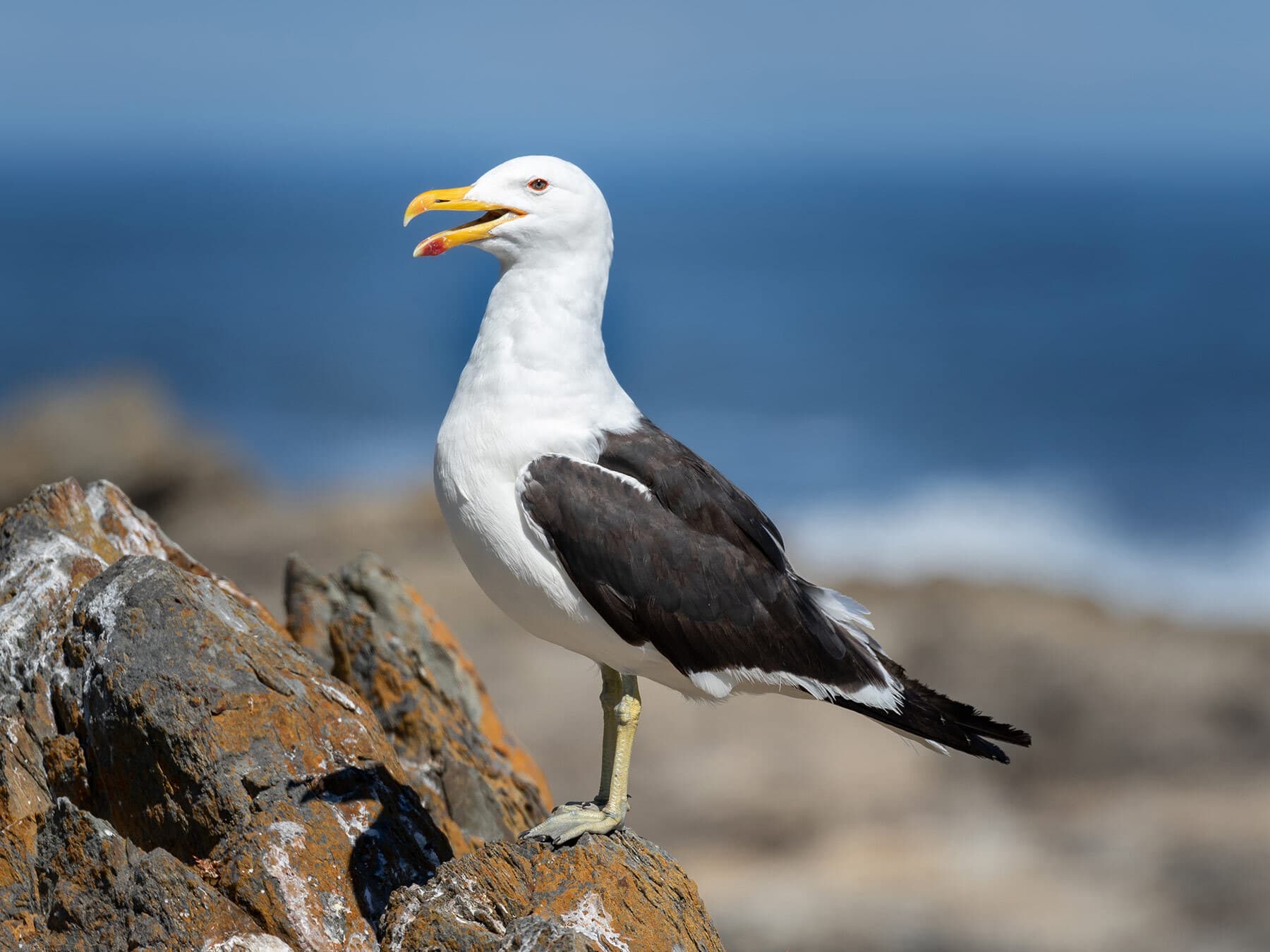
As seagulls are protected under the Migratory Bird Treaty Act 1918, killing one is considered a government offense, which is punishable in a court of law. Offenses of this type carry fines of up to $15,000 or a prison sentence of up to 6 months in jail, if prosecuted and found guilty.
Protection in every state
The Migratory Bird Treaty Act 1918 applies in all states across the US, offering protection to the birds themselves, their eggs and their nesting sites.
official state bird in 1955.
This was in recognition of the role played by the species over 100 years previously when a plague of Rocky Mountain crickets endangered the state’s crops until the day was saved by the heroic, hungry gulls who swooped in and dined out on the destructive insects.