What Do Starlings Eat? (Complete Guide)
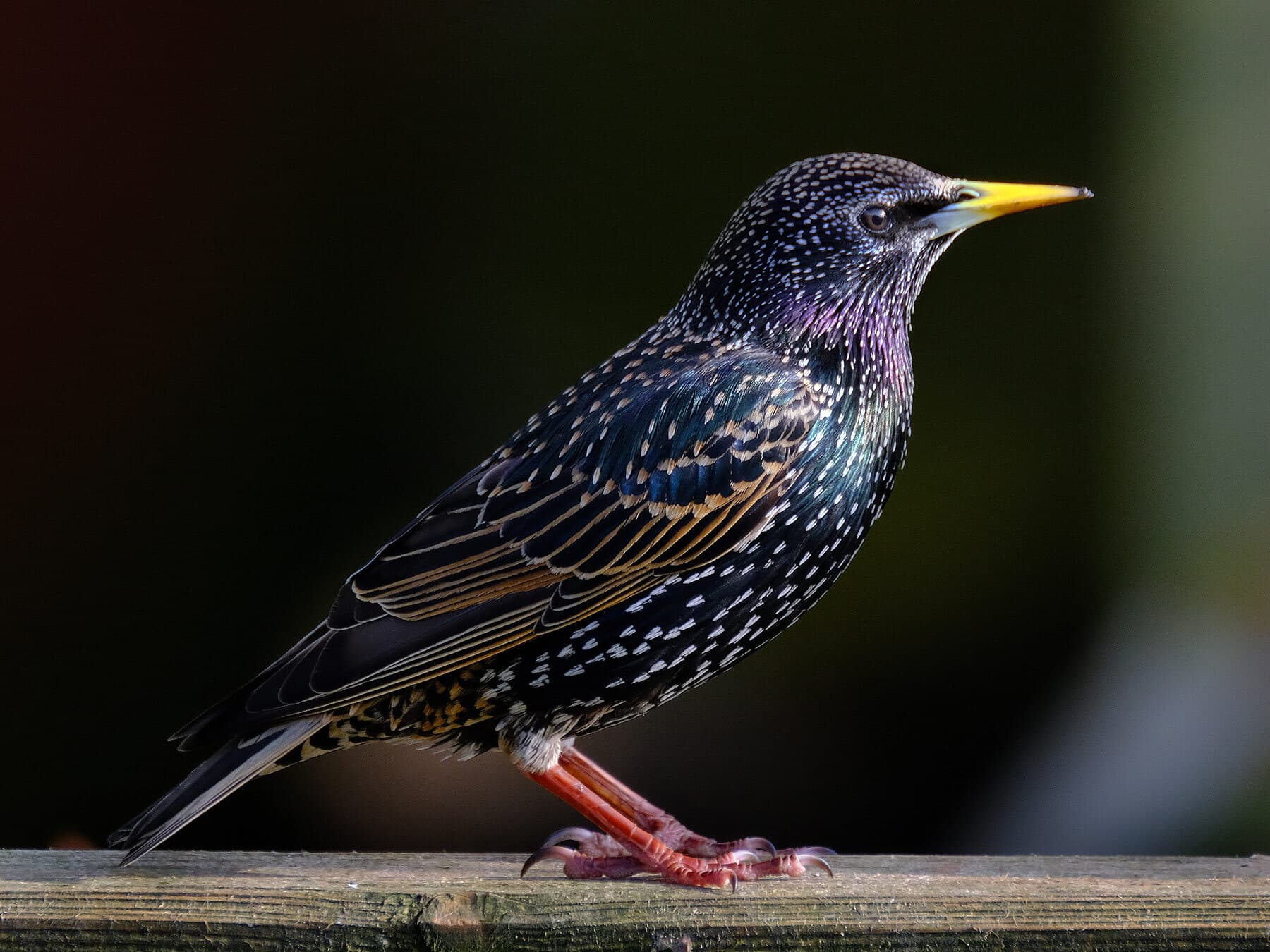
European Starlings are a very successful family of small birds that inhabit much of Europe as well as Asia, Africa and North America. Starlings are perhaps most famous for their fantastic flying displays, called murmurations, where they gather in their thousands and move across the sky in one synchronous swirling mass. Starling murmurations are considered one of nature’s most remarkable and ethereal displays.
What many people don’t realise is that starlings have a diverse and interesting diet to match their quirky behaviour, so what do starlings eat?
Starlings are omnivores that feed on seeds, nuts, berries and grains as well all manner of invertebrates, such as spiders, larvae, worms and caterpillars. This flexible diet allows starlings to make the most out of their typically diverse grassland or woodland habitats.
Whilst starlings are strictly omnivores, they do have a preference for insects. Once mature, starlings tend to have a varied diet that makes good use of their typically diverse farmland habitats. Despite their compact and diminutive size, starlings have high energy demands and need to consume quite a lot of food on a regular basis.
Read on to learn more about why starlings are omnivores and how their interesting diets match their other complex behaviours.
What do starlings eat in the winter?
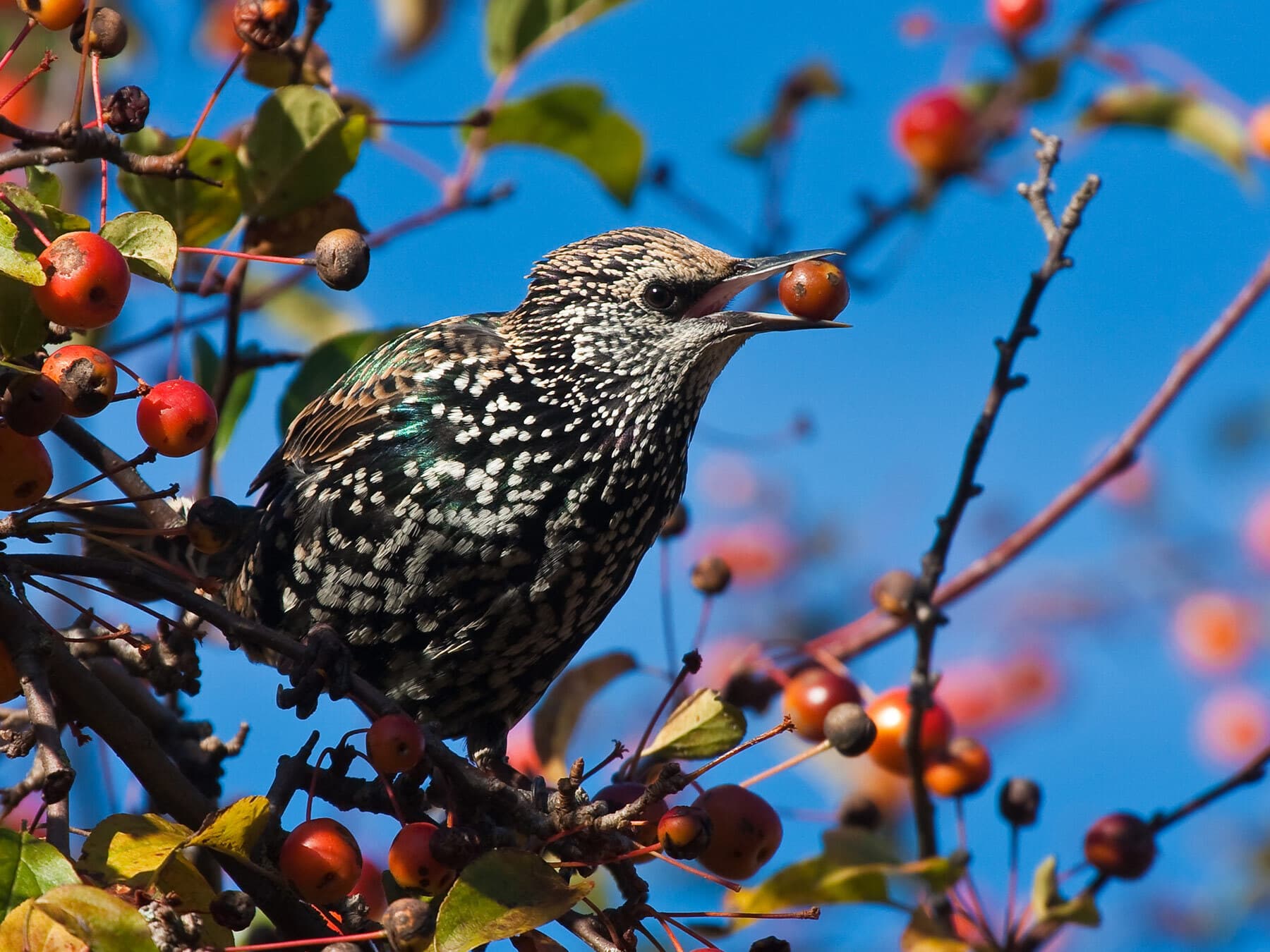
Starlings are very active and social prior to roosting in autumn, and early winter and will generally feed upon the most nutritious plant material they can find as well as almost any and all small insects.
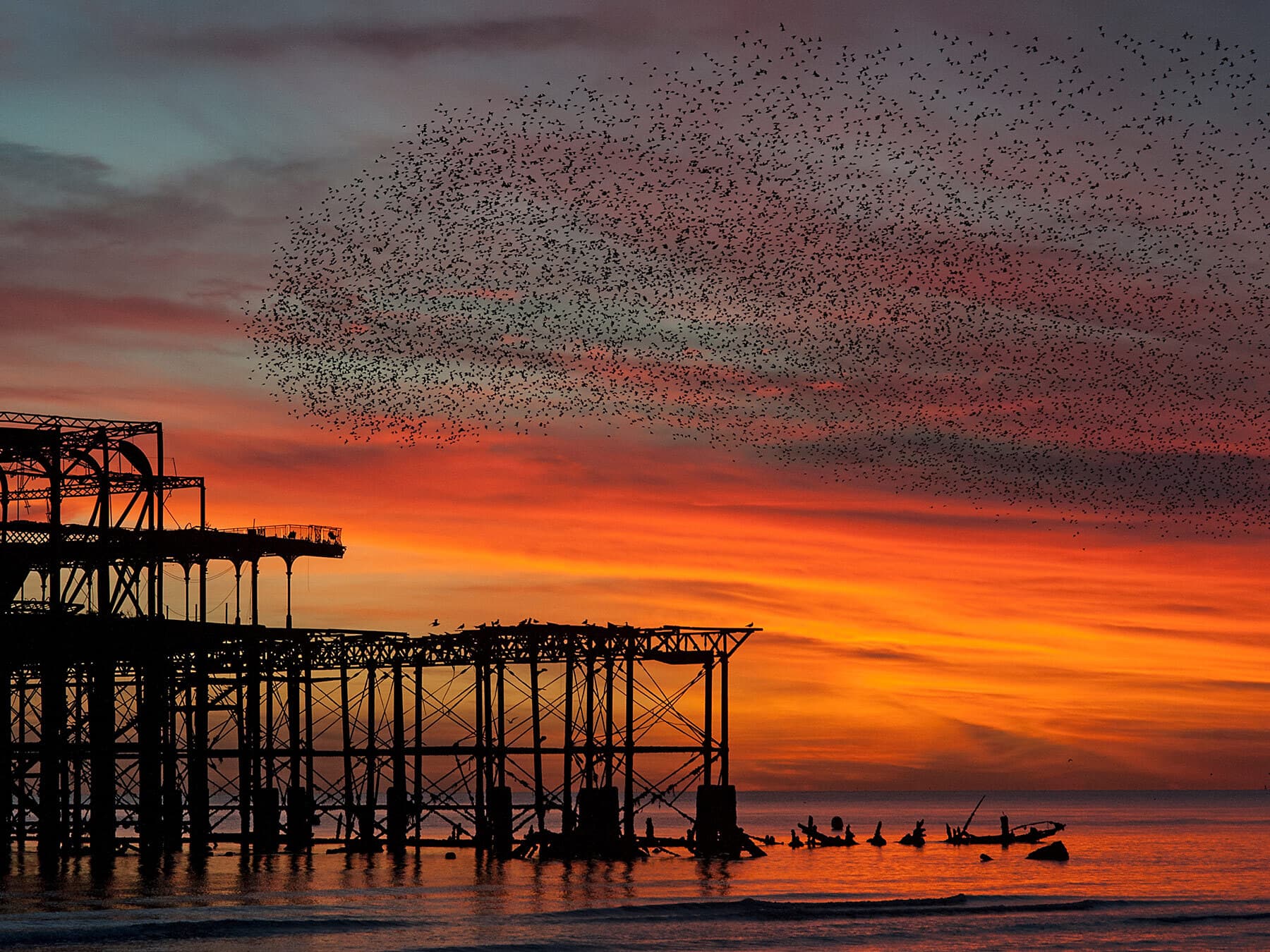
Late autumn is when you’re most likely to see a starling murmuration, typically between September and November, just before starlings drop into their roosts for the winter. When starlings gather in these large flocks, they generally feed as a group, which is why they have a reputation for devouring an entire bird feeder in mere minutes!
Starlings are world-renowned for their insatiable appetites and will feast upon everything from seeds and grains to insects all year round, including in winter. They do tend to consume more insects throughout late winter and the breeding season from early March until the end of summer. Throughout summer, starlings will also consume berries, nuts, grains and seeds. Their intestine will lengthen slightly to accommodate this more fibre-heavy diet.
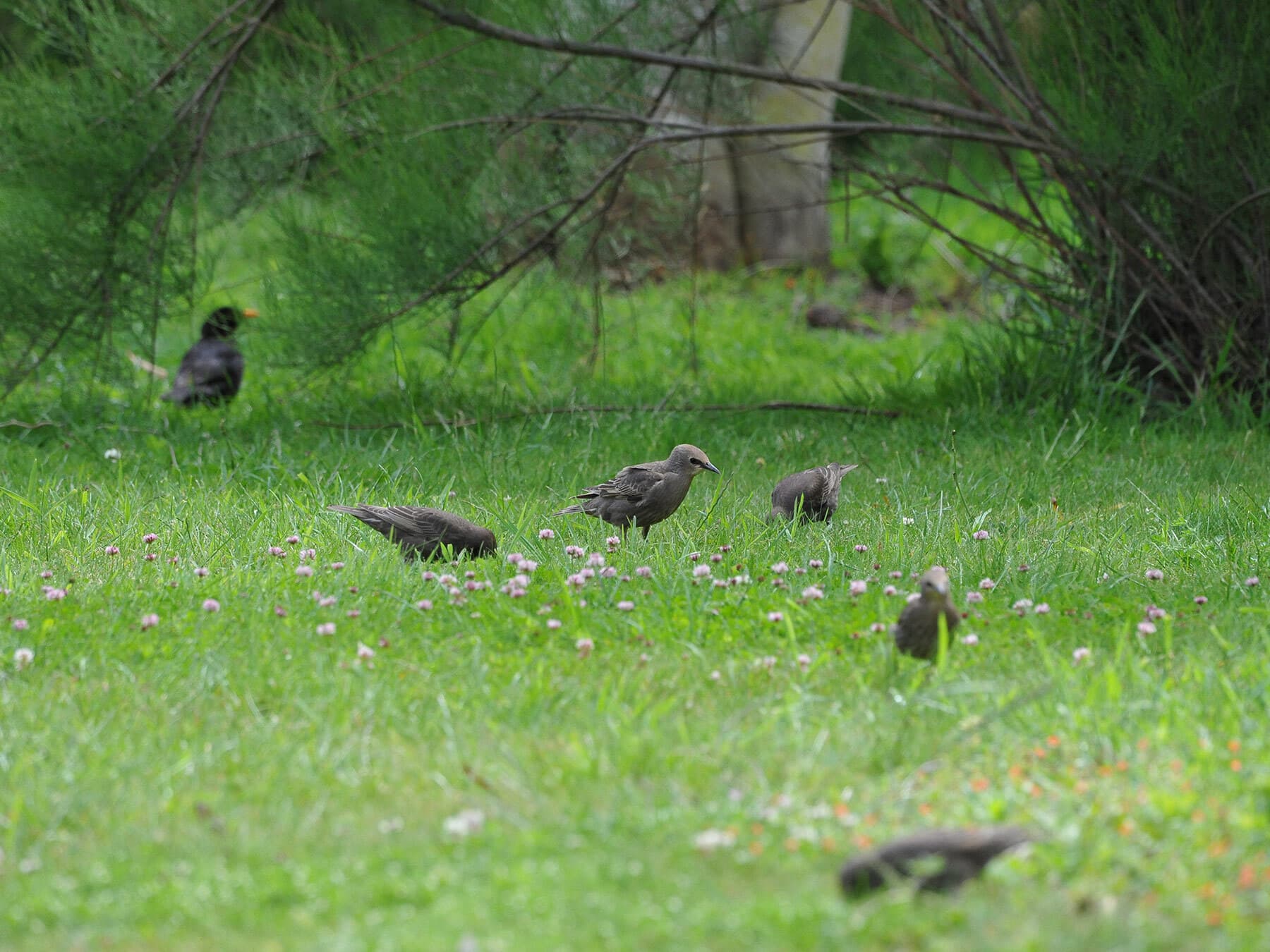
What do starlings eat in the grass?
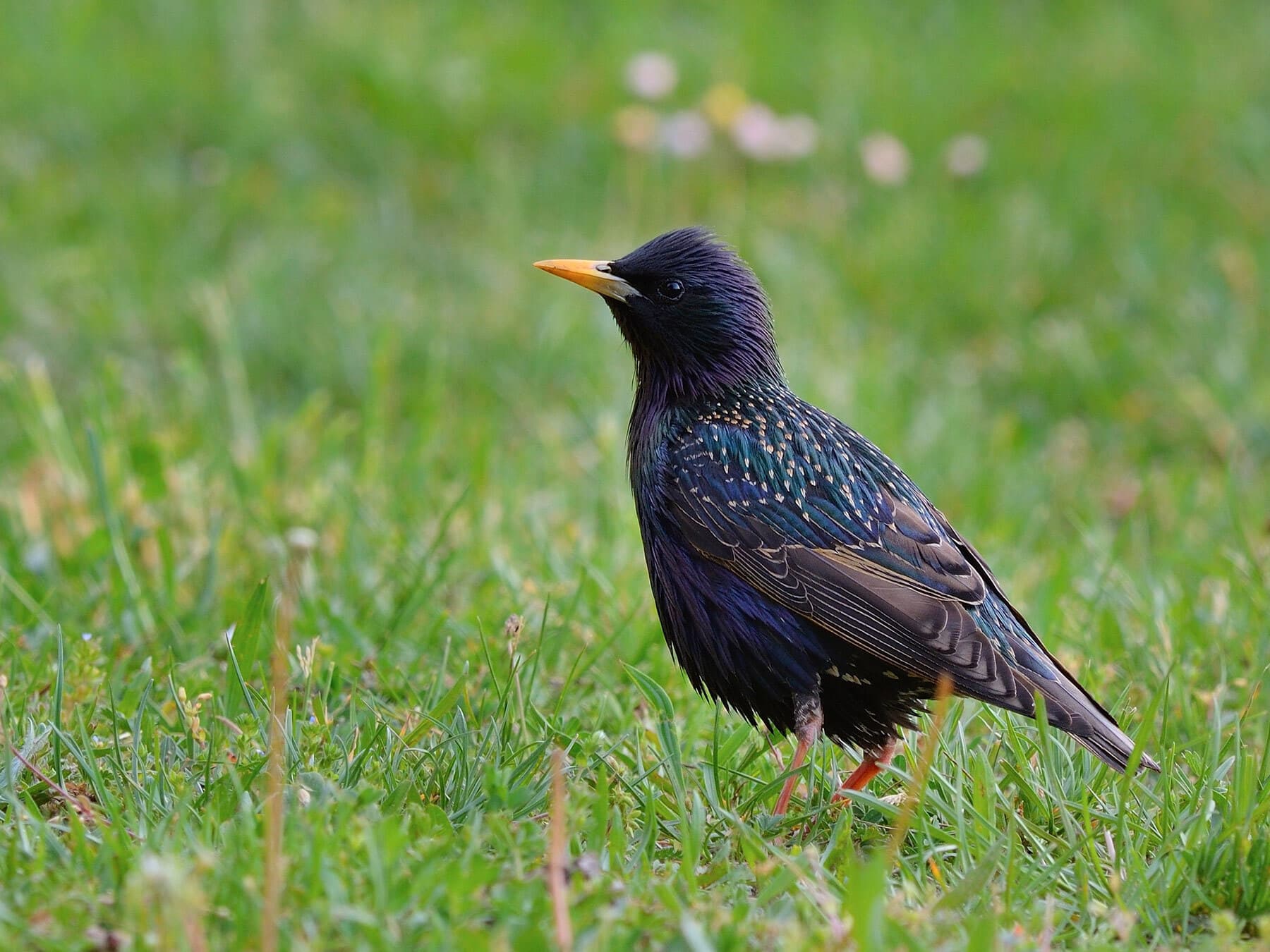
The grass contains an ample supply of worms, larvae, beetles and other insects, as well as seeds, grains and nuts. Starlings love leatherjackets (cranefly larvae) that tend to live in lawns and grasslands. Traversing grasslands is easy for starlings as they have particularly strong legs and are often seen hopping around the lawn.
Starlings seem to really enjoy wide, open and diverse environments as these provide the nutrient-dense, varied omnivorous diet that they need to thrive. Grasslands are rich in the soft types of foods that starlings love.
What can you feed starlings from bird feeders?
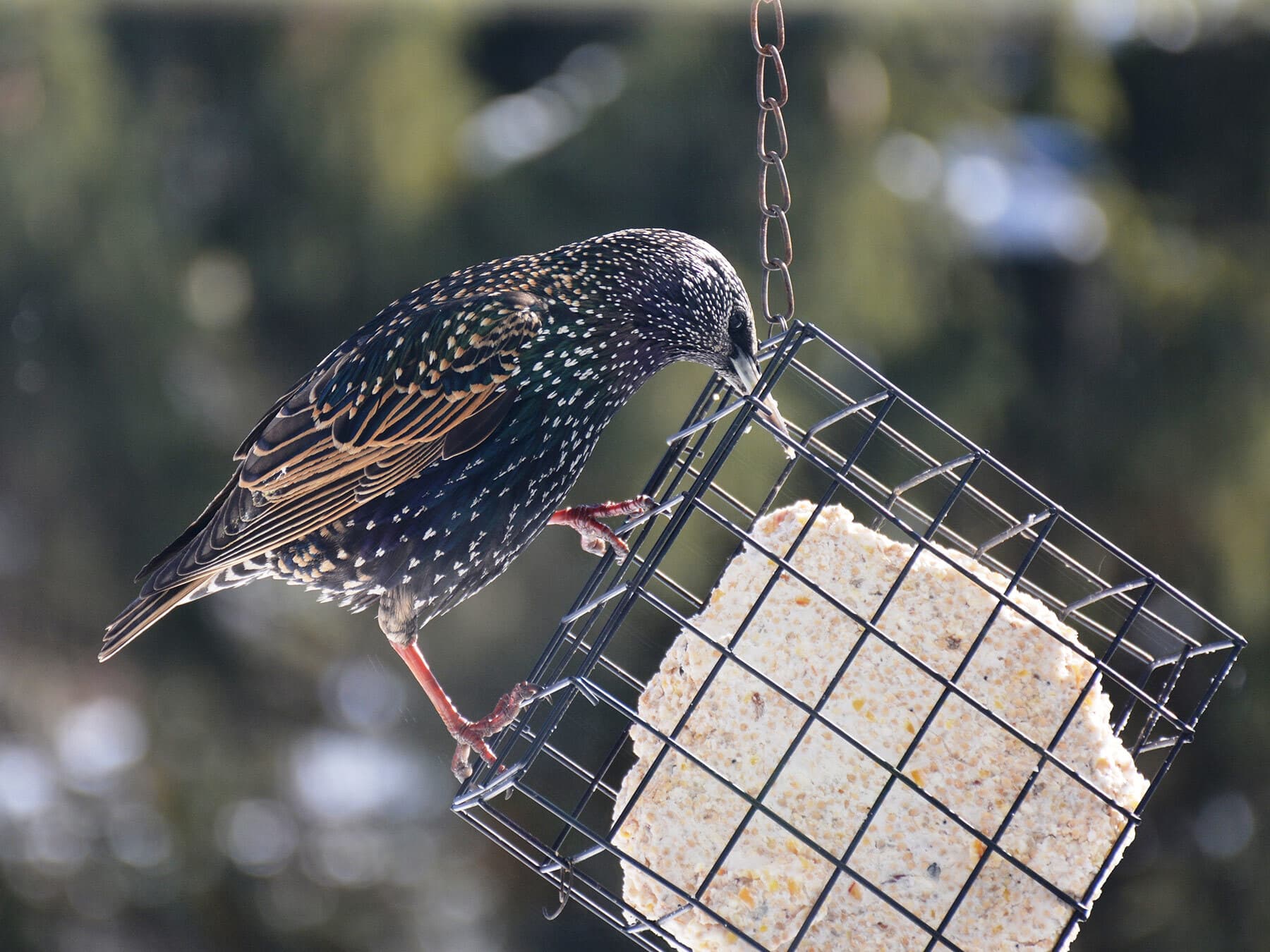
Absolutely! Starlings love a well-stocked bird feeder and ideally prefer softer grains and seeds.
Rather than attracting starlings to their gardens, many people try to keep them away, mostly because they will consume anything and everything available to them, leaving nothing left for other birds.
This isn’t a character defect - starlings have evolved to feed in flocks, and consuming vast amounts of food in a short space of time is an advantage.
For those that do wish to feed starlings from their birdfeeders, remember that starlings have fairly soft bills, so softbill mixes go down particularly well. Softbill mixes are also suitable for robins, thrushes, blackbirds and wagtails and contain a mix of soft grains, sunflower hearts, raisins/sultanas and mealworms.
Suet, mealworms, fat balls and kitchen scraps are also great for feeding starlings, but beware, a flock of hungry starlings will make light work of almost anything you put out for them, including more expensive suets or bird seed mixes!
What do baby starlings eat?
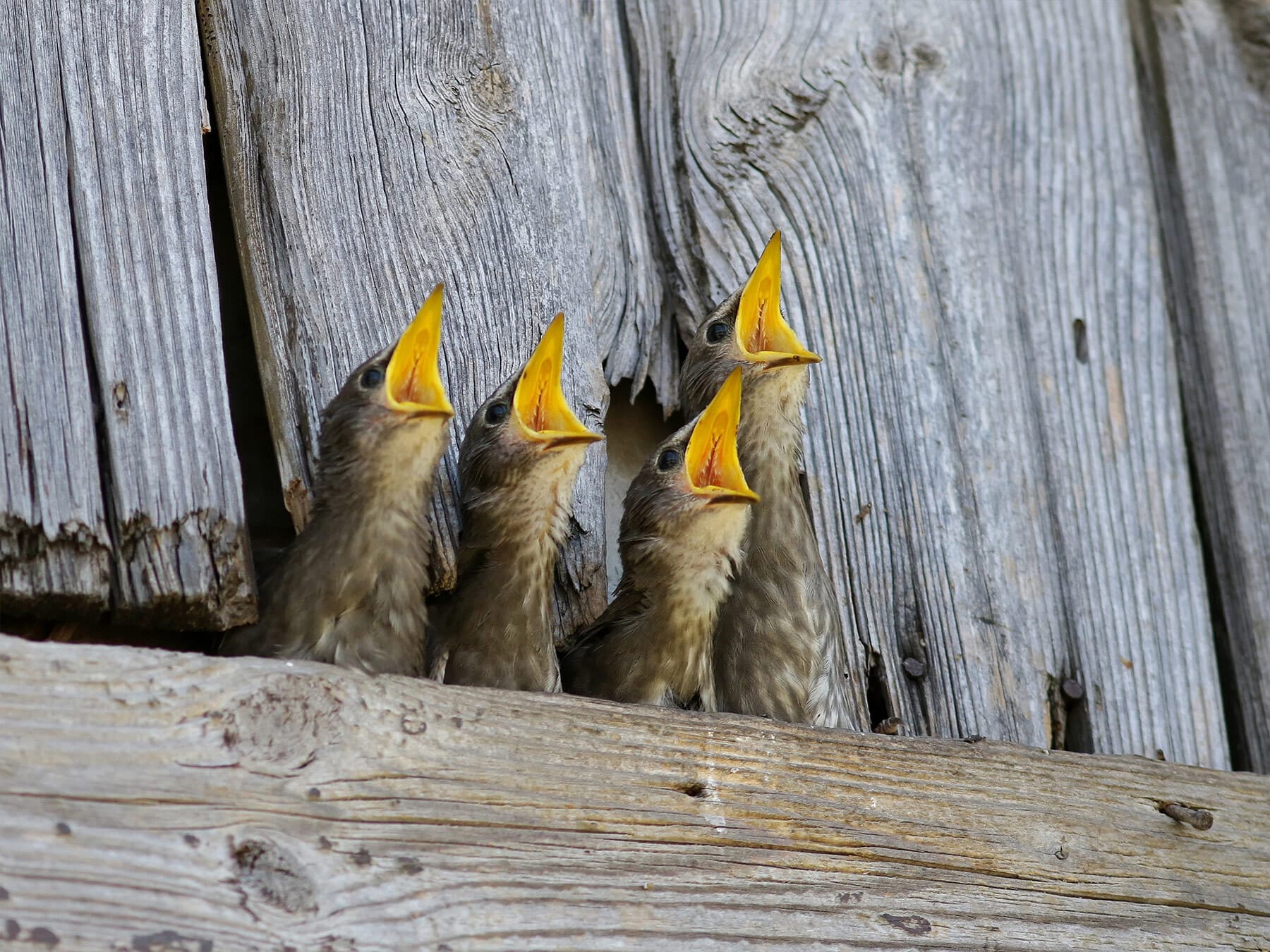
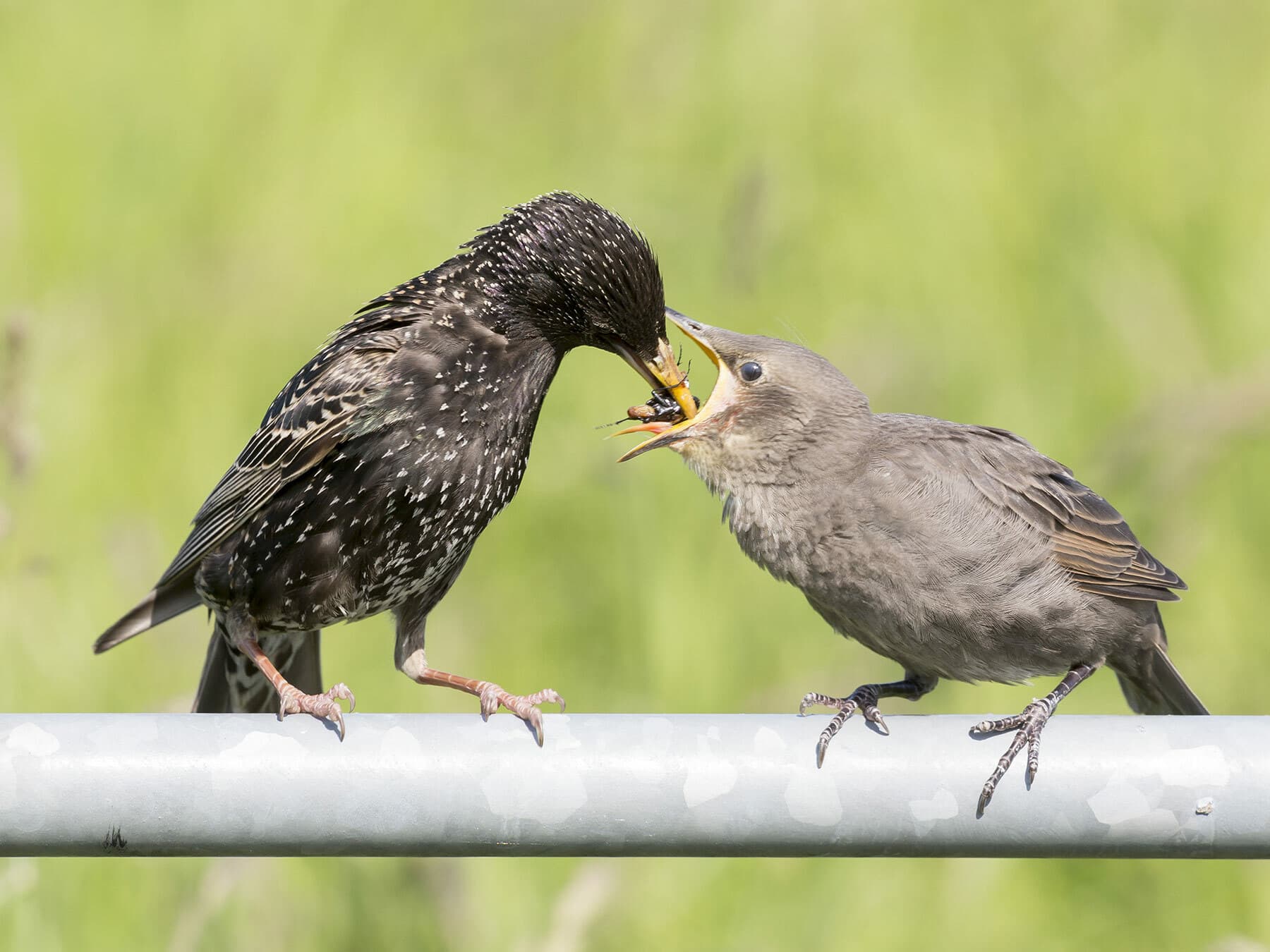
Starlings feed their babies with a mixture of small soft-bodied invertebrates, which are brought back to the nest by both the male and female. This varies depending on their habitat but comprises of beetles, caterpillars, millipedes, cranefly larvae, grasshoppers and crickets. These small items are fed to the chicks shortly after hatching, as soon as they are ready to eat. Once the nestlings get a bit older, larger insects and a wider assortment of food will be introduced.
Parents will often bring food items to the nest before the young hatch, building up a small food stock to ensure the nestlings have enough food. Generally speaking, both the male and female usually will share the feeding duties of the young.
Once young starlings fledge the nest, adults will continue to feed the juveniles for a short while.
Are starlings omnivores?
Starlings are most certainly omnivores and behave more like insectivores for a portion of the year at least. For much of the year, starlings will largely feed on insects - most likely until summer begins and seeds, grains, nuts and berries become more plentiful.
They consume a wide variety of plant and animal material and are generally unfussy, so long as they can safely eat and digest the food. Baby starlings, like many other baby birds, are not easily able to digest tough plant material as their digestive systems are not strong enough. Whilst weaning, baby starlings will be fed soft larvae and other invertebrates instead.
Once they’ve matured, starlings eat most types of small insects and have quite a varied plant diet. As mentioned, starlings are not averse to eating eggs and have been known to attack other small birds, though eating them seems rare.
The insatiable diets of starlings are somewhat limited by their soft bills, which prevent them from over-indulging on harder seeds and grains which other birds consume readily. This is why soft insects are a preference and why starlings tend to behave more like insectivores in late winter and breeding season.
Do starlings eat baby birds?
Starlings are aggressive and are well-known for driving other bird species from their habitats. Since starlings are sociable and move in large flocks, they have plenty of strength in numbers when invading other birds’ habitats. They also fight each other, typically over food. When starlings fight over food, the ensuing brawl can quite easily result in the death of a bird.
Their strong appetites do mean that starlings are generally willing to consume anything and everything they can to replenish their energy reserves. As such, they have been known to eat small eggs and may attack baby birds. They’re more likely to attack other birds to ‘shoo them away’ rather than eat them, however.
This is more of a case of necessity and food availability than anything else - so long as starlings have access to the diverse omnivorous diet they need, they will rarely, if ever, need to resort to eating baby birds.
Ultimately, starlings are still omnivores and can eat anything they can physically get their soft beak into. Most meat is likely too tough for starlings, but a hungry starling probably wouldn’t pass up the opportunity to eat a broken egg if they were that way inclined!
Associated Species
Related Articles
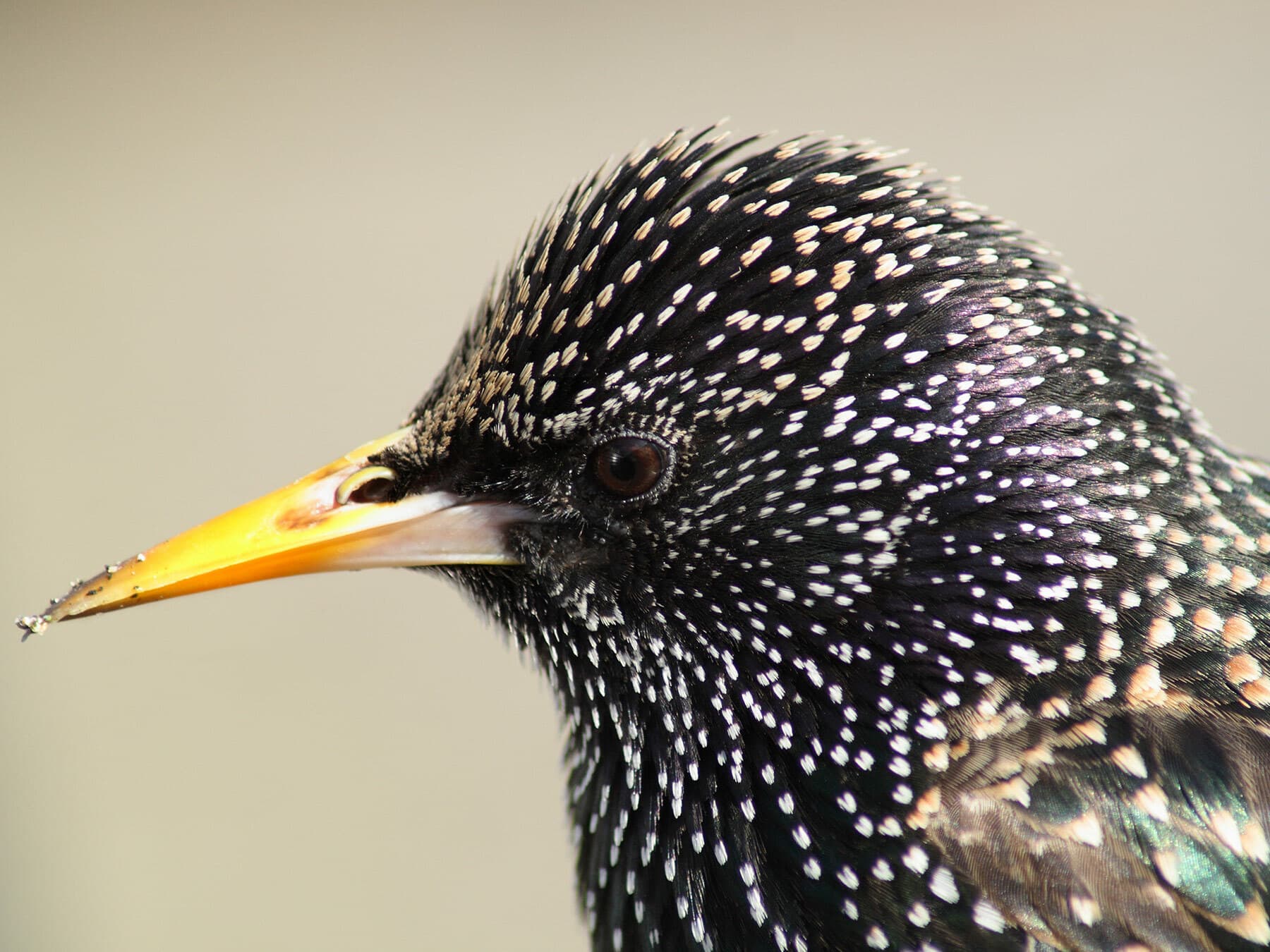
European Starling vs Common Grackle: How To Tell Them Apart
Struggling to tell a Common Grackle from a European Starling? Our expert guide covers size, plumage, eye colour, bill shape, tail length and behaviour to help you identify each species with confidence.
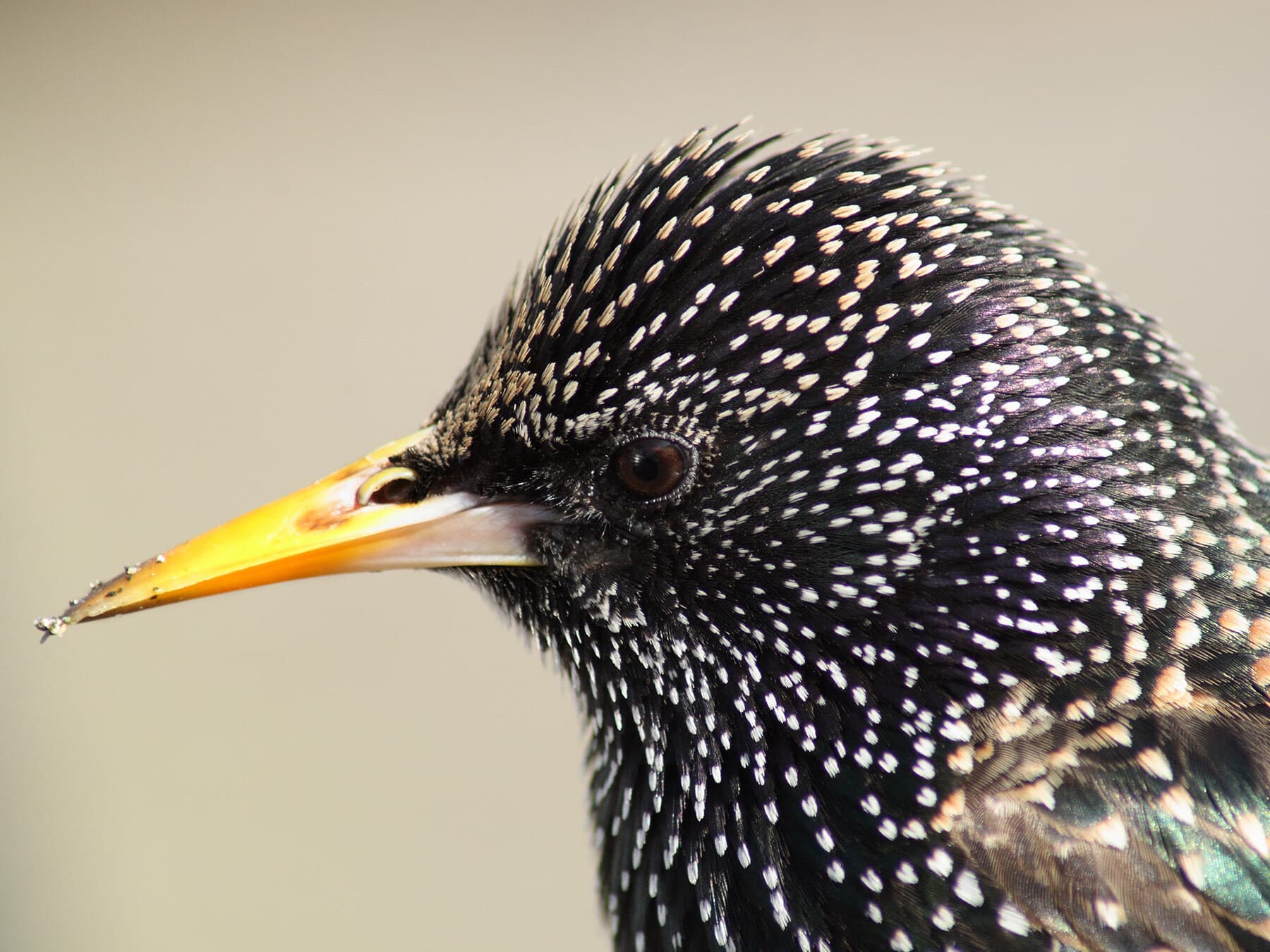
Female Starlings (Identification Guide)
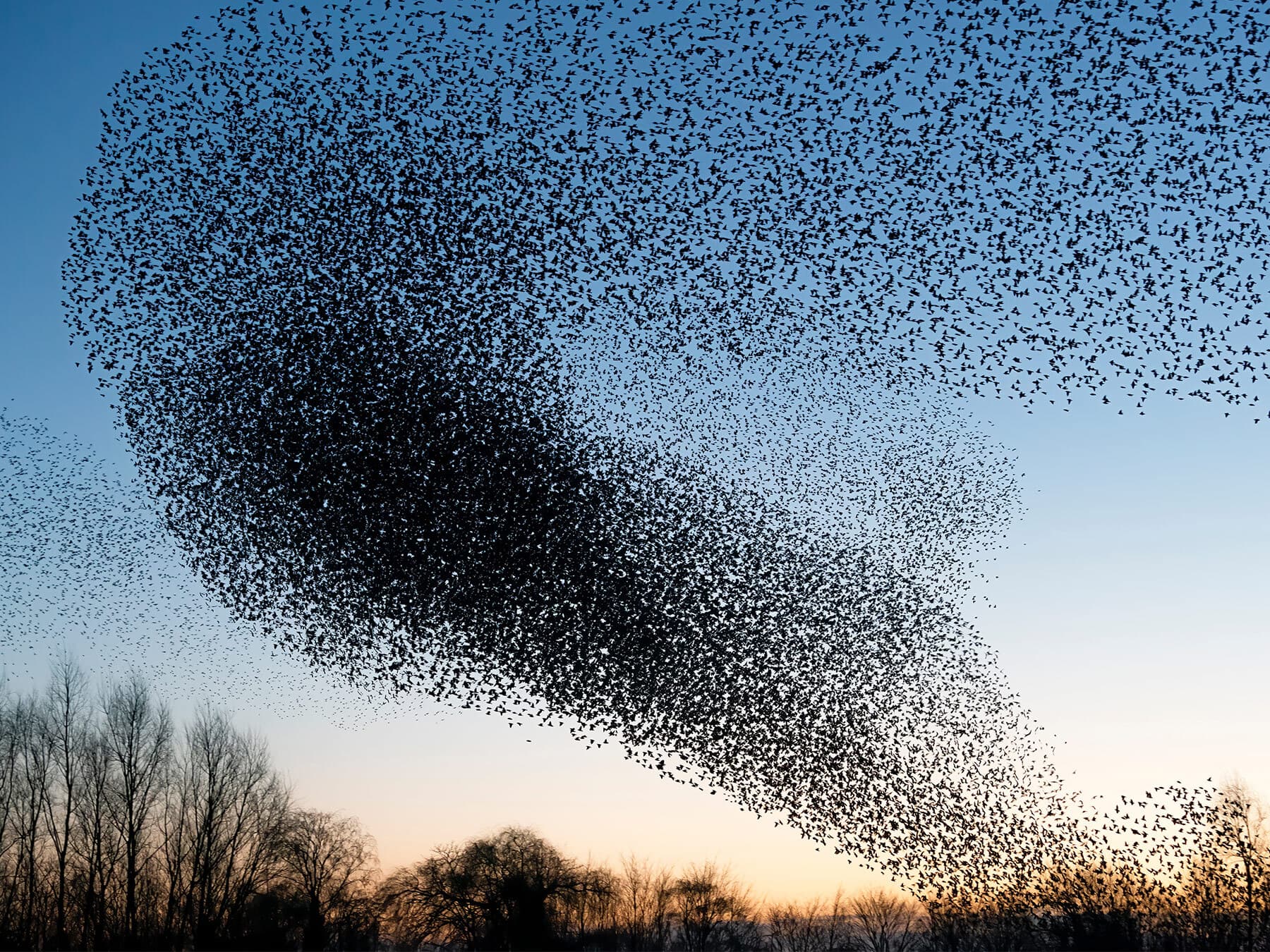
Starling Murmurations: A Complete Guide on this Phenomenon
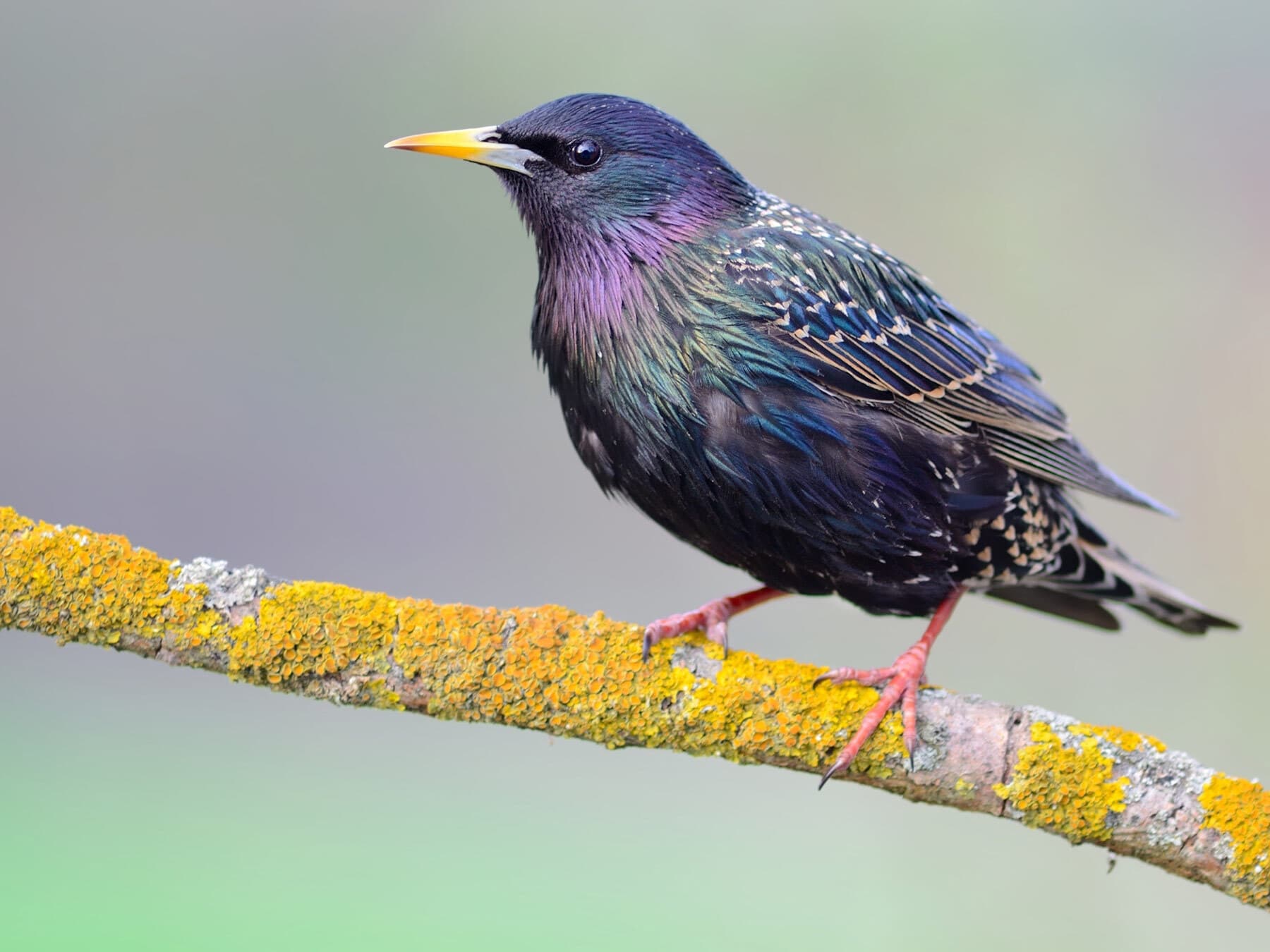
How Long Do Starlings Live? (Starling Lifespan)
Where Do Starlings Nest? Nest Sites, Boxes & Breeding Season Guide
Find out where starlings nest in the UK, from tree cavities and building eaves to nest boxes. Learn about their breeding season, nest construction, and how to attract — or deter — nesting starlings.