


African Penguin
Jackass Penguin, Cape Penguin · Spheniscus demersus
By the Birdfact teamChecked by Nathan Cope
On this page12 sections
How to recognise it
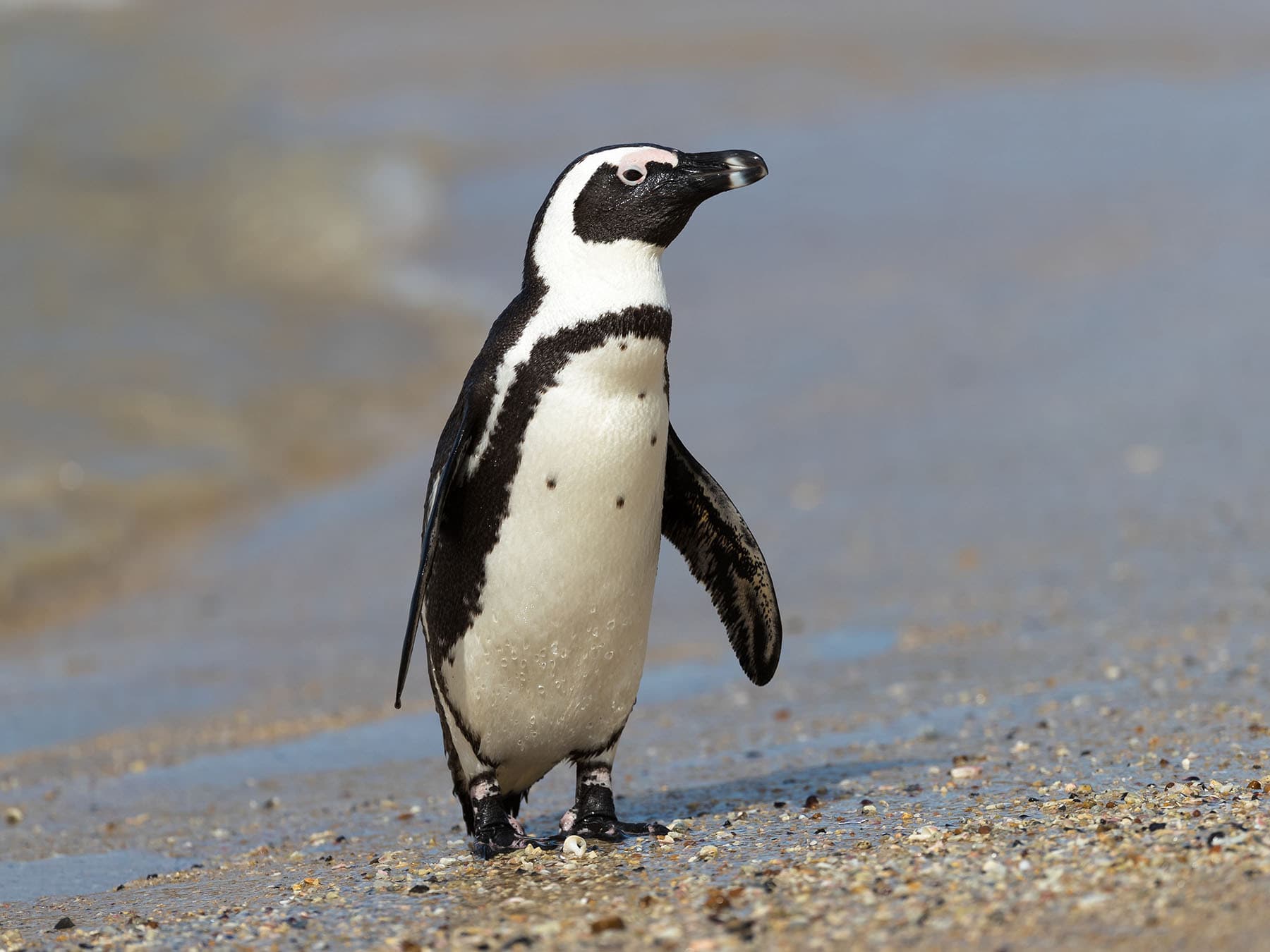
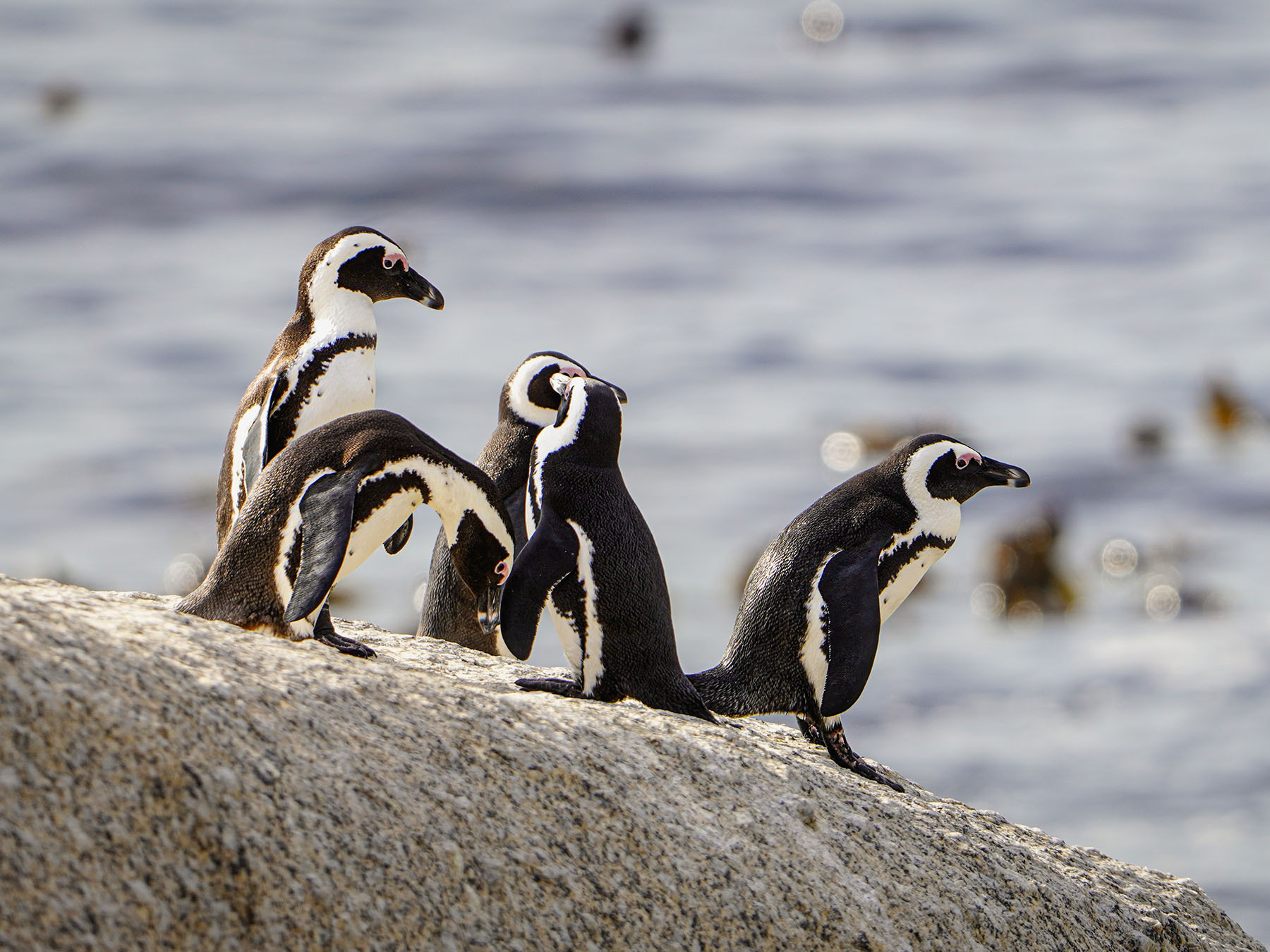
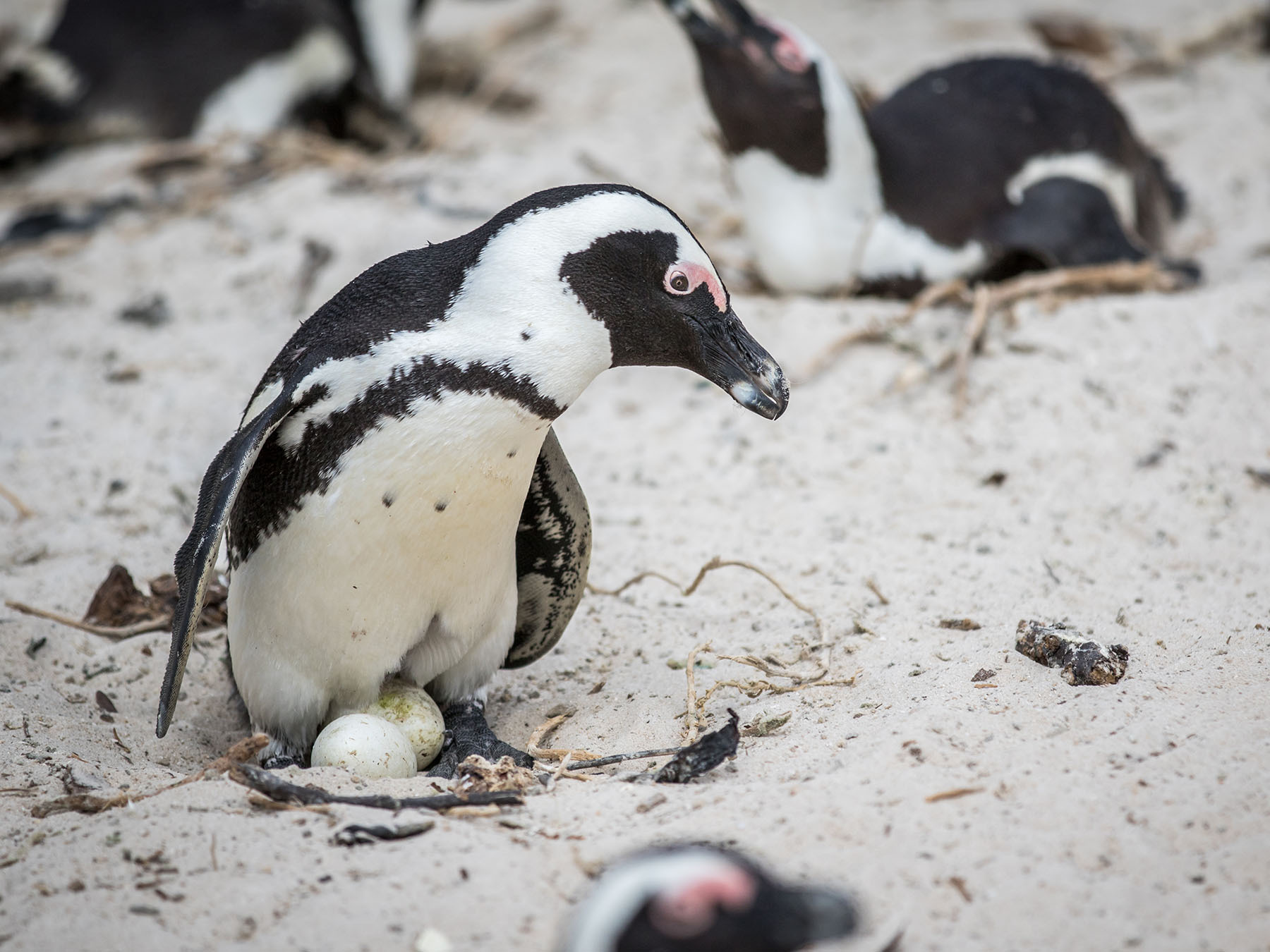
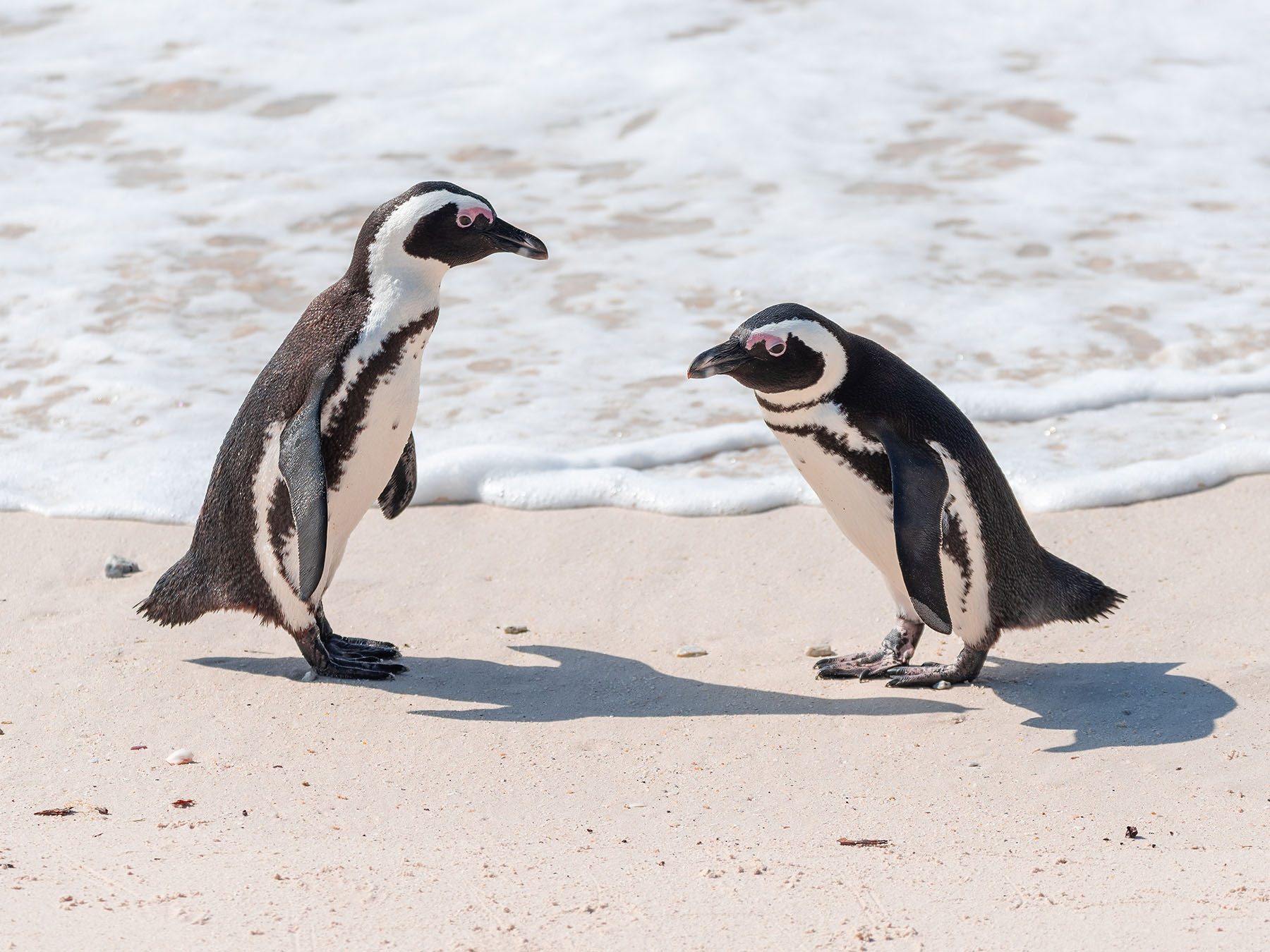
The African Penguin is a medium-sized penguin with a distinctive black and white plumage. Its back, flippers, and head are black, while the underparts are white with a horseshoe-shaped black band across the chest and flanks.
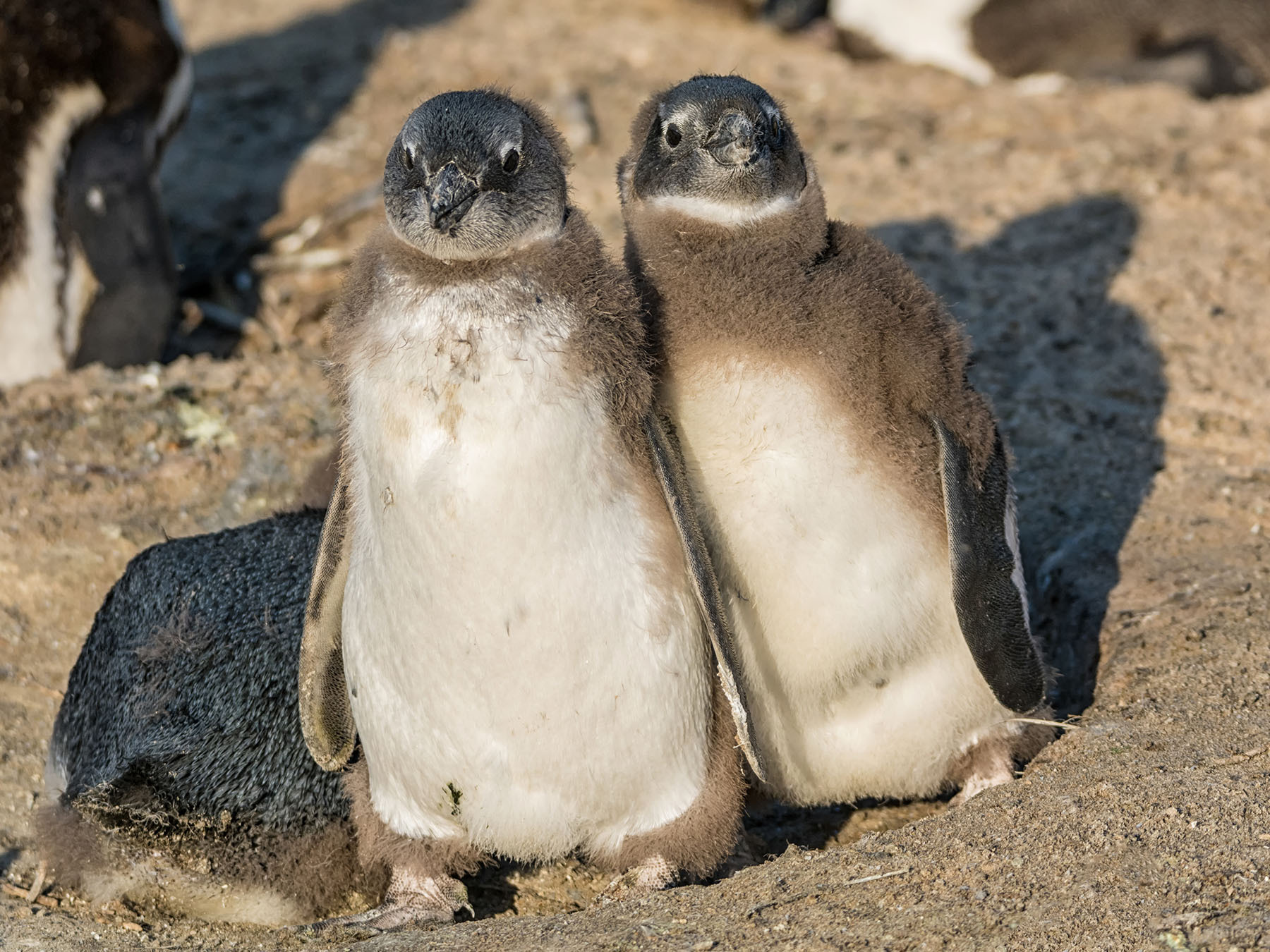
Both sexes look similar, with juveniles having a duller, blue-grey plumage. Adults have pink patches of skin above the eyes and a black facial mask. Their beak is black, with a white band near the base.
Its size
Adults- Length
- 60–70 cm
- Wingspan
- 50–60 cm
- Weight
- 2400–3700 g
Its song and calls
The African Penguin's most distinctive vocalisation is a loud, braying call that sounds remarkably like a donkey's bray, earning them the nickname 'Jackass Penguin'.
Their repertoire includes various honks, barks, and growls used for communication within the colony. During courtship, pairs often engage in a 'duet' of loud, raucous calls.
When and where to see it
The African Penguin is not recorded regularly in the UK, Ireland, the United States or Canada.
Worldwide: recorded regularly in 2 countries
Countries where it was recorded in at least 3 of the 6 years 2019–2024. Linked countries have their own bird list.
Africa (2)
Data: EOD – eBird Observation Dataset (Cornell Lab of Ornithology), accessed via GBIF.org, CC BY 4.0. Records from 2019–2024, aggregated and filtered by Birdfact. How these lists are made
Tips for seeing it
- Visit coastal areas of South Africa and Namibia, especially protected colonies.
- Look for their distinctive black and white plumage on beaches or rocky shores.
- Listen for their donkey-like braying calls, especially during breeding season.
- Observe from a distance to avoid disturbing nesting sites.
- Join guided tours at conservation areas for the best viewing opportunities.
What it eats
African Penguins primarily feed on small pelagic fish such as anchovies, sardines, and herrings. They are opportunistic feeders, also consuming squid and small crustaceans.
These penguins can dive up to 130 meters deep and stay underwater for up to 2.5 minutes while hunting their prey.
Nesting and breeding
African Penguins form monogamous pairs and breed annually, typically between March and May. They nest in burrows dug in guano or under boulders and bushes on coastal islands and mainland sites.
Females usually lay two eggs, which both parents incubate for about 40 days. The eggs are pale green-blue and roughly the size of a chicken egg.
Chicks are fed regurgitated fish by both parents and fledge after 60-130 days, depending on food availability. They remain dependent on their parents for several more weeks after fledging.
Behaviour
African Penguins are highly social, often seen in large colonies on land and in small groups when foraging at sea. They are excellent swimmers, using their flippers to 'fly' underwater at speeds up to 20 km/h.
On land, they waddle upright or hop over rocky terrain, showing remarkable agility despite their awkward appearance.
Conservation
African Penguins face significant threats, including overfishing of their prey species, oil spills, and climate change impacts on their breeding habitats.
Conservation efforts focus on habitat protection, artificial nest box provision, and rehabilitation programs for oiled birds. Despite these efforts, their population continues to decline rapidly.
Similar birds
Often mistaken for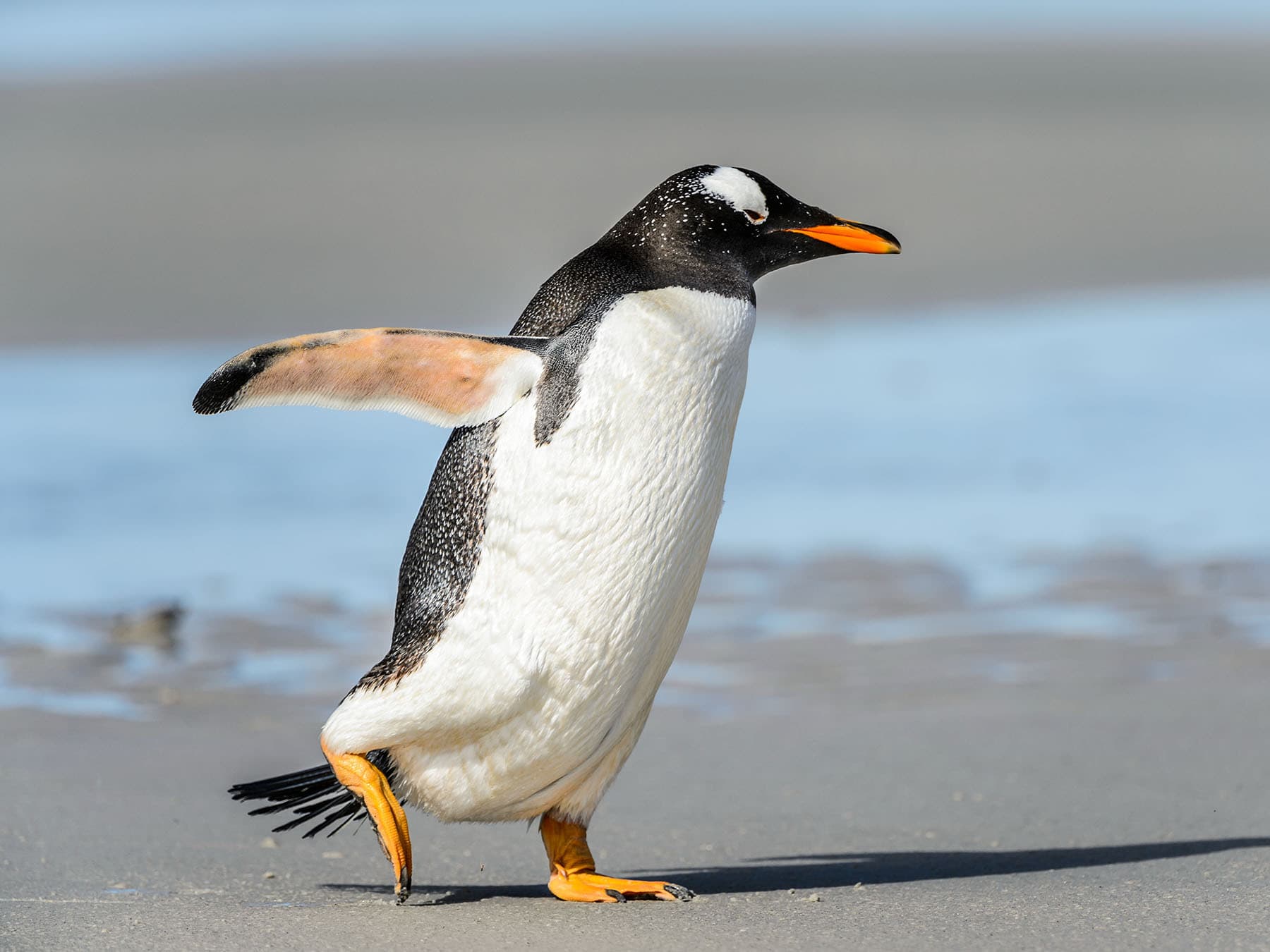
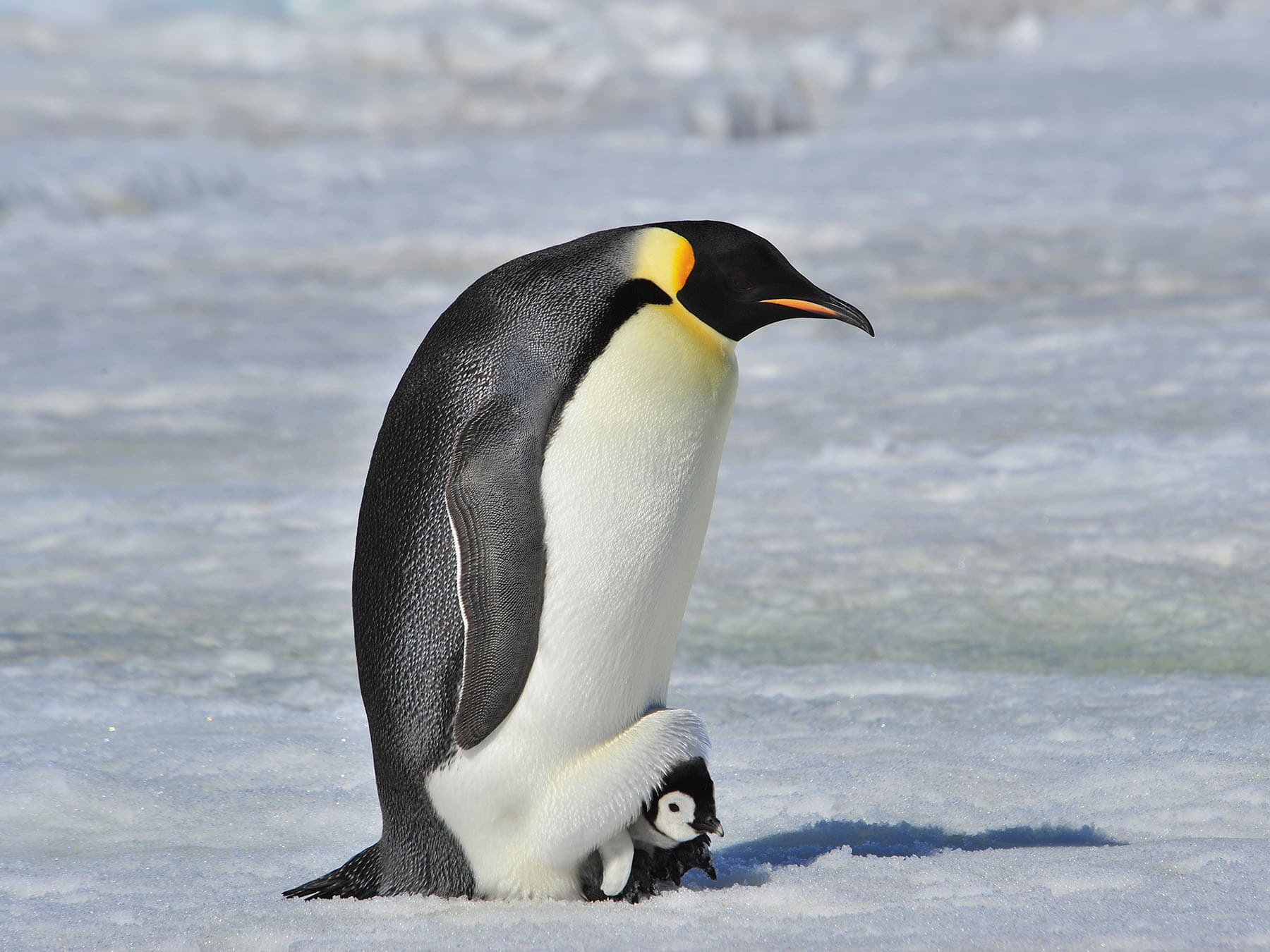
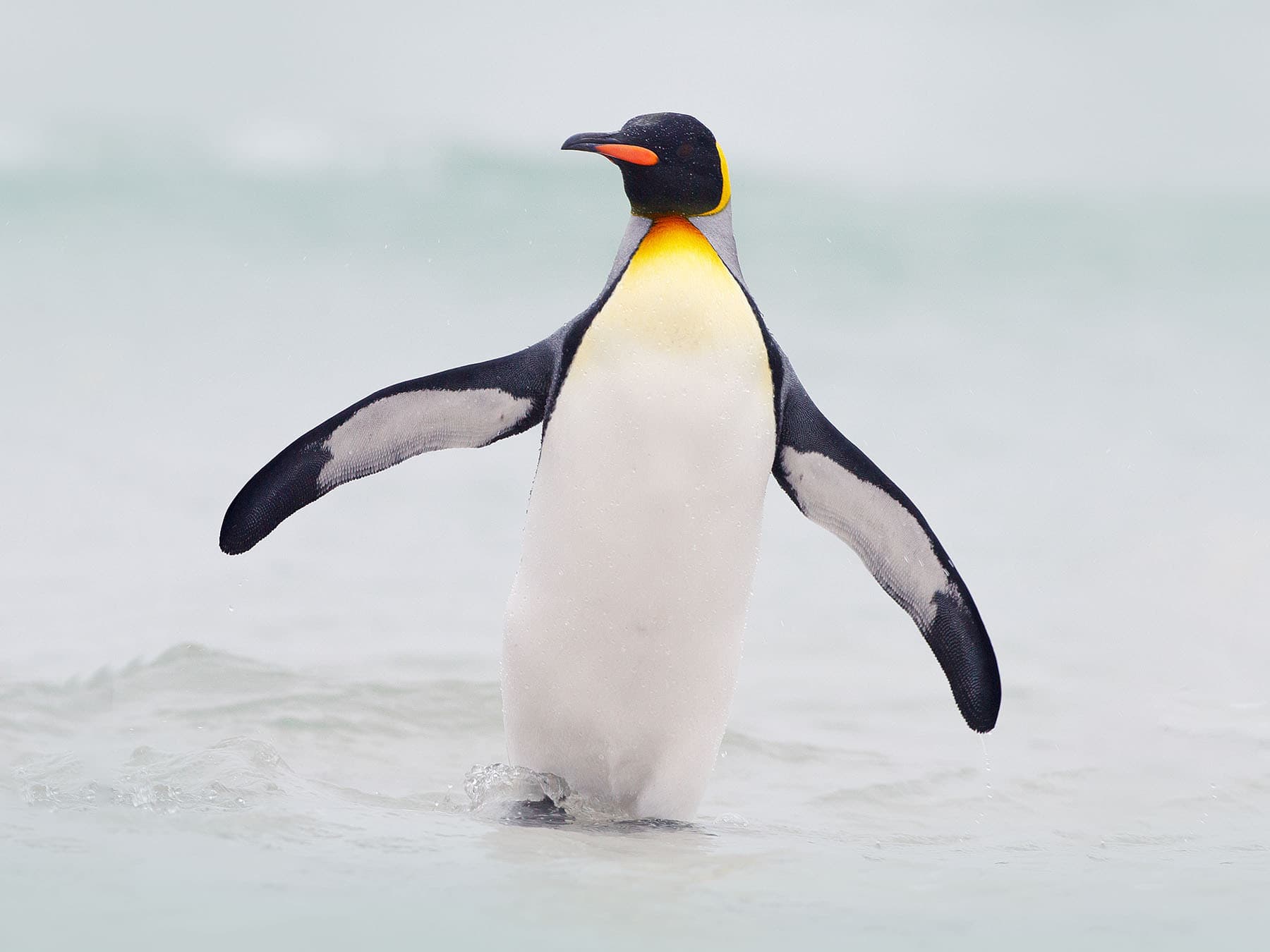
More photos
5 photos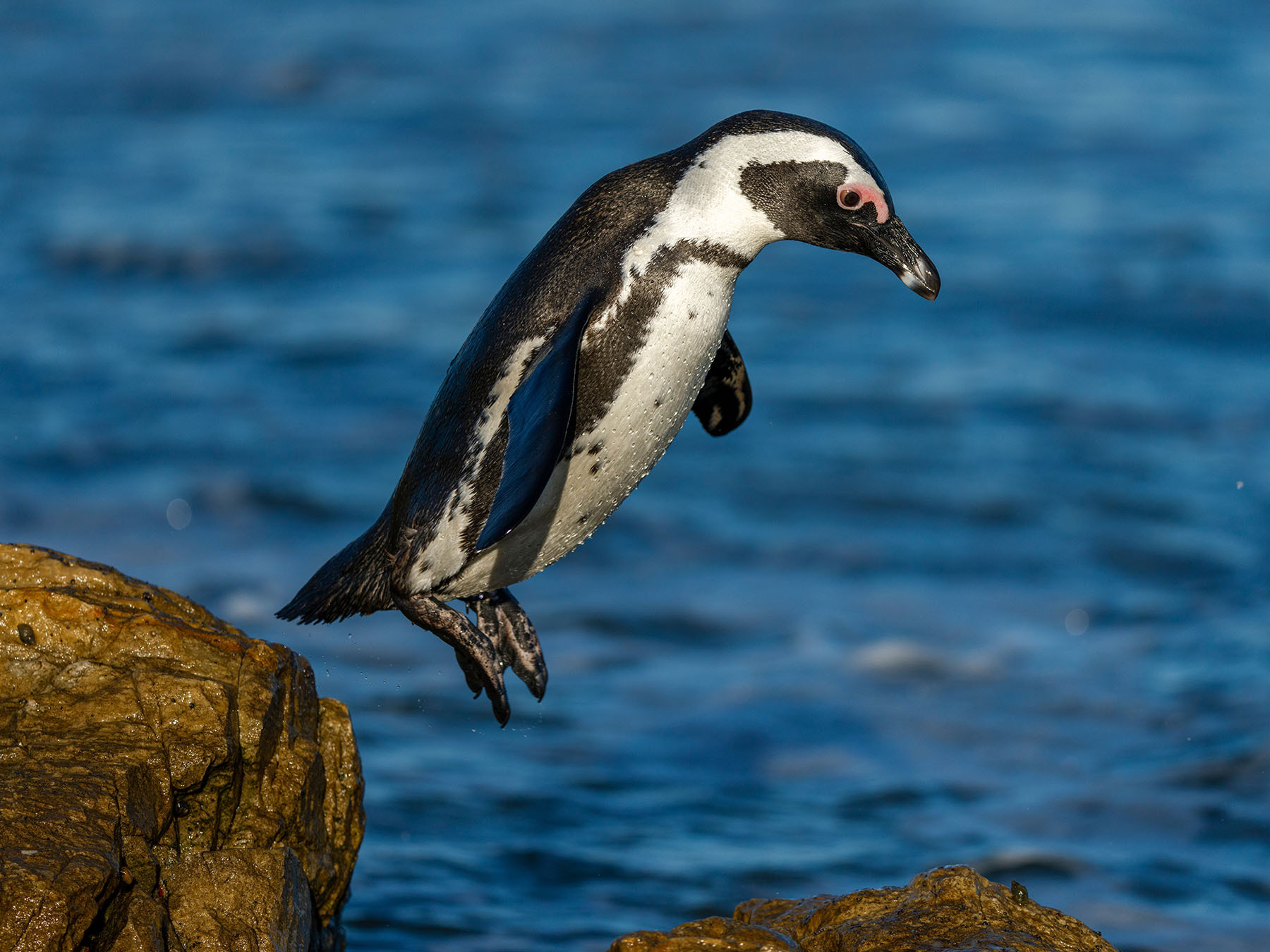
Quick facts
- Length
- 60–70 cm
- Wingspan
- 50–60 cm
- Weight
- 2400–3700 g
- Lifespan
- 10–15 years · oldest recorded 27.3 years
- Family
- Penguins
- Migration
- Resident
- Global status (IUCN)
- Endangered
- World population
- 41,700 mature individuals
- Population trend
- Decreasing
- Also called
- Jackass Penguin, Cape Penguin
- Scientific name
- Spheniscus demersus
Sources
4- 1BirdLife International. 2020. Spheniscus demersus. The IUCN Red List of Threatened Species 2020: e.T22697810A157423361. Source (opens in a new tab)
- 2Kemper 2015, Hagen 2016
- 3Sherley et al. (2019)
- 4Whittington et al., Maximum longevities of African penguins Spheniscus demersus based on banding records, Marine Ornithology, 28:81-82 (2000)

Checked by
Nathan Cope, founder and editor
Nathan founded Birdfact and leads its writers and contributors in the UK, the US and Canada. He has watched and studied birds for more than ten years, and checks every article and species guide before it’s published.