Facts · Updated 8 Oct 2026
Why Do Birds Stand On One Leg?
By the Birdfact teamChecked by Nathan Cope
On this page7 sections
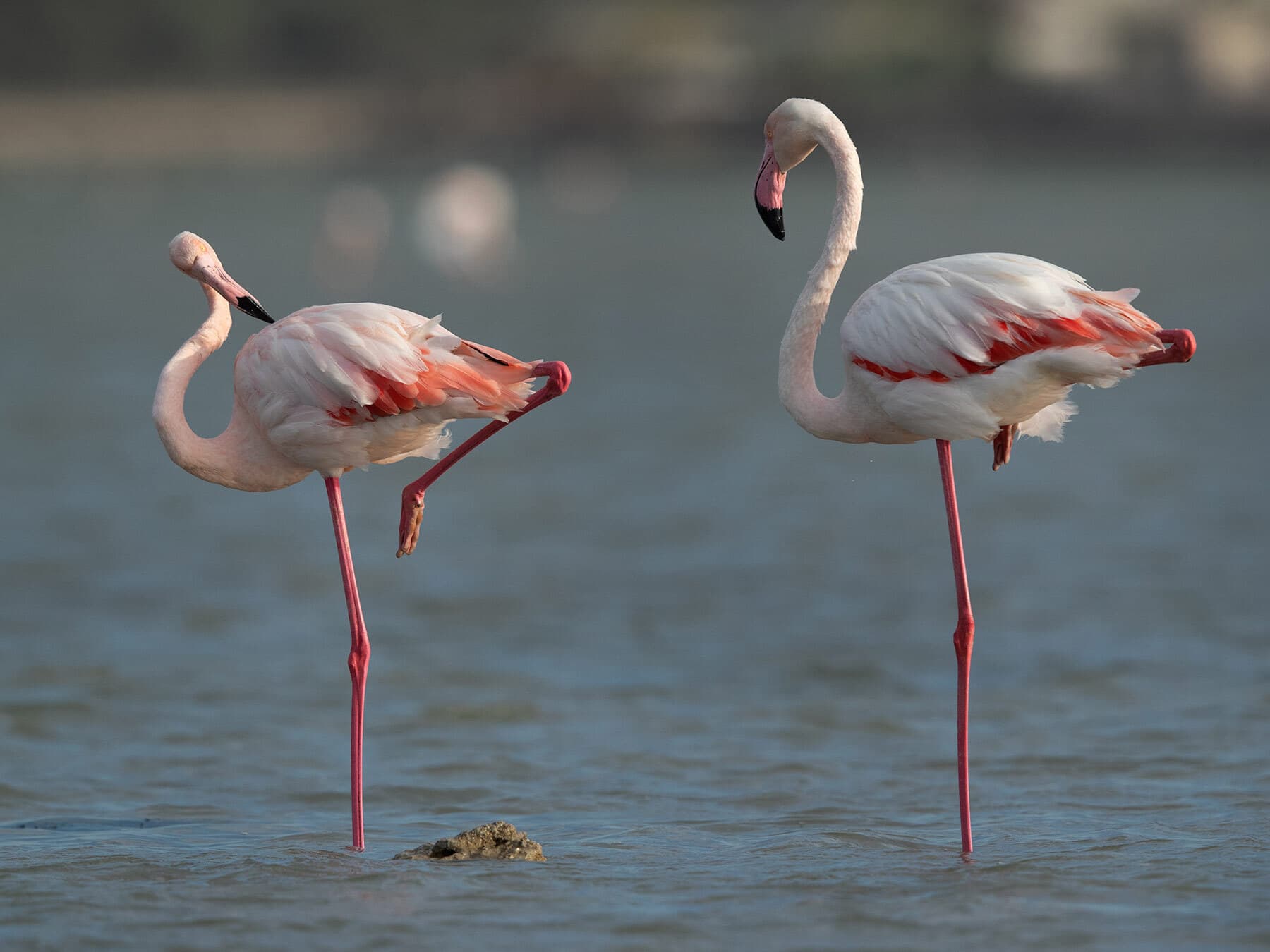
Think of a bird that is known for standing on one leg, and many people’s first answer will be a flamingo. But have you ever thought about why it is often seen in this pose and whether all birds share this highly developed sense of balance?
Keep reading to find out more about why unipedal birds may choose to stand on one leg in preference to sharing their body weight between both feet, as we attempt to answer the question of just why do birds sometimes stand on one leg?
A birds’ legs and feet are its only body parts that are not covered in feathers, and therefore the only part of their body from which heat can escape. In winter, standing on one leg stops additional warmth from leaving the body, reducing the surface area exposed to the air by half.
As well as the benefit of conserving body heat, it is believed that standing on one leg may be used by birds as a means of camouflage, both to protect themselves from predators and to enable them to remain hidden when hunting for prey.
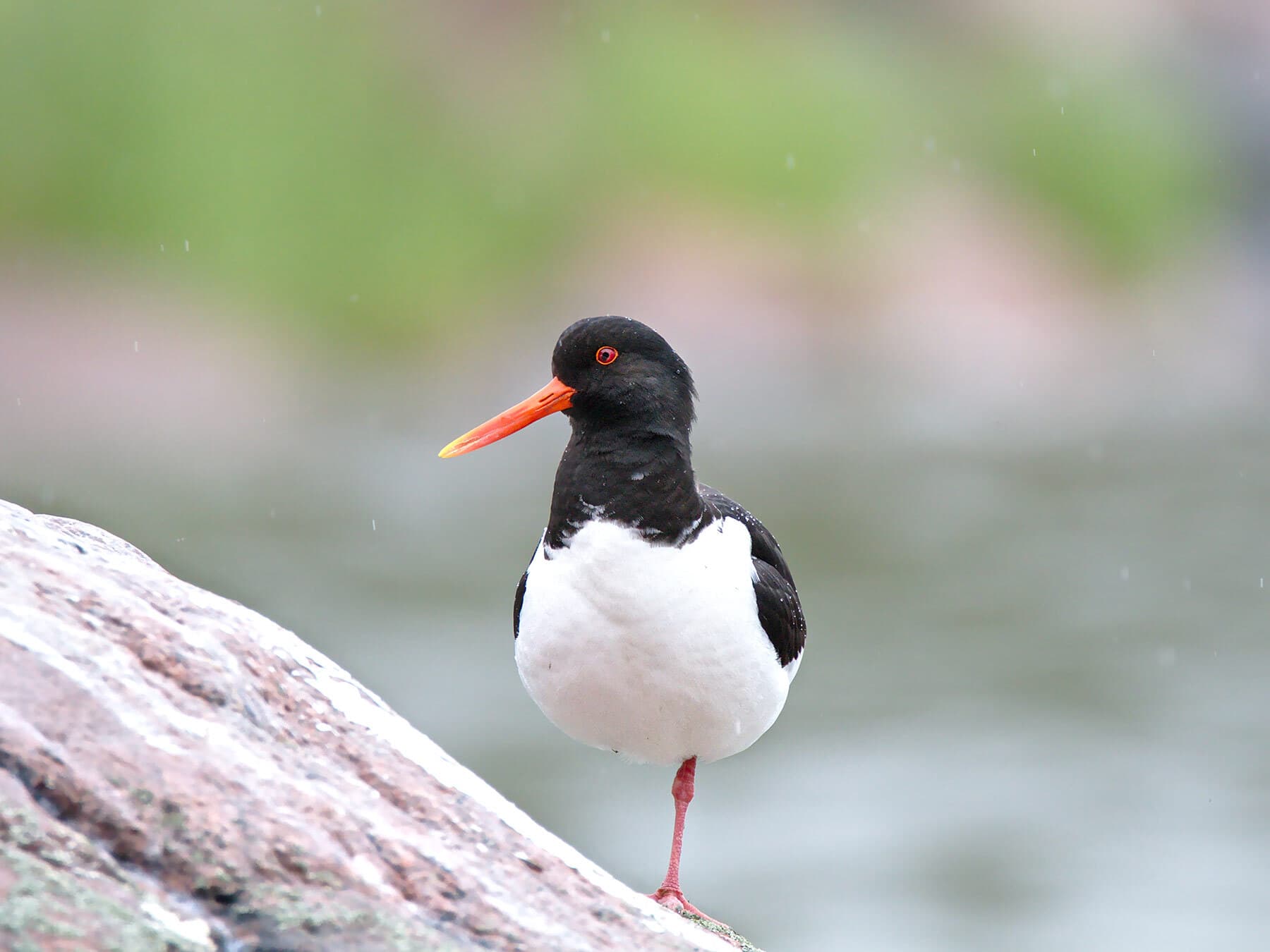
Standing upright is a tiring business, especially when legs are as long as a stork, heron, or flamingos, and even more so if the pose needs to be held for a substantial period of time. If one leg is used at a time, it reduces muscle fatigue and allows the non-used leg to rest. This theory may explain why this stance seems to be the go-to option for a resting flamingo, stork, or heron.
Birds that stand on one leg
Perhaps the bird most famously associated with standing on one leg is the flamingo. But flamingos are by no means the only birds that possess – and regularly use – this fine art of balance.
From birds of prey and owls, to pigeons and parakeets, many birds can stand on one leg without overbalancing, and spend long periods of time in this stance. Storks, egrets, and many species of ducks and geese are regularly seen standing one one leg, and often even sleep in this seemingly lopsided pose.
Birds that cannot stand on one leg for long periods of time seem to be in the minority, and include heavier birds, such as chickens and turkeys, who may only be able to sustain such a pose for a matter of minutes.
When they do it
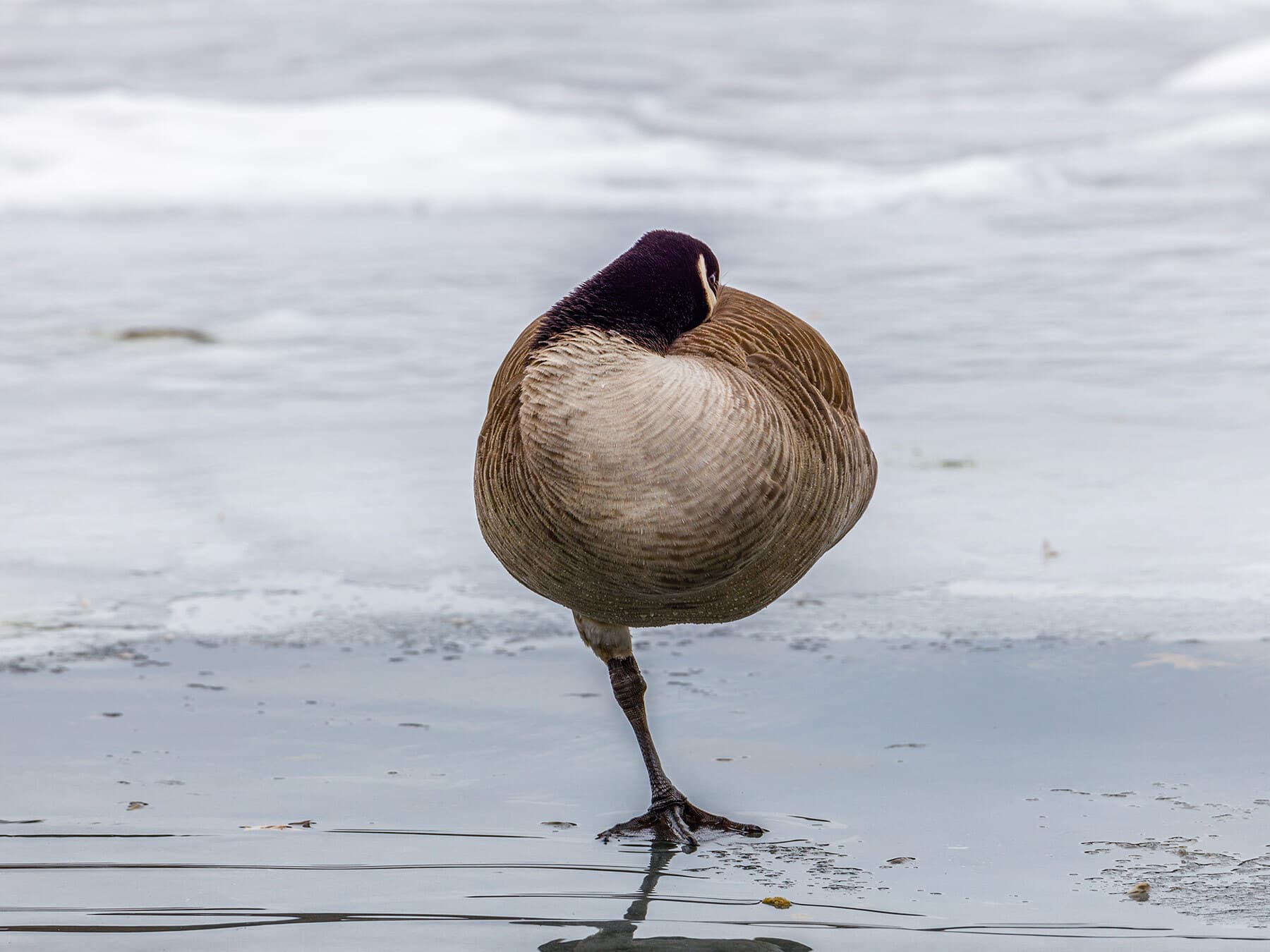
In winter, it is common to see fluffed-up birds standing on one leg, particularly when temperatures drop. Research shows birds regularly assume a one-legged stance in colder temperatures, but switch preference to two legs on hotter days.
Water birds are more frequently seen standing on one leg than birds that spend most time on land, with 80 percent of birds observed in water noted to spend time on one leg rather than both.
Loss of body heat in water is greater than purely in air, and if a bird stands in water on two legs, this doubles the body area from which heat can escape.
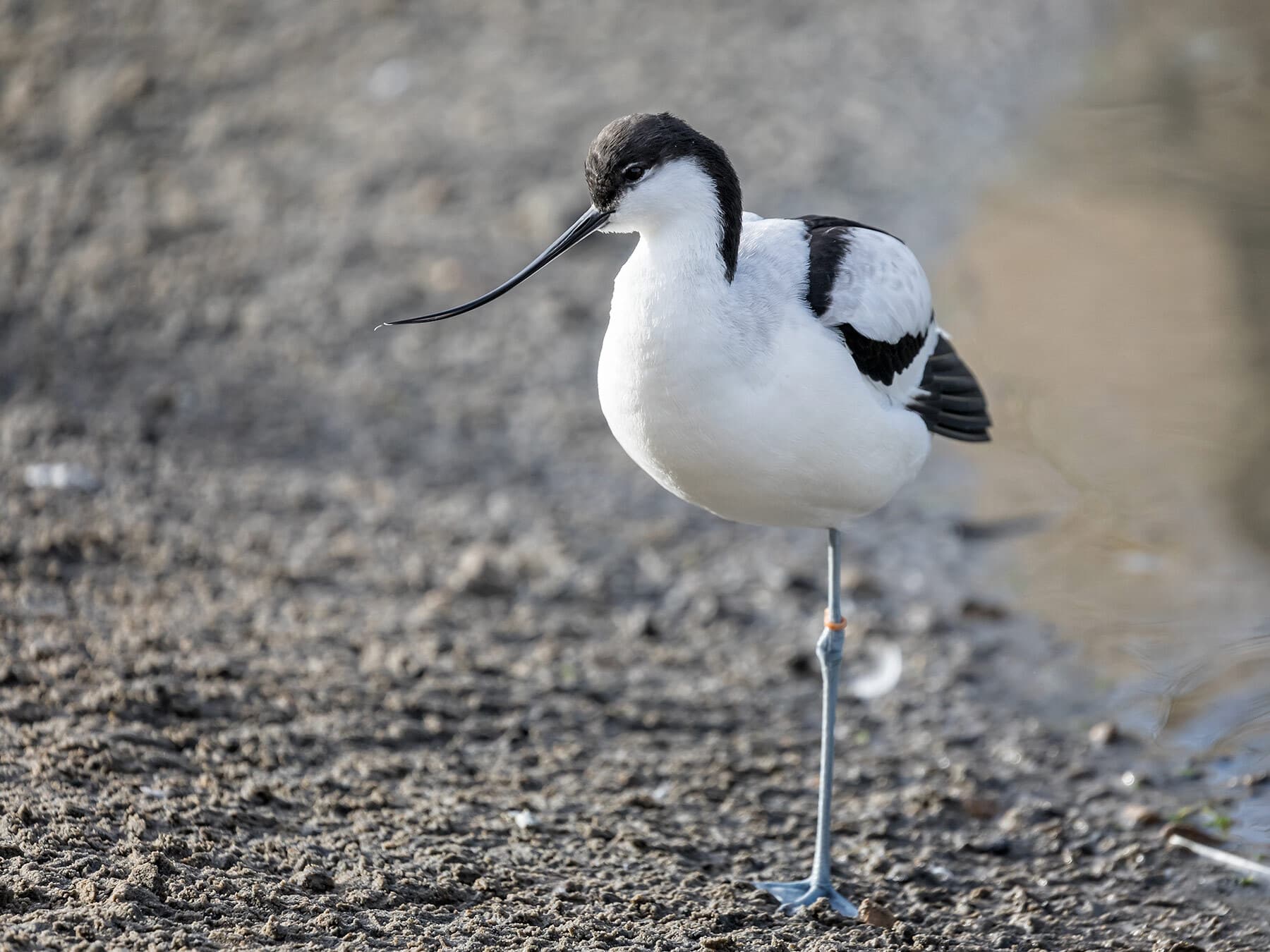
Wading birds and long-legged waterfowl may stand on one leg when preparing to hunt or dip into water for prey, relying on their stance to help them remain undetected. By balancing on one leg, a bird may blend into its ; surroundings more seamlessly, with the leg being mistaken for the stem of a reed or a branch by aquatic prey. Two parallel “stems” may be less convincing and give away the bird’s presence.
Birds may also occasionally stand on one leg if they have sustained an injury to the other foot or leg, meaning it is more comfortable to rest the injured leg and adopt a one-legged pose until it heals.
How they balance
Long-legged waterfowl and wading birds are well adapted to stand on one leg for long periods of time. This posture possibly brings greater comfort and flexibility than a two-legged stance. A unipedal (one-legged) pose enables them to swivel and pivot with greater ease than if both legs were bearing their bodyweight.
Tucking up one leg effectively fixes the other, non-tucked leg in place.
Perching birds often roost on one leg when roosting overnight, a habit commonly seen in pet budgerigars. They tuck one leg up into the feathers at the bottom of their belly, move their heads into their wing feathers, and fall asleep, remaining in this pose for the whole night. But how do they not wobble or fall off once they have gone to sleep?
A perching bird also uses its bodyweight to push down on its heel, tightening a tendon, which then forces the toes to form a tight grip around the branch. This perching grip remains locked in position as long as the bird’s weight continues to push onto its heel, meaning there is no chance of it accidentally falling.
Do birds sleep standing on one leg?
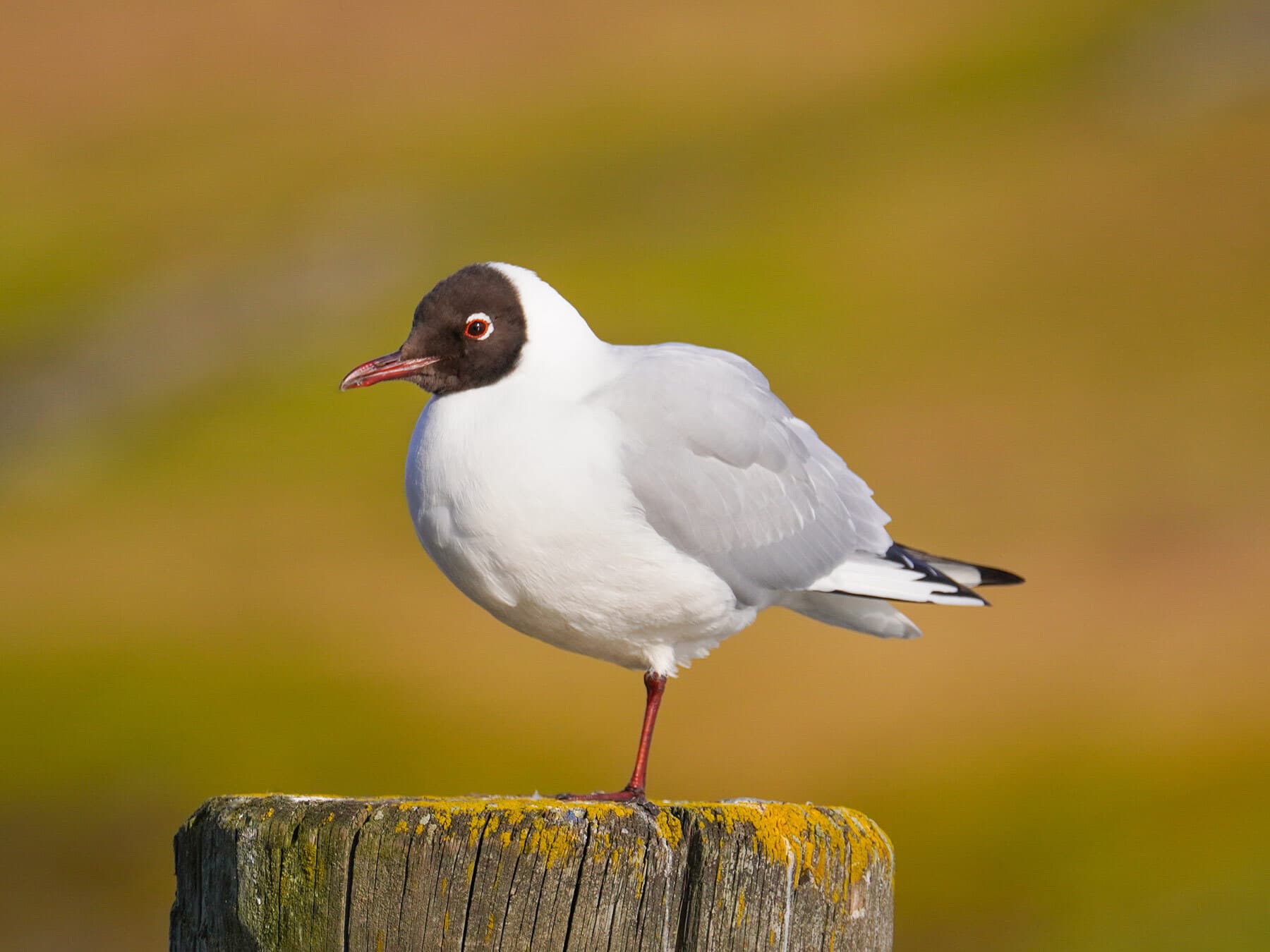
Standing on one leg is the most efficient and stable stance for long-legged waterfowl and waders, demanding less energy expenditure than standing on both legs. Standing with one leg raised effectively locks the other leg in position, meaning the bird can sleep soundly with no risk of overbalancing.
Budgerigars are frequently observed by their owners to sleep perched on one leg.
Do birds ever get tired standing on one leg?
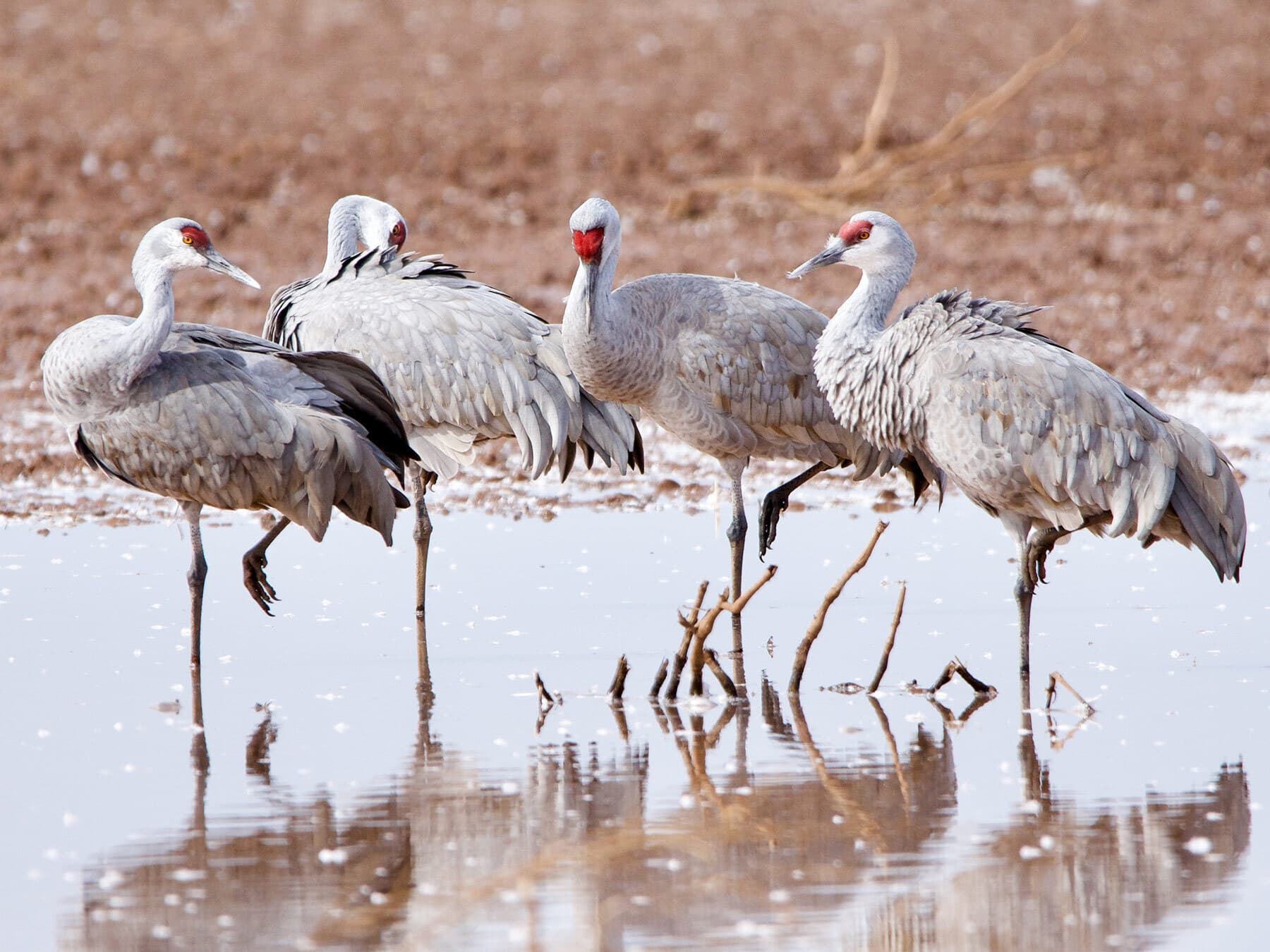
Birds regularly change legs when standing on one leg, to ensure that the leg they are standing on does not get overly tired. It is thought that it is less tiring for a bird’s muscles to spend time on one leg, rather than both.
Switching legs
Birds alternate between legs, when standing on one leg. This ensures that neither leg gets exposed to the cold for too long or becomes too tired.
In summer
Research indicates that in the hottest summer temperatures, birds that are regularly seen in a one-legged pose in winter may in fact be more likely to be found standing on two legs. If a wading bird is spotted on one leg, it may be for the same purpose as at any other time of the year: to camouflage itself against prey or predators.