Facts · Updated 8 Oct 2026
What Are The Slowest Birds In The World? (On Land, Level Flight + More)
By the Birdfact teamChecked by Nathan Cope
fast at flying or running, maybe you’d think of a peregrine falcon or a swift, or even an ostrich or roadrunner. But what birds are at the opposite end of the scale for speed?
Read on as we investigate what are the slowest birds in the world.
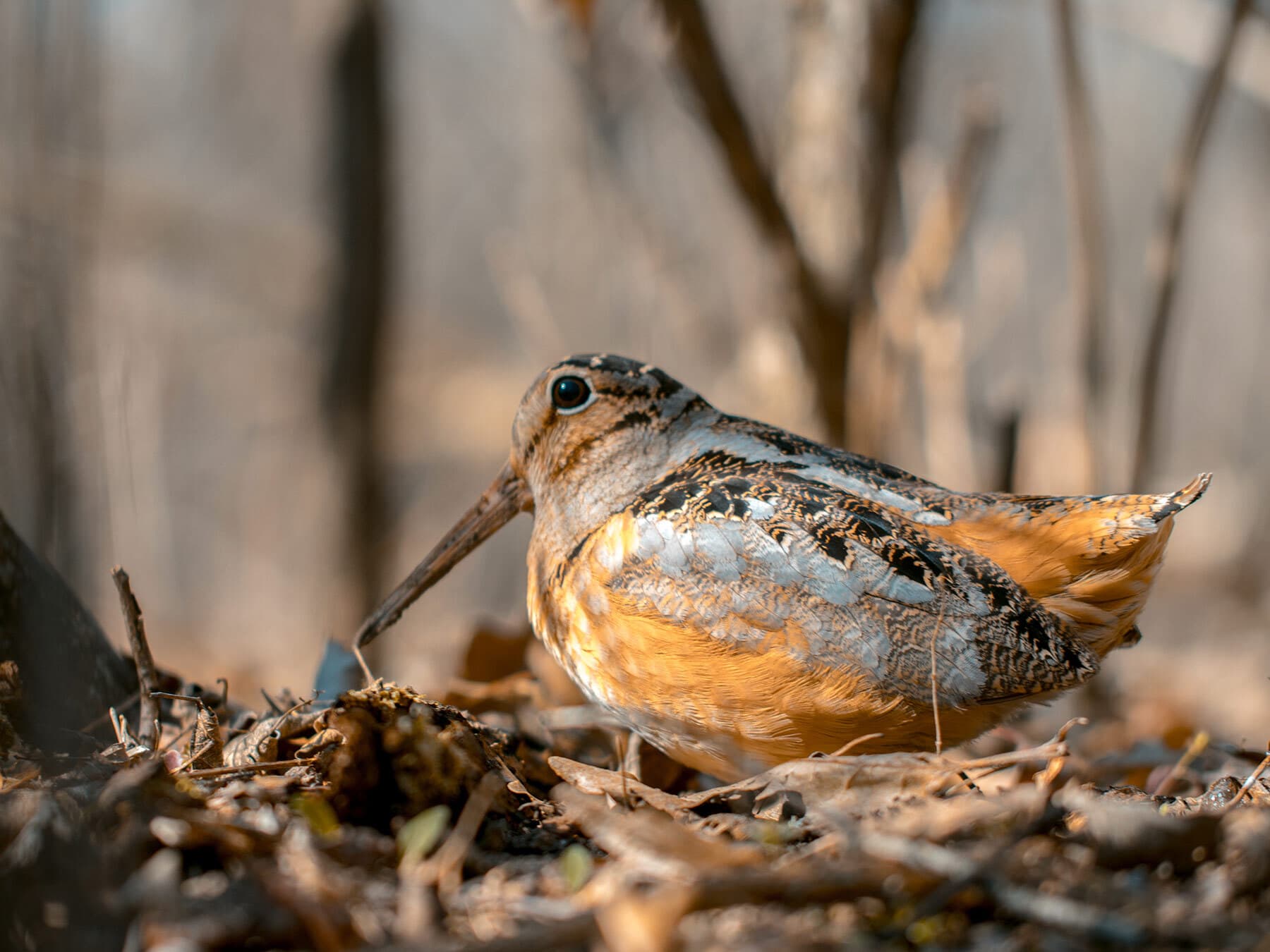
Woodcocks – both American and Eurasian – hold the honor of being recognized as the world’s slowest flying birds, recorded flying at the “sloth-like” pace of 8 km/h (5 mph) during courtship displays.
In terms of wingbeats per second, several New World vultures are the kings (and queens) of slow-motion flight, with just one wingbeat per second. A similarly slow wingbeat speed allows owls to hunt silently and move through the night skies almost undetected.
While some birds are well adapted for streamlined, high-speed flight, their ability to move on land is less than impressive and in some cases even non-existent.
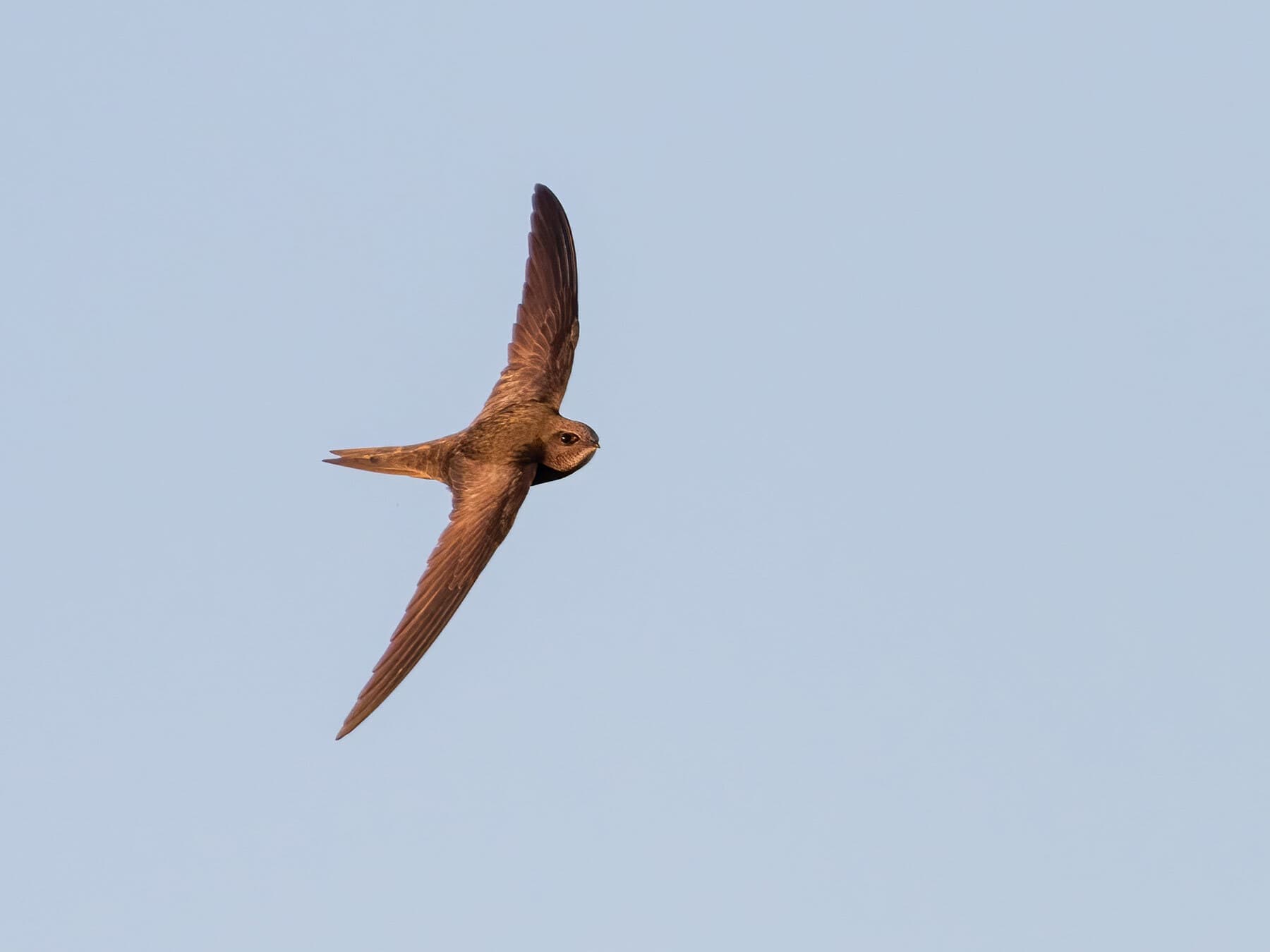
Swifts for example, are expert aerial fliers, capable of sustaining ultra-fast, high altitude flights for several weeks or more. But on land, it’s a different story. On the rare occasions such birds might become grounded, it is impossible for them to use their legs to walk to safety or relaunch themselves into the air.
What is the slowest flying bird?
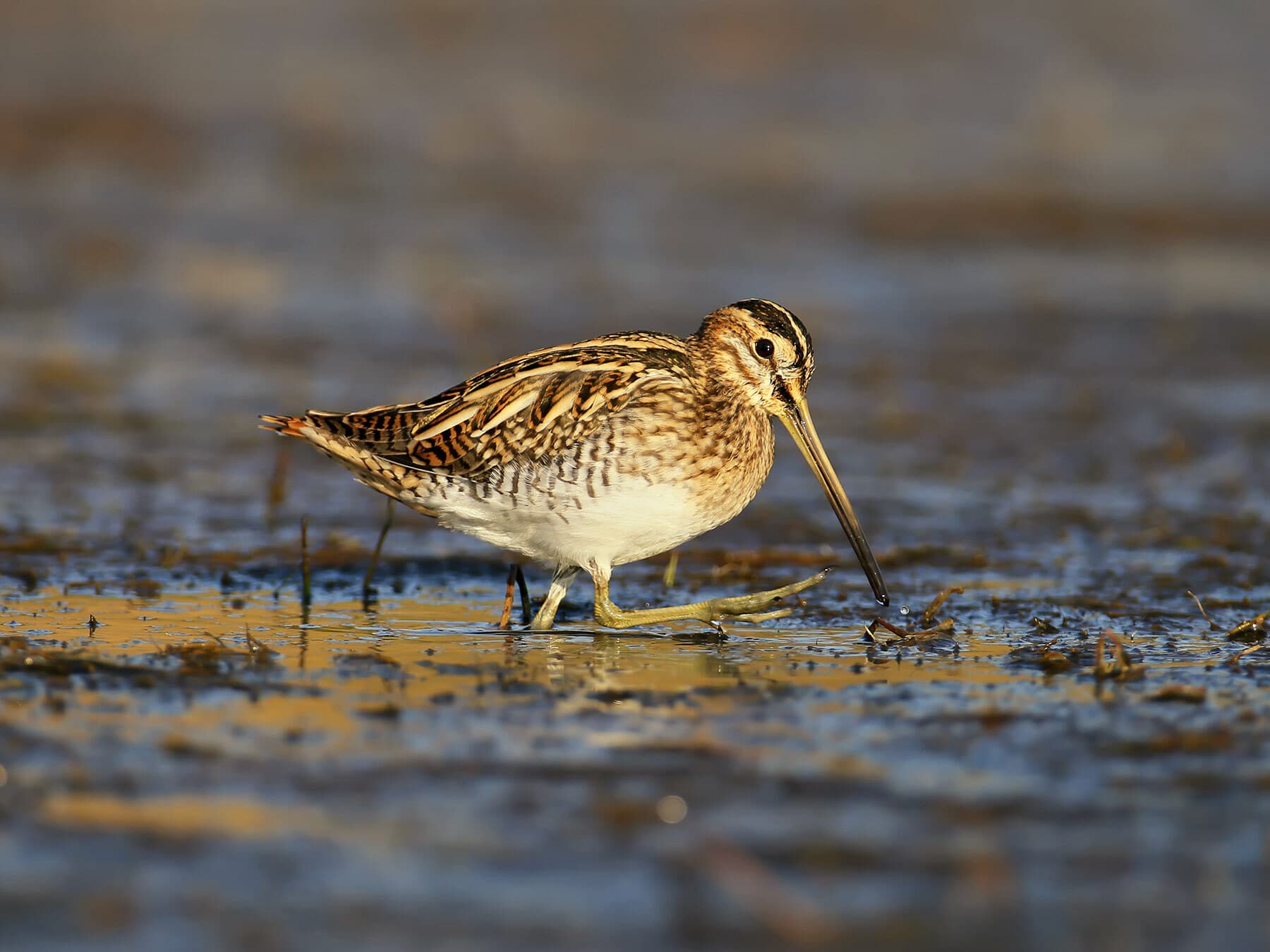
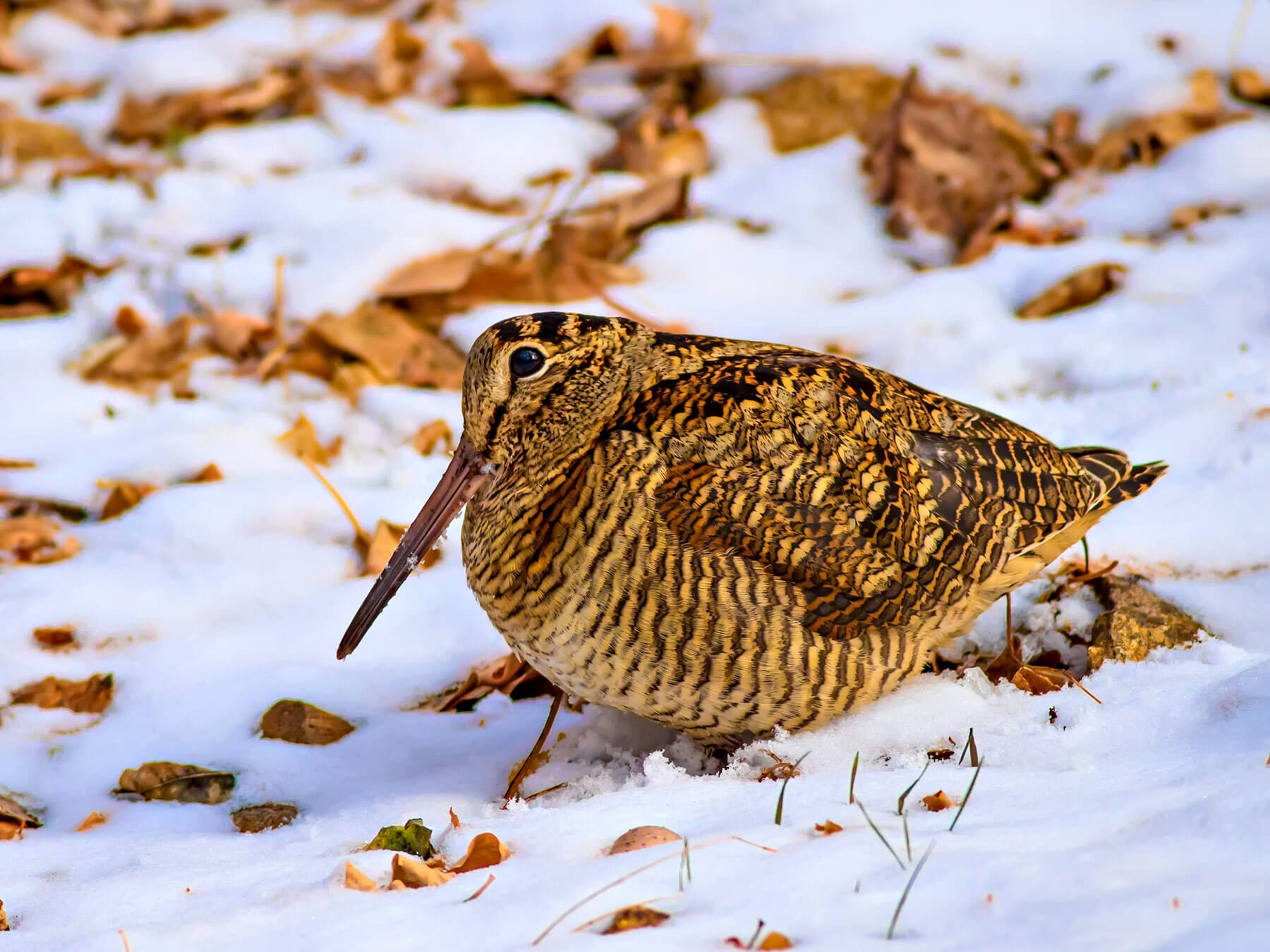
The American woodcock (Scolopax minor) and Eurasian woodcock (Scolopax rusticola) have both been recorded traveling at speeds of 8 km/h (5 mph) in level flight.
Woodcocks are known for their unique courtship “sky dance”, climbing slowly into the night sky in large, almost lazy, flight circles, before tumbling erratically to the ground in a zig-zag spiral before starting the display again.
Also fondly known as timberdoodles, American woodcocks are masters of camouflage and blend into woodland environments to the point of being almost impossible to detect among leaf litter on the forest floor.
They have stocky, plump bodies and particularly short wings, an adaptation that helps them navigate their natural habitats of woodlands and meadows; their physical design means that fast-paced, graceful flight is impossible.
However, when migrating, American woodcocks do seem capable of picking up the pace a fair bit, with speeds of up between 26 and 45 km/h (16 to 28 mph) recorded, but they will remain at relatively low altitudes.
On land
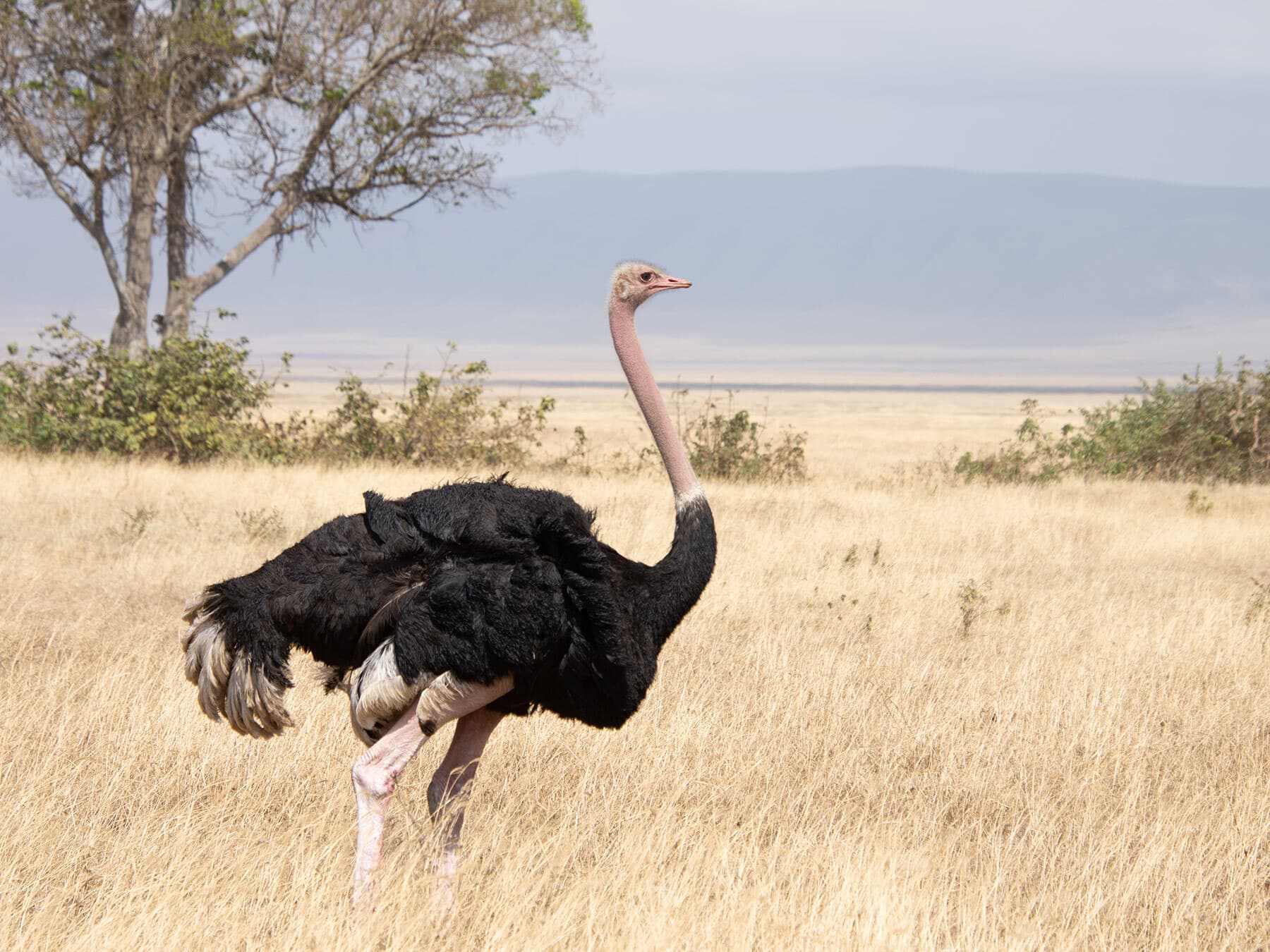
Ostriches are the world’s fastest land birds, reaching speeds of 70 km/h (45 mph), but what species claims the record as the slowest?
Some birds are not adapted for moving on the ground rather than in the air, and struggle to even move a few centimeters without great difficulty.
A prime example of this is the swift, which has underdeveloped legs and feet and is incapable of walking if it becomes grounded.
Hummingbirds are able to perch for short periods of time, and can grip small branches, along which they ‘side step’. Walking on land, however, is impossible, due to their lack of knee joints, and move instead by shuffling if they do find themselves grounded.
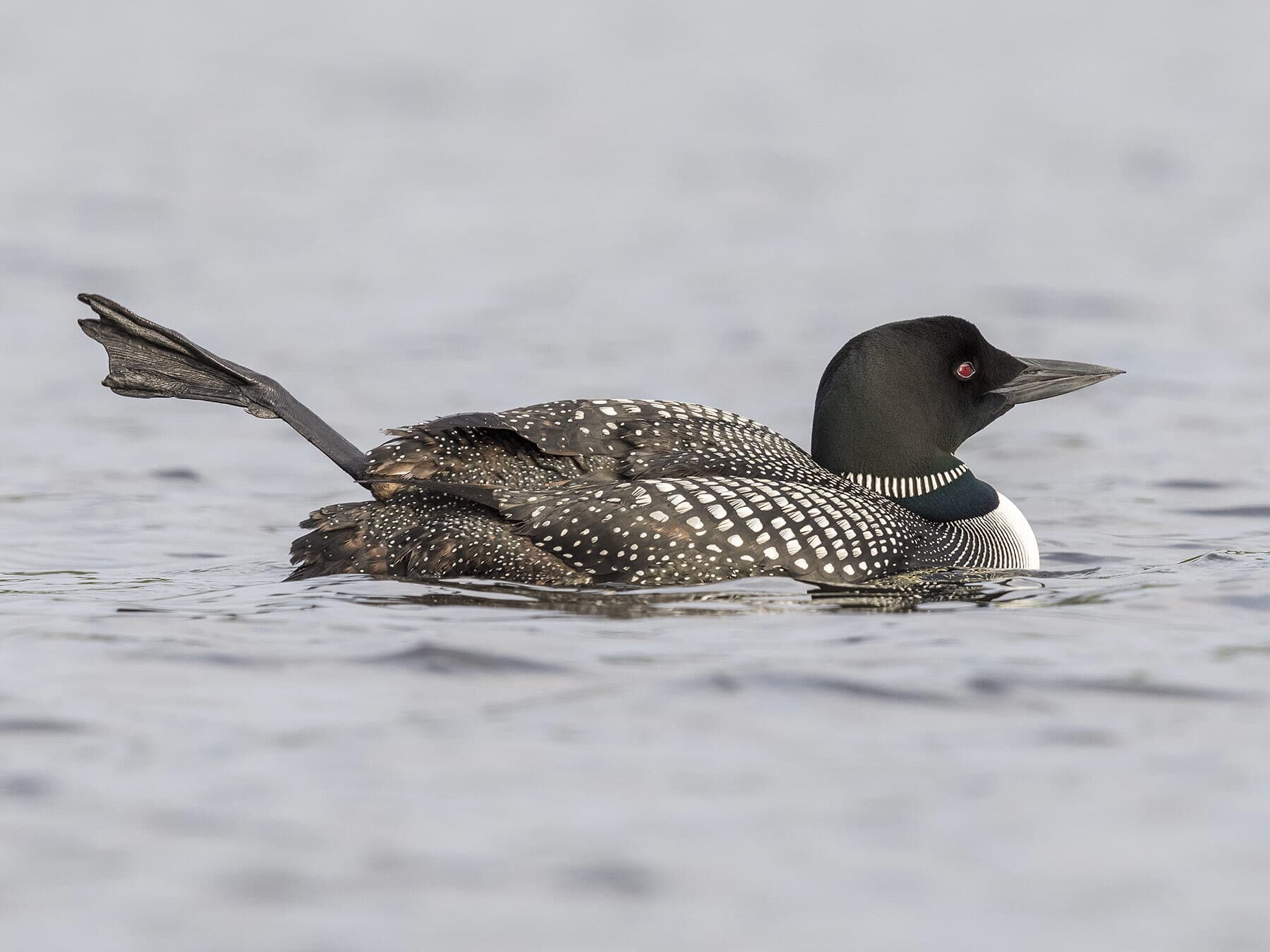
Loons and grebes find it almost physically impossible to walk on dry land. Their legs are adapted for swimming rather than running or walking, and are positioned towards the rear of their bodies, making walking incredibly awkward. They therefore avoid coming onto land if they can avoid it.
Owls
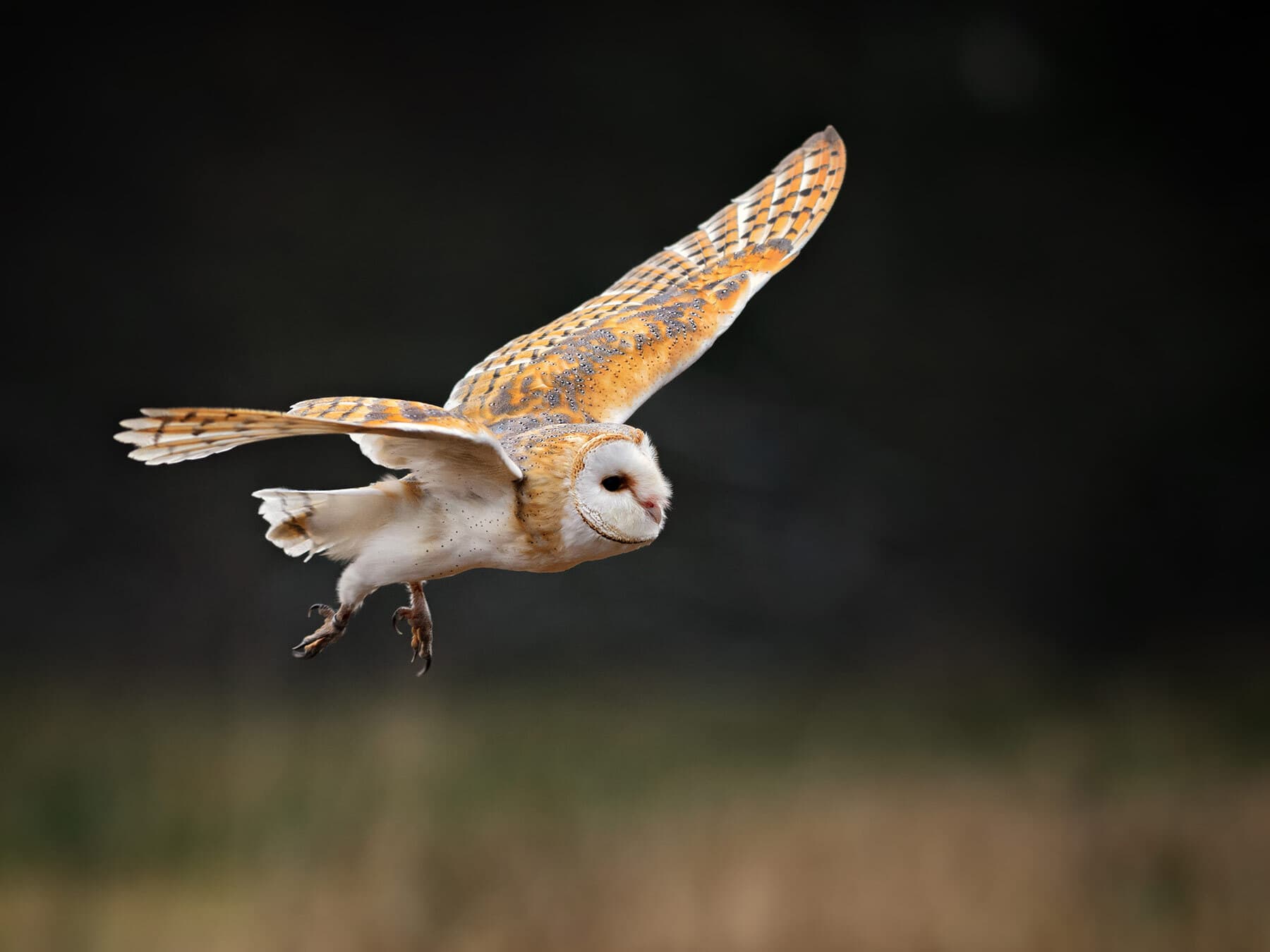
Owls are stealthy predators, relying on their near-soundless flight to hunt without alerting prey to their presence. which expertly swoop through the night skies hardly making a sound.
An owl’s wings are large in proportion to its body mass, meaning it can fly slowly - the slow speed of around 2 wingbeats per second means less noise is produced during flight, as there is less wing-flapping involved.
Larger species, such as Barn owls, are particularly adapted to using this “slow-motion” flight technique. When hunting for prey, a typical flight speed would be a leisurely 16 to 32 km/h (10 to 20 mph), although can reach considerably faster speeds in level flight.
A lack of data exists for the average flight speeds of smaller owl species, including the Burrowing owl and Little owl.
Hawks
The average speed of hawks in level flight ranges from between 25 and 80 km/h (16 to 50 mph). This rises to a top diving speed of 190 km/h (120 mph) when swooping for prey.
Generally speaking, the smaller the hawk, the nearer to the lower end of this scale they will fall, with larger hawks able to fly at much greater speeds .
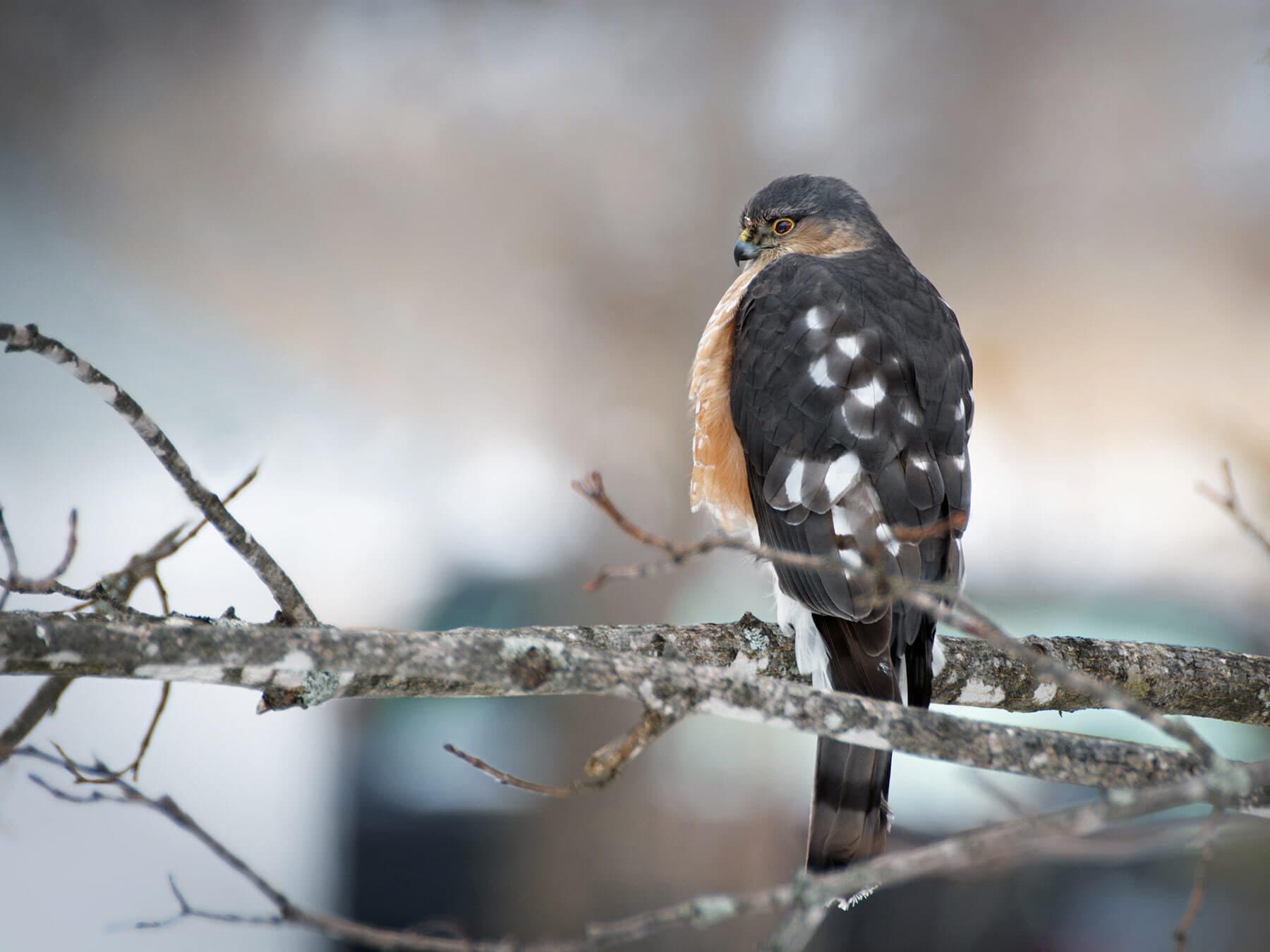
As one of the smaller species of hawks, Sparrowhawks are not as speedy or efficient at flying as a Red-tailed hawk or a Cooper’s hawk. While these two raptors can typically fly at around 80 km/h (50 mph) in ordinary flight, a Sparrowhawk would lag behind, with a maximum pace of around 50 km/h (30 mph).
Eagles
Eagles are capable of high-speed flights, but can also glide and soar at a much slower pace.
When plunging to swoop for prey, golden eagles can reach maximum speeds of around 322 km/h (200 mph) on a near-vertical dive. Steppe eagles are also expert high-speed divers, observed plunging for prey at a speed of 300 km/h (186 mph). Steller’s sea eagles are marginally less quick, being able to swoop to the ground at a speed of around 225 km/h (140 mph).
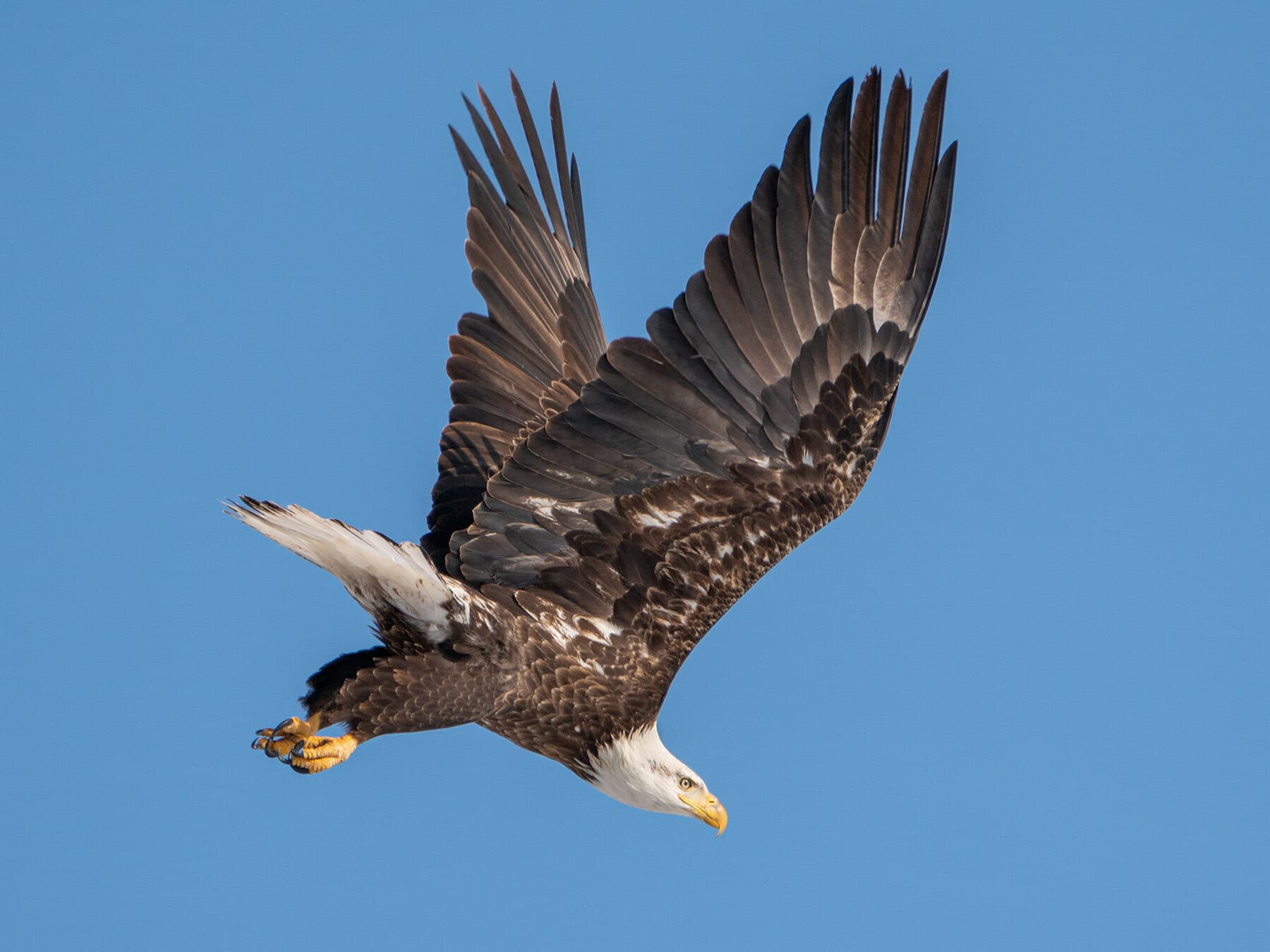
In contrast, a bald eagle’s top diving speed is significantly slower, reaching up to half the speed of a plummeting golden eagle, with 160 km/h (100mph). This is a similar diving speed to that of a white-tailed eagle.