


Facts · Updated 8 Oct 2026
Do Woodpeckers Peck At Night? An Insight Into Their Noctural Habits
By the Birdfact teamChecked by Nathan Cope
On this page8 sections
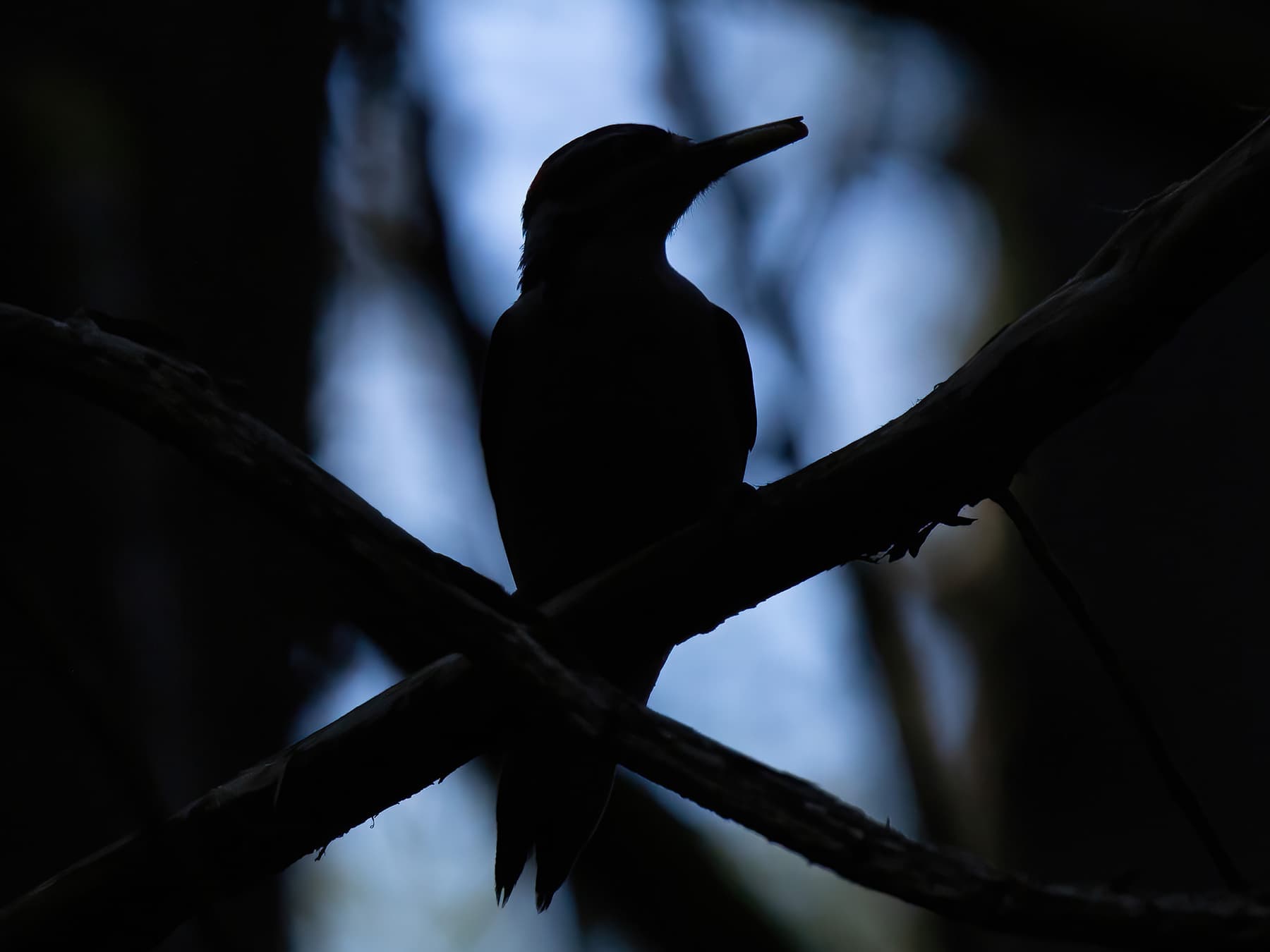
Have you been hearing pecking noises at night? Woodpecker. That’s because these birds are strictly diurnal and spend the night sleeping in roost cavities and other cozy spots.
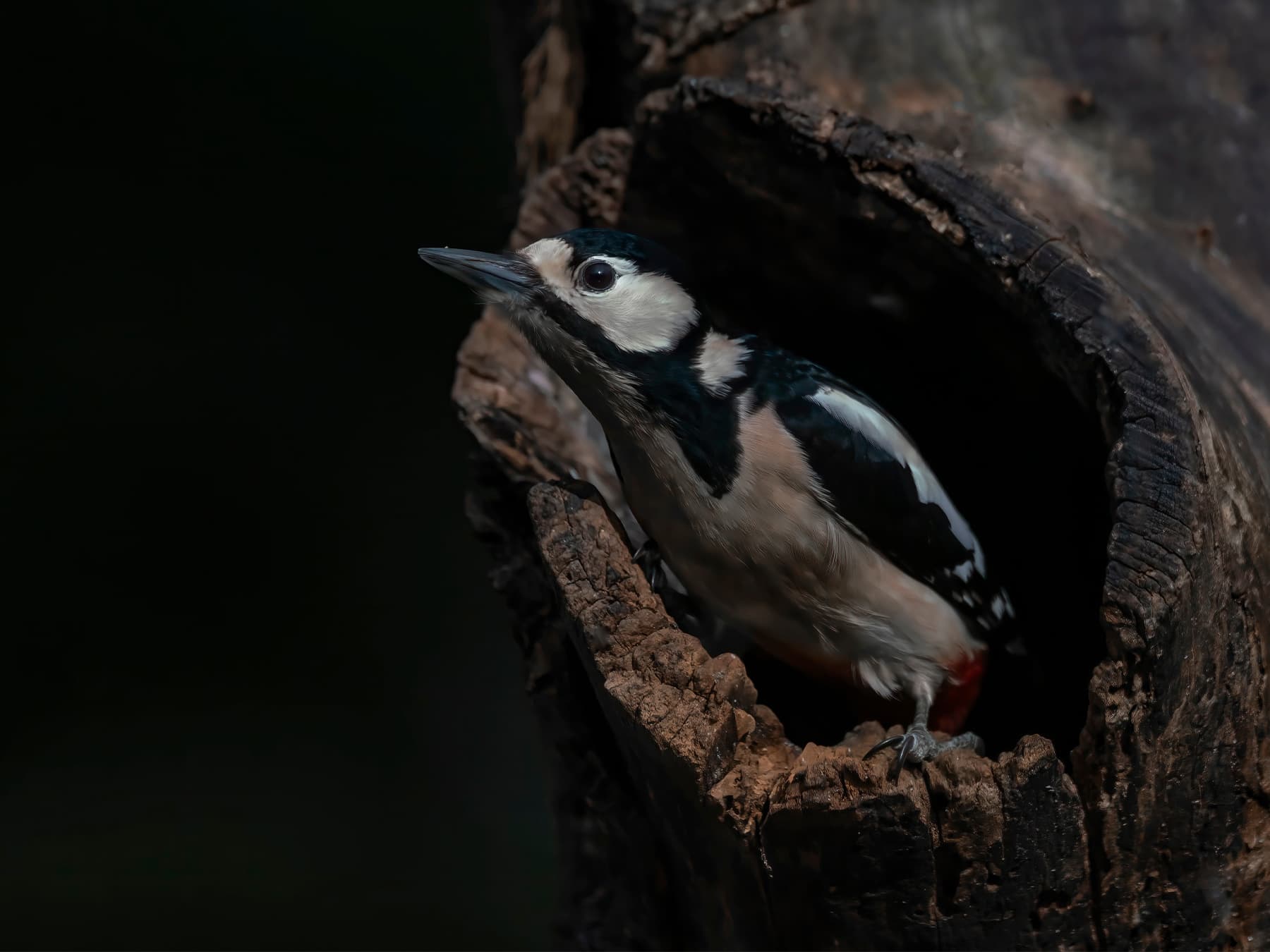
It’s a good thing that Woodpeckers don’t peck at night, especially if these birds are common in your backyard. Woodpeckers occasionally drum, forage, and nest in timber homes, which would be quite a disturbance after a long day!
The Unique Pecking Behavior of Woodpeckers
Woodpeckers are uniquely adapted to exploit food resources that few other birds and animals can reach. Accessing food behind the bark and even within the wood of trees demands some pretty specialized tools, and this has shaped them into the remarkable birds we know today.
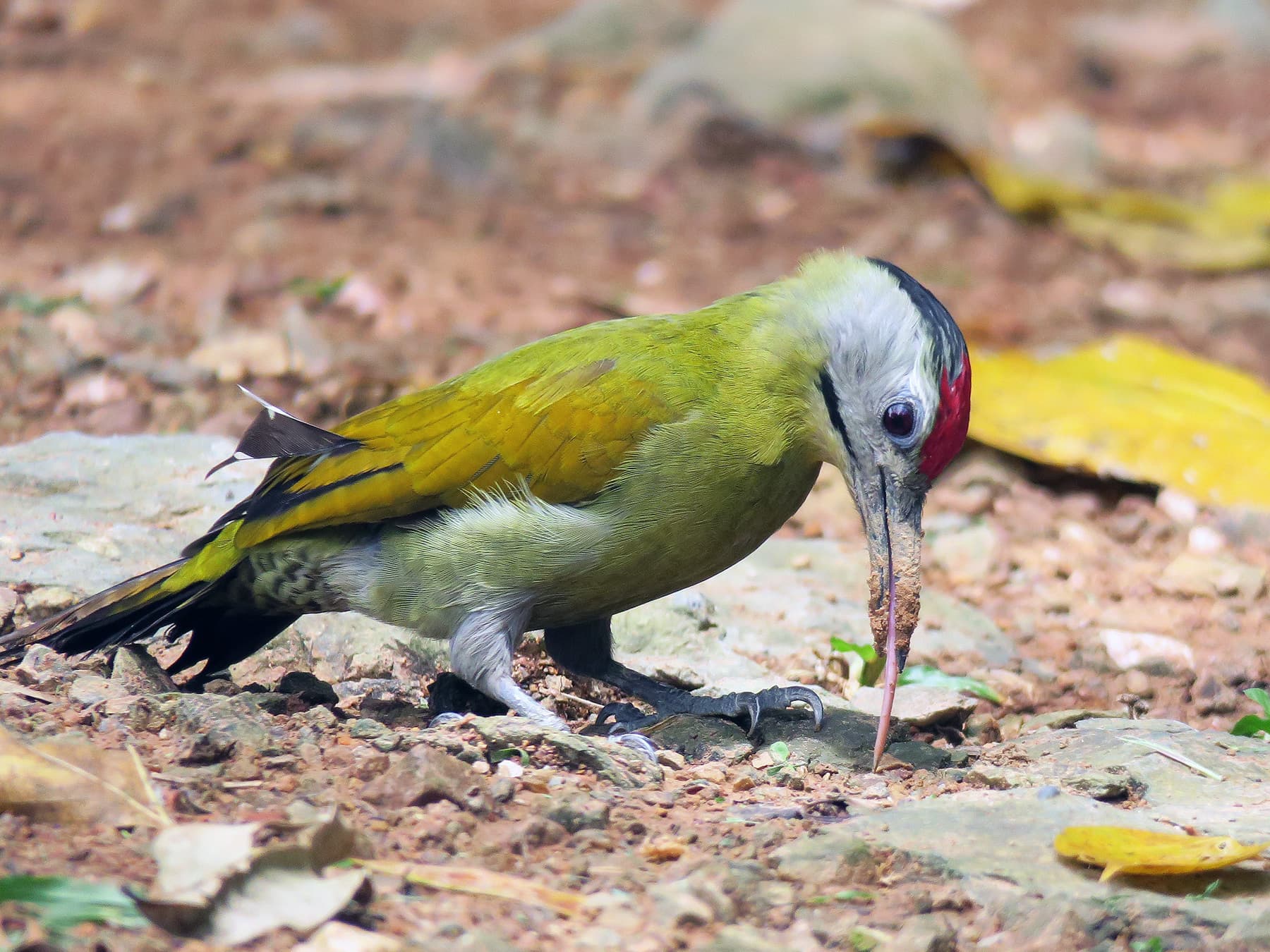
Woodpeckers have powerful, self-sharpening bills to drill into wood, and they use their extra long, barb-tipped tongues to reach in and pull out their insect prey.
These birds don’t only find food in trees. They also make their own shelters for sleeping and nesting and even drum to attract or repel other members of their species. While these behaviors may be fascinating to watch, they also concern homeowners when Woodpeckers turn their attention toward wood-sided houses.
Are Woodpeckers Nocturnal or Diurnal?
Birds and animals can be defined by their peak activity times. The two most common patterns are diurnality (active by day, asleep at night) and nocturnality (active by night and asleep during daylight hours).
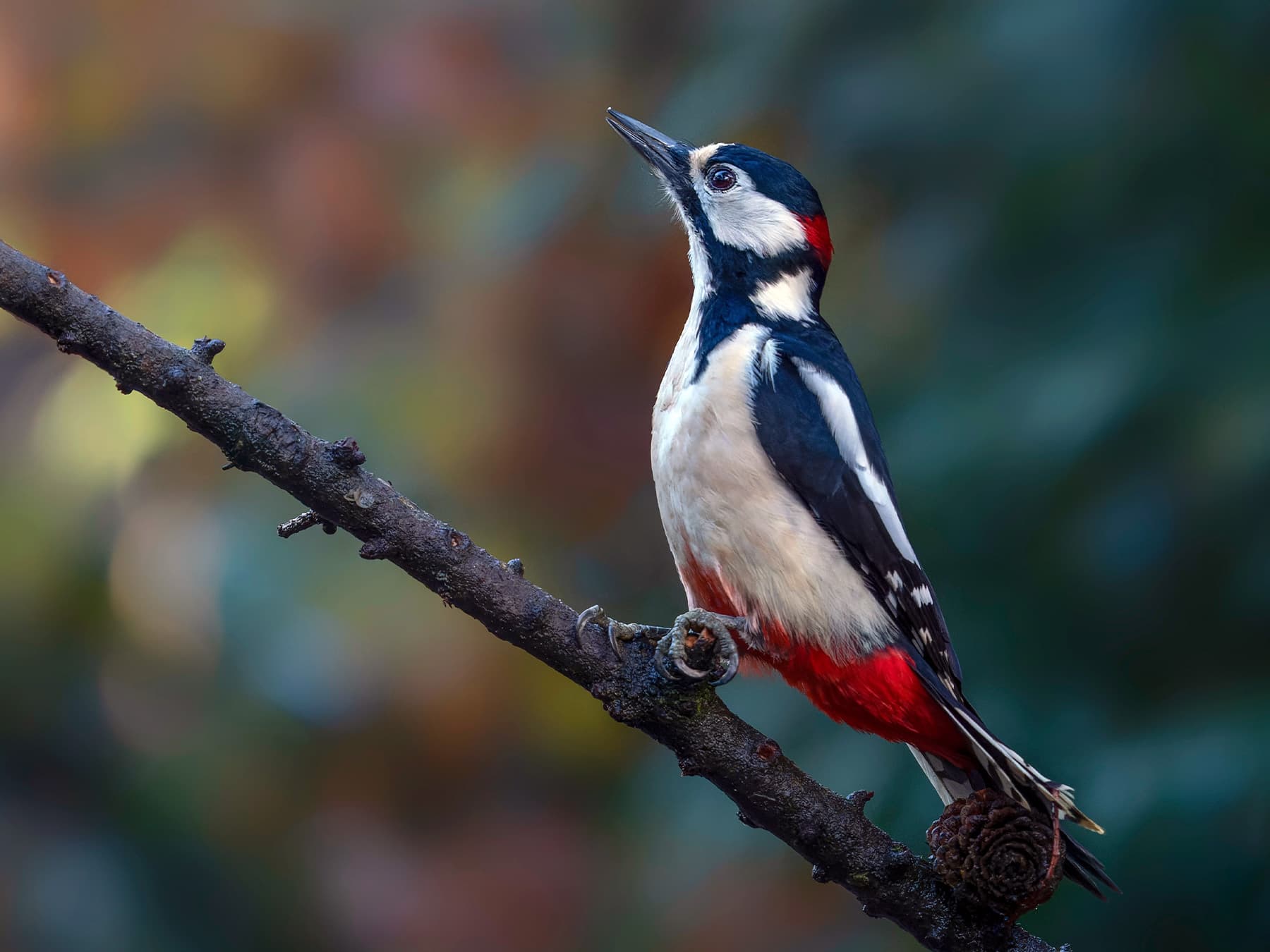
Like most birds, Woodpeckers are diurnal, which explains why you never hear or see them after dark.
However, it’s not unusual to see birds at night, and some might even hunt around your property or land on your home. Nocturnal birds are much less common than diurnal species, although you could spot the following species near your home:
- Poorwills, Nighthawks, and Nightjars
- Owls
- Night Herons
Many birds are crepuscular, which means they become particularly active in the low light of early morning and late evening. Northern Mockingbird for the pecking of a Woodpecker!
What Factors Influence Night Pecking?
Artificial light influences many birds, sometimes increasing the amount of time they can forage in the evening. While Woodpeckers could theoretically feed or communicate by the light of your home or nearby streetlights, this does not seem to happen in practice.
Potential Issues with Night Pecking
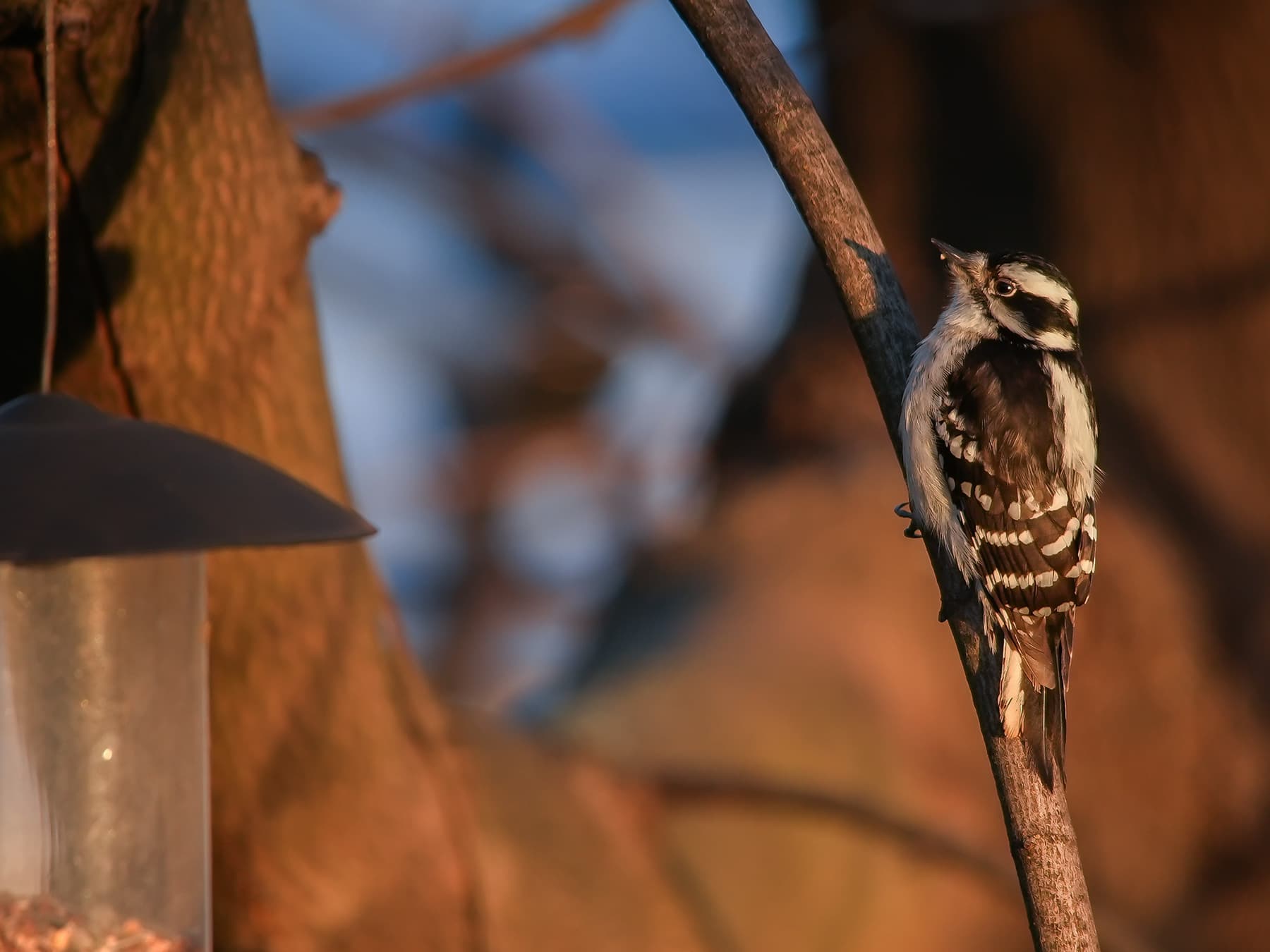
Woodpeckers are thought to find some of their meals by listening to insects moving within the wood, and they can’t see their prey tunneling through the wood anyway, so why don’t these birds continue to feed after night?
sleep to stay healthy. Foraging by day is a natural choice because it allows them to use sight for foraging and detecting predators.
How to Discourage Night Pecking
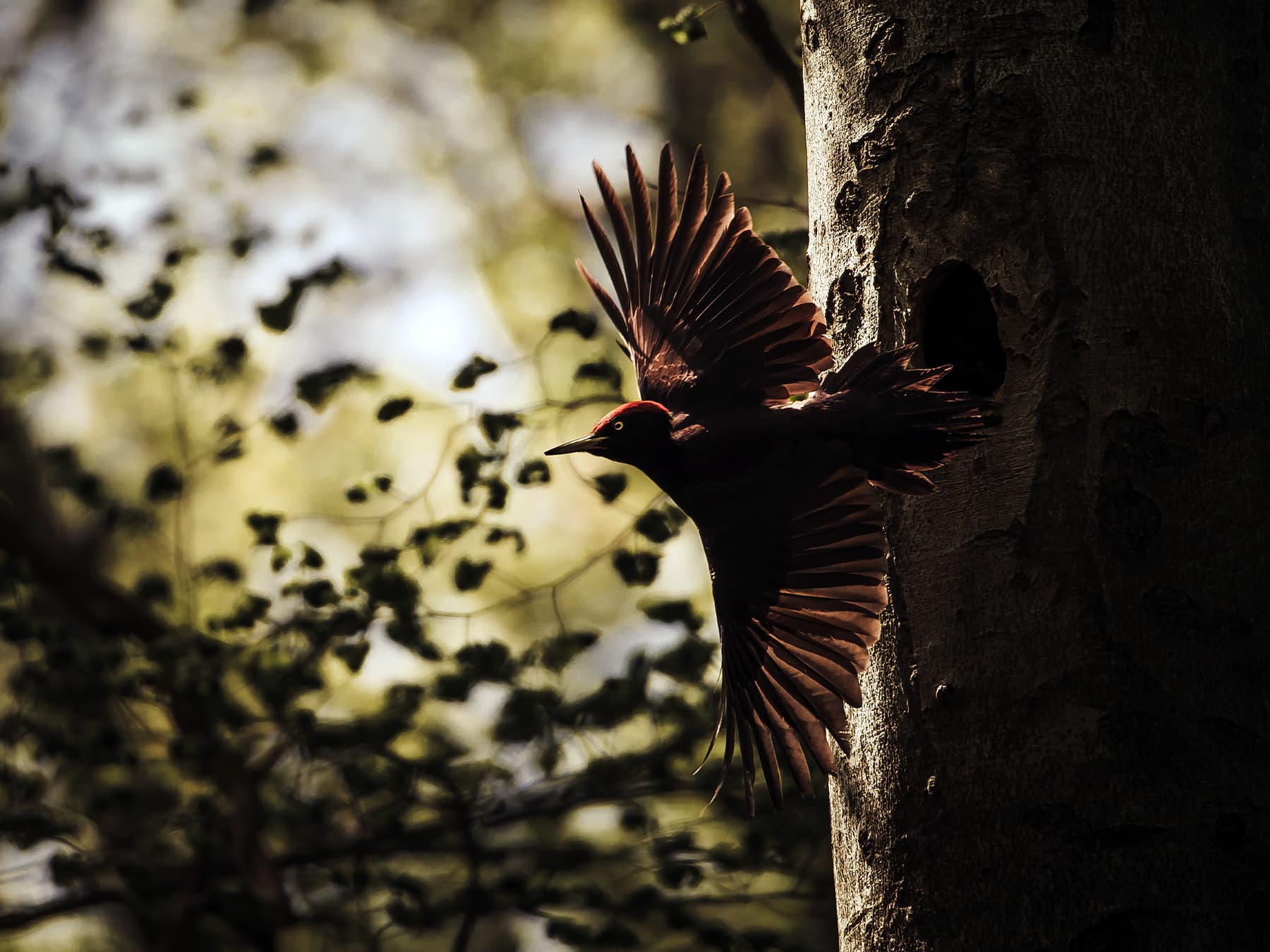
Discouraging Woodpeckers can be difficult, especially when they’re dead set on excavating a nest in your home. However, these birds are federally protected by the Migratory Bird Treaty Act in the United States and protected by the Wildlife and Countryside Act in the United Kingdom, so think twice before reaching for any sort of weapon.
Deterring them is the most effective solution, especially if you can start as soon as they begin pecking at your home. The following humane methods can be very effective if used promptly:
- Physically chasing them away
- Hanging reflective tape and other objects like mirrors or old CDs
- Covering the affected area in plastic sheeting or a bird-safe netting
These methods effectively deter Woodpeckers during the day, but what do you do about noisy birds or animals after dark?
If you believe a small bird or animal is trapped or living in your home, try to identify the species (safely) and get advice specific to that animal.
Other Sources of Nocturnal Pecking Sounds
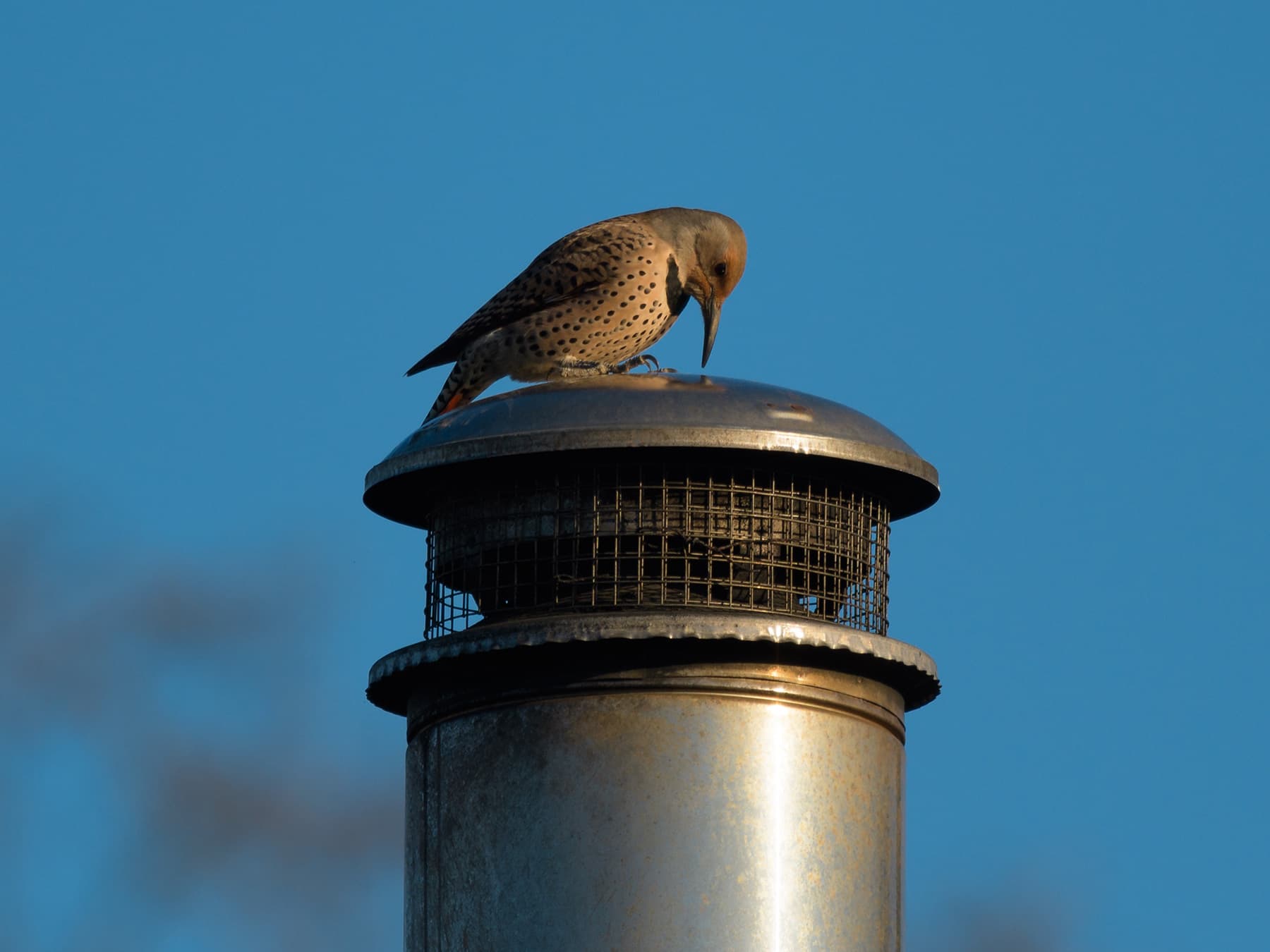
So it’s pretty unlikely that you’re hearing a Woodpecker pecking at night, even if you regularly see and hear them during the day. However, there’s a logical explanation for everything, including things that go bump in the night.
The following creatures could be responsible for pecking noises after dark:
Frogs and Toads
Many frogs and toads make clicking, tapping, and knocking sounds during the breeding season, and they can be especially vocal after dark. You’re most likely to hear frogs at night if you have a pond or other freshwater body near your home.
The following frog species may sound similar to a pecking Woodpecker:
- Cricket Frog
- Northern Leopard Frog
- Marine Toad
- Pickerel Frog
Insects
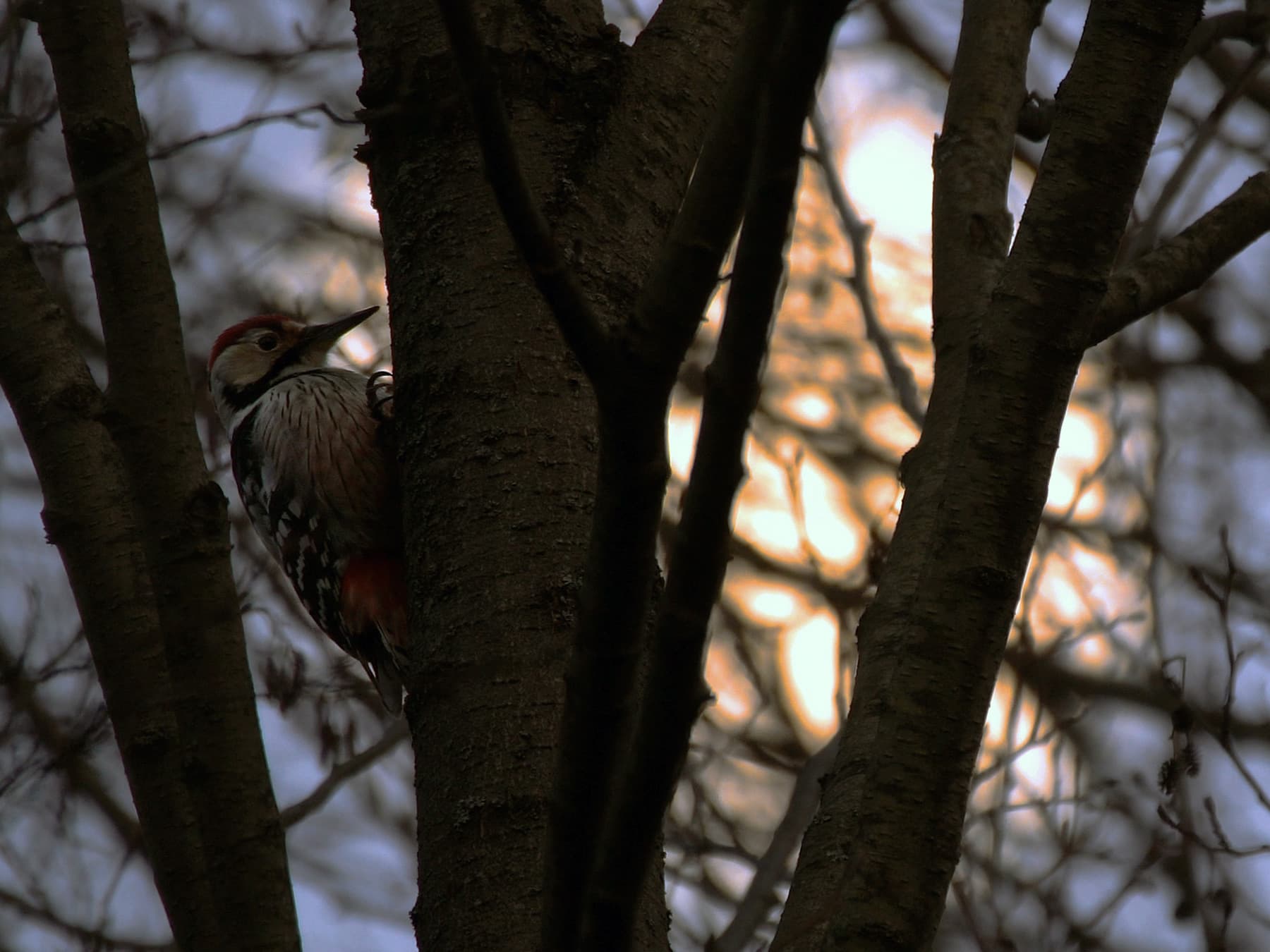
As strange as it sounds, some insects can make a tapping noise, just not as loud as a Woodpecker. The deathwatch beetle, a small beetle around 7mm (0.3in) long, taps on wood with its head. These pests are most common in homes with oak timber.
Mammals
Mammals are one of the most common culprits when it comes to strange noises in walls, ceilings, and attics. They don’t exactly peck, but these animals certainly can make a lot of noise! The following mammals often sneak into our homes:
- Rats, mice, squirrels, and other rodents
- Raccoons
- Opposums
- Bats
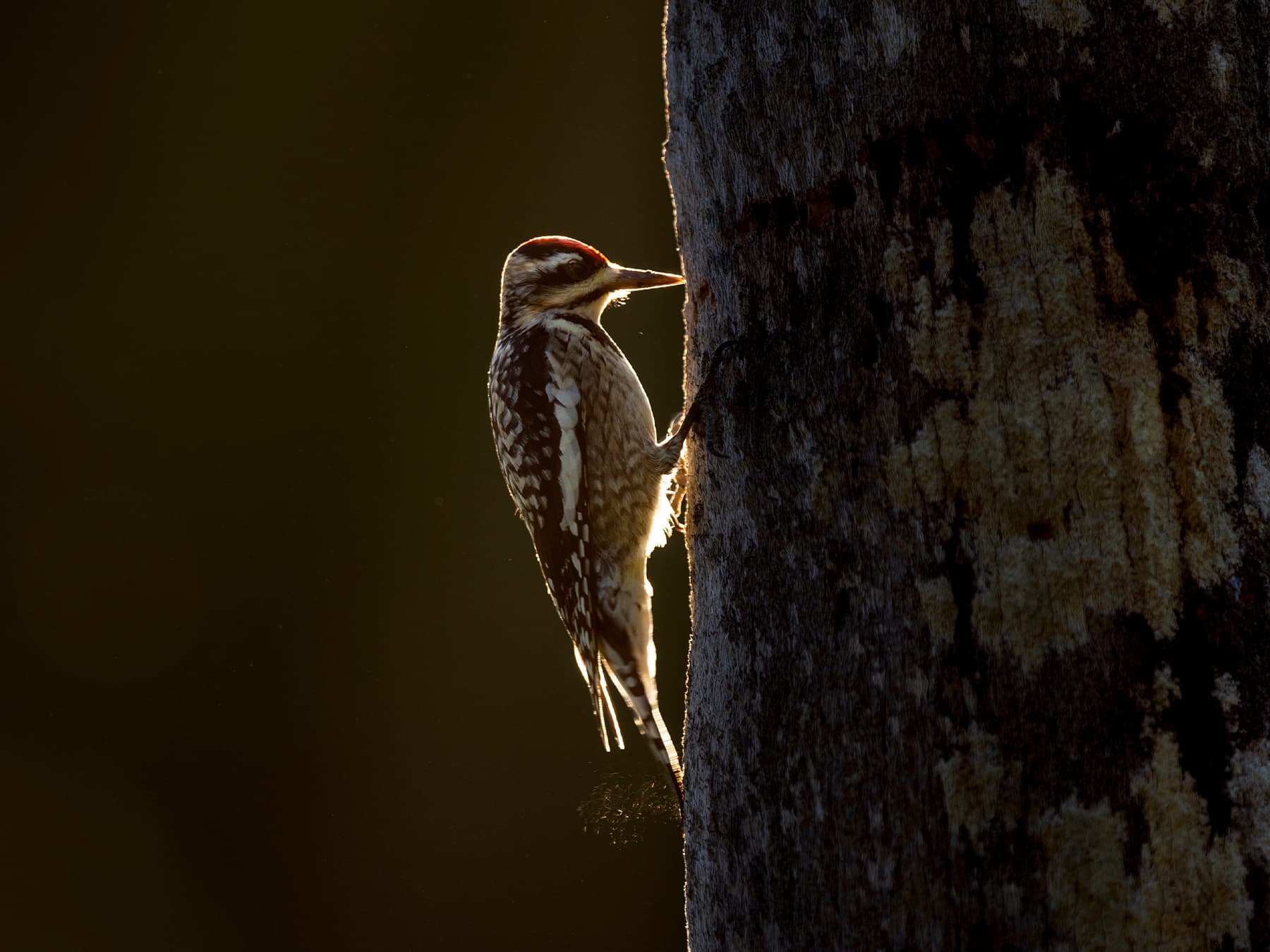
Other Sounds
It’s also possible that the pecking or tapping sounds you hear at night might not be the work of any living creature. No, I’m not suggesting anything paranormal here, but rather the perfectly normal sounds of materials contracting as they cool off.
Common inanimate sounds:
- Wooden beams popping as they cool
- Heating, ventilation, and air conditioning ducts expanding and contracting due to rapid temperature changes
- Dripping water
- Swaying electric or telephone cables
- Tree branches rapping against the roof or a window can also make a tapping noise when it’s windy
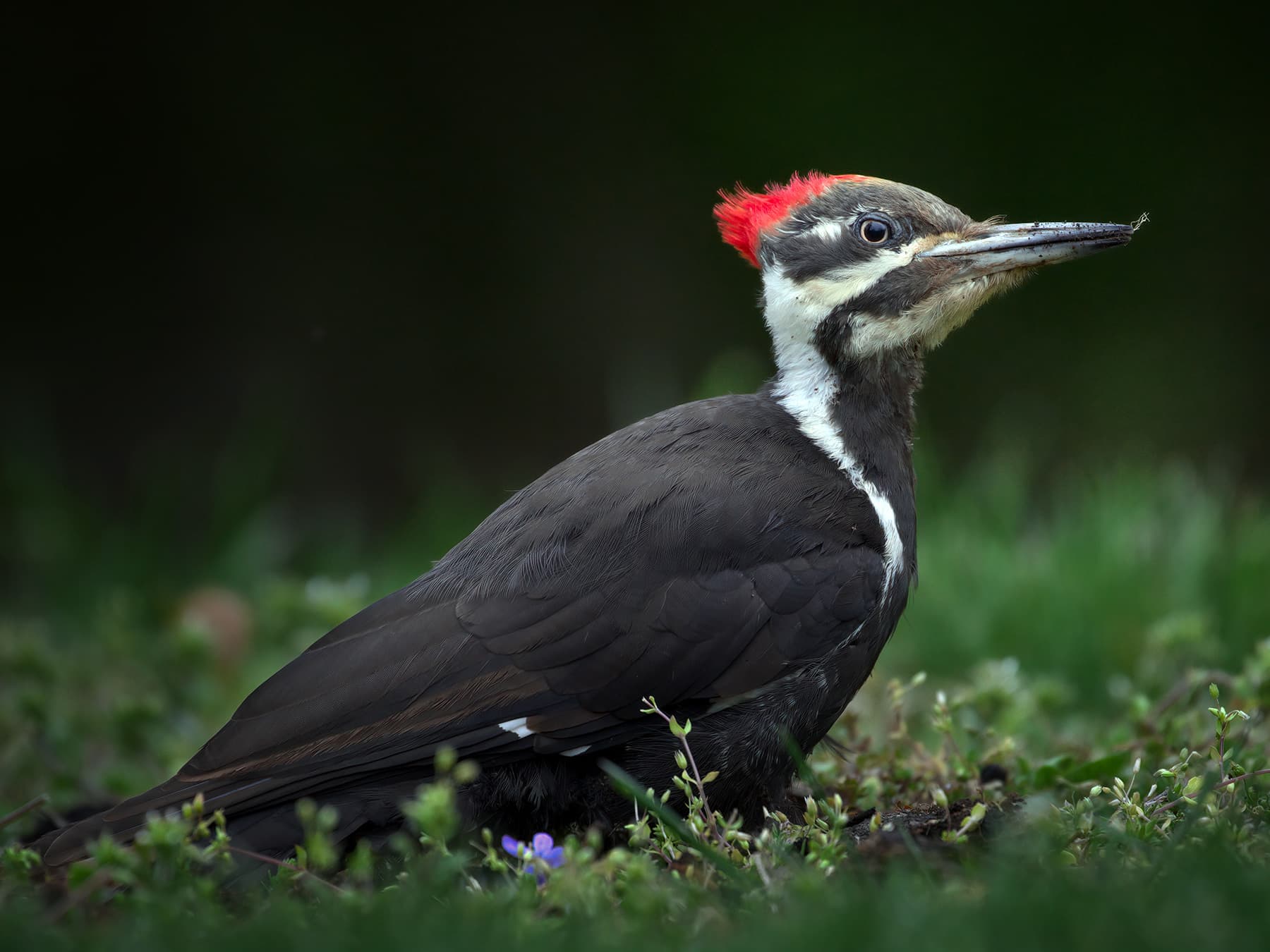
FAQs
Do Woodpeckers peck on houses at night?
Woodpeckers rarely peck on houses at night. If you’ve heard some tapping or pecking sounds in your home, the culprit is more likely to be some other animal, like a rodent, or even the sound of building materials or ductwork contracting as the air temperature decreases.