Published 24 Feb 2025
Do Seagulls Mate For Life? Here's The Full Story
By the Birdfact teamChecked by Nathan Cope
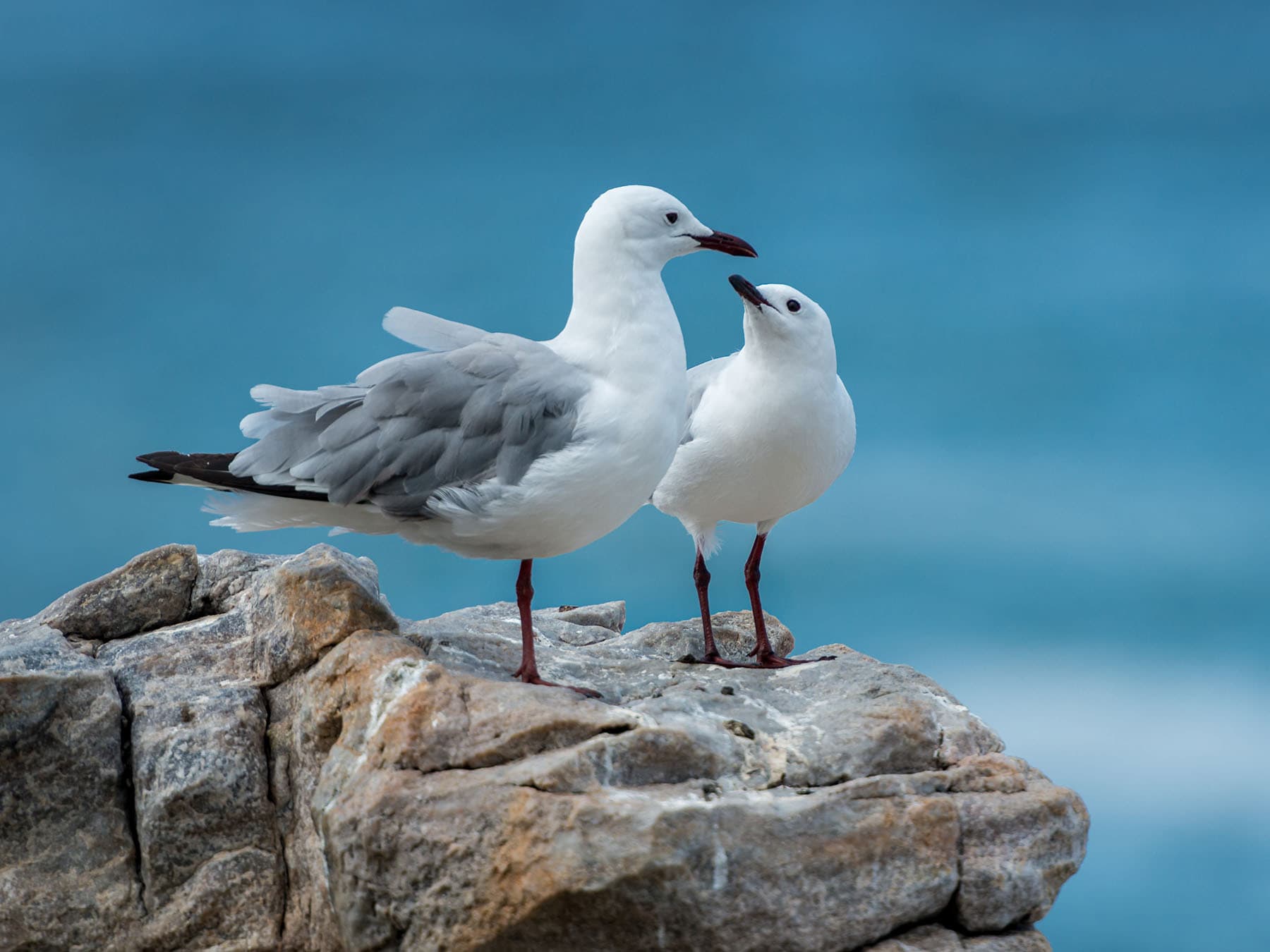
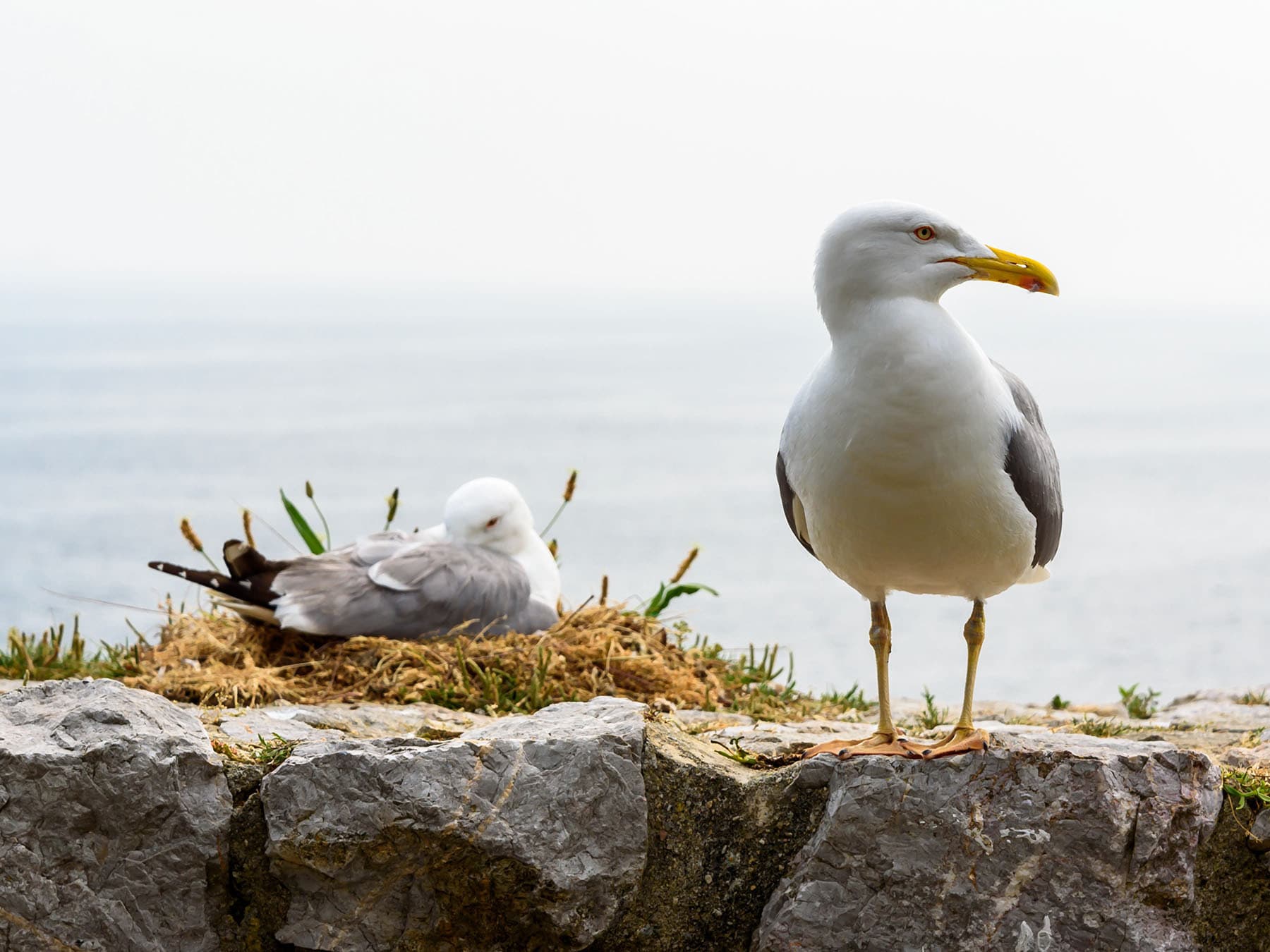
Seagulls typically mate with the same partner for many years but don't necessarily mate for life. These coastal birds form strong, lasting pair bonds that can endure for multiple breeding seasons, though they may find new partners if circumstances change.
Think of them as nature's long-term dating experts who usually - but not always - stick with the same mate.
Finding The One
Watch any seaside colony in spring, and you'll see the intricate dance of seagull courtship play out.
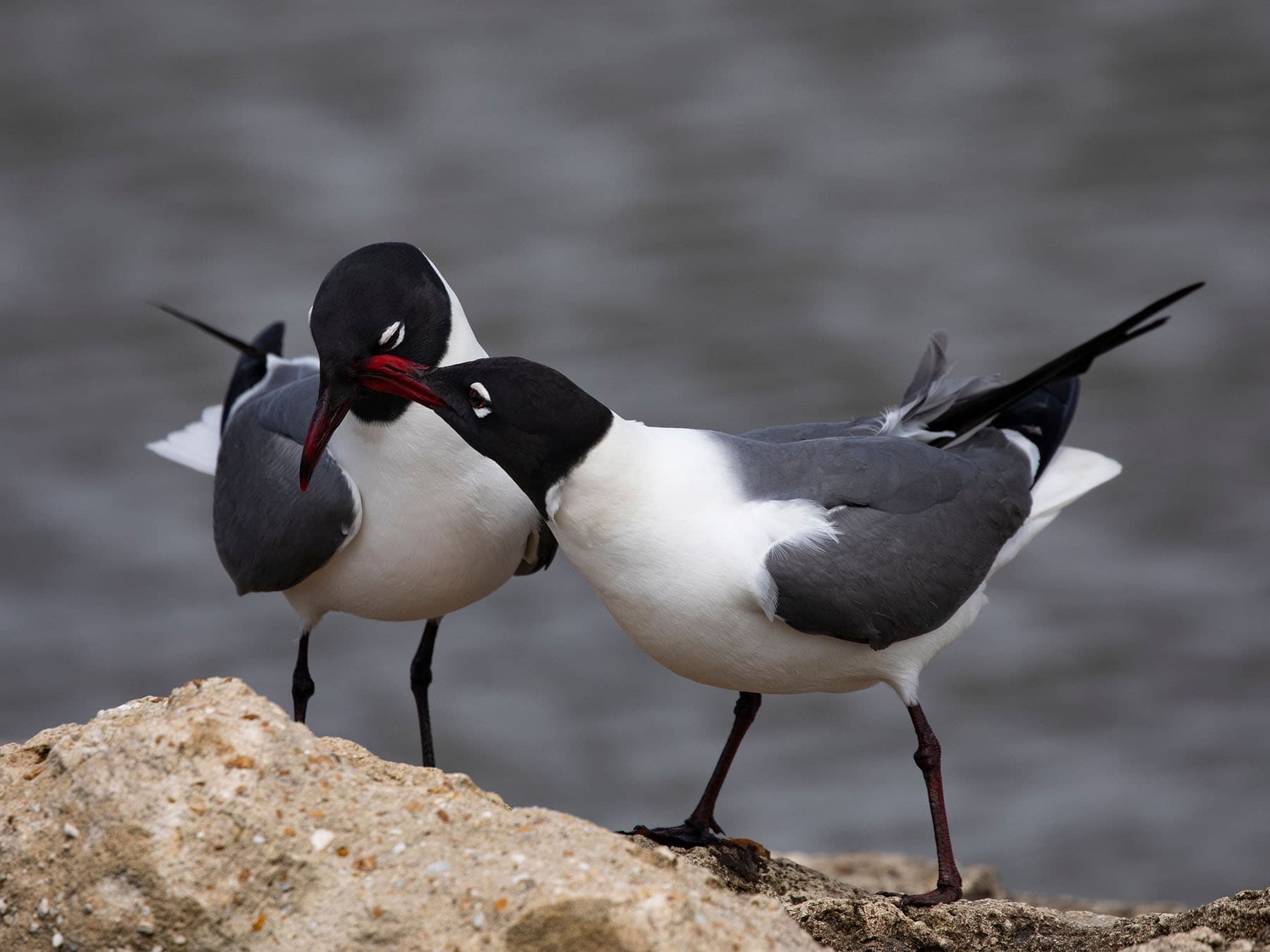
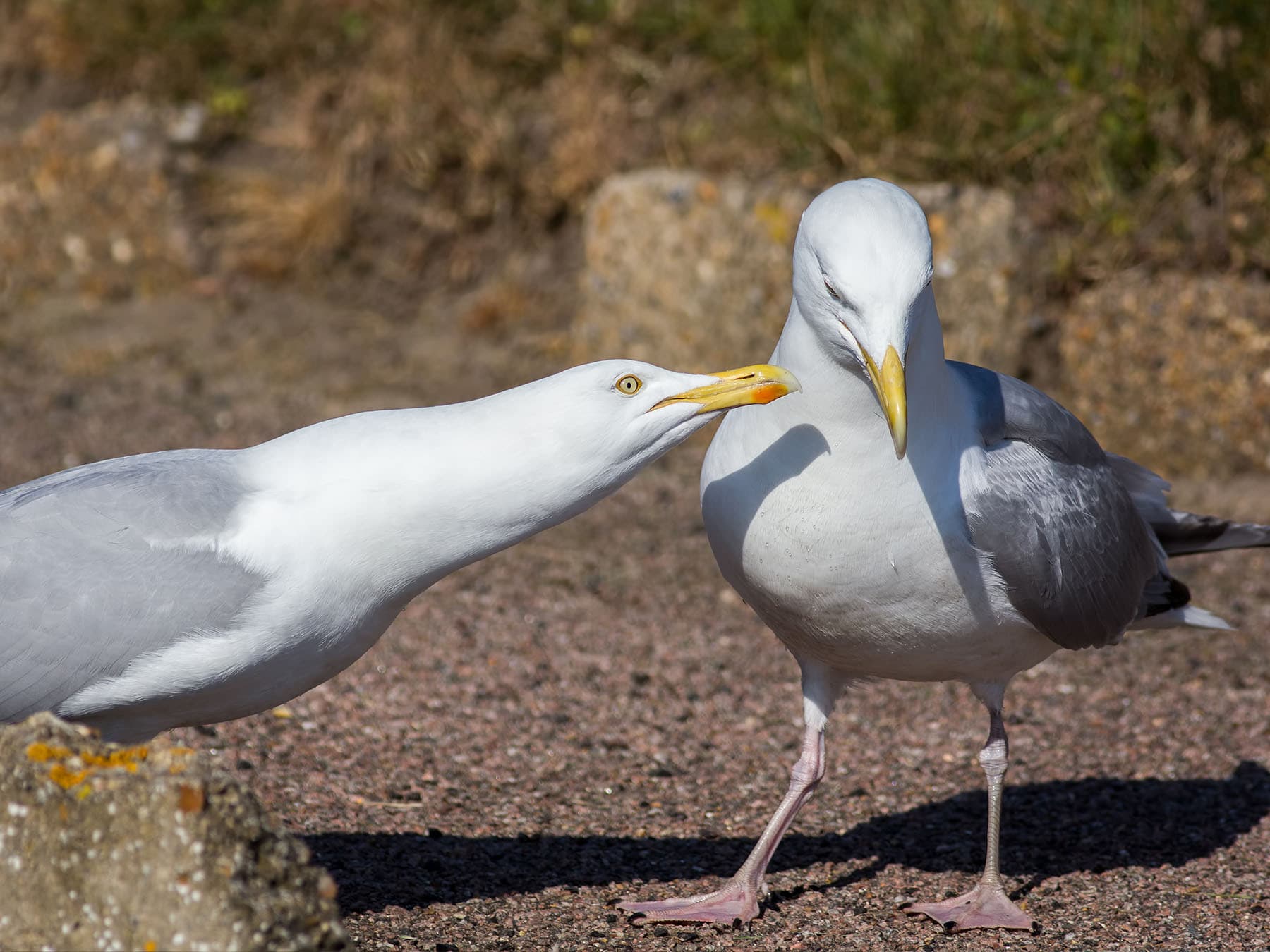
Pairs perform elaborate greeting ceremonies, touching bills and calling to each other with distinct vocalisations that somehow cut through the cacophony of thousands of other gulls.
It's quite something to see a returning bird zero in on their mate in what looks like chaos to human eyes.
Learning to Date
These bonds aren't formed lightly. Young gulls often spend their first few breeding seasons doing what you might call 'practice runs' - going through the motions of courtship without actually breeding.
When they do pick a mate, both birds return to the same nesting spot year after year, sometimes just a few feet from where they first paired up.
You can spot established couples early in the season, arriving together and immediately getting to work on nest repairs.
When Relationships Change
But they're practical about partnership, too. If a mate doesn't return one spring - perhaps taken by a predator or harsh winter - the surviving bird will eventually find another partner.
Some might even 'divorce' if breeding attempts fail repeatedly, though this isn't as common as you might think.
Parenting Partners
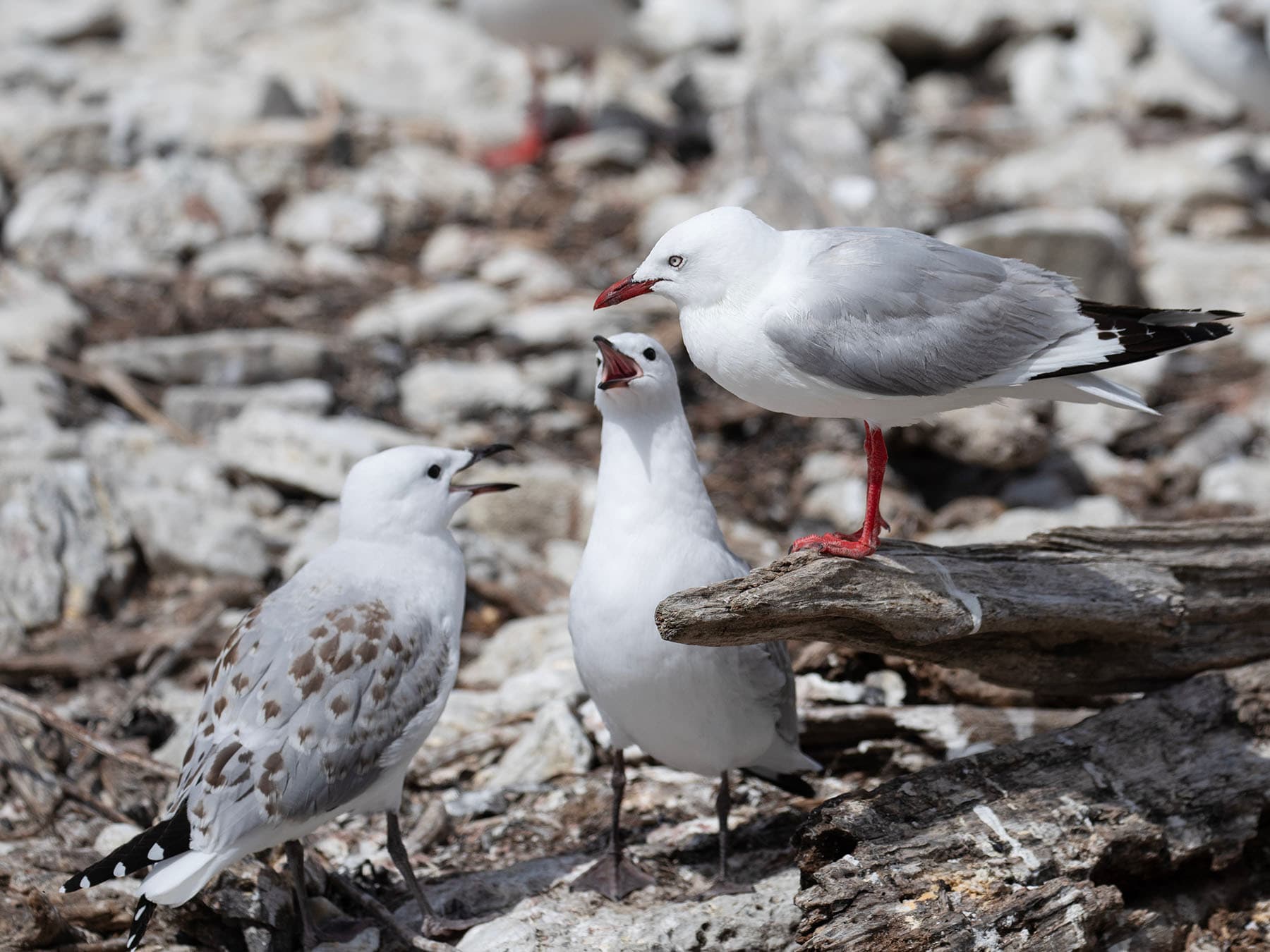
Come the breeding season, both parents are all in. They'll take turns incubating eggs, defending their patch of territory with impressive dedication - just try walking near a nesting colony and watch the synchronised dive-bombing display.
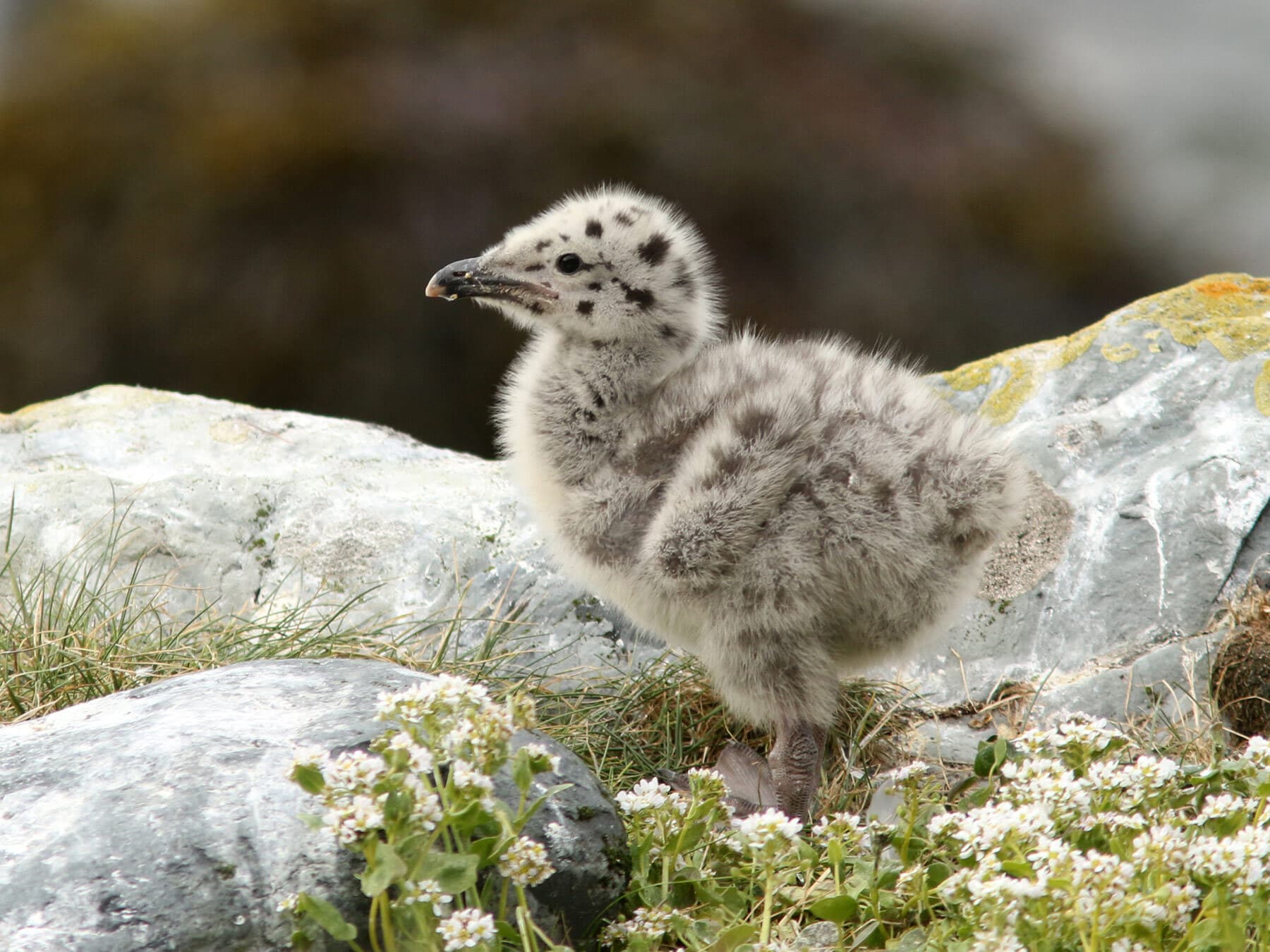
Later, you'll see them taking turns feeding chicks, one parent guarding while the other searches for food. It's this shared commitment that helps their chicks survive the crucial first few weeks.
Seasonal Separations
During winter, many pairs split up temporarily as they follow food sources, but come spring, most find their way back to familiar breeding grounds and familiar partners.
It's not quite 'till death do us part,' but for most seagulls, it's pretty close.