Facts · Updated 8 Oct 2026
Do Crows Like Shiny Things? (What About Magpies + Myths Debunked)
By the Birdfact teamChecked by Nathan Cope
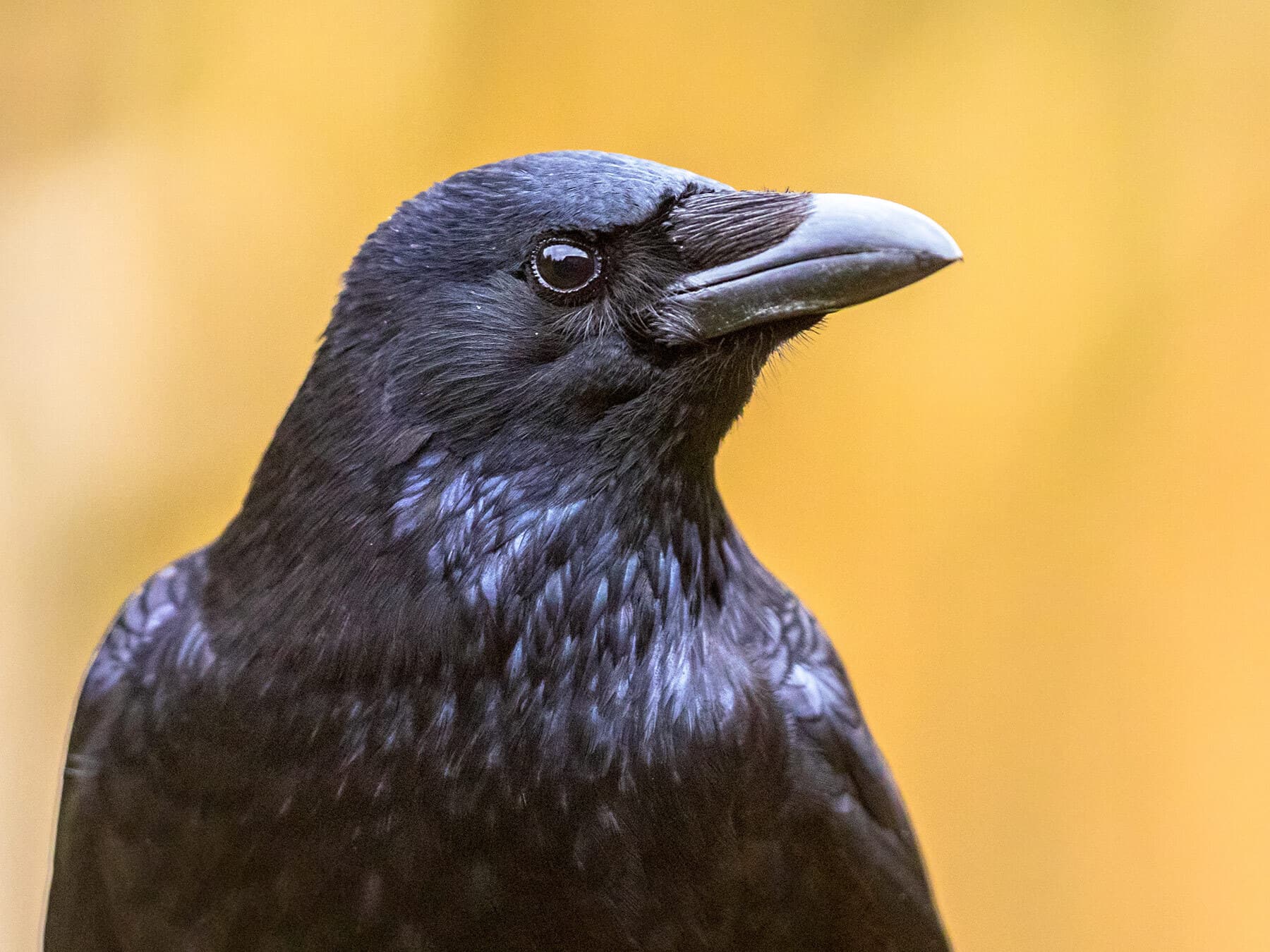
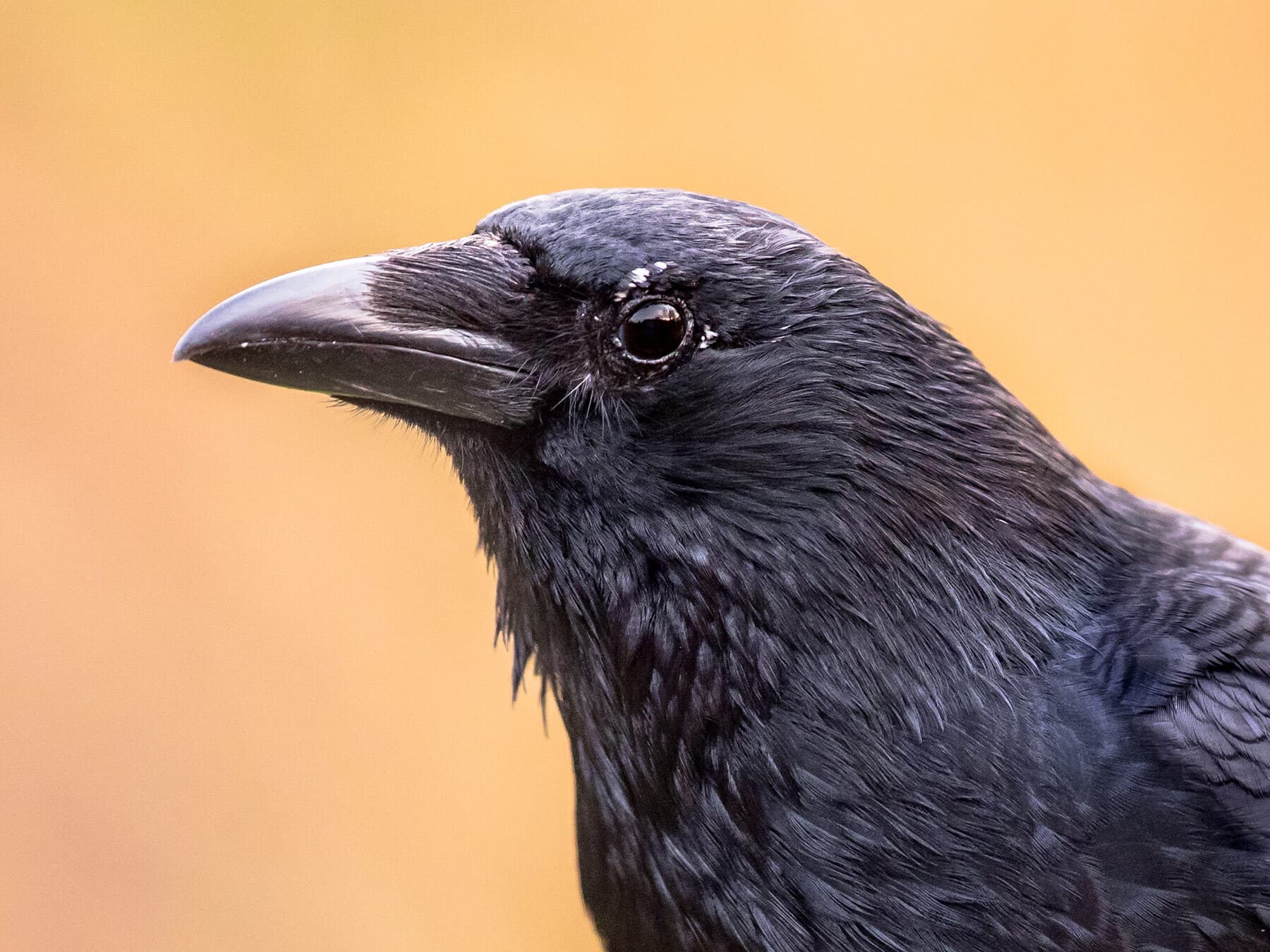
Popular folklore has long linked corvids to being hoarders, lining their nests with sparkly treasures and metallic objects. But is there any truth behind these stories, and if so, why do crows like shiny things?
Read on as we explore whether there’s any chance that the precious ring or bracelet you lost may have actually ended up being quickly snapped up by a nearby corvid.
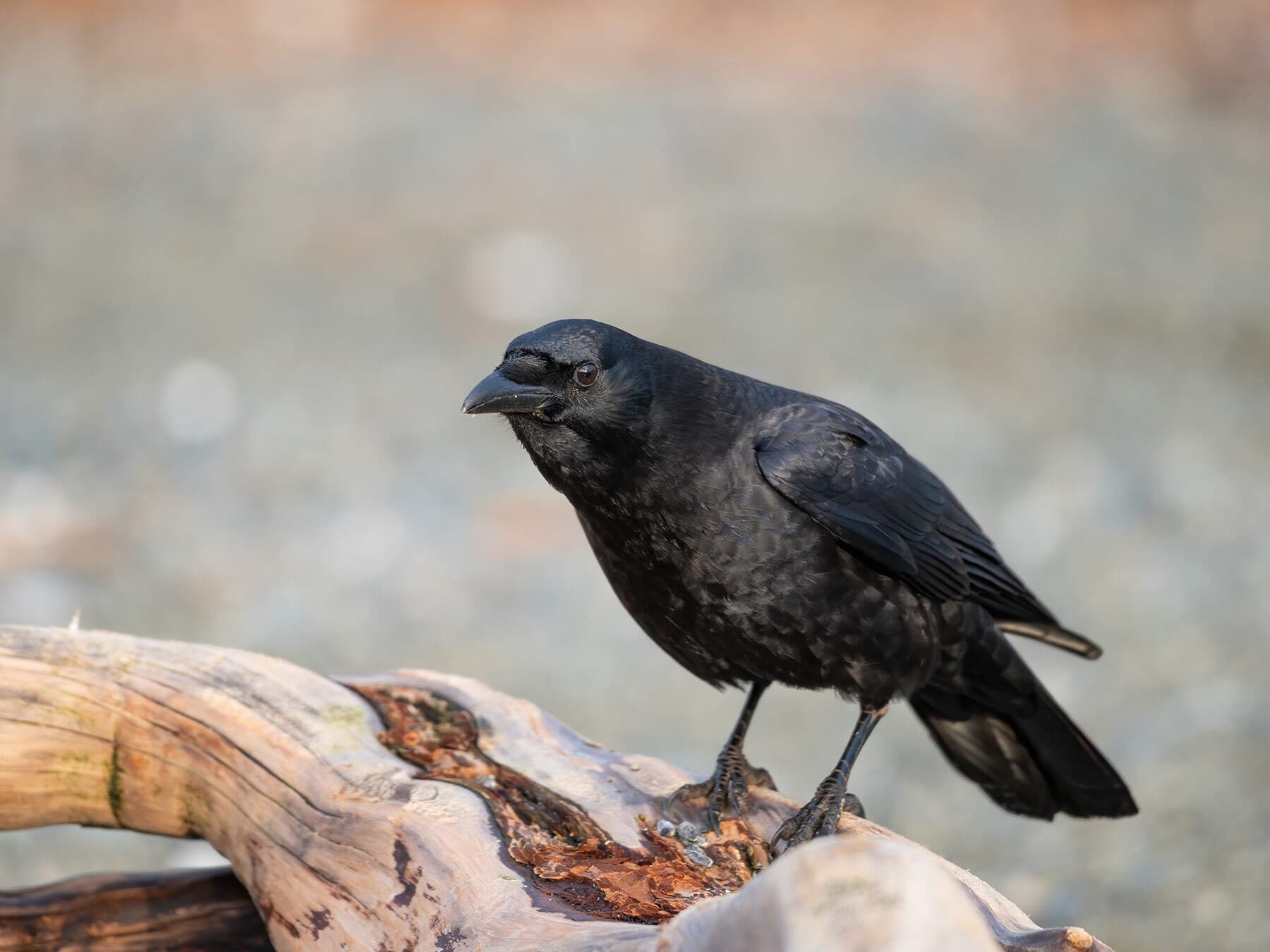
Research has shown crows to be highly intelligent, with excellent memories and strong powers of facial recognition. Legends even depict crows as ‘criminal masterminds’, helping thieves to pick locks and use keys. But in reality, such powers should be taken with a pinch of salt.
Contrary to this popular belief, crows are in fact more likely to be scared of shiny objects than attracted by them. In some locations, objects that catch the sun and reflect dazzling beams of light may even be used to deter or scare off crows from a piece of land.
Magpies and shiny things
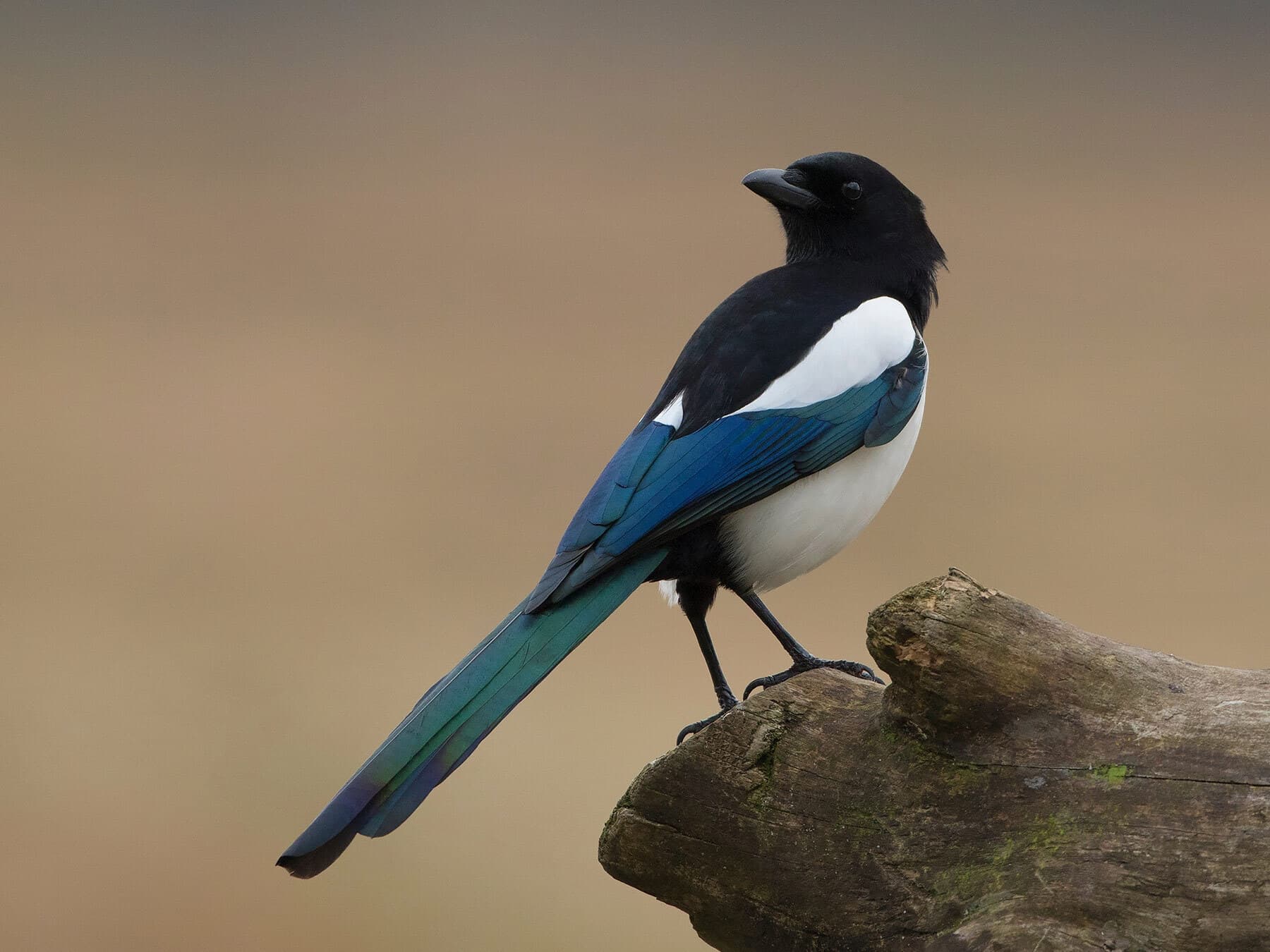
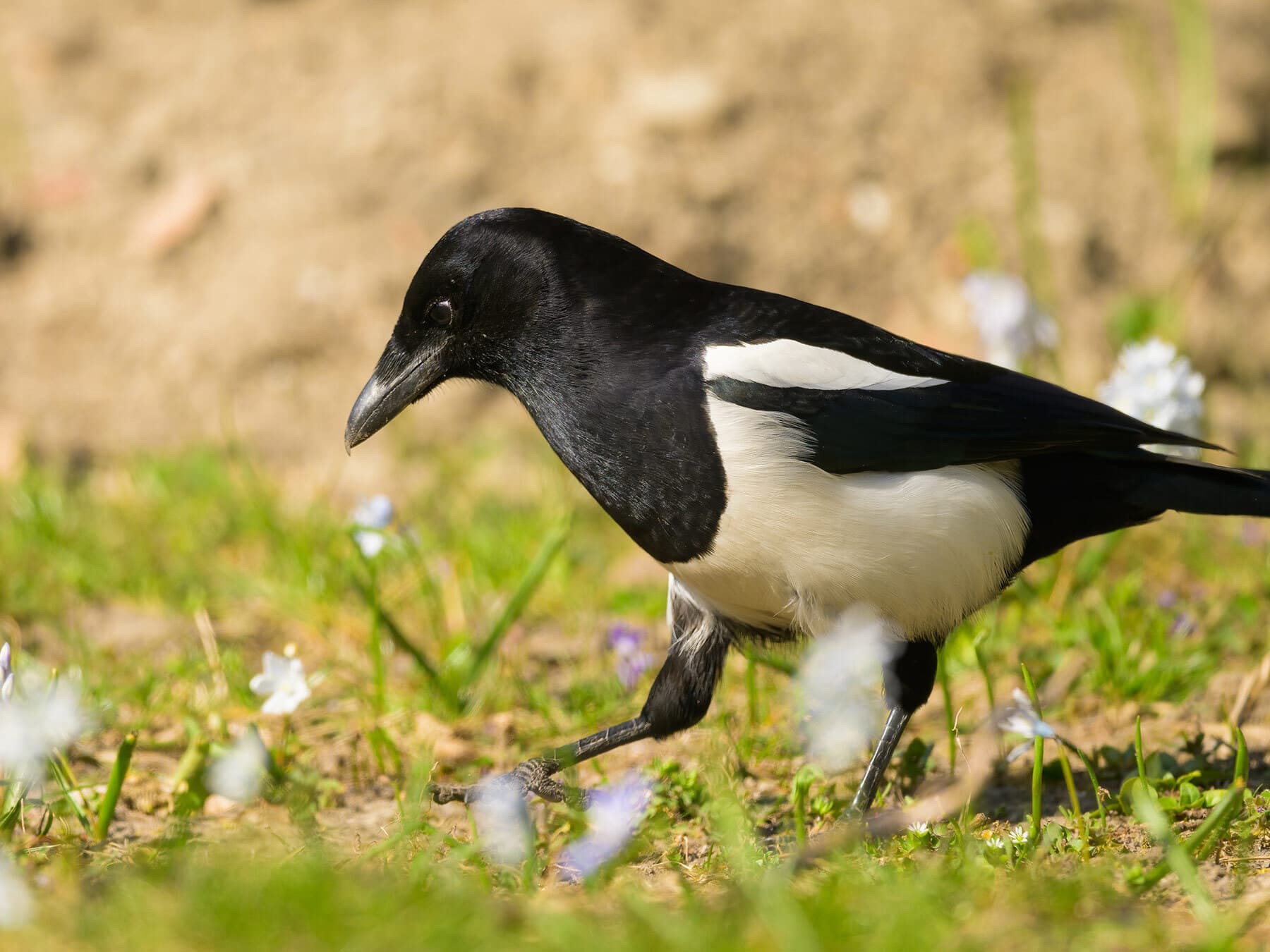
Another member of the corvid family, the magpie, also has a bad reputation as a serial hoarder of shiny objects, based on centuries-old tales, passed down from generation to generation and becoming so ingrained in popular culture that it is almost impossible to unravel just where these legends originated, and how much truth they actually contain.
Scientists at the UK’s Exeter University undertook research into just how much truth there is in the theories that magpies love, collect, and even steal shiny things. Food was placed alongside shiny objects, and the birds’ reactions recorded.
The results may be surprising to some: rather than being attracted to the shiniest items, the magpies seemed somewhat nervous of the shiny objects and were hesitant to touch the food that was placed nearby because of its proximity.
In a 2014 study, scientists cited only two recorded accounts where “stolen” shiny items turned up in magpie nests: keys, coins and a spanner from a car mechanics’ workshop in 2007 and a missing engagement ring in 2008.
Other anecdotal evidence exists of crows being particularly attracted to belongings that are valued by humans, which may have fueled their reputations as being cunning thieves.
Crows that were kept as pets were observed to take keys, jewelry, coins and other items that were of particular importance to their owners. This was assumed to be because of their association with the owner, rather than because of any silvery or shiny appearance.
Another suggestion that explains why crows may sometimes show an interest in shiny or reflective items they have picked up off the ground is that tin foil or silvery packaging is often used as wrappers for food.
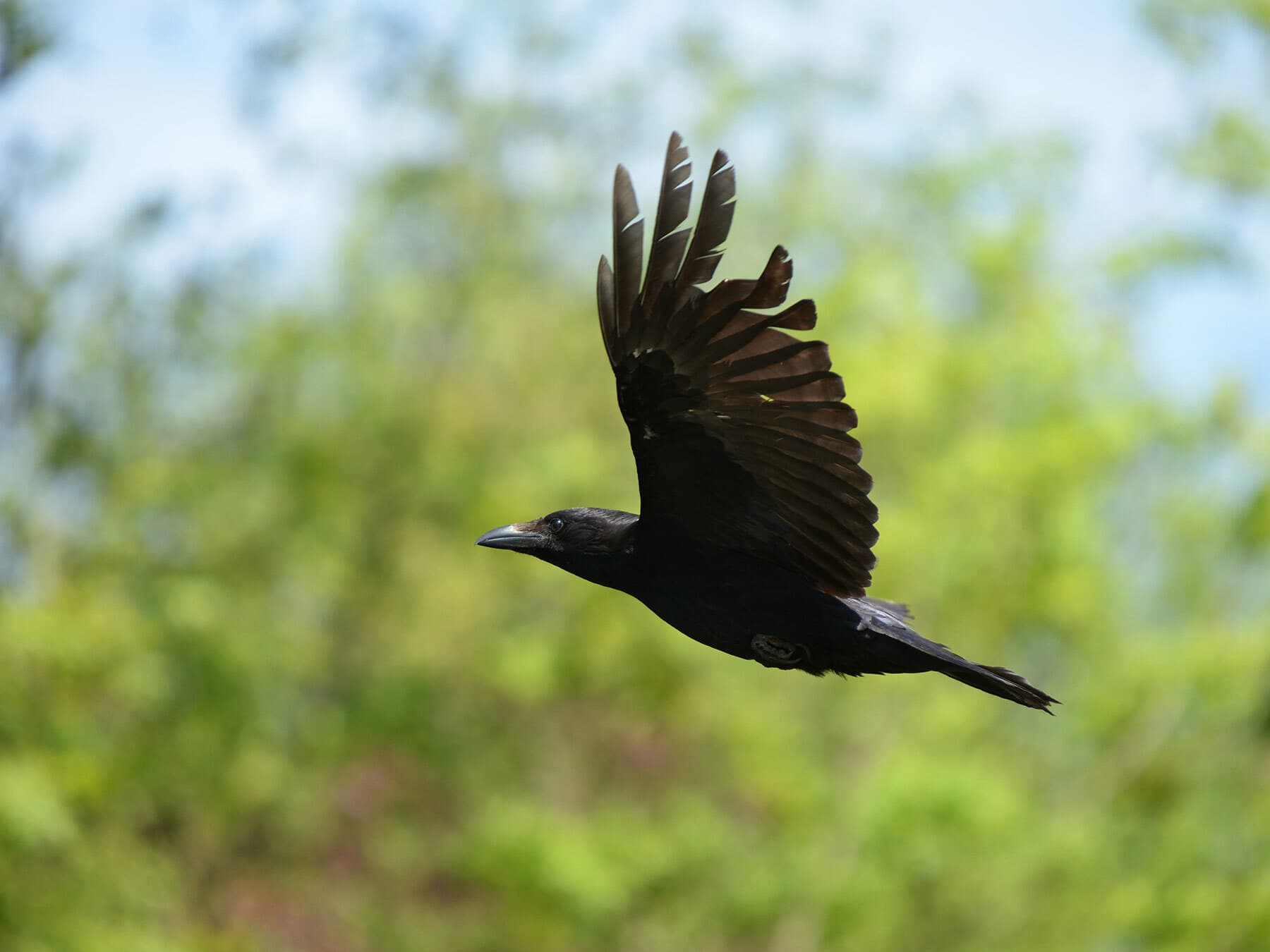
Crows may be seen pecking papers from garbage bags or off the floor, in the hope that scraps of leftovers are nearby and they may have stumbled across a convenient quick meal source. Again, this is more because of the association that these kinds of wrapping materials bring for these opportunistic scavengers, rather than them having an innate attraction to the color silver.
So now we know that crows and magpies are in fact, not big fans of all things sparkly and glittery based on looks alone, let’s take a deeper look into how this popular belief developed, and investigate whether there are any bird species that are attracted by shiny things.
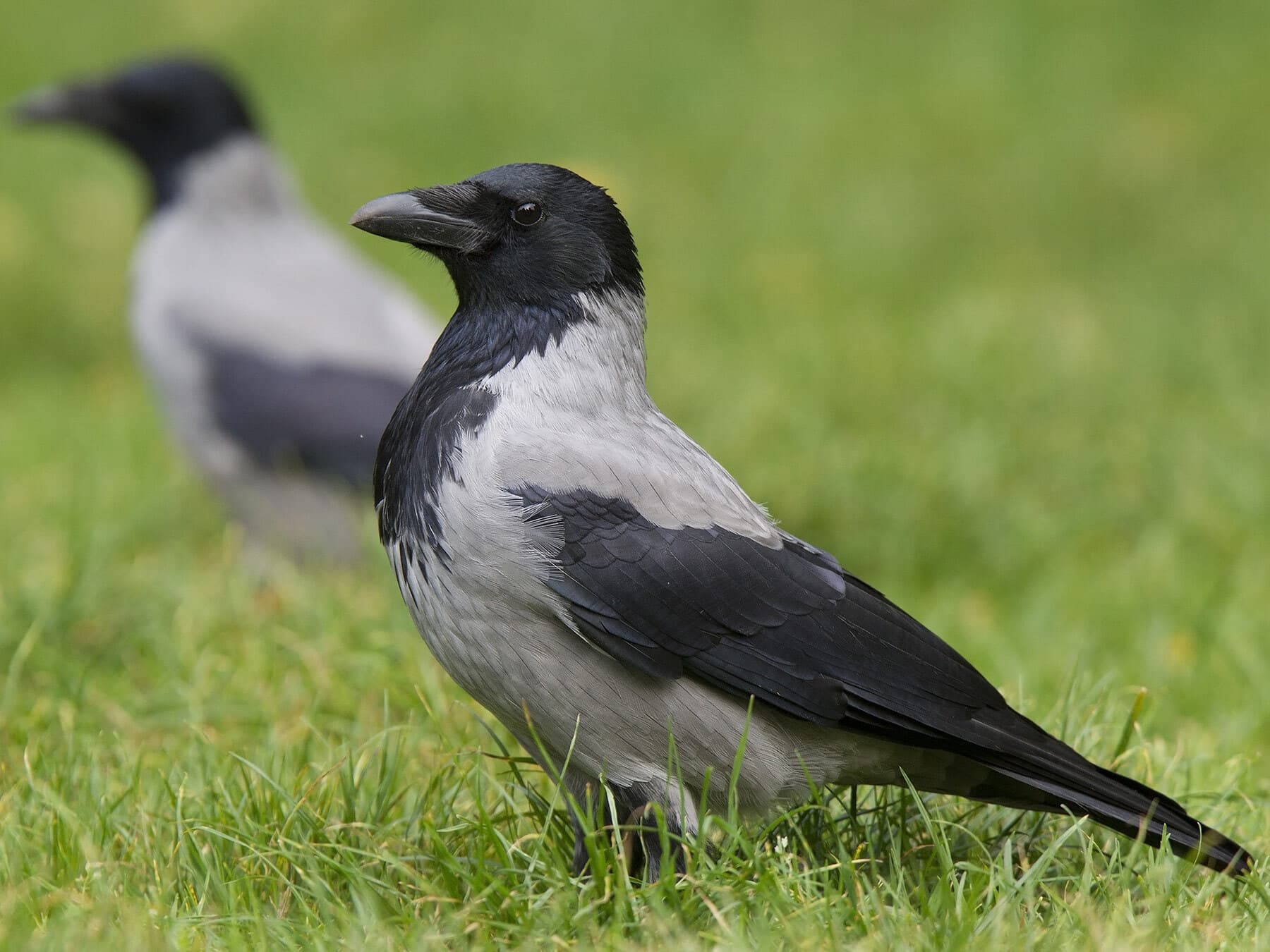
Where the myth comes from
An 1815 opera by Rossini, called The Thieving Magpie, was published, which told the story of a maid accused of stealing silver from her employers. She was ultimately saved from the fate of a death sentence after the thief was revealed to be a magpie that had built up a stash of treasures in a church tower.
In European folklore magpies, and to some extent crows, are linked with a number of superstitions, many of which connected to their reputation as omens of doom or ill fortune. This bad press has developed around the belief that they have links to witchcraft and are therefore viewed with suspicion and negativity, ingrained from hundreds of years of cultural generalizations.
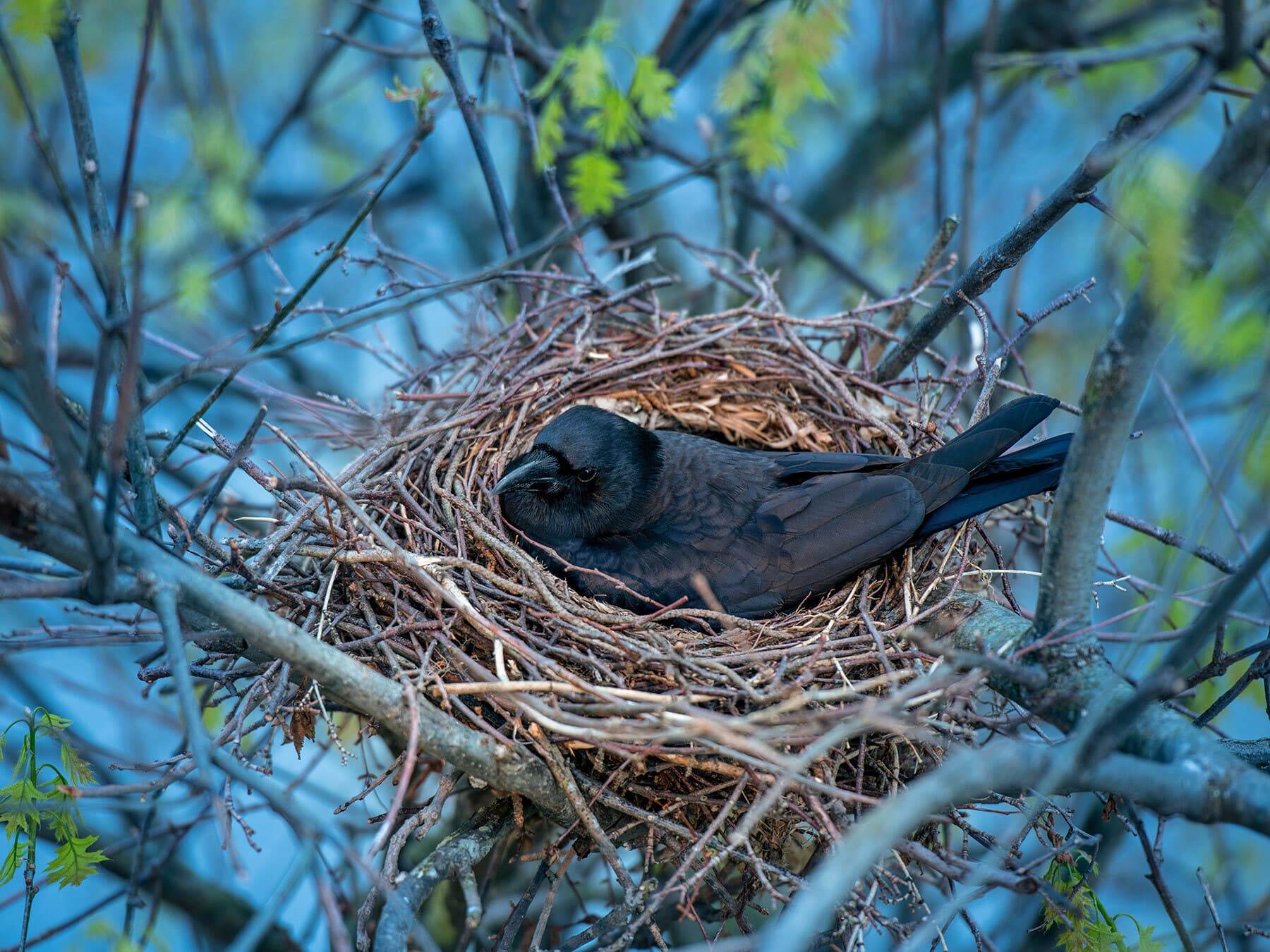
On occasion, magpie nests have been found to contain foil wrappers, jewelry, coins, and other sparkly trinkets. This shows that magpies do sometimes take these “treasures” back to their nests, although offers no explanation as to why this might be, and certainly isn’t enough proof to confirm that they are the compulsive kleptomaniacs that legend would have us believe.
One theory to explain this is that rather than being because magpies want to steal these objects, it is actually because these birds become startled when approached by people. This causes them to fly off, carrying whatever was lying nearby on the ground at the time to the safety of their nests, where they can inspect it further, in case it contains something edible.
Do crows collect things?
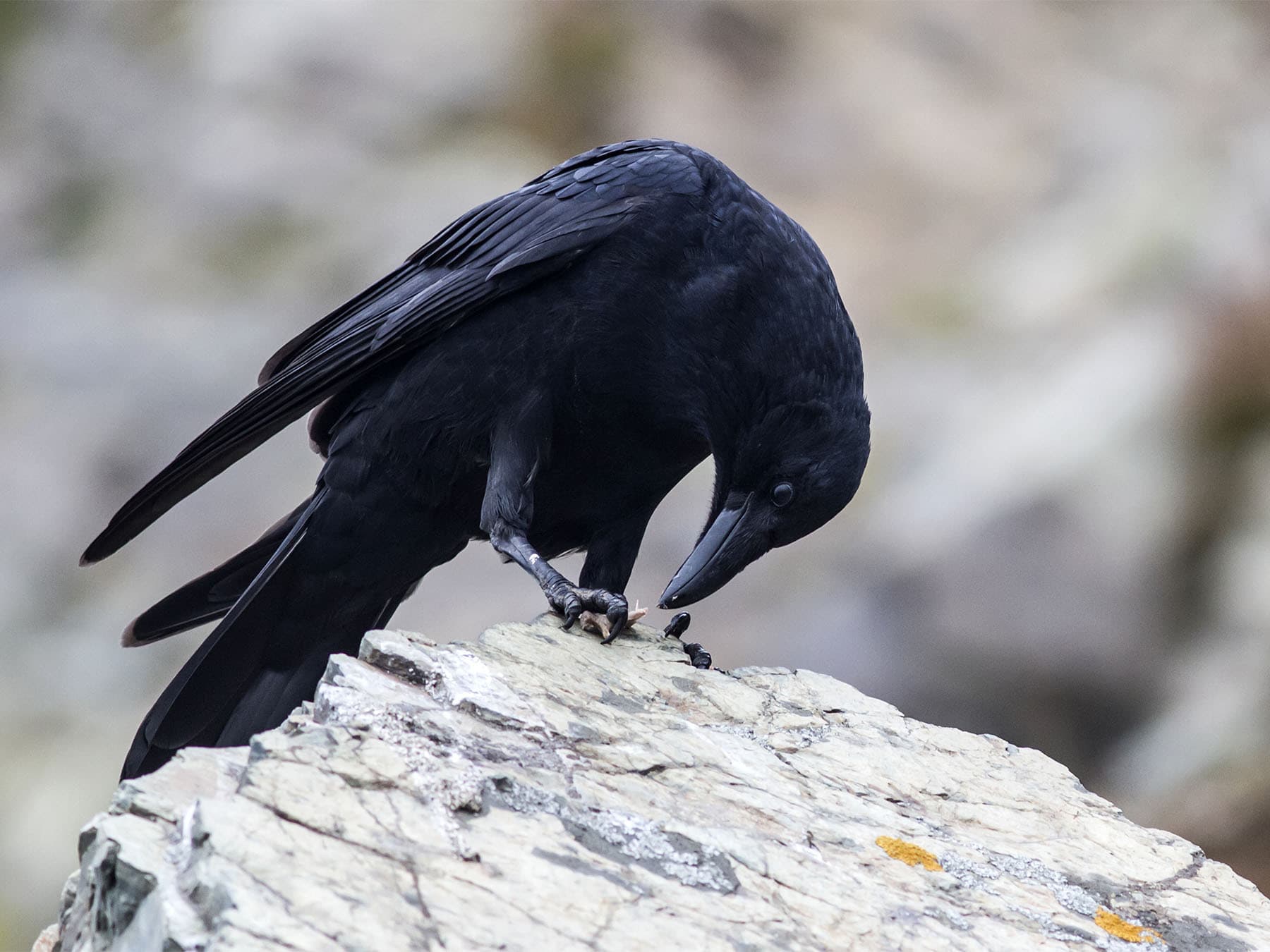
It appears to be another myth that crows are avid hoarders or collectors. The only thing that crows are known to deliberately and frequently stash is food, for a future meal. And that’s not all - food-hiding habits of crows have been observed to be highly developed and carefully orchestrated, rather than random or opportunistic.
Crows observed stashing food and revisiting it some time later, have been studied with great interest, providing some fascinating insight into the recall and discerning nature of these highly intelligent corvids. Crows revisit cache sites to retrieve food they have hidden. However, they will only return to look for food that is still in a good state to consume, and will not dig up food that they know will no longer be edible.
This shows that crows can remember not only where they buried their stashes, but also when, and from this are able to work out whether or not the hidden food would still be edible.
Other birds and shiny things
Several other birds have gained reputations as being fans of bling. In some cases this might be purely coincidental, or again, unsubstantiated hearsay or old wives’ tales.
Blue Jays
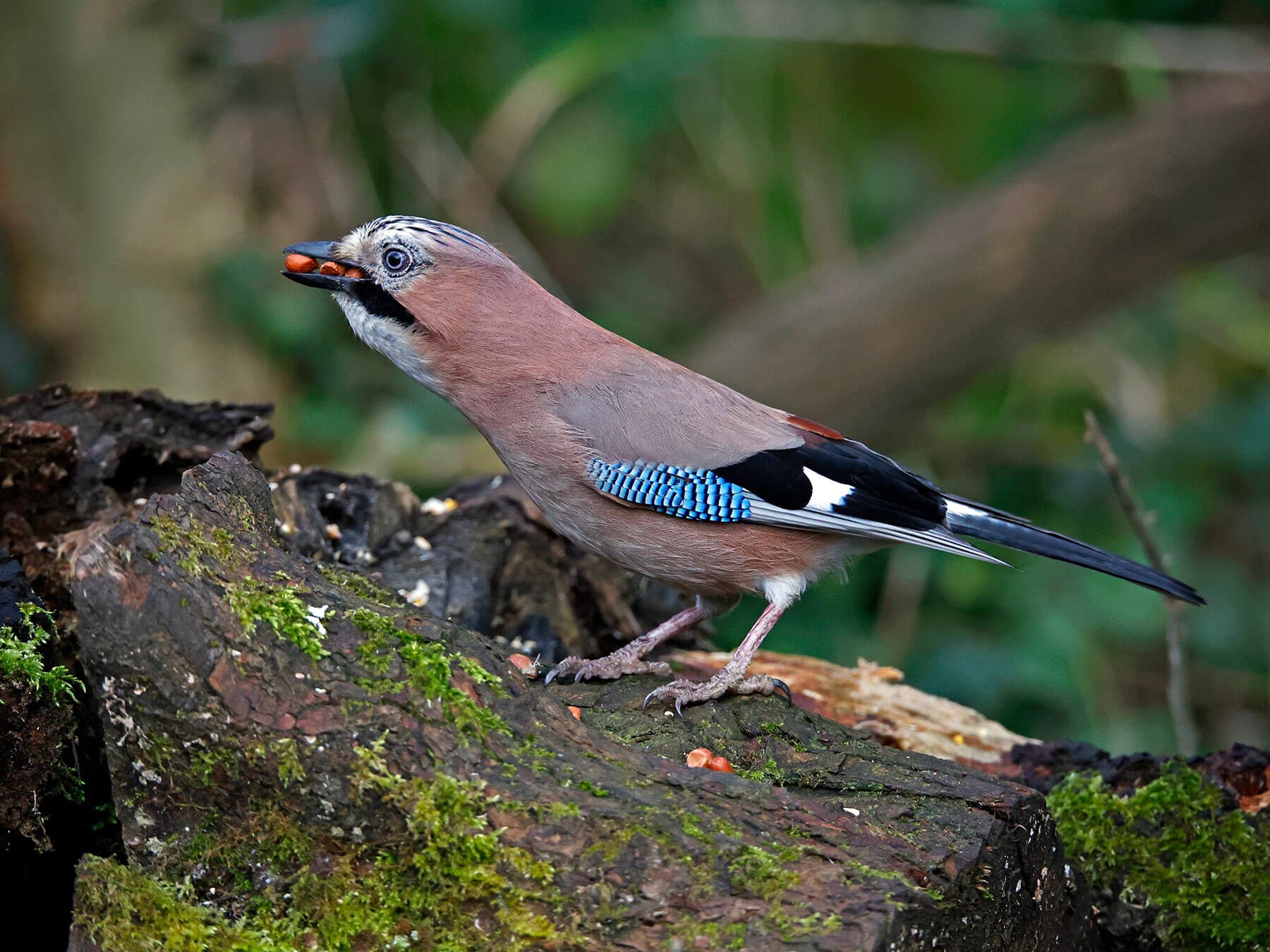
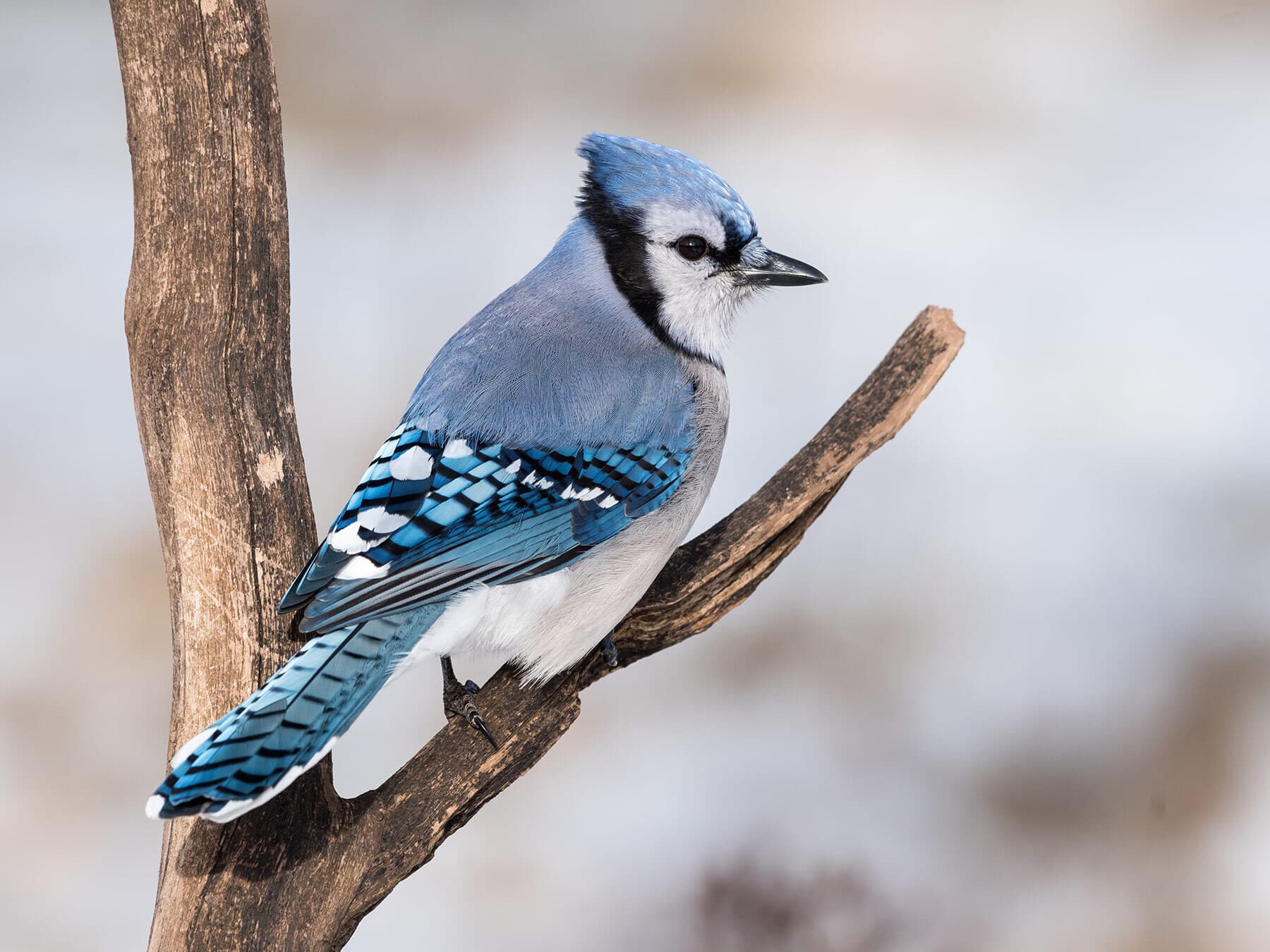
Blue jays are said to be drawn to a variety of reflective objects, and weave these into twigs when creating their nests. One theory is that the shiny surfaces look similar to clear, fresh water, which would impress a potential mate.
Blue jays breeding in towns and cities tend to use a lot of debris left by humans, such as littered candy wrappers and foil packaging, to line their nests. They have also been observed to peck at aluminum cans and even metallic car parts, while foraging for food.
Satin bowerbirds
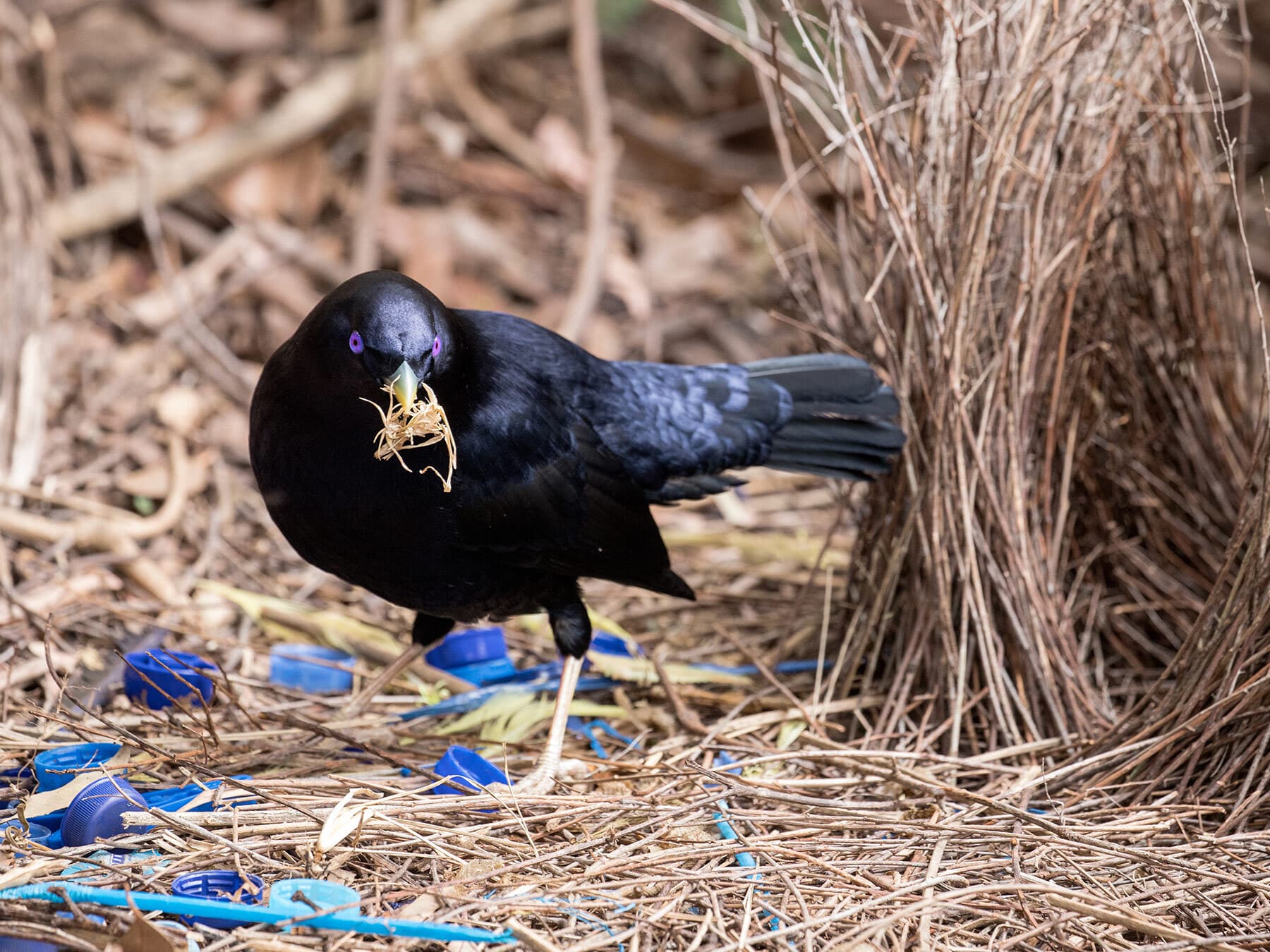
Satin bowerbirds, native to Australia, are another example of a bird species that puts a huge amount of thought into nest construction and decoration. Although largely a collector of blue and yellow objects for ‘interior design’ purposes, their nests also contain any shiny materials they discover while building, such as pens, hair clips, and metallic litter, which they then use to impress and ultimately secure a mate.