Facts · Updated 8 Oct 2026
Do Birds Have Eyelids?
By the Birdfact teamChecked by Nathan Cope
On this page11 sections
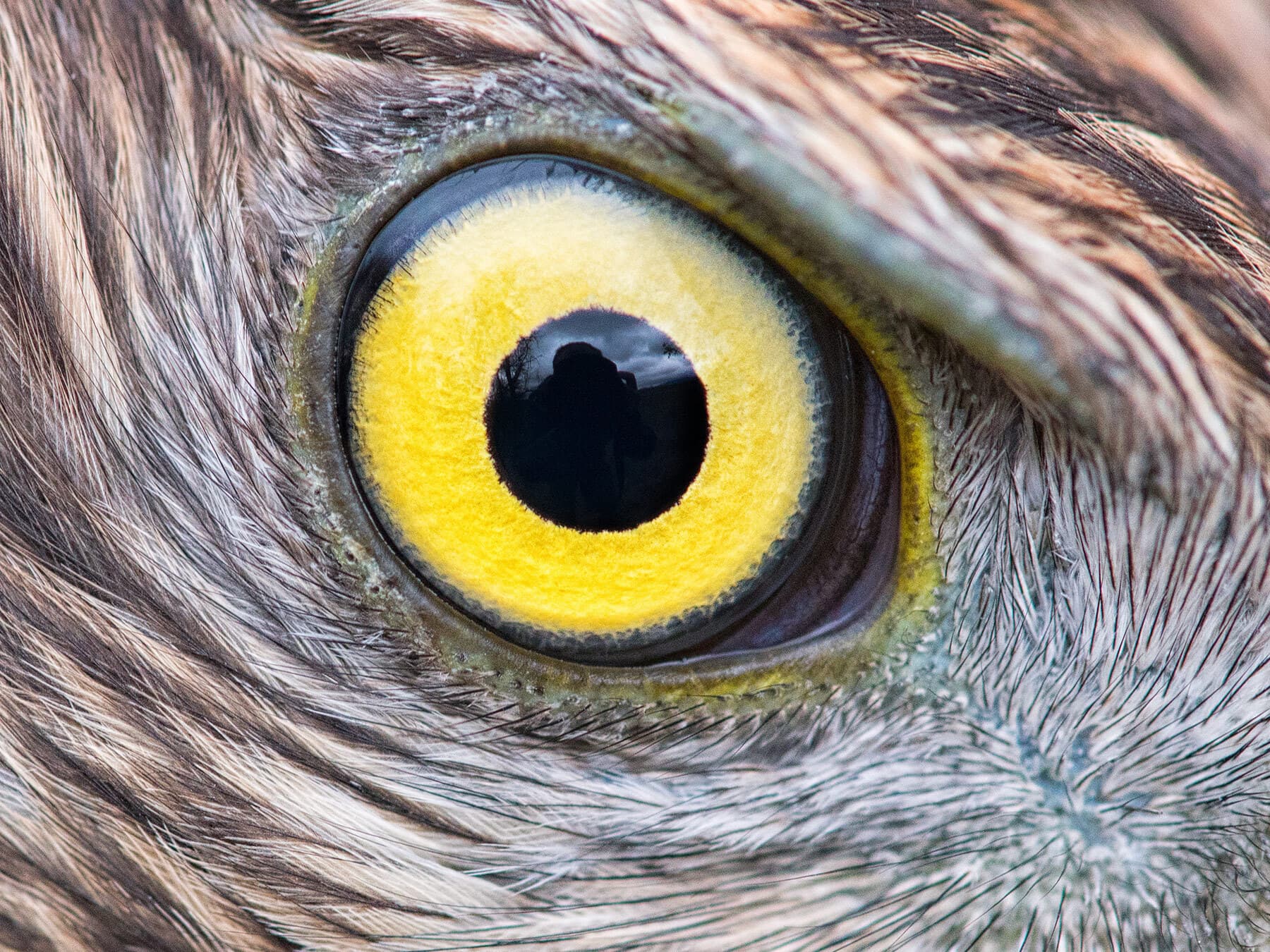
Of all of a bird’s senses, vision is arguably the most important, with birds relying almost exclusively on their eyesight to find food, attract mates, and keep safe from predators. Accordingly, birds’ eyes are highly developed and complicated organs, with related anatomical features also playing a vital role in both a bird’s eyesight and their overall survival.
Read on as we explore whether birds have eyelids, eyelashes, and even tear ducts, and the purpose these structures serve. So let's get into it, do birds have eyelids?
All birds have three eyelids: an upper and a lower external eyelid, with a third “eyelid” underneath to protect the cornea. This translucent layer of tissue, known as a nictitating membrane, slides across the eyeball and lubricates the eye, preventing dirt particles from entering.
The nictitating membrane, which retracts across the eye horizontally, allows birds to continue to see in situations where their eyesight is at risk of being damaged, without putting them in danger of predation by even a split-second closing of an eye and loss of vigilance.
But do all bird species share this particular anatomical feature, and does it serve any further function?
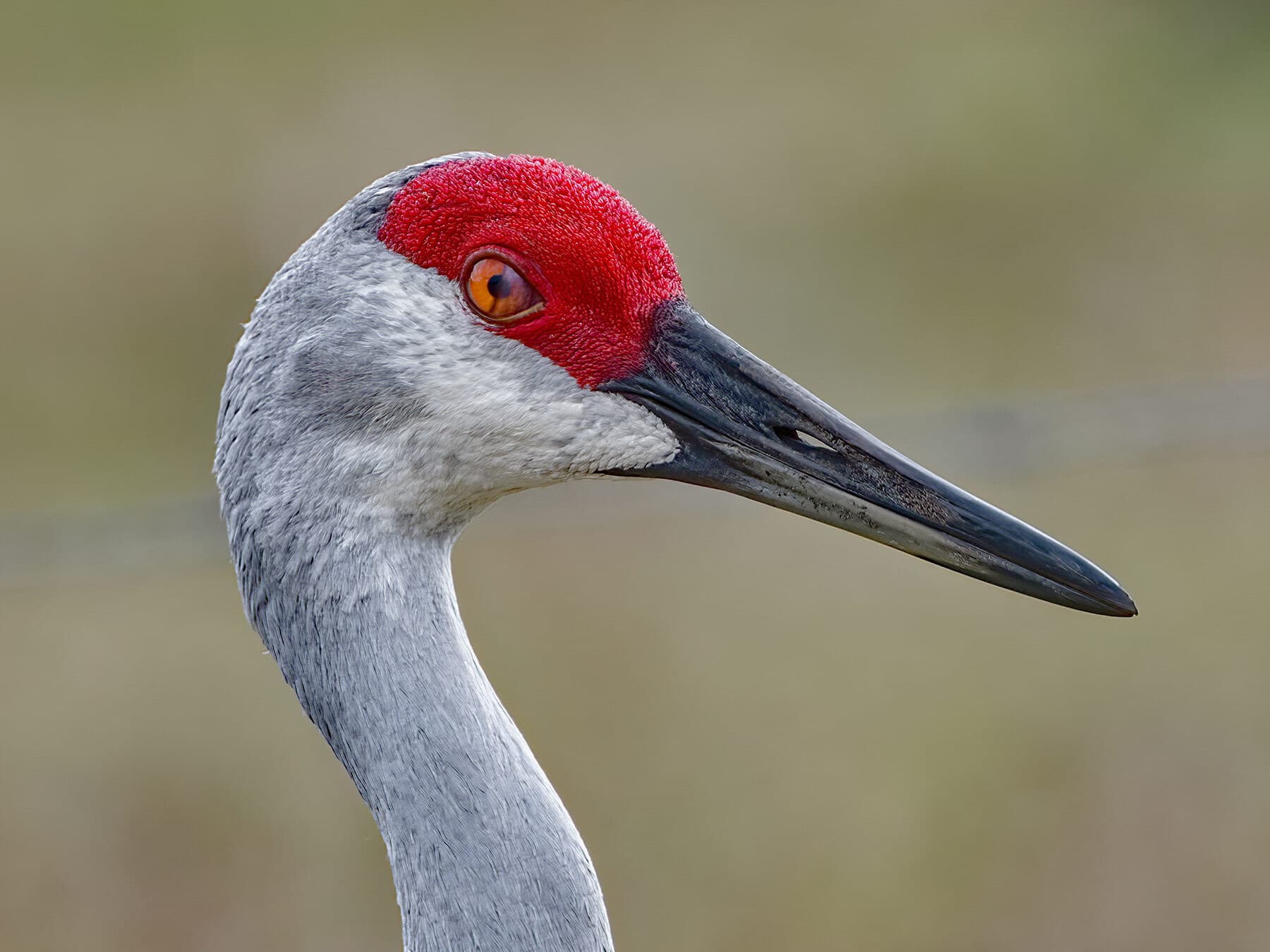
Closing the eyes
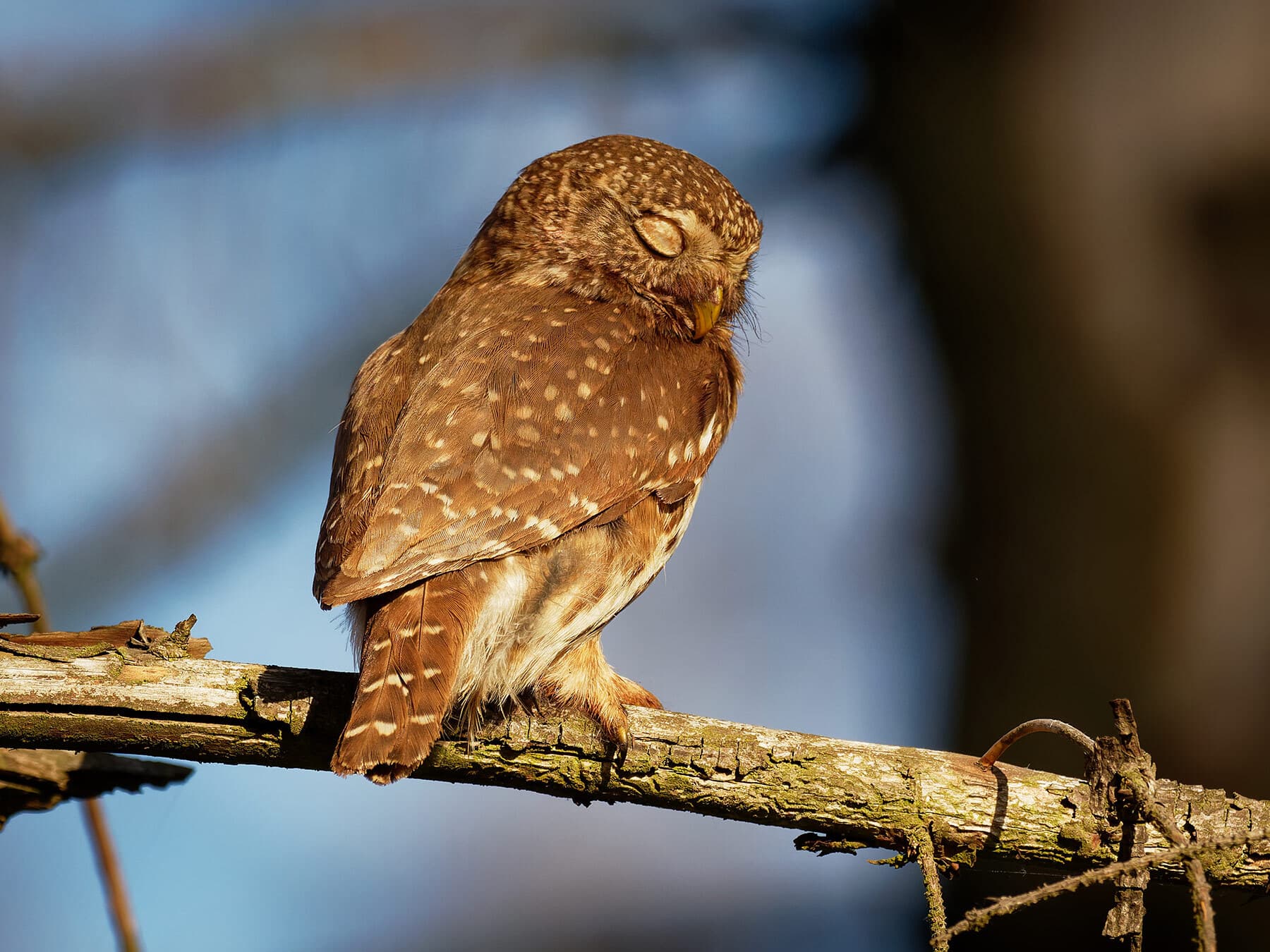
Birds can close their eyes, and frequently – but not always – do so when sleeping. The lower eyelid of a bird moves upwards to meet the upper one, blocking out light and allowing the bird to rest.
The see-through third eyelid
This “nictitating membrane” allows water birds to see underwater, raptors to hunt without risk of injury to the surface of their eyes while catching their prey, and birds to continue to be able to safely navigate through dusty air or environments that are heavily polluted.
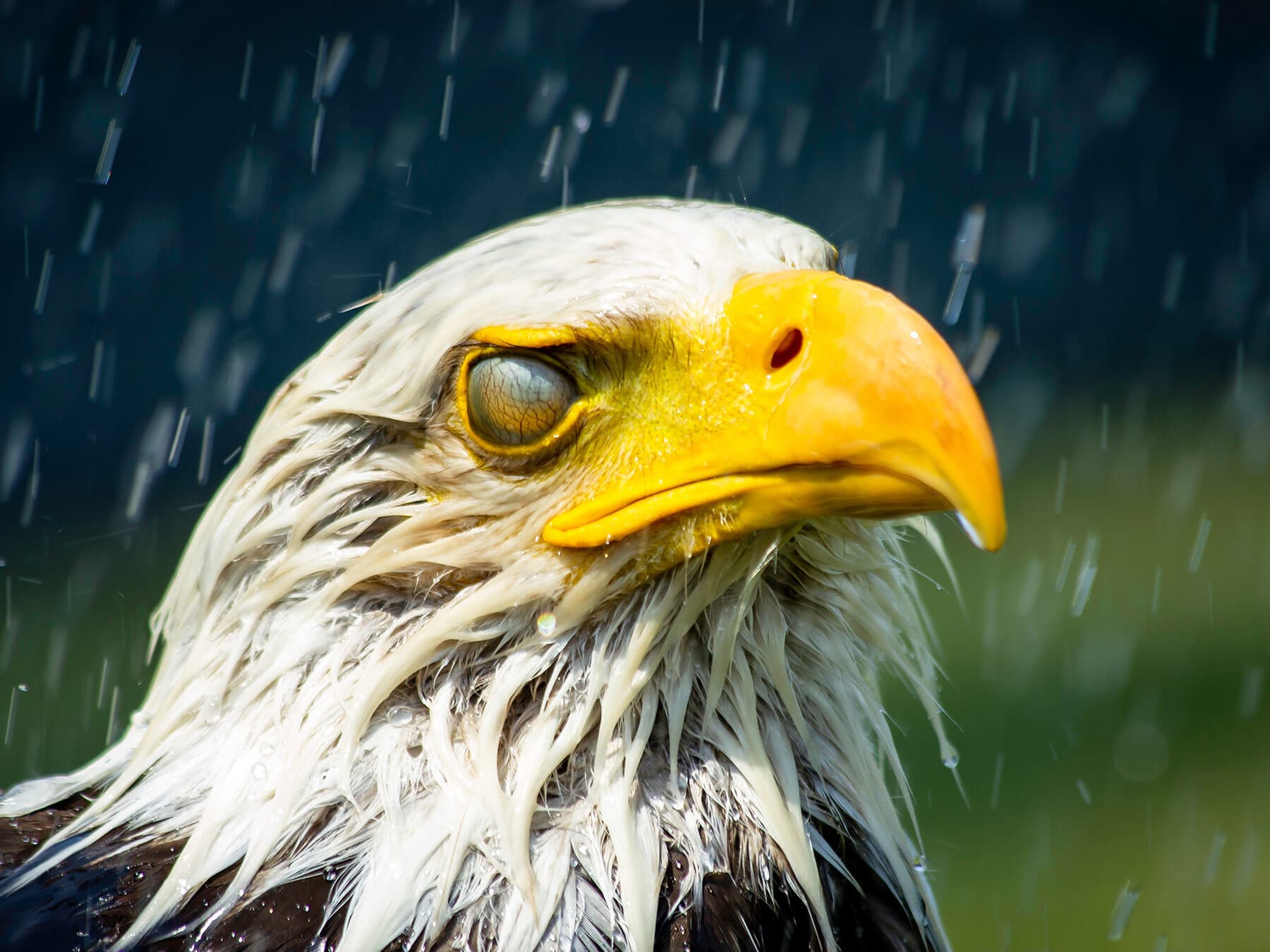
Upper, lower and third eyelids
All birds have three eyelids. Two of these are external, an upper and a lower lid, of which the lower one is more moveable than the upper one.
Birds, as well as reptiles and some mammal species, are equipped with a so-called “third eyelid”, also known as a nictitating membrane. This thin, retractable layer swipes across the eyeball horizontally, providing protection against damaging airborne particles and offering lubrication and cleansing functions.
This nictitating membrane also protects the eyes of birds of prey from injury while hunting, and for diving ducks to be able to keep their eyes open and being able to see while underwater without any impurities from getting into their eyes and damaging their vision.
Blinking
Most bird species do not blink in the conventional way that humans do, with a quick opening and closing of the eyes. Blinking bird species – owls, ostriches, and parrots – are in the minority.
Instead of the traditional blinking of humans, with a momentary closing of the upper eyelid across the eyeball, most bird species rely instead on their third eyelid to serve the purpose of giving the eye a quick clean.
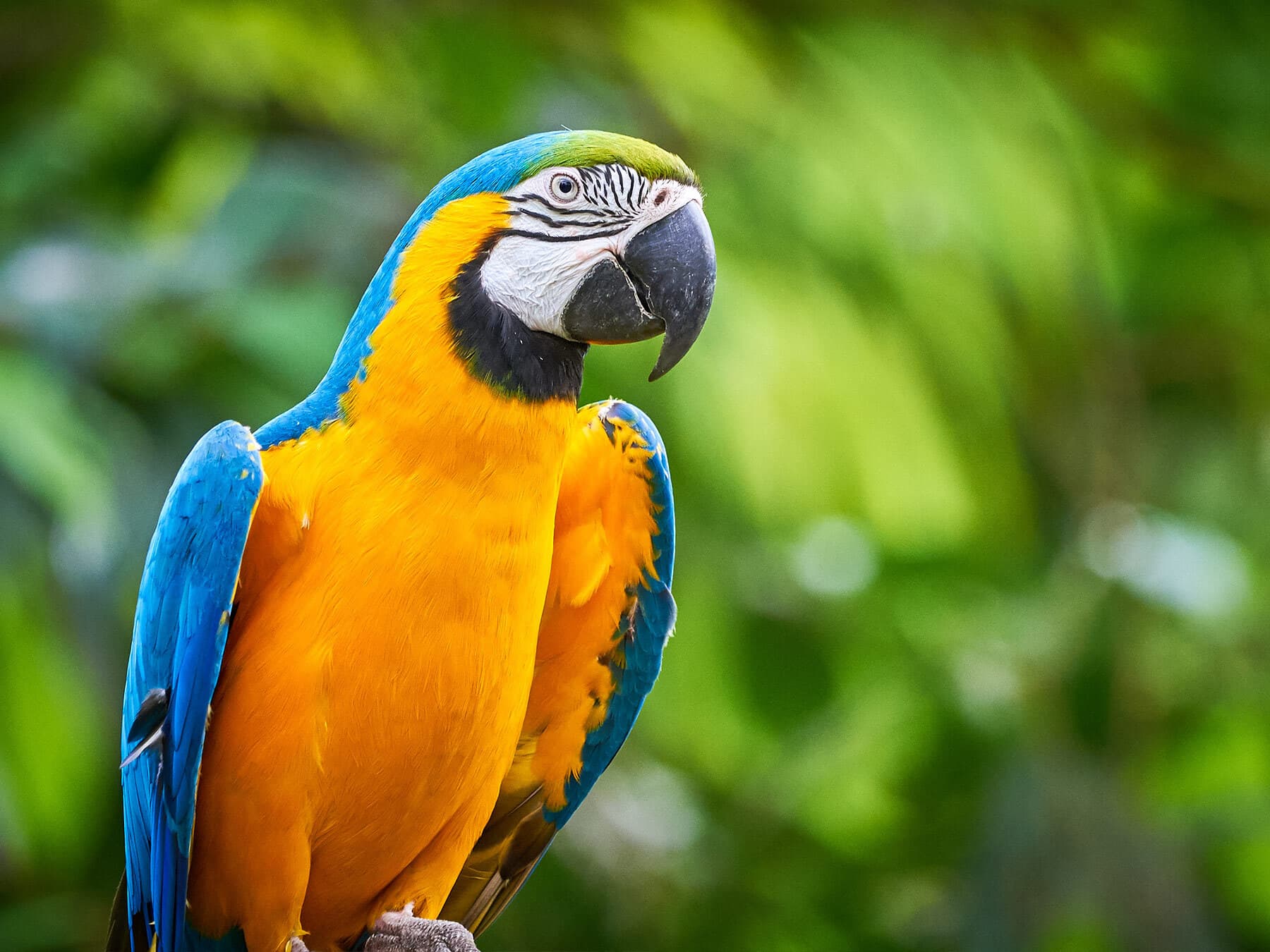
How they blink
Only parrots, ostriches, owls and a handful of other species blink by closing their upper or lower outer eyelids. Owls blink by closing their upper eyelid downwards.
Eyes closed in sleep
Generally, birds do fully close both eyes when getting some shut-eye, frequently also tucking their head and beak underneath their wing while they are resting.
To maintain a sense of vigilance overnight, some birds, including many duck species, actually sleep with one eye open, and the other one closed. This phenomenon, known as unihemispheric slow-wave sleep (USWS), allows them to keep one part of their brain alert to dangers, while the other portion shuts down and is rested.
Some aerial birds, including swifts, sleep on the wing, and keep one eye open at all times. This ensures they are aware of their surroundings and alert to the presence of any predators.
Eyelashes
Some birds, including hornbills, secretary birds, some parrot species, ostriches, and bald eagles, have hairlike feathers around their eyes that resemble eyelashes.
These tiny bristle-like feathers serve the same purpose as eyelashes do in humans, to protect the eyeball from being damaged, by triggering a reflex action of closing the eyelid when they are touched.
Do birds have tear ducts?
A lubricating duct forms part of the nictitating membrane in birds, and serves the same purpose as a tear duct in humans and many other mammals. However, birds do not cry or shed tears through sadness, with the lubricating duct serving purely a cleansing purpose to keep the cornea surface moist and free from dirt particles.
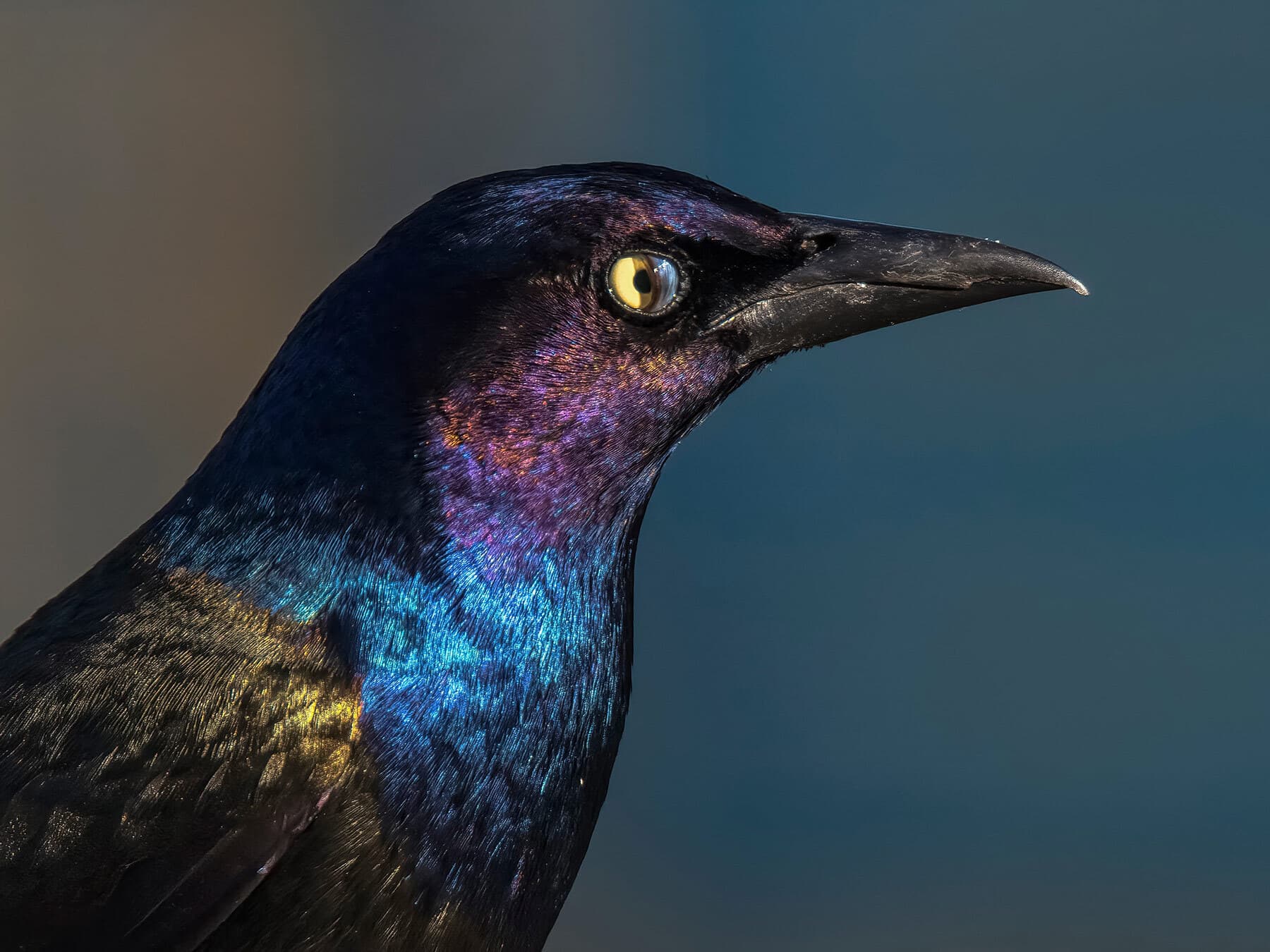
Pigeons
Like other bird species, pigeons have upper and lower eyelids, as well as a third inner membrane that protects and lubricates the eyeball.
Owls
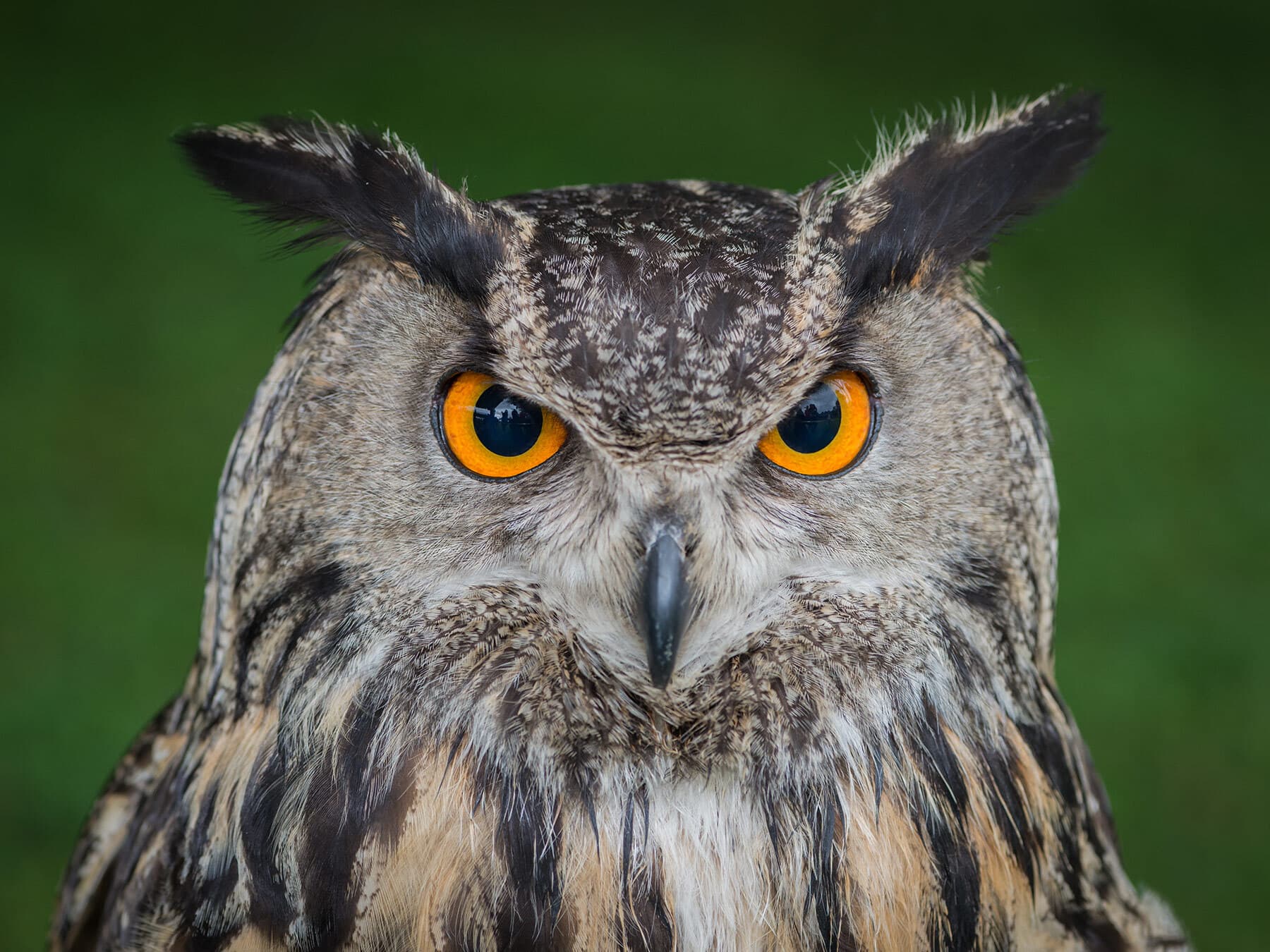
Like other bird species, owls actually have three eyelids rather than just two. They have an upper eyelid, which closes downwards when the owl blinks.
The owl’s third eyelid is what is known as a nictitating membrane, a protective layer that can slide across its cornea diagonally, preventing dust, grit and dirt particles from entering and damaging its vision, and also cleaning and lubricating the eyeball. In owls, this nictitating membrane is opaque, rather than translucent.
Do all birds have three eyelids?
All birds have both upper and lower eyelids, as well as a nictitating membrane, which is commonly referred to as a third eyelid. This is a translucent inner layer, located beneath the upper and lower eyelids, which sweeps horizontally or diagonally across the bird’s eyeball. It serves the purpose of cleaning and protecting the eyeball.