Getting Started with Birdwatching
Birdwatching is one of the most rewarding outdoor hobbies you can pick up — and one of the easiest to start. You don't need expensive gear, specialist knowledge, or even a garden. All you need is a little curiosity and a willingness to slow down and look up.
Whether you're noticing birds for the first time or want to turn casual glances into confident identifications, this guide covers everything you need to get going.
What to Expect on Your First Outing
Your first birdwatching trip doesn't need to be a grand expedition. A walk through your local park, along a canal towpath, or even sitting quietly in your garden counts. The goal is simply to start noticing.
You'll quickly realise that birds are everywhere once you start paying attention. A typical hour in a UK garden might reveal 10–15 species; a walk through good woodland could turn up 20–30. Don't worry about identifying everything immediately — focus on watching behaviour, listening to calls, and enjoying the experience.
The 80/20 Rule
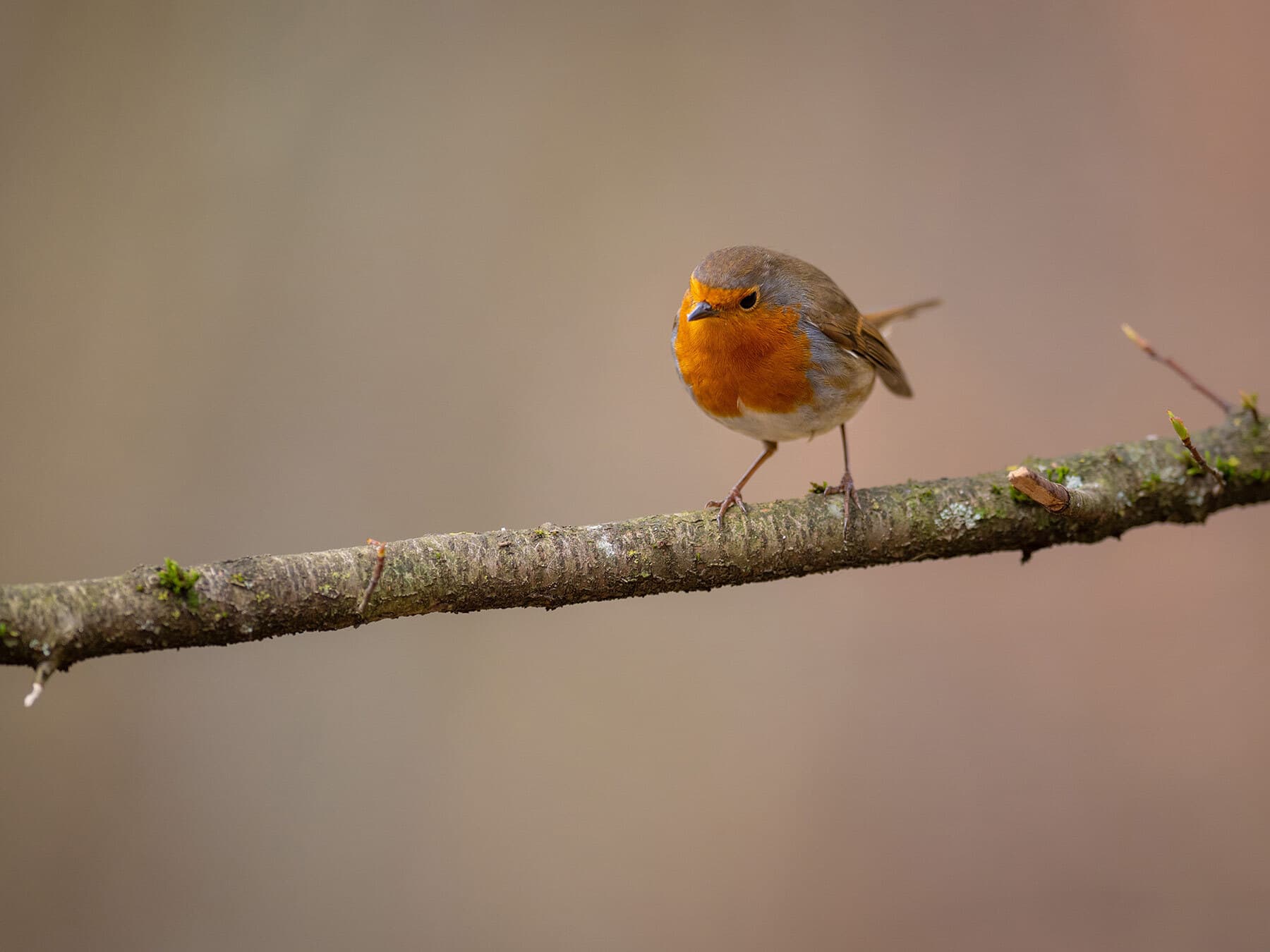
In any given area, roughly 80% of the birds you see will come from about 20% of the local species. Learning these common birds first gives you a solid foundation. In a British garden, that means Blue Tits, Robins, Blackbirds, Woodpigeons, and House Sparrows. In a North American backyard, think Northern Cardinals, American Robins, Blue Jays, and Black-capped Chickadees.
Did You Know?
Best Times to Go Birdwatching
Birds are most active during the first two hours after sunrise and the last hour before sunset. Dawn is particularly productive — birds are hungry after a night's rest and sing vigorously to defend territories.
Seasonal Highlights
Spring (March–May) is peak season: migrants return, birdsong reaches its crescendo, and breeding plumage is on full display. Autumn (September–November) brings migrating waders, raptors, and the first winter visitors. Winter is brilliant for waterfowl — lakes, reservoirs, and estuaries host thousands of ducks, geese, and swans. Summer can feel quieter as birds moult and fall silent, but it's perfect for watching fledglings learn to fly.
Essential Equipment
You can start birdwatching with nothing but your eyes and ears. But a few basics make the experience far more enjoyable:
Binoculars
The single most important piece of kit. An 8×42 pair offers the best balance of magnification and field of view for beginners. Look for waterproof models with close focus under 2 metres. Budget picks from Nikon, Olympus, or Hawke start around £100/$120 and are excellent value.
Field Guide
A regional field guide helps you identify what you're seeing. The Collins Bird Guide is the gold standard for Europe; The Sibley Guide to Birds covers North America comprehensively. Digital alternatives include the Merlin Bird ID app, which can even identify birds by their song.
Notebook
Keeping a simple notebook accelerates your learning. Jot down date, location, weather, and what you saw. Over weeks and months, patterns emerge — you'll start predicting which birds appear where and when.
Basic Identification Technique
When you spot an unfamiliar bird, work through these four features in order:
1. Size and Shape
Is it sparrow-sized, thrush-sized, or crow-sized? Is the body compact or elongated? Tail long or short? This narrows your options immediately.
2. Colour and Markings
Note the overall colour, then look for distinctive markings: wing bars, eye stripes, breast spots, rump patches. Pay special attention to the head pattern — it's often the clincher.
3. Behaviour
How is it feeding? Hopping or walking? Clinging to bark or foraging on the ground? Nuthatches walk headfirst down tree trunks — no other British bird does this. Treecreepers spiral upward. Behaviour alone can identify many species.
4. Habitat and Location
A small brown bird in a reedbed is likely a Reed Warbler; the same bird in a hedgerow might be a Dunnock. Context matters enormously.
Did You Know?
Where to Go
Start close to home. Gardens, local parks, and nearby waterways are ideal because you can visit repeatedly and build familiarity. As your confidence grows, explore:
Wetlands and estuaries — superb for waders, ducks, and geese. Many RSPB and Audubon reserves have hides overlooking prime habitat.
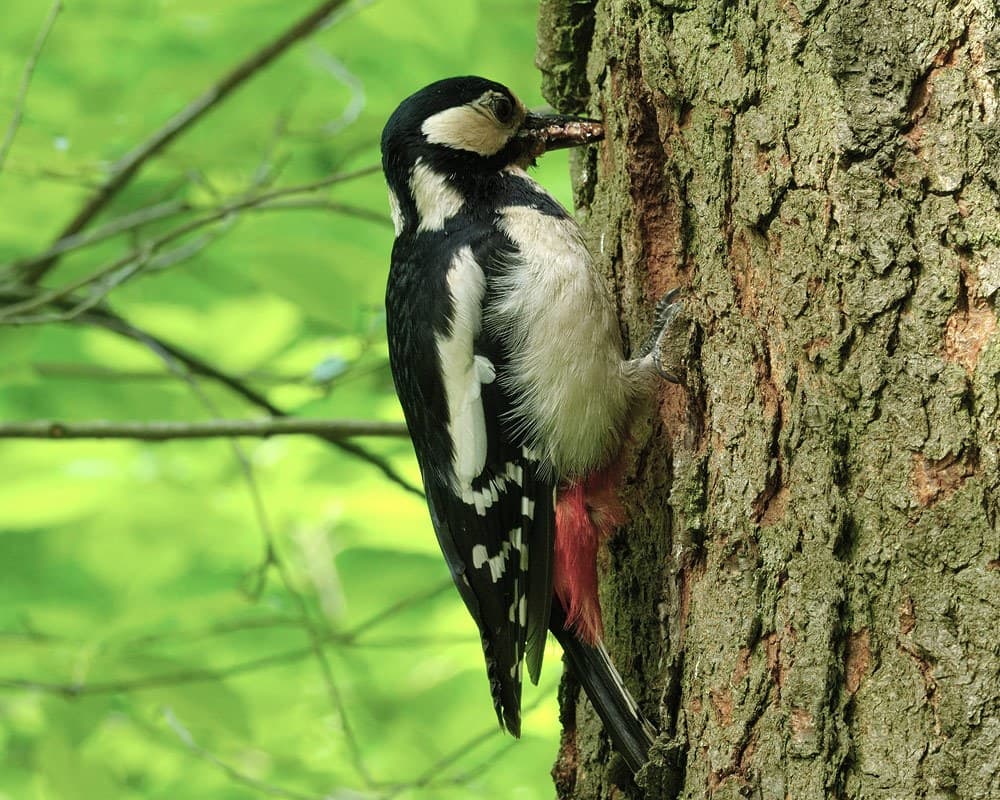
Woodland — best in spring when migrants arrive and canopy is still thin. Listen for Chiffchaffs (they say their own name) and watch for Great Spotted Woodpeckers drumming.
Coastline — seabird colonies in summer are spectacular. Puffins, Gannets, and Guillemots crowd clifftop breeding sites.
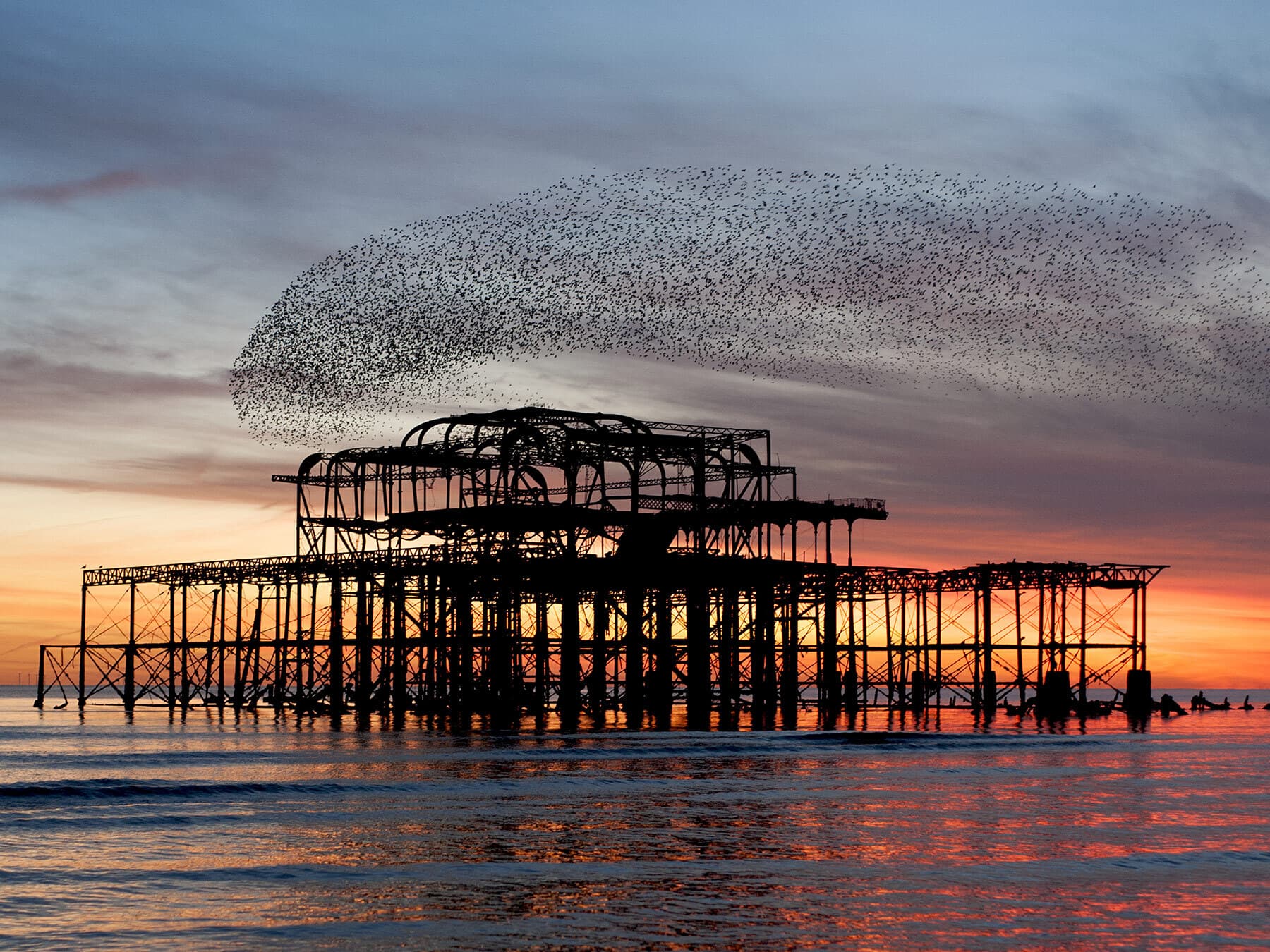
Open farmland — winter flocks of Fieldfares, Redwings, and Starlings (murmurations at dusk are unforgettable).
Birdwatching Etiquette
Responsible birdwatching means putting birds' welfare first:
• Keep your distance — if a bird changes its behaviour because of you, you're too close. Breeding birds are especially sensitive.
• Stay on paths — trampling vegetation destroys nesting habitat.
• Don't use playback in busy birding areas — playing recorded calls can stress territorial birds, particularly during breeding season.
• Share sightings responsibly — think twice before broadcasting the location of rare or nesting birds on social media.
Next Steps
Once you've got the basics, there's a whole world to explore:
• Start a life list — tracking every species you've ever seen is addictive and rewarding. Use our life list feature to record your sightings.
• Try our AI bird identifier — snap a photo and get an instant identification with information about the species.
• Learn bird songs — check out our guide to understanding bird songs and calls.
• Join a local group — birding with experienced people accelerates your learning enormously. Your local wildlife trust, RSPB group, or Audubon chapter will welcome beginners.
• Explore our species guides — browse over 750 species with detailed profiles, range maps, and identification tips.
Got a photo of a bird you can't identify?
Upload a photo and find out what it is in seconds — no account needed
Identify a Bird