Attracting Birds to Your Garden
A garden that attracts birds brings daily entertainment, connects you with the natural world, and contributes to conservation. Whether you have a large rural garden or a city balcony, the same principles apply: provide food, water, shelter, and nesting sites, and the birds will come.
Feeding: The Fastest Way to Attract Birds
Putting out food is the quickest way to bring birds into your garden. Different foods attract different species, so variety is key.
The Big Four Foods
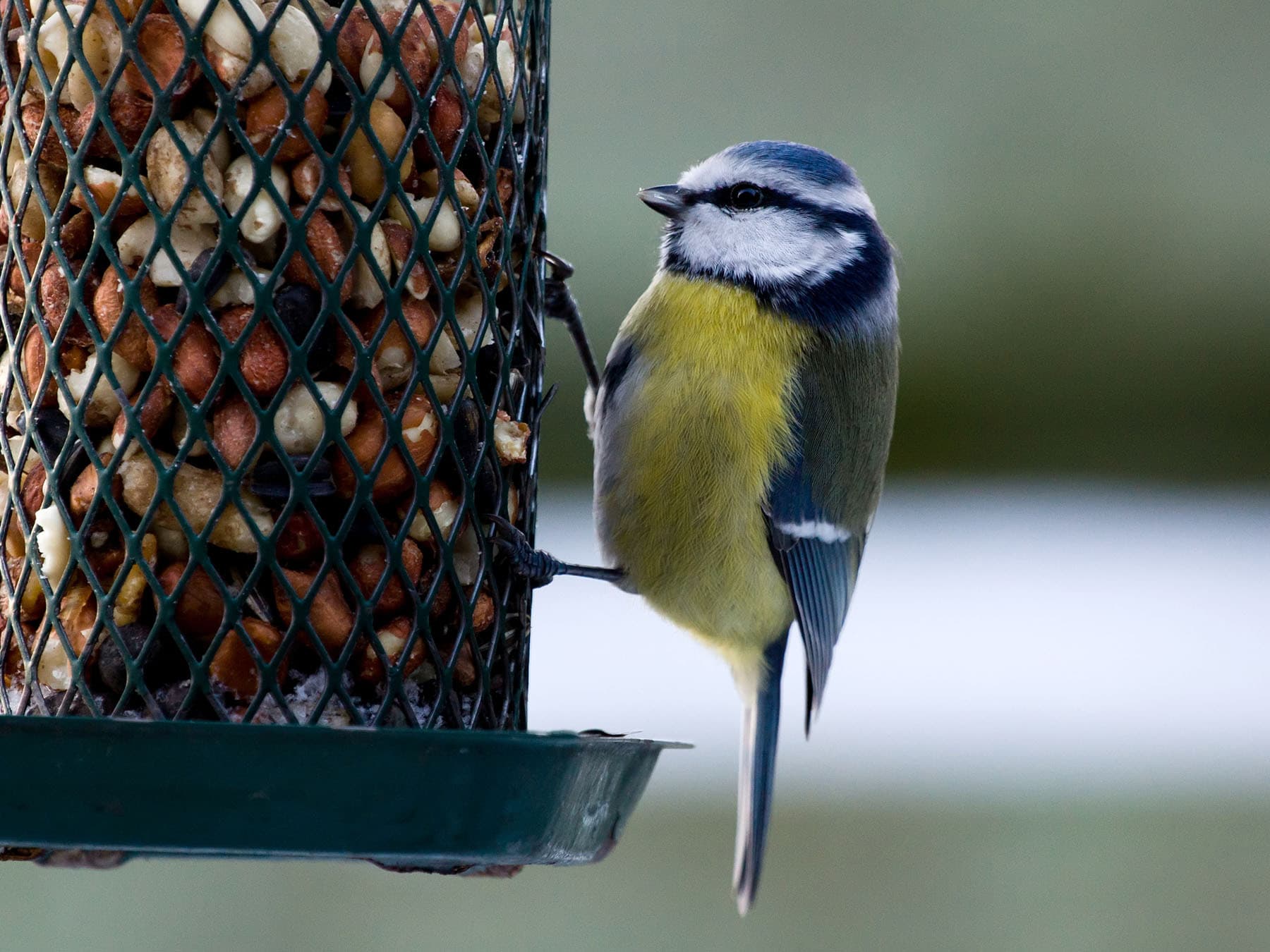
Sunflower seeds (black oil) — the single most popular food across species. Attracts tits, finches, nuthatches, and sparrows. High in fat and easy to dehusk.
Peanuts — in a mesh feeder to prevent choking. Attracts tits, woodpeckers, nuthatches, and Jays. High in protein and fat.
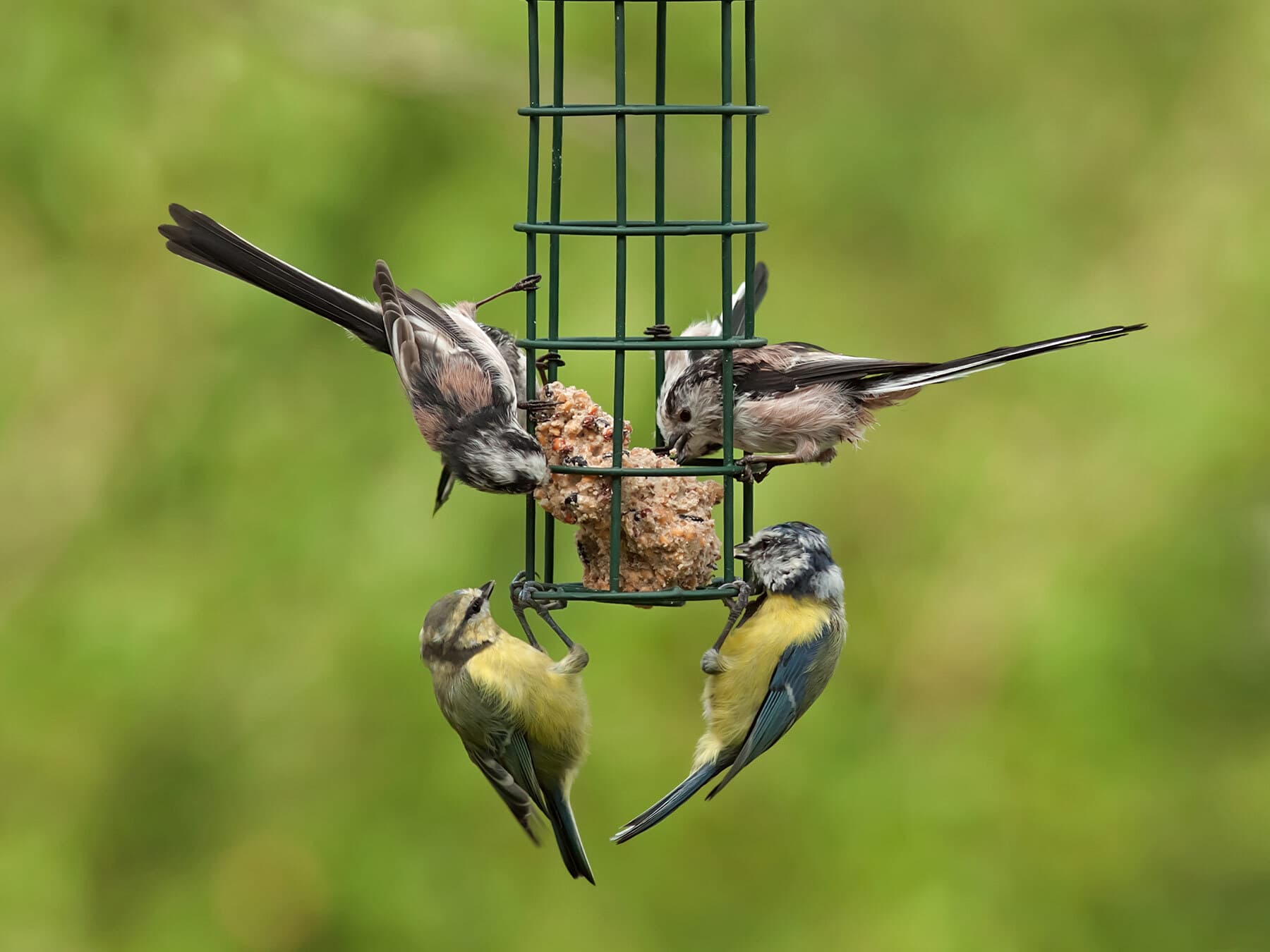
Suet/fat balls — essential in winter. Attracts tits, Starlings, woodpeckers, and thrushes. Avoid cheap fat balls with plastic netting — birds can get tangled.
Nyjer (thistle) seed — requires a special feeder with tiny ports. The go-to food for Goldfinches and Siskins.
Ground Feeding
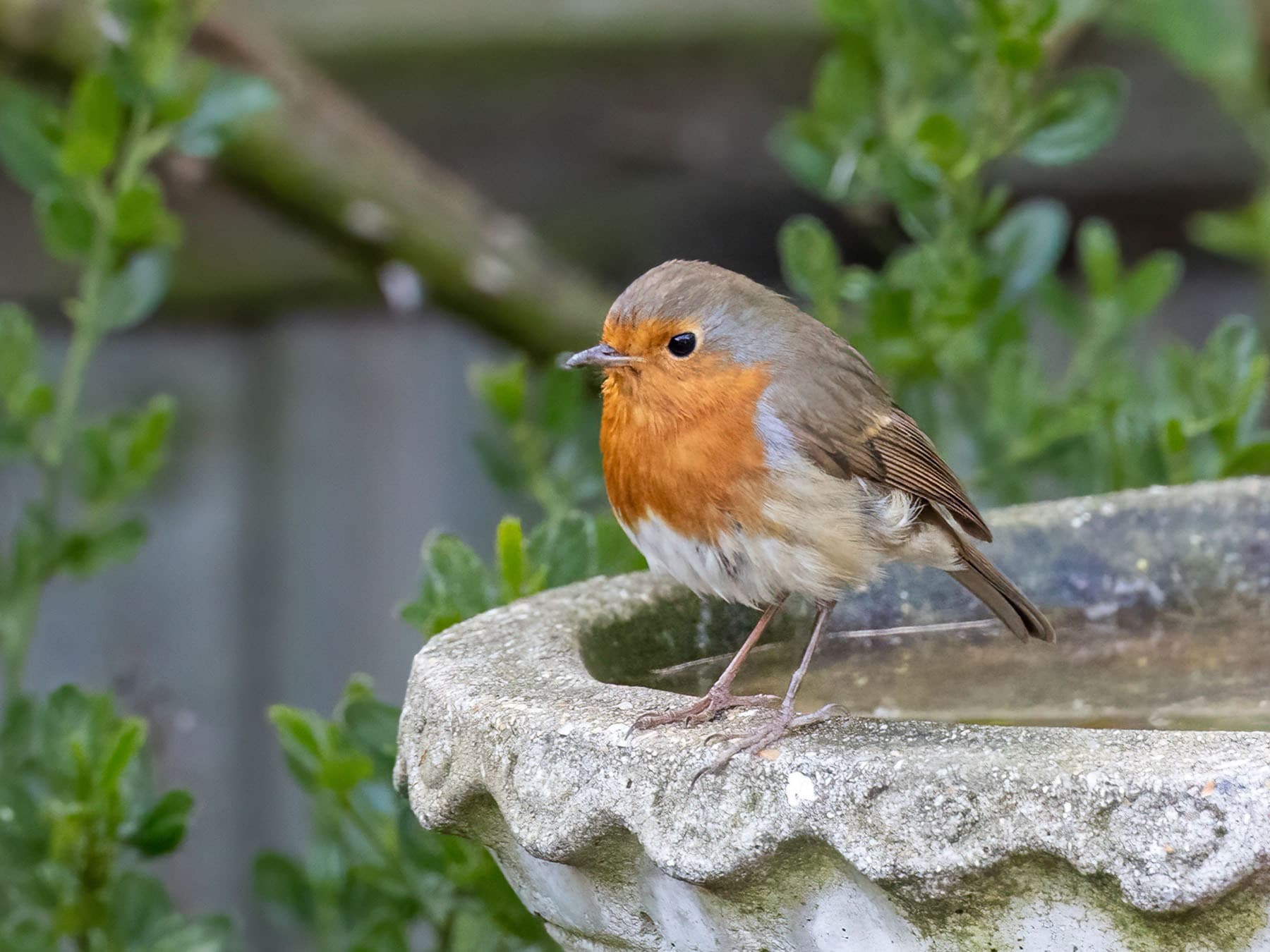
Many species prefer feeding on or near the ground: Robins, Dunnocks, Blackbirds, Chaffinches, and Song Thrushes. A ground feeding tray keeps food off wet soil and reduces waste. Scatter mealworms and mixed seed for the best results.
Did You Know?
Water: Often Overlooked
A reliable water source is just as important as food — sometimes more so. Birds need water for drinking and bathing year-round.
Bird baths — a simple shallow dish (2–8cm deep) on a pedestal works perfectly. Change the water every few days to prevent disease.
Moving water — a solar-powered fountain or dripper is irresistible to birds. The sound of splashing water draws species from a surprising distance.
Winter care — float a tennis ball in the bath to prevent complete freezing, or pour warm (not boiling) water to break ice each morning. Never add antifreeze or salt.
A well-maintained bird bath will attract species that rarely visit feeders, including Goldcrests, warblers, and flycatchers.
Planting for Birds
The most effective long-term strategy is to grow plants that provide natural food and shelter.
Berry-Bearing Shrubs
Hawthorn — masses of autumn berries loved by Redwings, Fieldfares, and Blackbirds. Also a superb nesting hedge.
Elder — berries attract Blackcaps, thrushes, and Starlings. Fast-growing and tolerates poor soil.
Cotoneaster — abundant red berries that persist into winter, providing food when natural sources run low.
Holly — winter berries and dense, thorny cover for nesting. Only female plants produce berries (you need a male nearby for pollination).
Seed-Bearing Plants
Sunflowers — leave spent heads standing through autumn for Goldfinches and tits.
Teasels — a Goldfinch magnet. Their conical seed heads are perfectly designed for finch bills.
Lavender — attracts insects, which in turn attract insect-eating birds.
Trees
Silver Birch — supports over 300 insect species, providing food for warblers, tits, and treecreepers. Siskins and Redpolls feed on the catkins.
Oak — the single best native tree for biodiversity, supporting over 2,000 associated species. Even a small oak eventually becomes a cathedral of wildlife.
Nest Boxes
Natural nesting cavities are increasingly scarce. Nest boxes supplement natural sites and can attract species you'd never otherwise see in your garden.
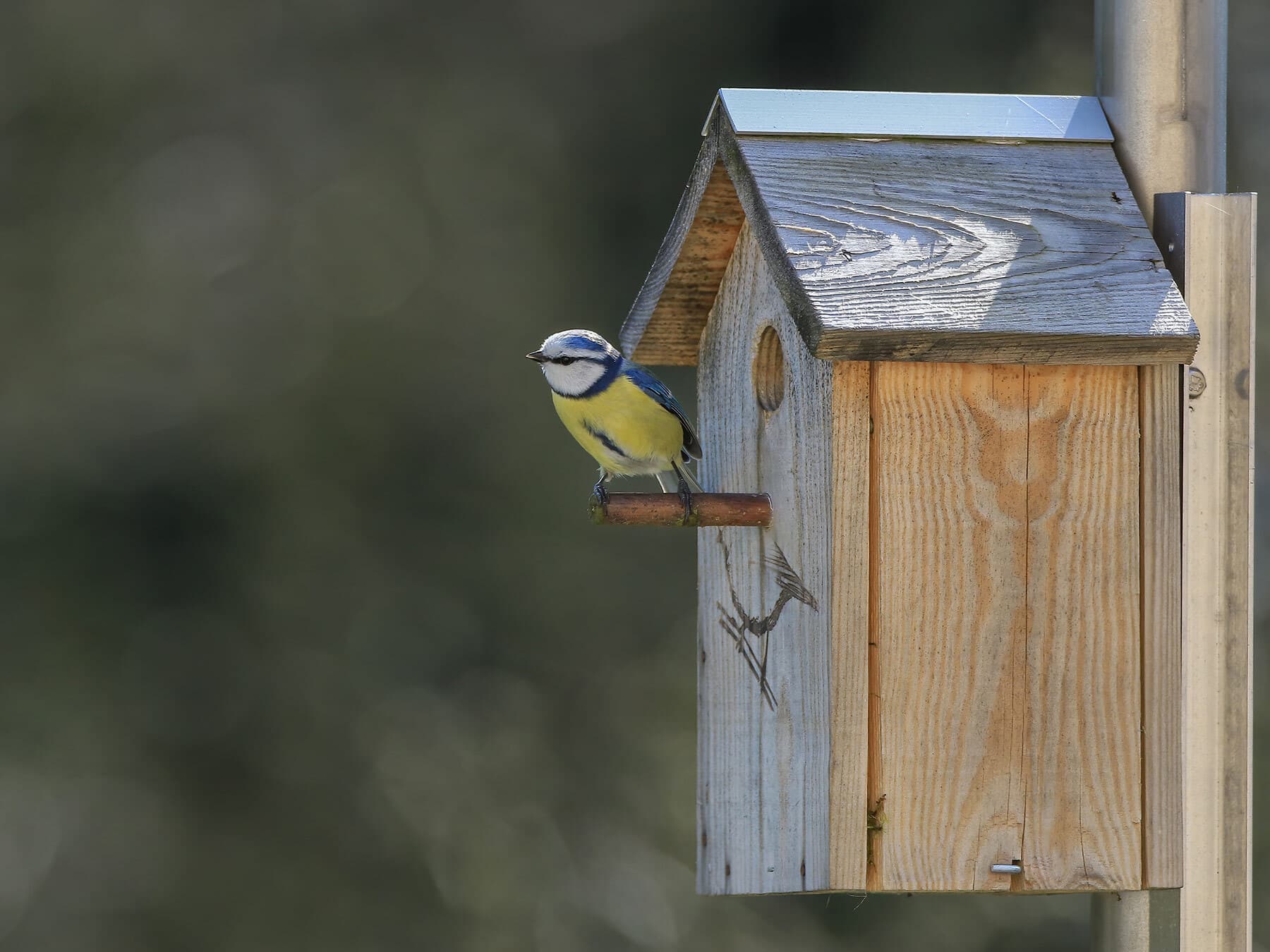
Small hole boxes (25mm) — Blue Tits and Coal Tits
Medium hole boxes (28mm) — Great Tits
Large hole boxes (32mm) — House Sparrows and Nuthatches
Open-fronted boxes — Robins, Spotted Flycatchers, Pied Wagtails
Placement tips: north or east facing (avoids overheating), 2–4 metres high, sheltered from prevailing wind and rain, away from feeders (the activity around feeders deters nesting birds), cleaned out each autumn after the breeding season.
Creating Shelter and Habitat
Birds need safe places to roost, hide from predators, and shelter from weather.
Dense hedges — native hedgerows (hawthorn, blackthorn, field maple) provide nesting sites, food, and cover. Even a single hedging row transforms a garden for birds.
Log piles — attract insects, which attract Robins, Wrens, and Dunnocks. Stack logs loosely in a shady corner and leave them to rot naturally.
Long grass patches — leave a section of lawn unmown. The seed heads attract finches and buntings; the insects within attract Starlings and thrushes.
Climbing plants — ivy, honeysuckle, and clematis on walls and fences provide nesting sites, insect food, and berries. Ivy is particularly valuable — its late-season flowers feed pollinators, and its winter berries sustain Woodpigeons, Blackcaps, and thrushes.
Common Mistakes to Avoid
• Stopping feeding in winter — birds come to rely on garden food during cold weather. If you start, keep going through to spring.
• Dirty feeders — clean feeders monthly with a weak disinfectant solution. Dirty feeders spread diseases like trichomonosis (which has devastated Greenfinch populations).
• Cat predation — keep cats indoors during dawn and dusk when birds are most active, or fit a bell to the collar. Position feeders where cats can't hide in ambush.
• Bread — small amounts of brown bread are fine as a treat, but bread fills birds up without providing nutrition. Never give mouldy bread.
• Over-tidying — the messiest gardens are the best for birds. Dead wood, leaf litter, seed heads, and 'weedy' corners all provide food and shelter.
Small Spaces and Balconies
You don't need a large garden. Even a balcony can attract birds:
• A window-mounted feeder brings tits and finches to eye level
• A shallow water dish on a railing provides drinking and bathing
• Potted shrubs (cotoneaster, pyracantha) offer berries and shelter
• A small nest box on a wall might attract Blue Tits
Urban birds are often bolder and more habituated to people than rural ones, so city gardens and balconies can be surprisingly productive.
Got a photo of a bird you can't identify?
Upload a photo and find out what it is in seconds — no account needed
Identify a Bird