Bird Conservation: How You Can Help
Birds are in trouble. The State of the World's Birds report estimates that nearly half of all bird species are in decline, with one in eight threatened with extinction. Habitat loss, climate change, pollution, and invasive species are driving these declines at an alarming rate.
But there's good news too: conservation works. Targeted intervention has pulled species back from the brink — from Bald Eagles in North America to Red Kites in Britain. And many of the most effective actions are ones that ordinary people can take.
The Scale of the Problem
The numbers are stark:
• North America has lost an estimated 3 billion birds since 1970 — a 29% decline across nearly all habitats
• Europe has lost over 600 million breeding birds in the same period
• 40% of the world's 11,000+ bird species are in decline
• 1 in 8 species faces extinction
The most affected groups include grassland birds (down 53% in North America), shorebirds, and aerial insectivores (swifts, swallows, nightjars) — species that depend on flying insects, which are themselves declining sharply.
Did You Know?
Major Threats to Birds
Habitat Loss
The single biggest driver of bird decline globally. Agriculture, urbanisation, and deforestation destroy the habitats birds depend on for breeding, feeding, and shelter. In the UK, 97% of wildflower meadows have been lost since the 1930s, taking farmland birds with them.
Climate Change
Shifting seasons disrupt the timing between bird breeding and insect abundance. Pied Flycatchers in Europe are arriving at breeding grounds after the peak caterpillar supply — because their migration timing hasn't kept pace with earlier springs. Range shifts are pushing species poleward, with cold-adapted species running out of suitable habitat.
Cat Predation
Domestic cats are estimated to kill 1.3–4 billion birds annually in the US and 27–55 million in the UK. Cats are particularly devastating to ground-nesting birds and fledglings.
Pollution
Pesticides (especially neonicotinoids) reduce insect populations that birds depend on. Plastic pollution affects seabirds — an estimated 90% of seabird species have ingested plastic. Lead ammunition poisons raptors and waterfowl that ingest spent shot.
Window Collisions
Glass is invisible to birds. Collisions with windows are the second-largest human-caused source of bird mortality after cat predation.
What You Can Do: At Home
Make Your Garden Bird-Friendly
Gardens collectively represent a vast habitat network. In the UK alone, domestic gardens cover more area than all the country's nature reserves combined. Making your garden bird-friendly genuinely matters at a landscape scale. See our full guide to attracting birds to your garden.
Prevent Window Strikes
Apply window decals, films, or external screens to large windows, especially those reflecting sky or vegetation. Patterns should be spaced no more than 5cm apart — birds try to fly through larger gaps.
Keep Cats Indoors
Or at least during dawn and dusk when birds are most active and vulnerable. If your cat goes outside, fit a brightly coloured collar with a bell — studies show this reduces bird catches by approximately 50%.
Reduce Pesticide Use
Avoid using pesticides and herbicides in your garden. Organic gardening supports the insect populations that birds depend on. A 'messy' garden with native plants, log piles, and unmown patches supports far more biodiversity than a manicured lawn.
Choose Bird-Friendly Coffee
Shade-grown and bird-friendly certified coffee preserves tropical forest habitat for migratory birds. Sun-grown coffee plantations, by contrast, require clearing forest canopy.
What You Can Do: Citizen Science
Your observations directly support conservation research:
eBird — log your sightings to build the world's largest biodiversity database. eBird data informs conservation decisions, tracks population trends, and identifies important bird areas.
Big Garden Birdwatch (UK, RSPB) — the world's largest garden wildlife survey. One hour of counting each January provides crucial data on garden bird populations.
Christmas Bird Count (Americas, Audubon) — over 120 years of data, making it the longest-running citizen science project in the Western Hemisphere.
Breeding Bird Surveys — systematic counts during breeding season provide the data underpinning population trend estimates.
Even casual recording matters. Your life list and sightings contribute to our understanding of bird distribution and abundance.
What You Can Do: Support and Advocate
Join a conservation organisation — membership fees directly fund habitat protection, species recovery, and advocacy. Key organisations include:
• RSPB (UK) — manages over 200 reserves and campaigns for nature-friendly farming policy
• Audubon Society (US) — protects birds and their habitats through science, advocacy, and education
• BirdLife International (global) — a partnership of national organisations working in over 100 countries
• Cornell Lab of Ornithology (US) — world-leading research and citizen science programmes
Volunteer — local wildlife trusts, reserves, and bird observatories always need help with habitat management, surveys, and education.
Speak up — support policies that protect habitats, reduce pollution, and address climate change. Bird-friendly farming policies, marine protected areas, and urban planning that incorporates green infrastructure all make a measurable difference.
Success Stories
Conservation works when we commit to it:
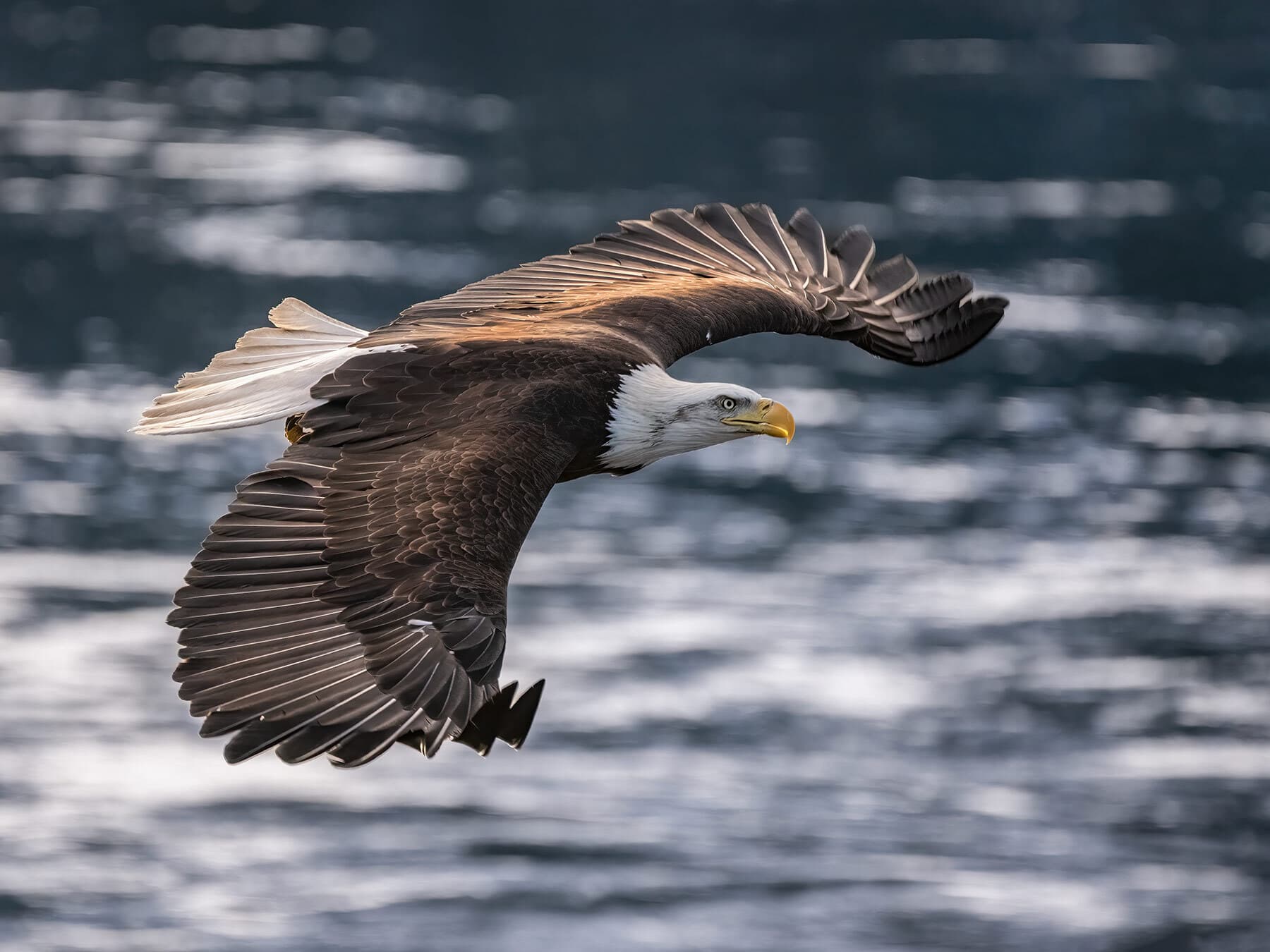
Bald Eagle — from 417 breeding pairs in the continental US (1963) to over 70,000 (2020), following the ban on DDT and legal protection under the Endangered Species Act.
Red Kite — from a handful of pairs in central Wales to over 6,000 UK breeding pairs, thanks to a reintroduction programme that has restored this magnificent raptor to much of Britain.
Peregrine Falcon — devastated by DDT, now thriving in cities worldwide, nesting on skyscrapers and bridges. The fastest animal on earth, clocking over 240 mph in hunting stoops.
Mauritius Kestrel — from just 4 wild birds in 1974 (the rarest bird in the world) to over 400 through captive breeding and habitat management. One of conservation's greatest success stories.
These recoveries prove that with knowledge, action, and political will, we can reverse declines and secure a future for birds.
Got a photo of a bird you can't identify?
Upload a photo and find out what it is in seconds — no account needed
Identify a Bird