


Identification · Updated 8 Oct 2026
Types Of Woodpeckers In Virginia
By the Birdfact teamChecked by Nathan Cope
On this page8 sections
Located on the south-central east coast of the United States, Virginia’s climate and geography have been heavily shaped by the Chesapeake Bay, which borders the state to the east, and the Appalachian Mountains to the west. This has created a diversity of animal and plant life thriving across the state, including many birds. With so many different bird species in Virginia, you may be wondering, what woodpeckers can be found in Virginia?
Eight woodpecker species can be found in the state of Virginia, including the Downy Woodpecker, Hairy Woodpecker, Lewis’s Woodpecker, Northern Flicker, Pileated Woodpecker, Red-Cockaded Woodpecker, Red-Headed Woodpecker, and Yellow-Bellied Sapsucker. Many of these species share a common habitat and all forage for insects but have different hunting styles.
Downy Woodpecker
Dryobates pubescens
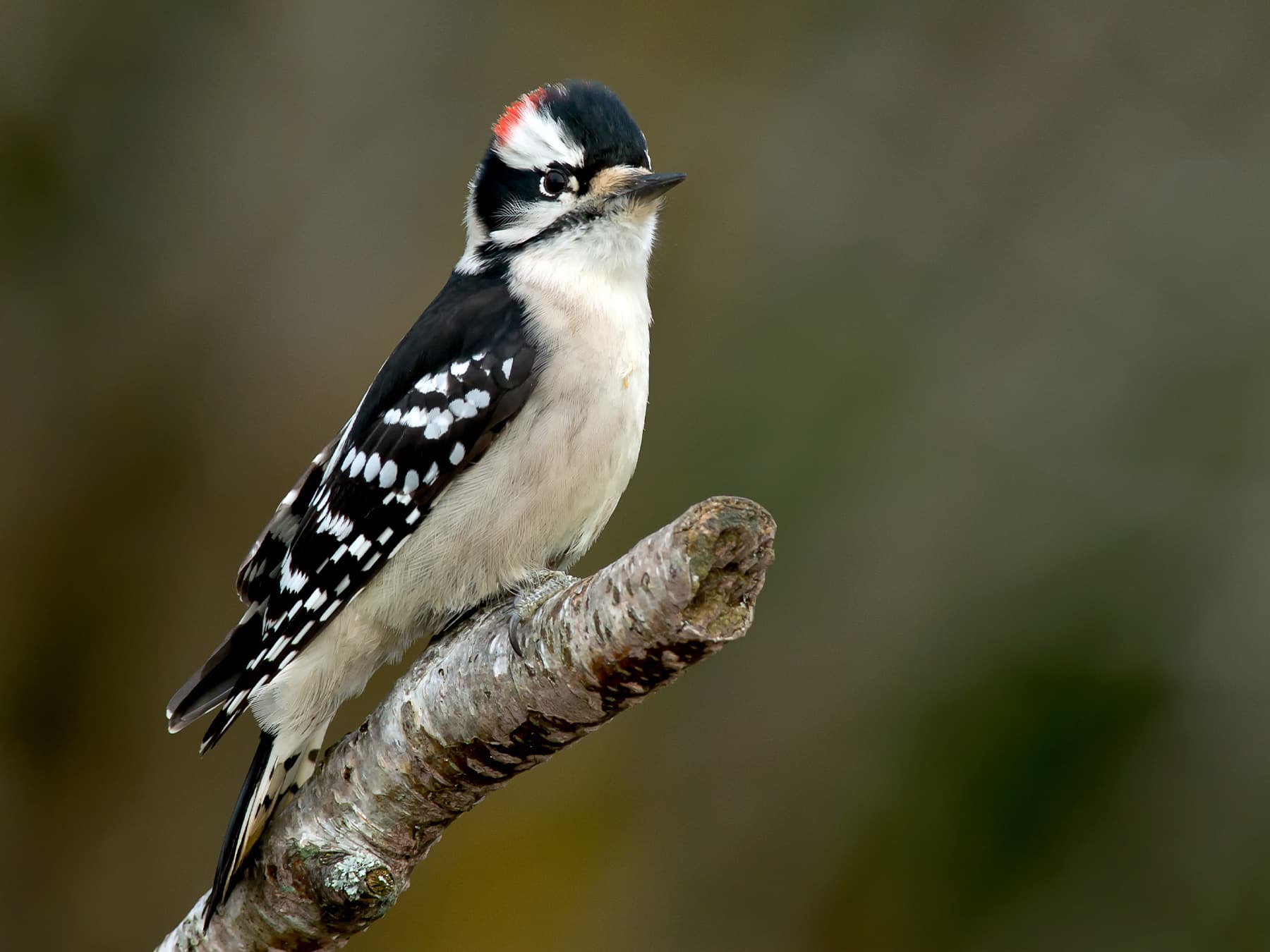
America’s most common woodpecker is also its smallest. The boldly marked Downy Woodpecker is a familiar little bird of forests, woodlands, and backyards across North America.
Downy Woodpecker
Although Downy Woodpeckers can be seen year-round in Virginia, spotting them can be difficult due to their small size. As the smallest woodpeckers in North America, they are between the size of a robin and a sparrow. Downy Woodpeckers can be identified by their black and white features and the males have a red patch on their heads.
Downy Woodpeckers live in a variety of habitats including woodlands, forest edges, clearings, and gardens. They forage for insects in weeds, tall grass, trees, and commonly visit feeders. Like the other features, their voice is scaled down, making a descending whinny and “pik” noise.
Hairy Woodpecker
Dryobates villosus
Length
25cm to 33cm
Wingspan
38cm
Weight
43g to 99g
Seen
All year
Hairy Woodpecker
Hairy Woodpeckers are common in Virginia and around all year for observation. They occupy mature forests but also live in suburbs, parks, and woodlands. A great place to look is recently burned forests since these birds take advantage of foraging. With long, strong bills, they excavate dead wood and bark, seeking the internal insects. They can also be seen frequenting backyard feeders.
The Hairy Woodpecker appears as a large version of the Downy Woodpecker with bold black and white checkered feathers and a large white patch on their back. The males feature a red patch on the back of their heads that is common with other species.
Lewis's Woodpecker
Melanerpes lewis
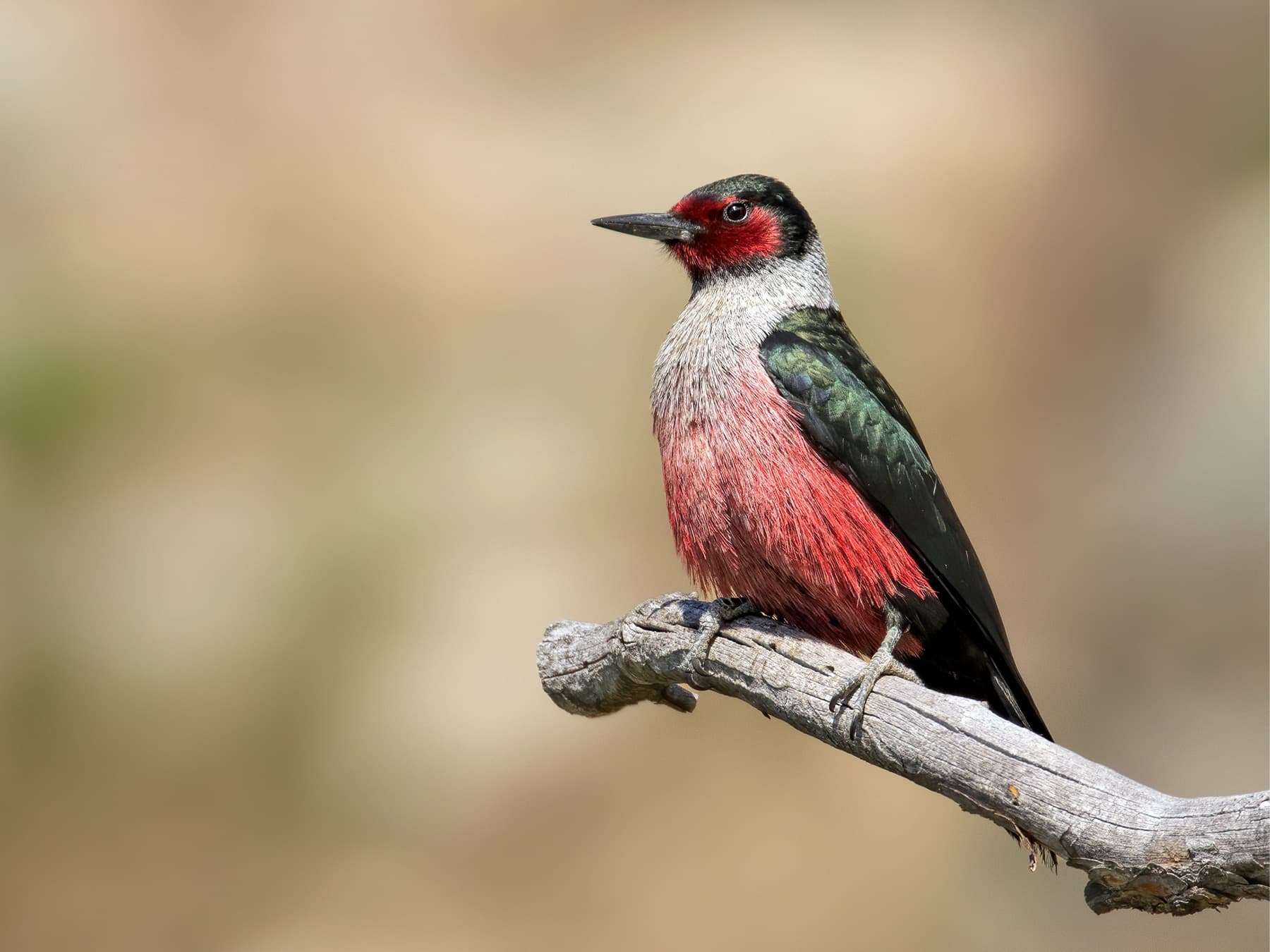
With its iridescent green-black plumage and rosy belly, this unusual woodpecker often catches insects mid-air like a flycatcher.
Lewis’s Woodpecker
Lewis’s Woodpeckers are a hearty bird with a long tail, long wings, and an elongated body, falling in size between a robin and a crow. They typically appear with a dark red face, a dark green back, a gray collar, and a pink belly. You can spot them in woodlands, areas with scattered trees, orchards, burned forests, and pine forests year-round.
The Lewis Woodpecker rarely digs into trees for insects, like other woodpeckers. Instead, it gathers insects from fly catches and bark. This species spends extended periods watching for insects from the top of a tree then flies down to catch them.
To see a Lewis's Woodpecker in the state of Virginia is extremely rare, but there have been historical reports of sightings between January and March.
Northern Flicker
Colaptes auratus
Length
28cm to 31cm
Wingspan
50cm to 55cm
Weight
120g
Seen
All year
Northern Flicker
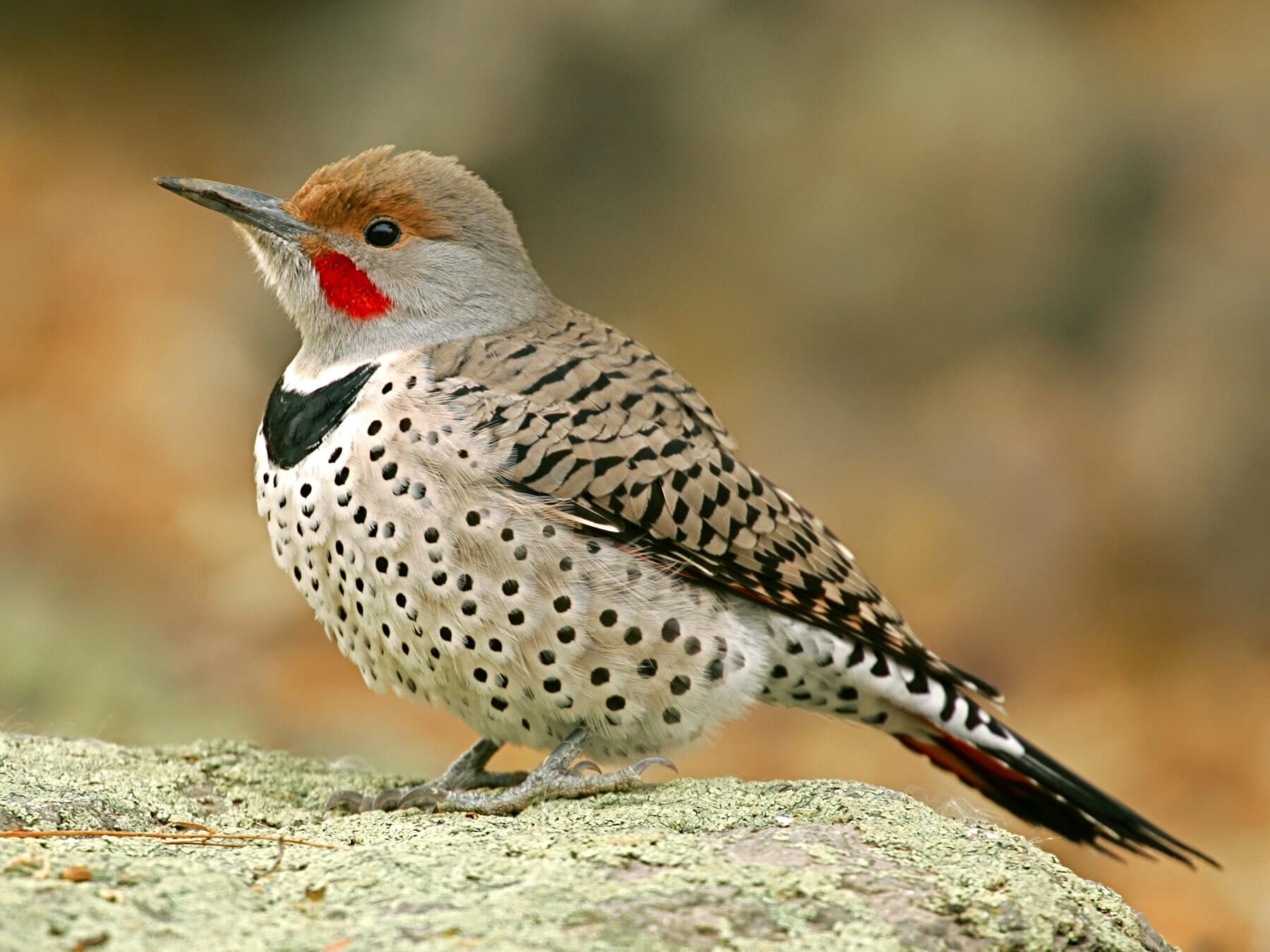
Northern Flickers are another common year-round Virginia woodpecker species. They are considered large woodpeckers falling between a robin and a crow. Unlike other Virginia species, Norther Flickers feature pale brown feathers and a variety of dark markings on their undercarriage. They have a slightly curved bill, long tails, and slim heads with yellow on their tails and wings.
Northern Flickers are differentiated from other Virginia woodpeckers because they forage for insects on the forest floor instead of on the sides of trees. If they do perch on trees, it's on the upright of branches instead of the trunk side. Northern Flickers do not typically use feeders but have been spotted in birdbaths and backyards with trees.
Pileated Woodpecker
Dryocopus pileatus
Length
40cm to 49cm
Wingspan
66cm to 75cm
Weight
250g to 350g
Seen
All year
Pileated Woodpecker
Featuring a colorful red crest, bold white stripes, and a large size, the Pileated Woodpecker is easy to spot and identify. As the largest woodpeckers in the United States, they are about the size of a crow and can be observed year-round in Virginia. They mostly reside in old forests with fallen logs and dead wood but can sometimes be seen in backyard feeders.
A great way to identify their call is by listening for loud drumming and looking for rectangular-shaped holes in wood and trees. They often drill deep into the wood in search of carpenter ants and various other insects, which can cause trees to break in half. May other creatures rely on Pileated Woodpecker excavations for shelter.
Red-Cockaded Woodpecker
Dryobates borealis
Length
20cm to 23cm
Wingspan
35cm to 38cm
Weight
42g to 52g
Seen
All year
Red-Cockaded Woodpecker
The Red-Cockaded Woodpecker can be found year-round in small sections of the state but is rate. In 1970, this species was added to the endangered species list and has disappeared from many habitats due to the logging industry. The best opportunity to see a Red-Cockaded Woodpecker is by visiting a protected national forest or wildlife refuge where their nests are easily located due to markings. Like many other woodpeckers, their diet consists of insects in the egg, larvae, and adult stages of growth.
Frequently marked by flowing sap near their roosting cavities and nests, the Red-Cockaded Woodpecker requires pine forests to survive, often with minimal dense vegetation. This is a specific habitat type that was formed by wildfires from lightning storms but is rare to find. This species is a robin-sized bird with straight and small bills. Their feathers are mostly black and white with barring on the back and a white patch on their cheeks. “Cockade” is an ornament worn on a hat, which is a barely noticeable red streak on the edge of this cheek.
Red-Headed Woodpecker
Melanerpes erythrocephalus
Length
19.4cm to 23.5cm
Wingspan
33cm to 37cm
Weight
56g to 91g
Seen
All year
Red-Headed Woodpecker
The Red-Headed Woodpecker is also easily identified by it is bold colors, patches on black wings, crimson-red heads, and bright white bellies. With a size like the Hairy Woodpecker, the Red-Headed Woodpecker features a short tail, large round head, and short but powerful bill which helps them catch insects midair or by hammering through the wood.
This species can be found year-round in Virginia in forests with spacious understories, semi-open country, pine savannahs, and wetlands. They typically store extra food in the crevices of trees to prepare for winter.
Yellow-bellied Sapsucker
Sphyrapicus varius
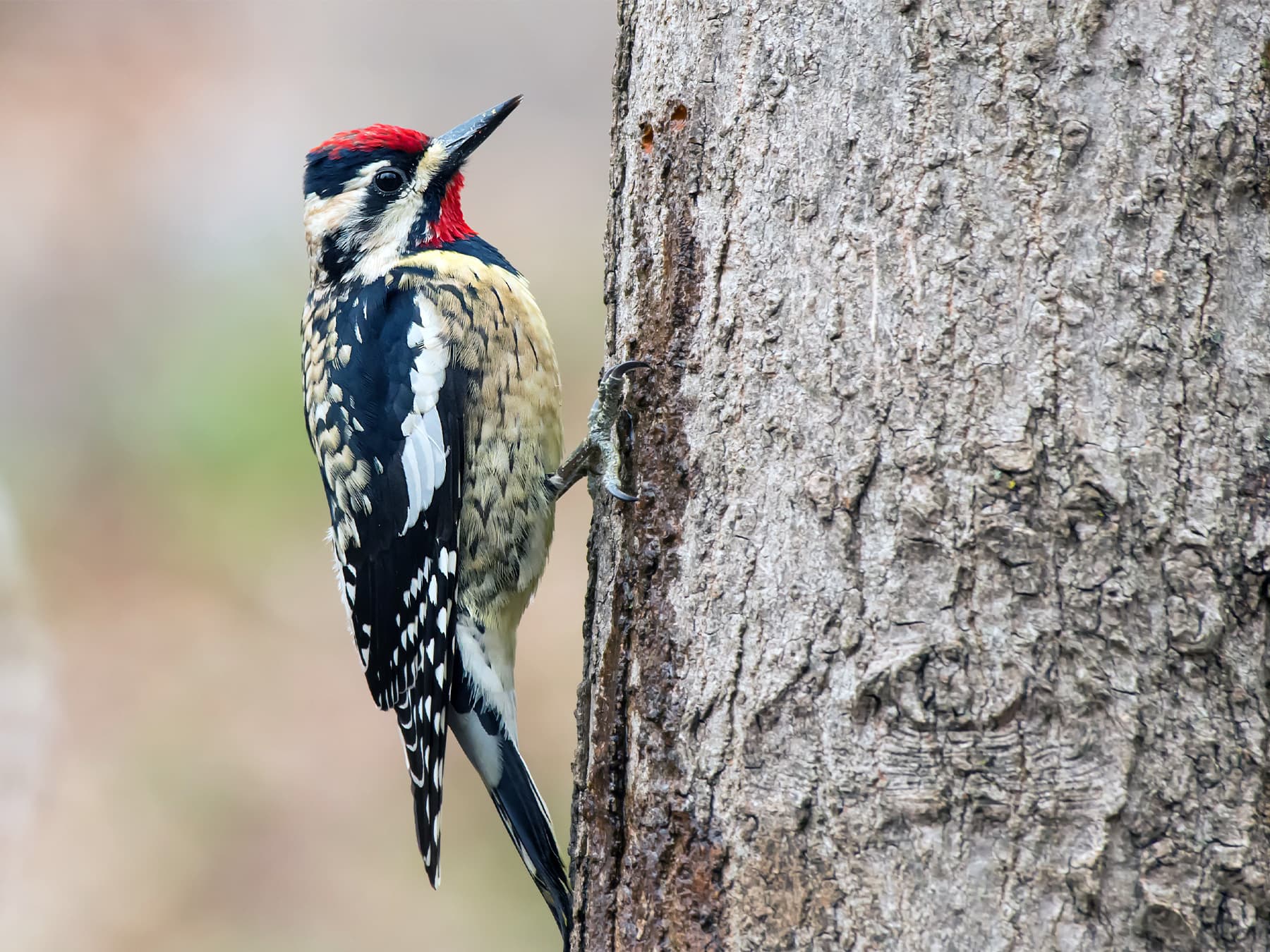
This woodpecker's unique drilling pattern creates sap wells that attract insects and other birds, making it a key player in forests across North America.
Yellow-Bellied Sapsucker
Non-breeding Yellow-Bellied Sapsuckers can only be spotted in Virginia during the colder, winter months. They typically occupy the northern territories of Canada, so they reside in young deciduous forests. One excellent indicator of this species is by neatly spaced, tiny holes in trees. They can be spotted dining near sap wells and on the cambium of the tree. Other species also take advantage of the Yellow-Bellied Sapsucker’s work by drinking leftover sap. You can also find them sitting motionless on tree branches and eating insects. Listen for their drumming and mew-like call.