Facts · Updated 1 Feb 2023
Barn Owl Nesting: Complete Guide
By the Birdfact teamChecked by Nathan Cope
On this page11 sections
- Do barn owls build nests?
- Where do barn owls nest?
- When do barn owls nest?
- How long do barn owls nest for?
- How do barn owls build their nests?
- When do baby barn owls leave the nest?
- How many broods do barn owls have?
- Do barn owls nest in the same place every year?
- Do barn owls use nest boxes?
- How big is a barn owl nest box?
- What do barn owl eggs look like?
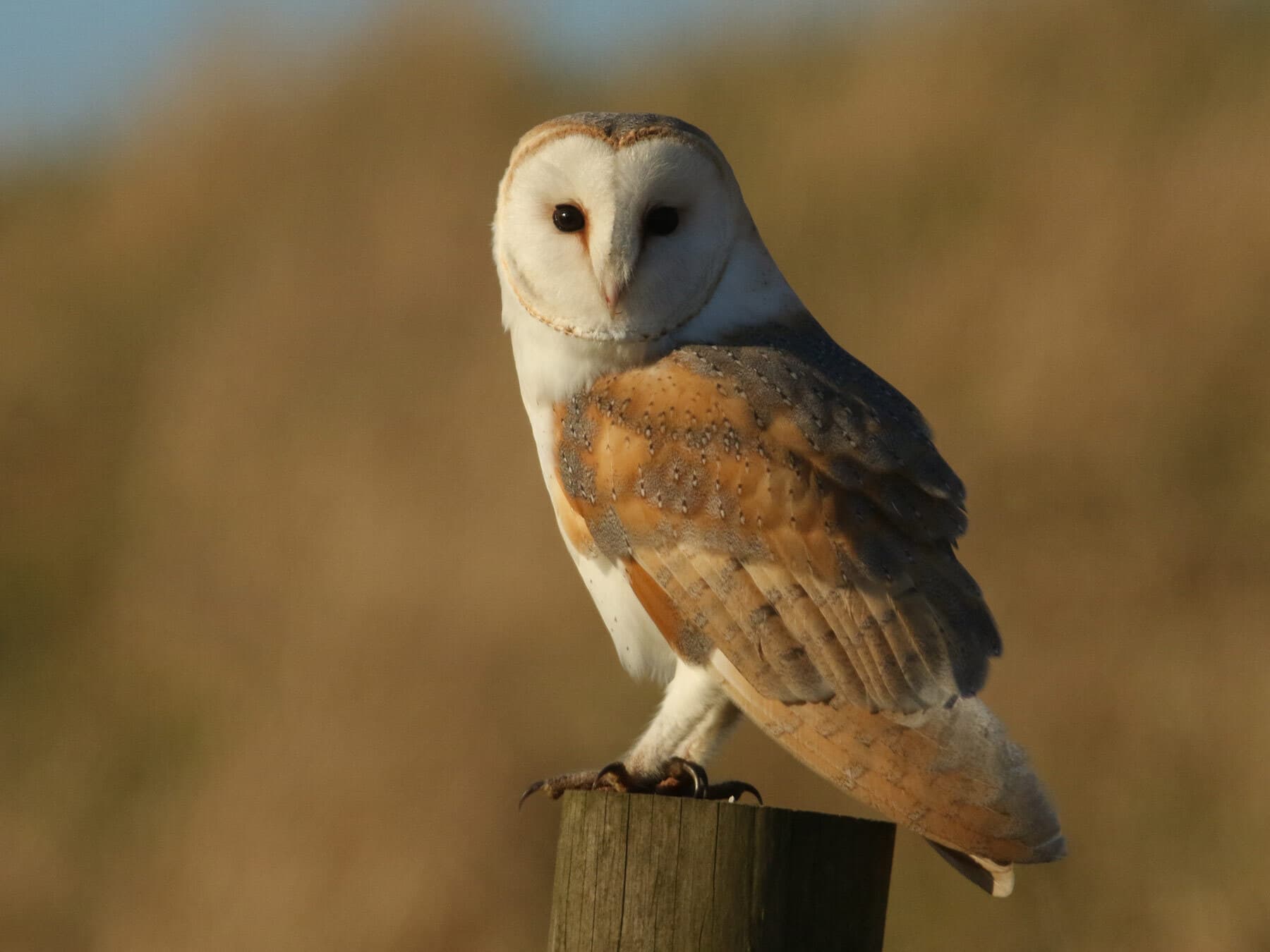
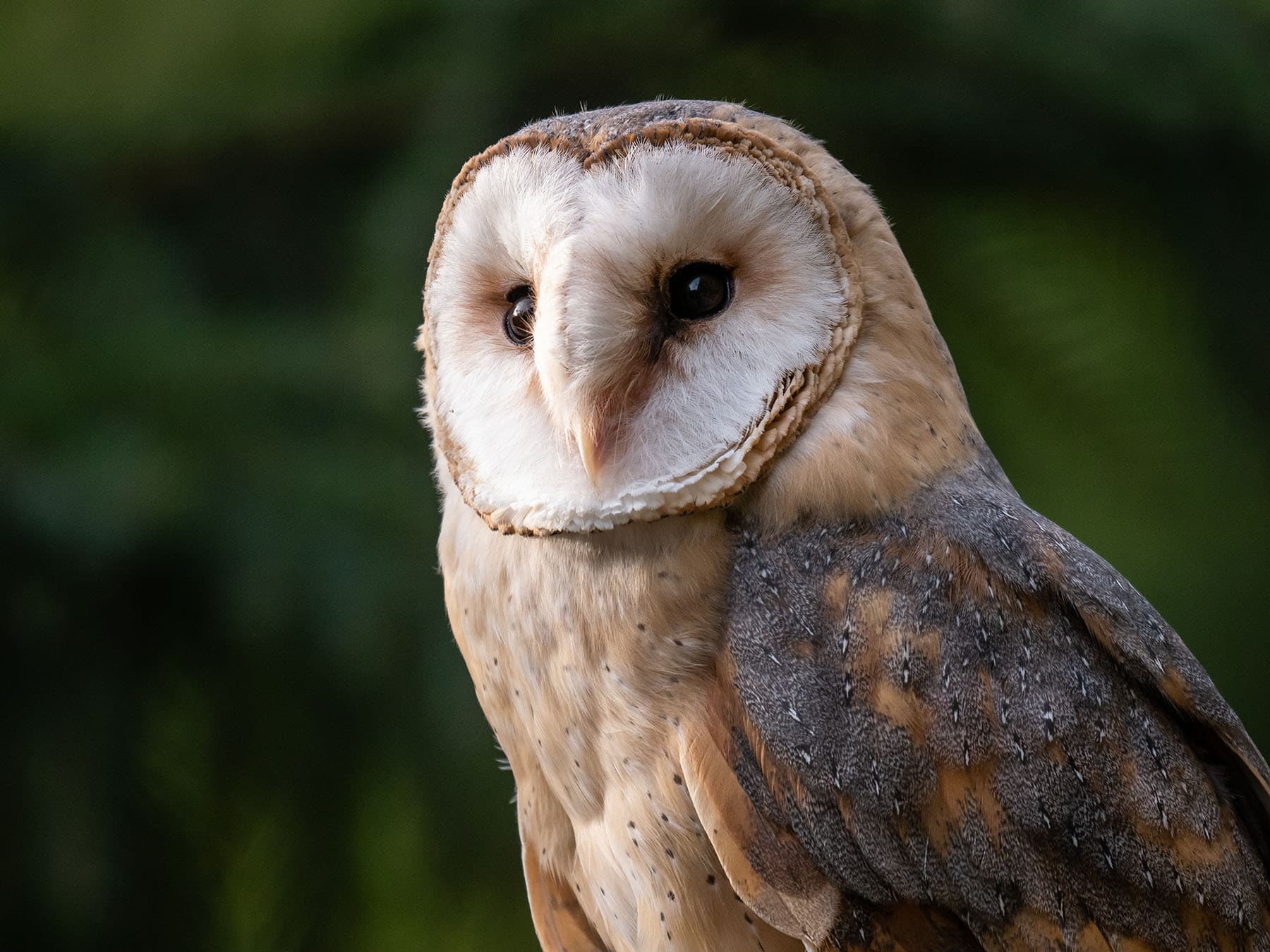
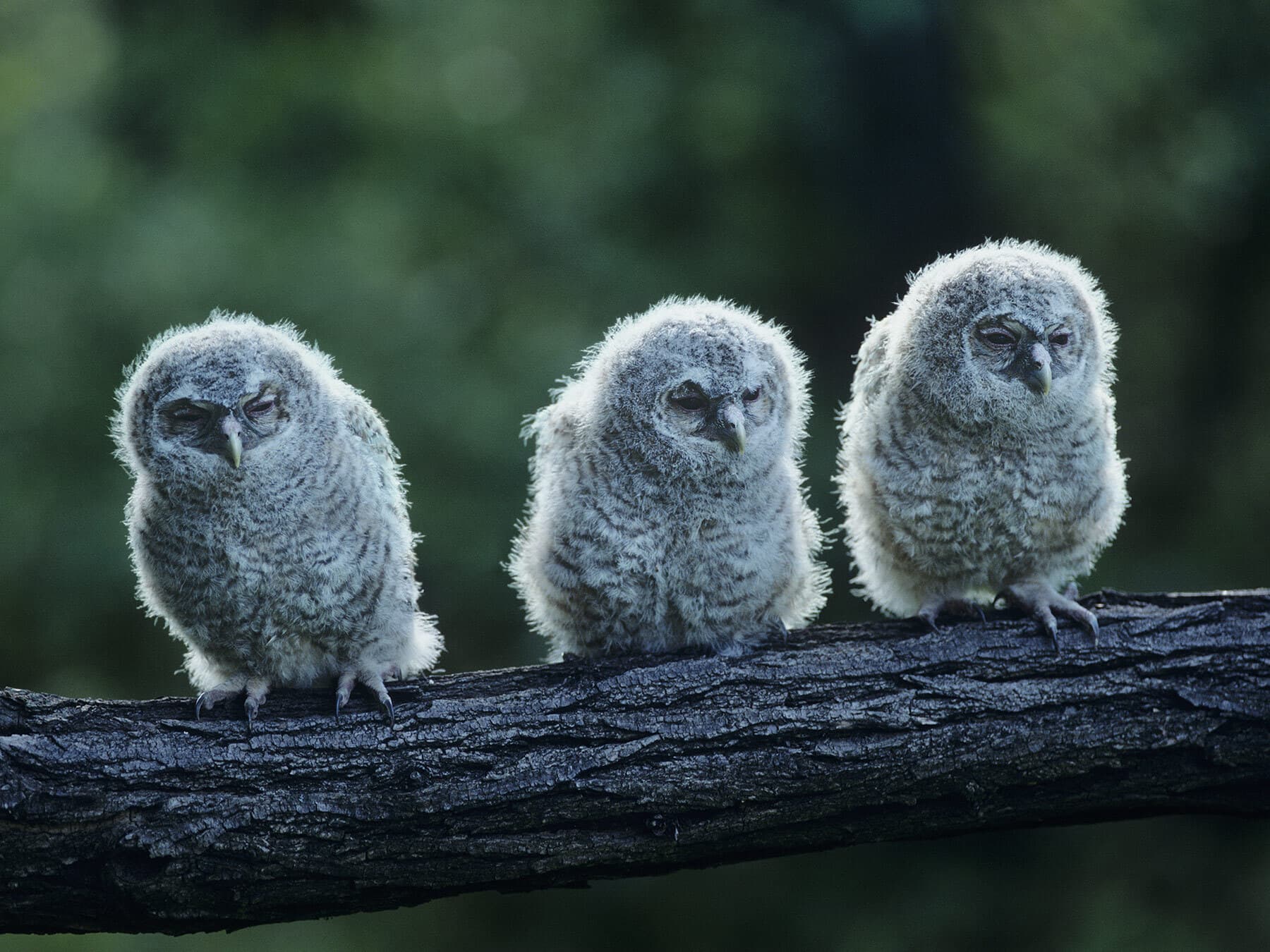
Barn Owls (Tyto alba) are some of the most beautiful birds in the world. Granted, they look like a bird straight out of a horror film when they are young, but their glow up is one that would make any parent proud. Barn owls have some very unique and interesting nesting habits that we are going to explore in this complete guide to nesting barn owls.
Barn owls nest from March to August. Unlike most birds, barn owls don't put much energy into constructing a nest for their eggs. Instead, they use a nesting site that may have been used for generations and lay their eggs right on top of the owl pellets. That's right, these beautiful birds start life laying on poop.
If you thought laying eggs and raising young on the poop of your parents was odd, then get ready. Barn owls are a fascinating bird species, and their nesting habits continue to get even more amazing the more you find out.
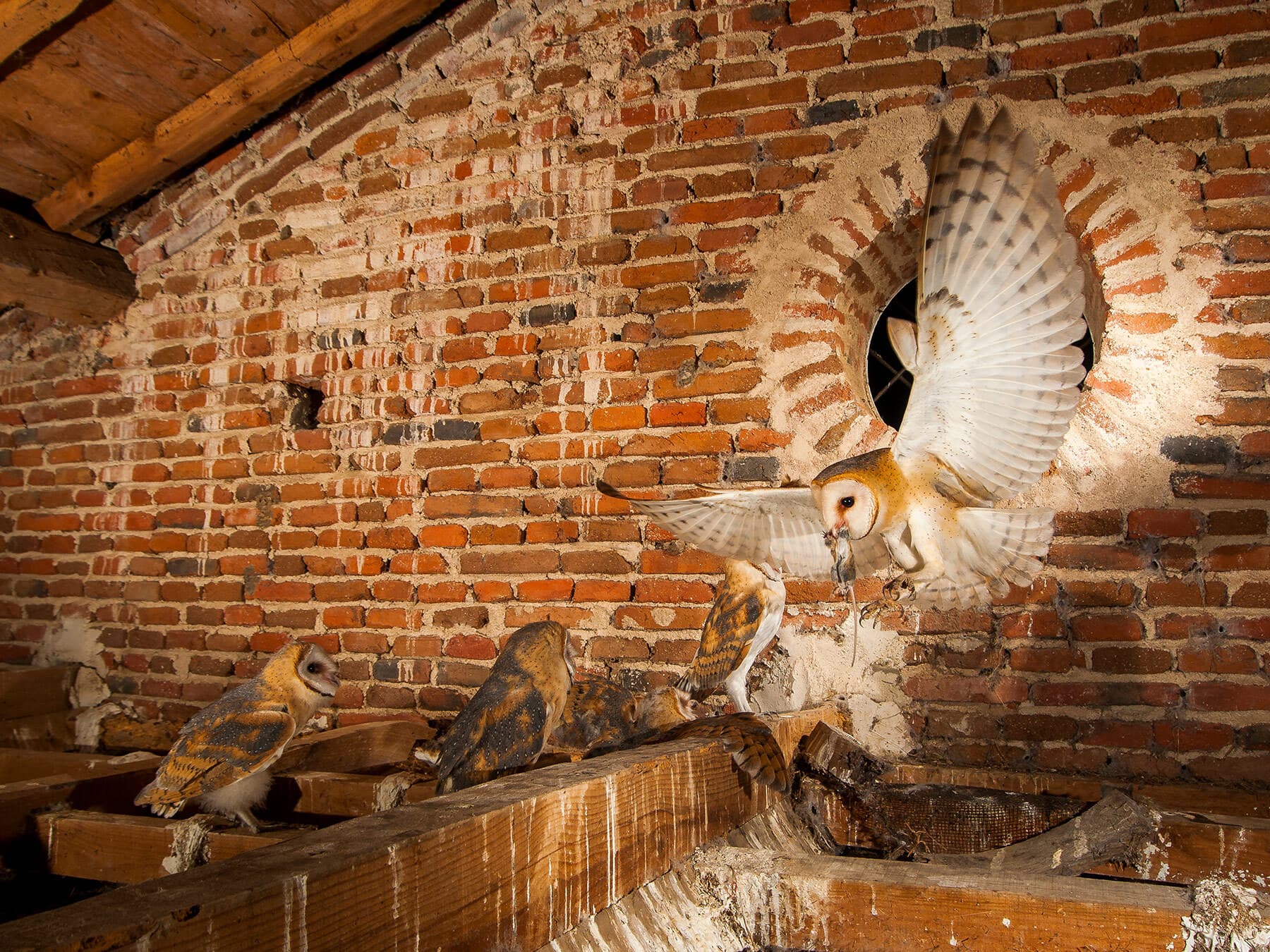
Barn owls nest just about anywhere. They will nest in holes in trees, on cliffs, in caves and in many human structures, church steeples and barns, for example. They don't construct a cup-shaped nest like other birds. Instead, they like to lay their eggs on a flat surface. So, human-made structures are ideal for barn owls.
Do barn owls build nests?
Barn owls don't really build nests like other birds. They don't construct a cup-shaped nest or anything like that. Instead, they tend to use nesting sites that have been used by other barn owls. Some barn owl nesting sites have been used for generations of owls.
They lay their eggs on the owl pellets in the nesting site. The nests will be covered in feathers and poop, so the eggs can be kept warm and safe easily. It sounds gross, but barn owls have been nesting like this for 25-50 million years, and so far, it's working just fine.
Where do barn owls nest?
Many barn owls will find a natural place to nest. This includes holes in trees, cliff ledges, caves and even burrows in river banks. However, there are other barn owls that take their name very literally and will happily nest in barns. They also nest in church steeples, houses, haystacks, nesting boxes and even drive-in movie screens.
Barn owls like to nest as high as possible to protect their young. So, if there isn't a natural structure that is high enough for their liking, they will use a human-made structure instead.
When do barn owls nest?
Barn owls nest between March and August. They usually only breed once or twice a year, having 4-6 eggs per brood. However, in warmer parts of the world, these owls can breed up to three times a year. This can extend the nesting period for a few weeks or a month.
There are also some barn owls around the world that begin their nesting season in late January early February. If they have a warm place to nest, they will take advantage of it and start breeding as soon as possible.
How long do barn owls nest for?
Barn owls nest for about six months of the year, which is a very long time for a bird to nest.
This is because baby owls need time to grow. Most bird species hatch after a few weeks and leave the nest a few weeks after they hatch. Barn owl babies, though, hatch after about 33 days, and it takes them about 50 days to leave and find their own territory. During this time, the parent owls will feed them and teach them the basics of hunting.
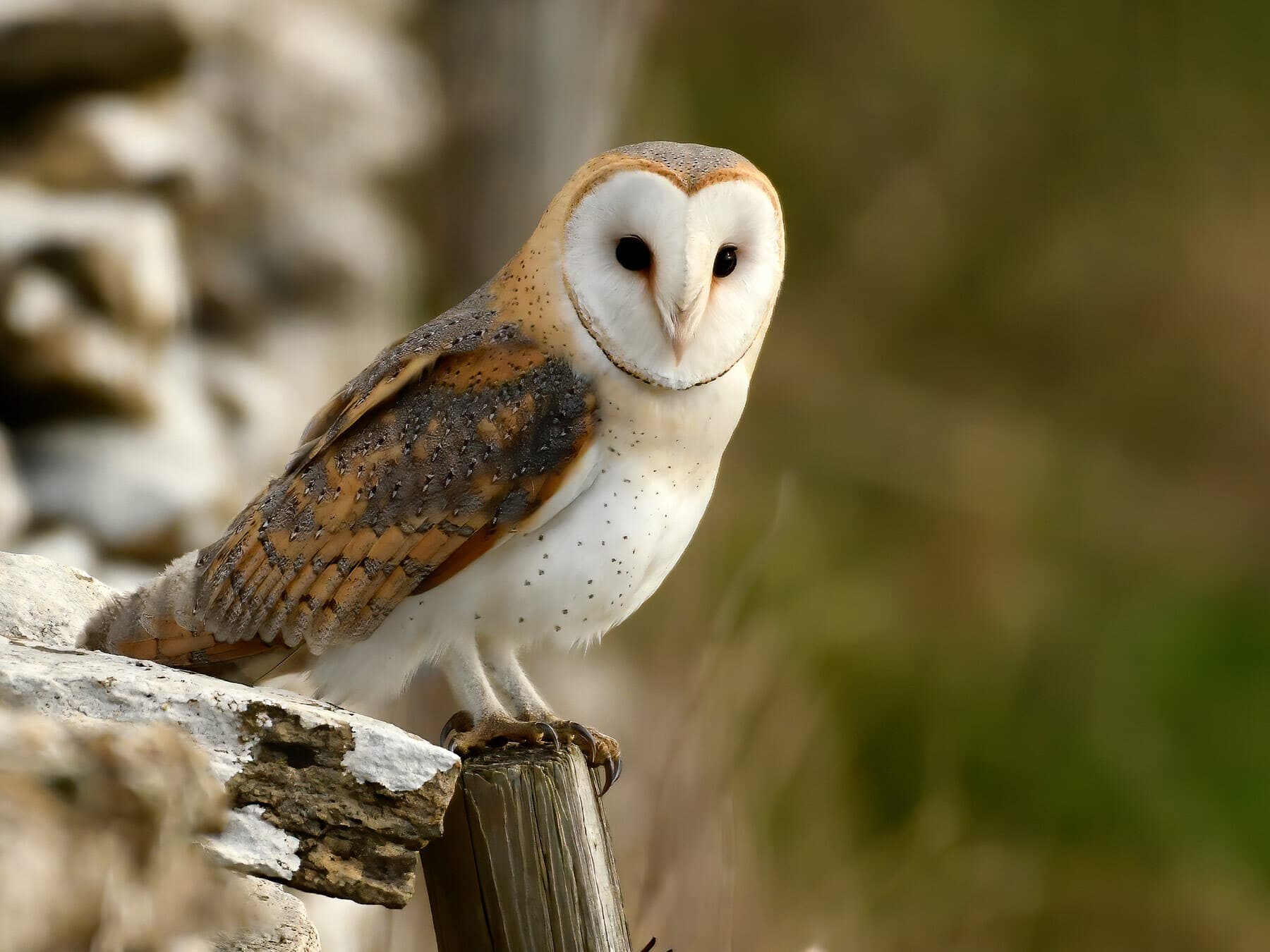
How do barn owls build their nests?
Barn owls don't really build their nests at all. Instead, they reuse nests from previous years. Some of these nests can be many generations old.
You can imagine that a nest that is a few generations old has all sorts of feathers and poop in it, and the barn owls are happy to lay their eggs right on top of this. They don't construct a cup-like nest like other birds; they simply lay their eggs directly on the pellets of their ancestors.
When do baby barn owls leave the nest?
Baby barn owls take a long time to leave the nest. After they hatch (which is about 30-35 days after the female lays the eggs), it takes about 50 days for them to leave the nest for good.
They will leave the nest before this with their parents for teaching sessions. Barn owl parents will show the babies how to hunt and fly before this. However, baby barn owls will leave the nest for good and go and find their own territory about 50 days after they hatch.
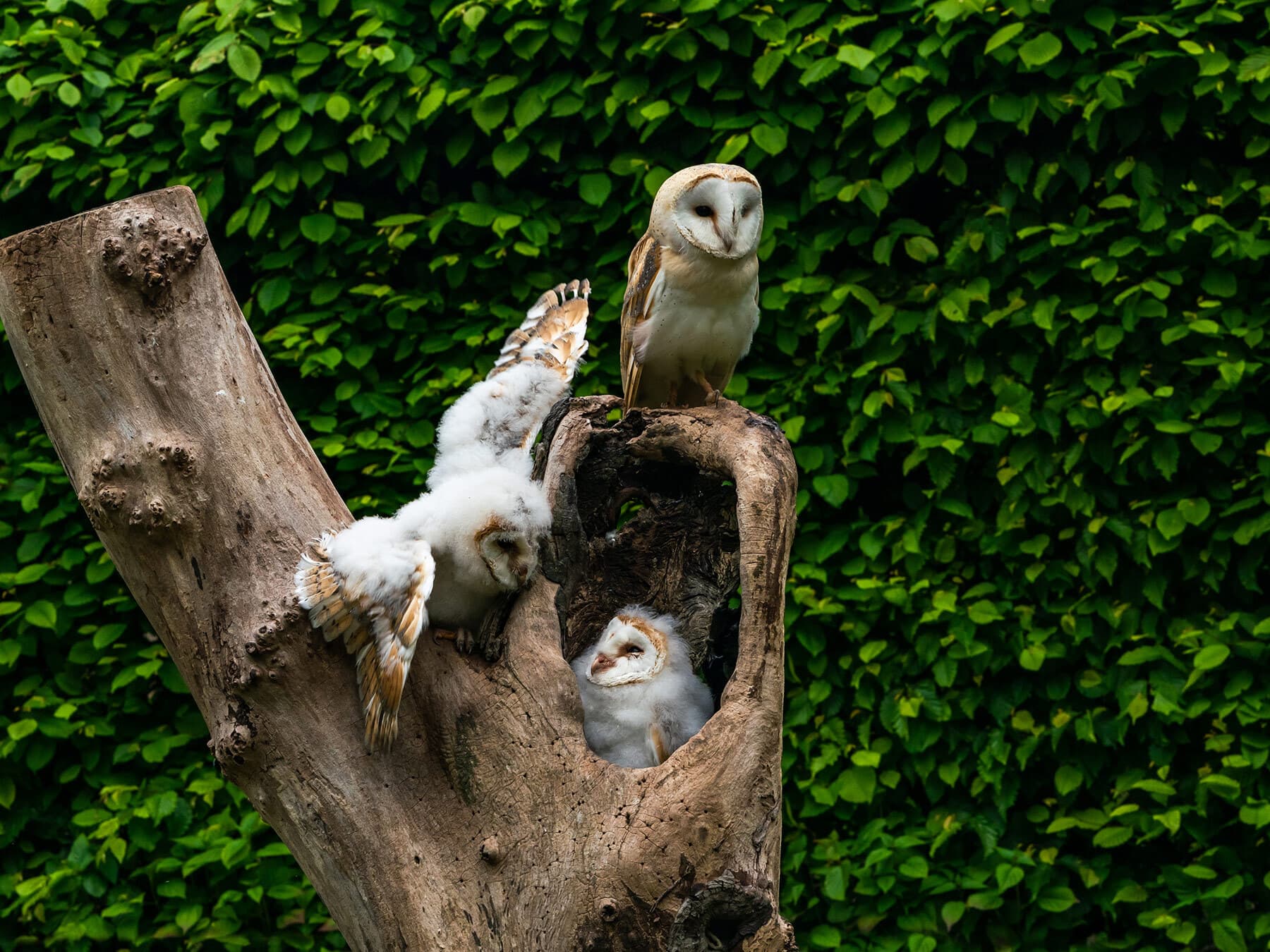
How many broods do barn owls have?
The majority of barn owls will usually only have one brood a year. But in warmer climates, they can have up to three broods in a year.
Do barn owls nest in the same place every year?
Barn owls do nest in the same place every year. In fact, many barn owl nests have been used for generations. If you have a nesting box for barn owls or a safe place that barn owls like to nest in, you will very likely see them return each year.
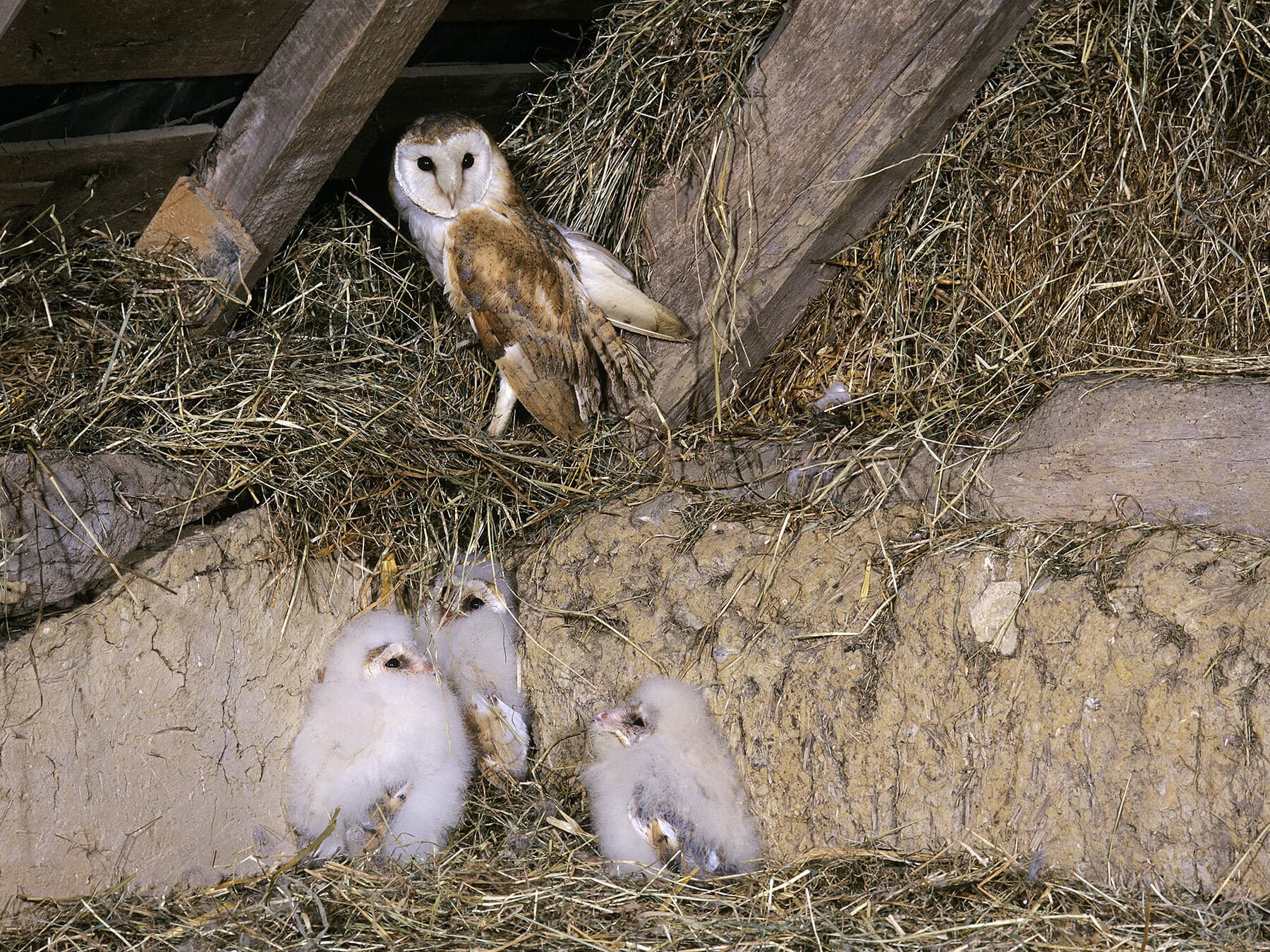
Do barn owls use nest boxes?
Barn owls will happily use nest boxes. They like a nest box that has a large flat bottom that is high up. The side of a house or tall tree is a great place to position a barn owl nesting box.
How big is a barn owl nest box?
An ideal size for Barn Owl nesting boxes is about 24 inches in width, height and depth.
They are very big nesting boxes, but they need to be. Barn owls are quite big and lay 4-6 eggs during the nesting period. So, they need plenty of space for the adults and the babies.
What do barn owl eggs look like?
Barn owl eggs are about 1.5 inches long and 1.3 inches wide. They are a dull white colour with flecks of brown.