


California Condor
Condor, California Vulture, Thunderbird · Gymnogyps californianus
By the Birdfact teamChecked by Nathan Cope
On this page12 sections
How to recognise it
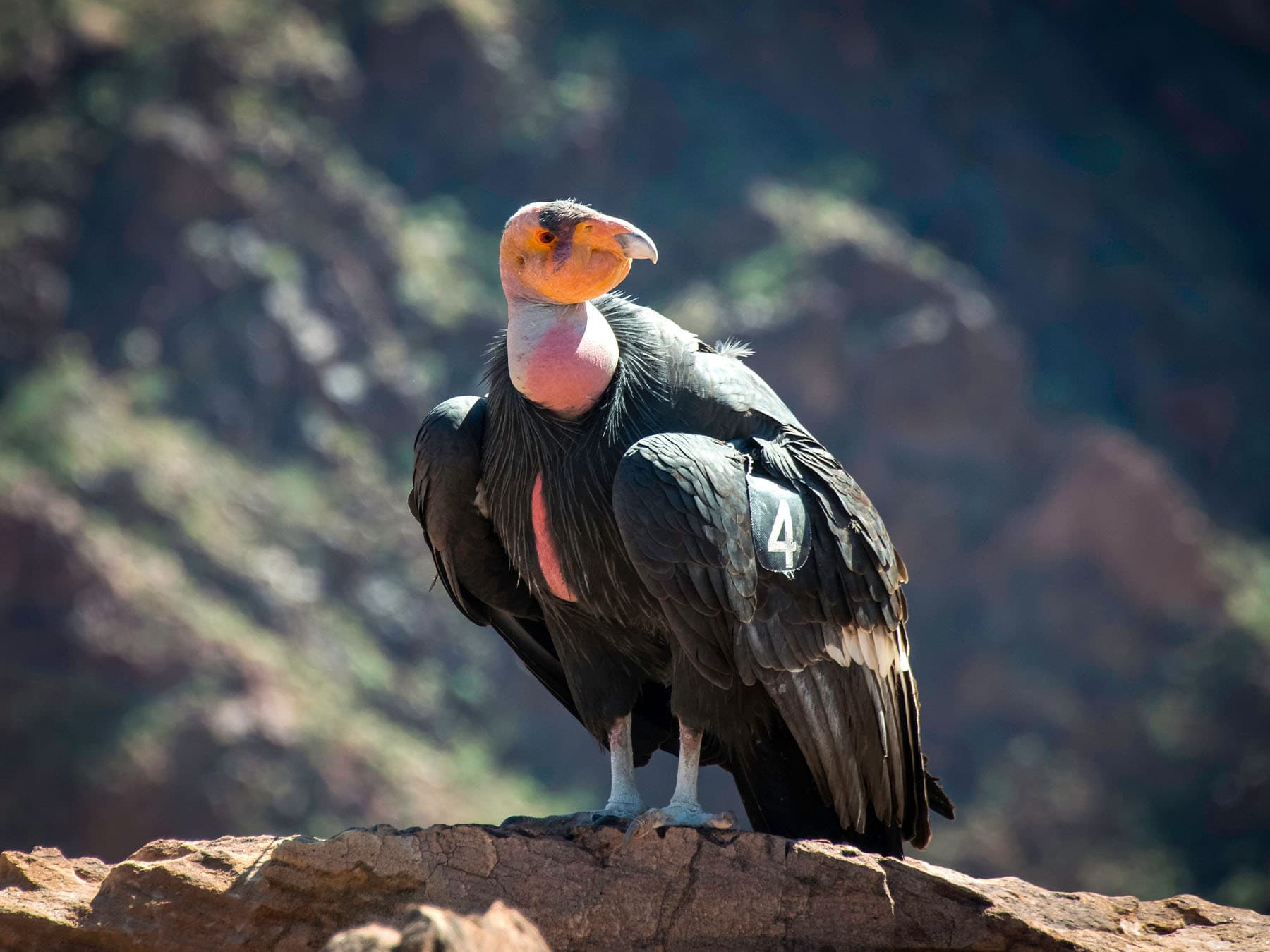
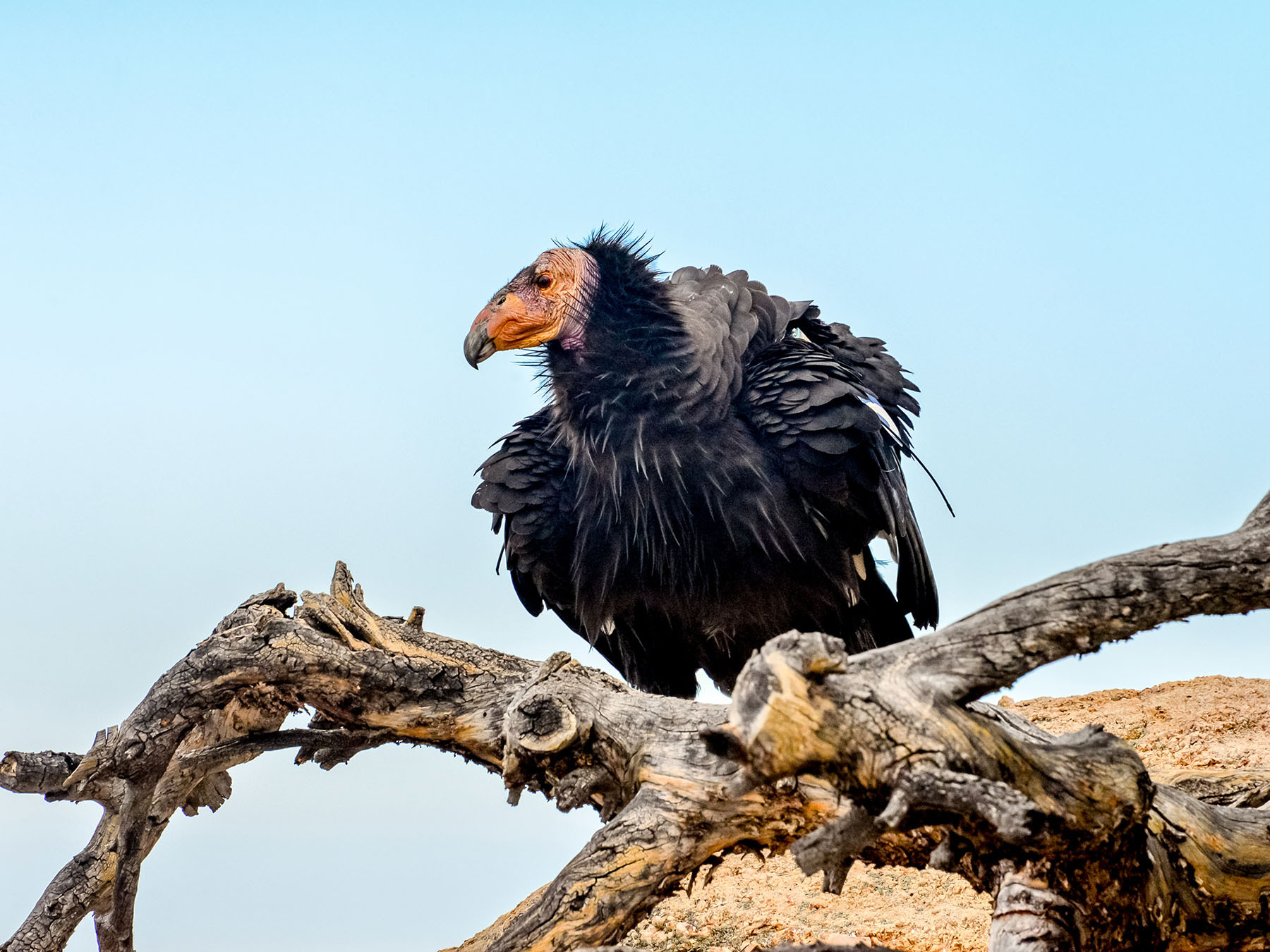
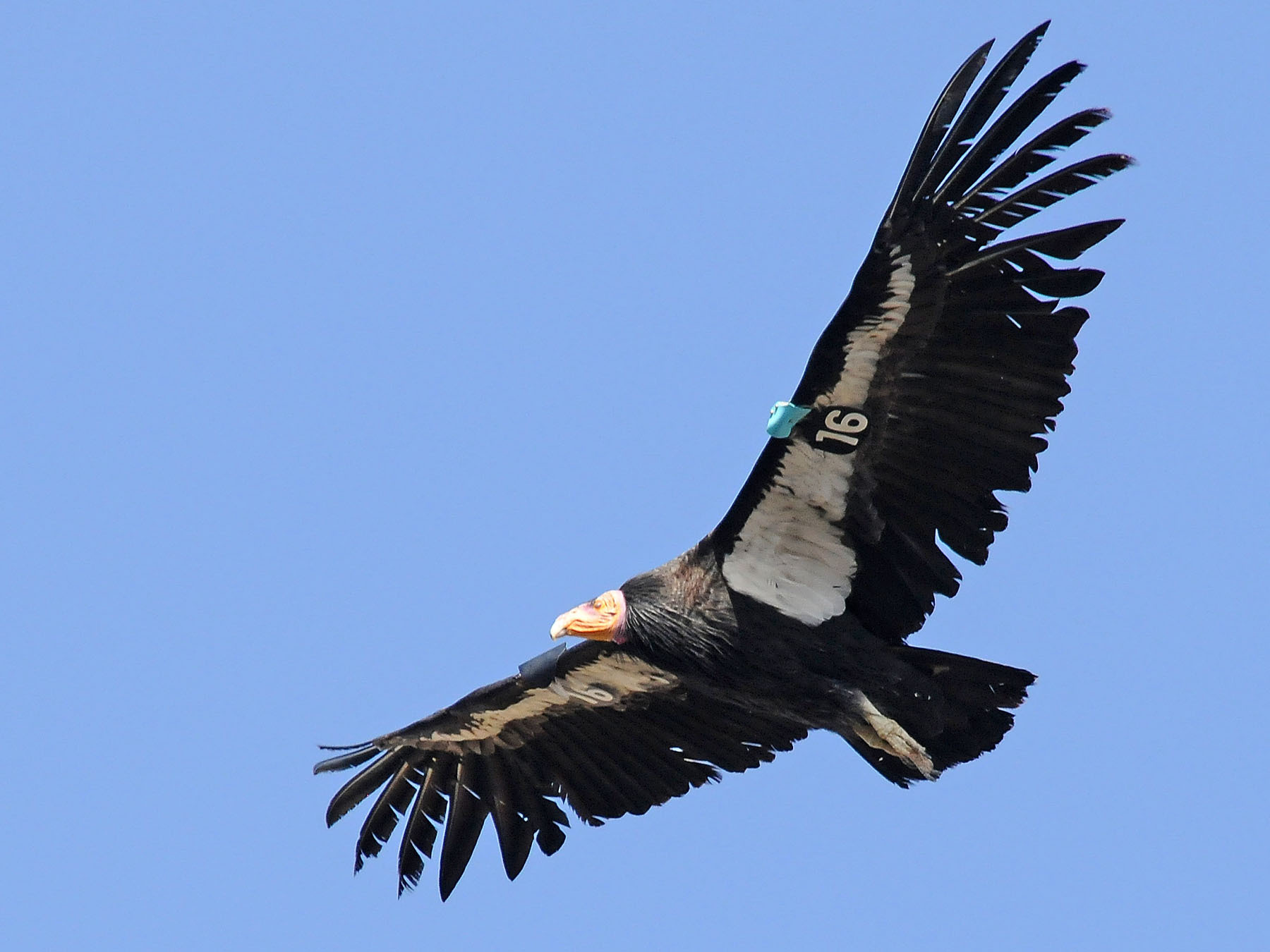
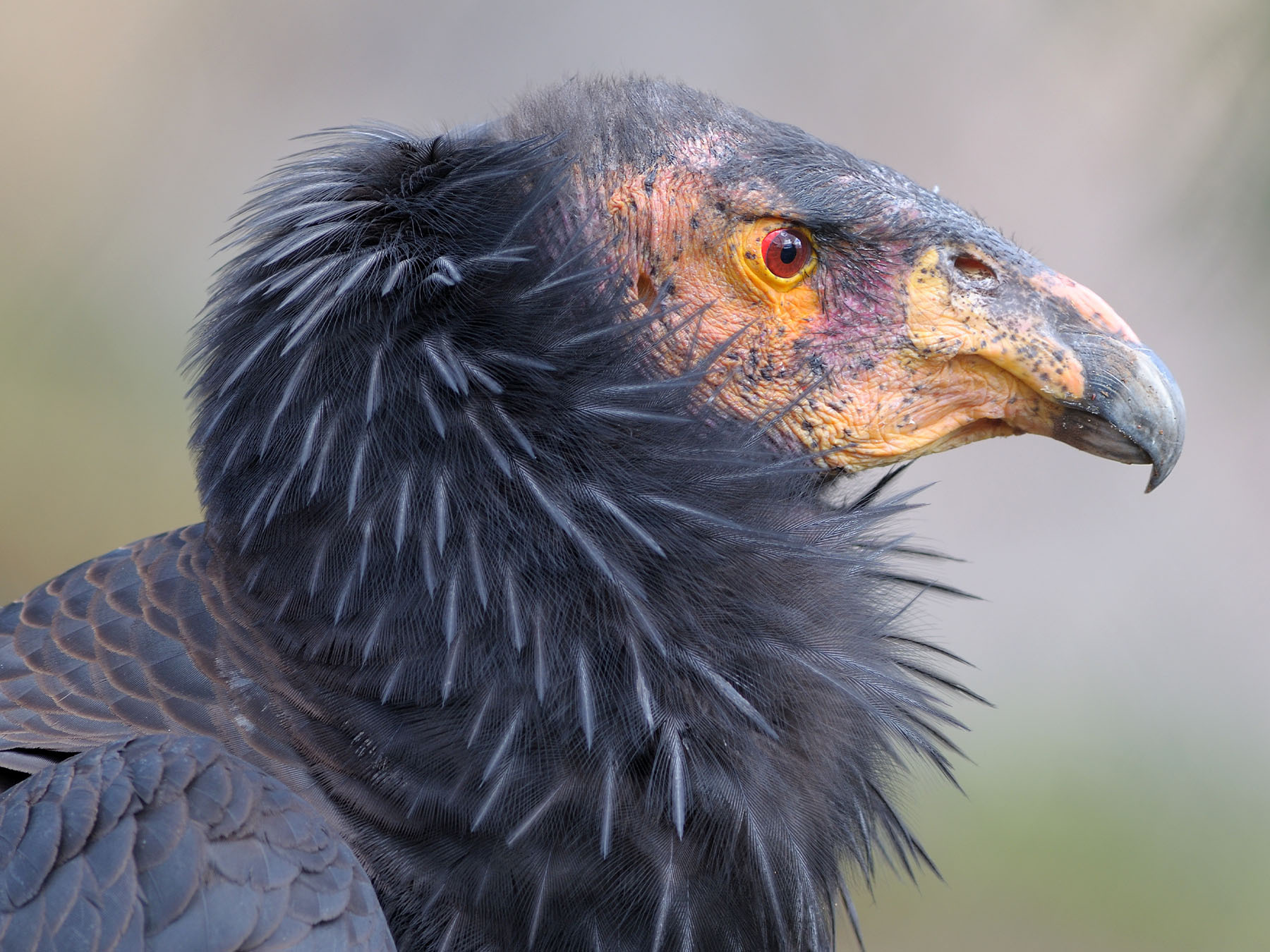
The California Condor is a huge bird with a nearly featherless, reddish-orange head and neck. Its body is covered in black feathers, with distinctive white triangular patches under its wings visible during flight.
Both males and females share similar appearances, with no significant sexual dimorphism. Juveniles can be distinguished by their darker heads and lack of white underwing patches until they reach maturity at about 5-6 years old.
Its size
Adults- Length
- 109–140 cm
- Wingspan
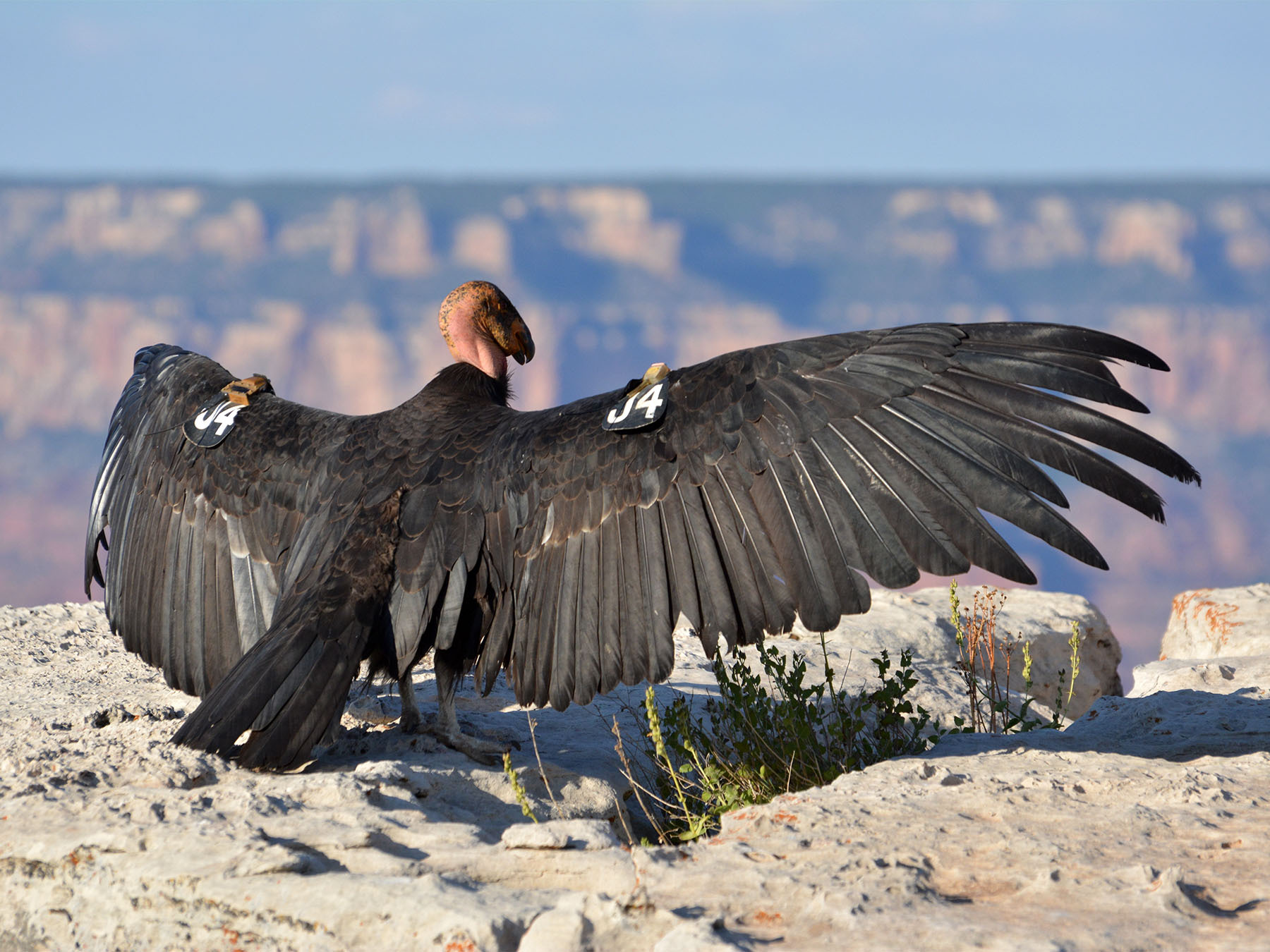
- 270–300 cm
- Weight
- 7700–14000 g
Its song and calls
When and where to see it
OctoberPeak season
Most recorded in October
- 1. Utahunder 0.1%
- 2. Arizonaunder 0.1%
- 3. Californiaunder 0.1%
Each dot is a county, state or province: the bigger and darker, the larger the bird’s share of that place’s bird records that month. Grey dots: no regular records. The ringed point is the centre of the bird’s records this month; the arrow shows how it moved since last month, and the dashed loop its path through the year. “Arrivals” colours places where it becomes regular this month (orange) or is in its last regular month (grey). GBIF eBird Observation Dataset, 2019–2024. Map data: Natural Earth, US Census Bureau; place centres © OpenStreetMap contributors.
In your area
See when the California Condor is recorded in your county, state or province.
How often the California Condor turns up in the United States through the year, from birdwatchers' records.
United States
Resident · all year · most records in September
Show as a table
| Month | United States |
|---|---|
| January | 0.003% (regular) |
| February | 0.002% (regular) |
| March | 0.003% (regular) |
| April | 0.002% (regular) |
| May | 0.001% (regular) |
| June | 0.002% (regular) |
| July | 0.002% (regular) |
| August | 0.003% (regular) |
| September | 0.004% (regular) |
| October | 0.003% (regular) |
| November | 0.003% (regular) |
| December | 0.002% (regular) |
Worldwide: recorded regularly in 2 countries
Countries where it was recorded in at least 3 of the 6 years 2019–2024. Linked countries have their own bird list.
North America (2)
Data: EOD – eBird Observation Dataset (Cornell Lab of Ornithology), accessed via GBIF.org, CC BY 4.0. Records from 2019–2024, aggregated and filtered by Birdfact. How these lists are made
Tips for seeing it
- Look for them soaring high in the sky over rugged terrain
- Visit known release sites in California, Arizona, or Utah
- Observe from a distance to avoid disturbing these sensitive birds
- Look for numbered wing tags used for identification in conservation programs
- Best viewing times are mid-morning when thermals begin to form
What it eats
California Condors are obligate scavengers, feeding primarily on large mammal carcasses such as deer, cattle, and marine mammals. They locate food by sight and can travel up to 150 miles daily searching for carrion.
Their strong beaks and digestive systems allow them to consume and process tough animal tissues and bones.
Nesting and breeding
California Condors form long-term pair bonds and typically breed every other year. Courtship involves aerial displays and mutual preening, usually beginning in late fall or early winter.
Nests are minimal, often located in caves or on cliff ledges. Females lay a single egg, which is pale blue-green in color. Both parents share incubation duties.
The incubation period lasts about 56-58 days. Chicks remain in the nest for 5-6 months before fledging and continue to depend on their parents for up to a year after leaving the nest.
Behaviour
California Condors are highly social, often feeding in groups and engaging in communal roosting. They spend hours soaring on thermal updrafts, covering vast distances in search of carrion.
These birds exhibit unique 'urohydrosis,' where they urinate on their legs to cool themselves and disinfect their feet after walking through carcasses.
Conservation
The California Condor remains critically endangered due to lead poisoning, habitat loss, and human disturbance.
Intensive captive breeding and reintroduction programs have brought the species back from the brink of extinction, with continued efforts focusing on expanding their range and reducing threats in the wild.
Similar birds
Often mistaken for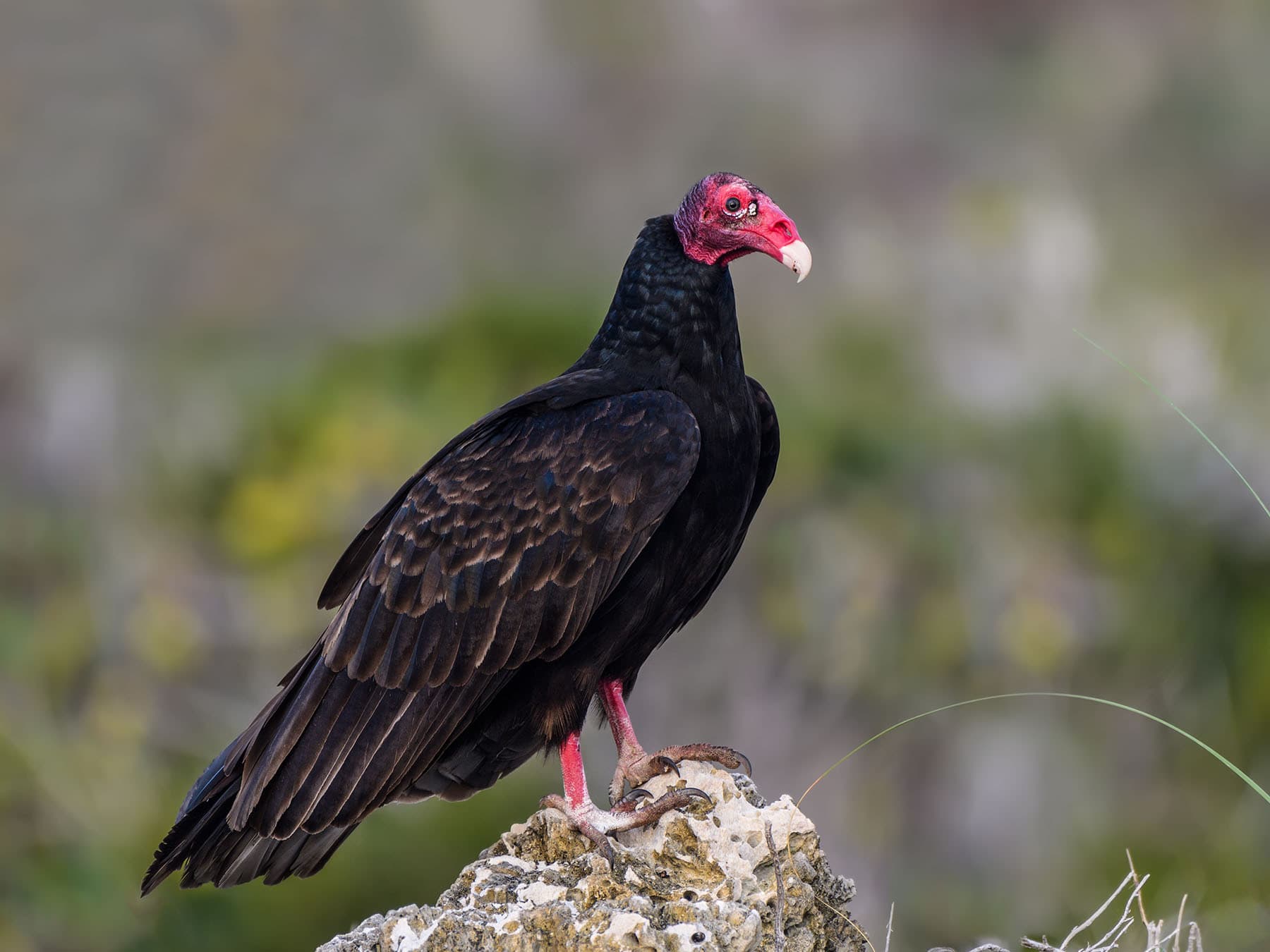
More photos
6 photos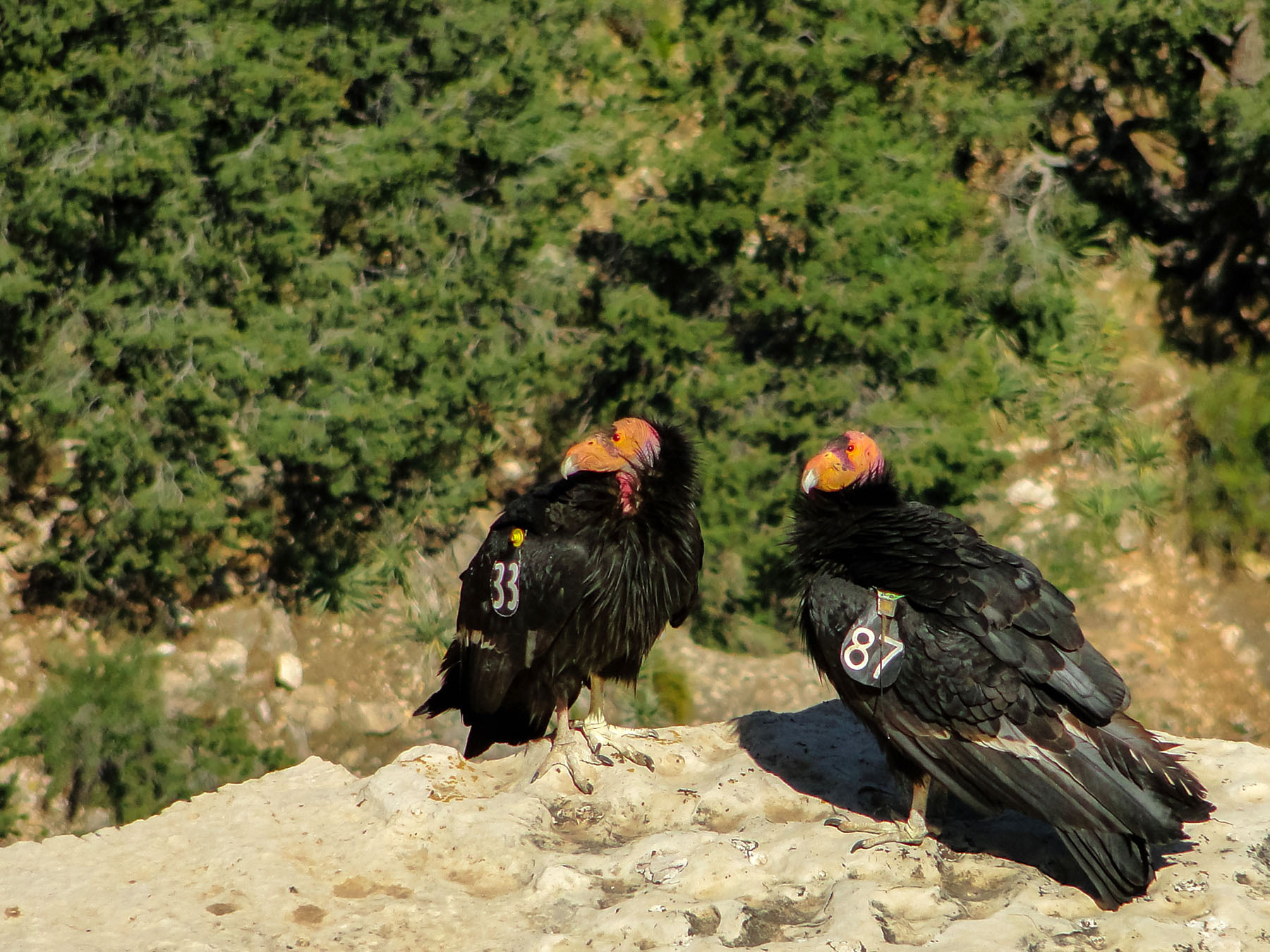
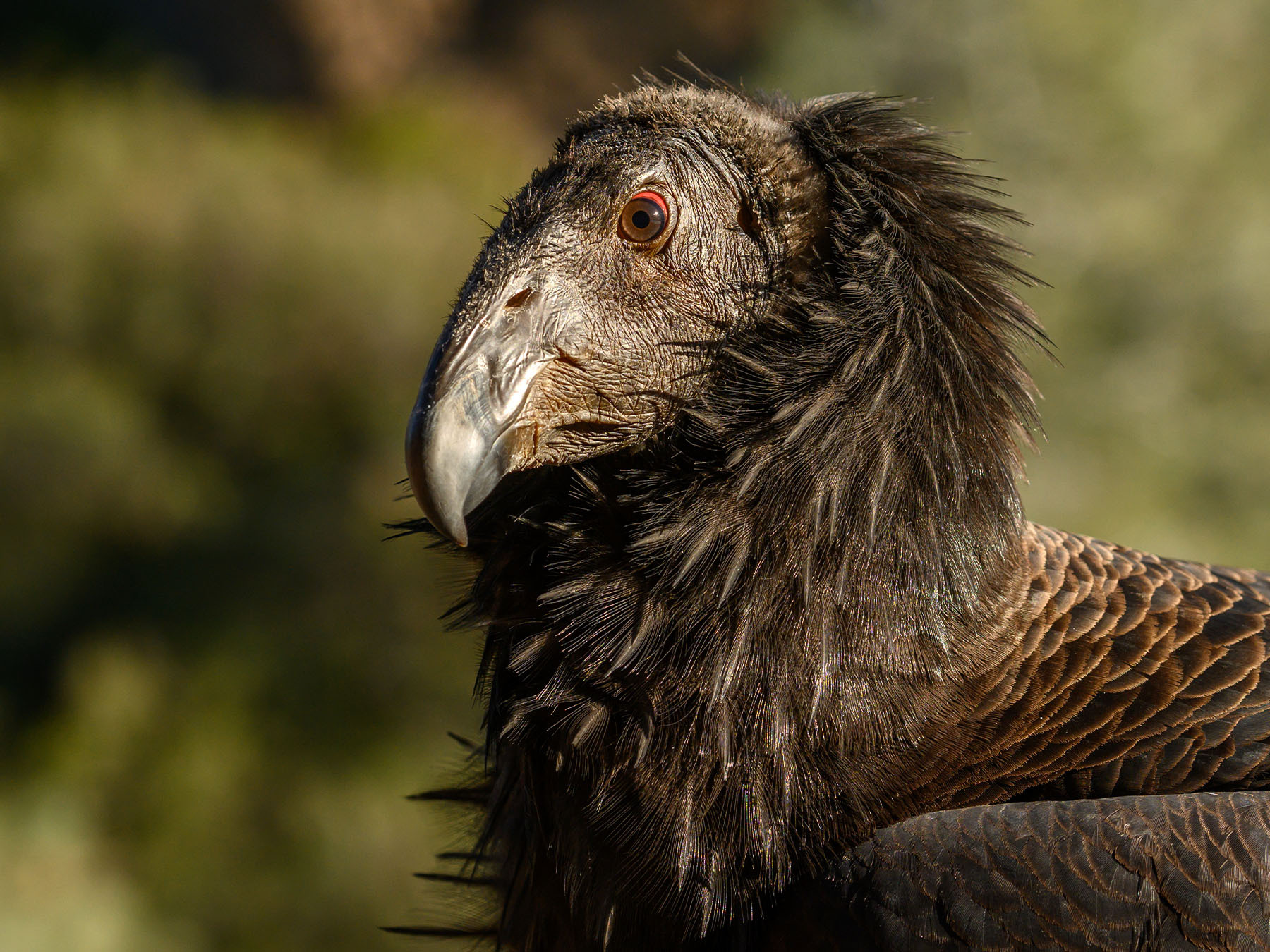
Quick facts
- Length
- 109–140 cm
- Wingspan
- 270–300 cm
- Weight
- 7700–14000 g
- Lifespan
- 45–60 years · oldest recorded 45 years
- Family
- New World Vultures
- Migration
- Resident
- Global status (IUCN)
- Critically Endangered
- World population
- 222 individuals
- Population trend
- Slowly increasing due to conservation efforts
- Also called
- Condor, California Vulture, Thunderbird
- Scientific name
- Gymnogyps californianus
Sources
4- 1BirdLife International. 2020. Gymnogyps californianus. The IUCN Red List of Threatened Species 2020: e.T22697636A181151405. Source (opens in a new tab)
- 2BirdLife International. 2020. Gymnogyps californianus. The IUCN Red List of Threatened Species 2020: e.T22697636A181151405. Source (opens in a new tab)
- 3Partners in Flight (2022) Source (opens in a new tab)
- 4Carey and Judge, Longevity Records: Life Spans of Mammals, Birds, Amphibians, Reptiles, and Fish (2000) Source (opens in a new tab)

Checked by
Nathan Cope, founder and editor
Nathan founded Birdfact and leads its writers and contributors in the UK, the US and Canada. He has watched and studied birds for more than ten years, and checks every article and species guide before it’s published.