Facts · Updated 8 Oct 2026
Chia Seeds and Birds: A Superfood for Your Feathered Friends?
By the Birdfact teamChecked by Nathan Cope
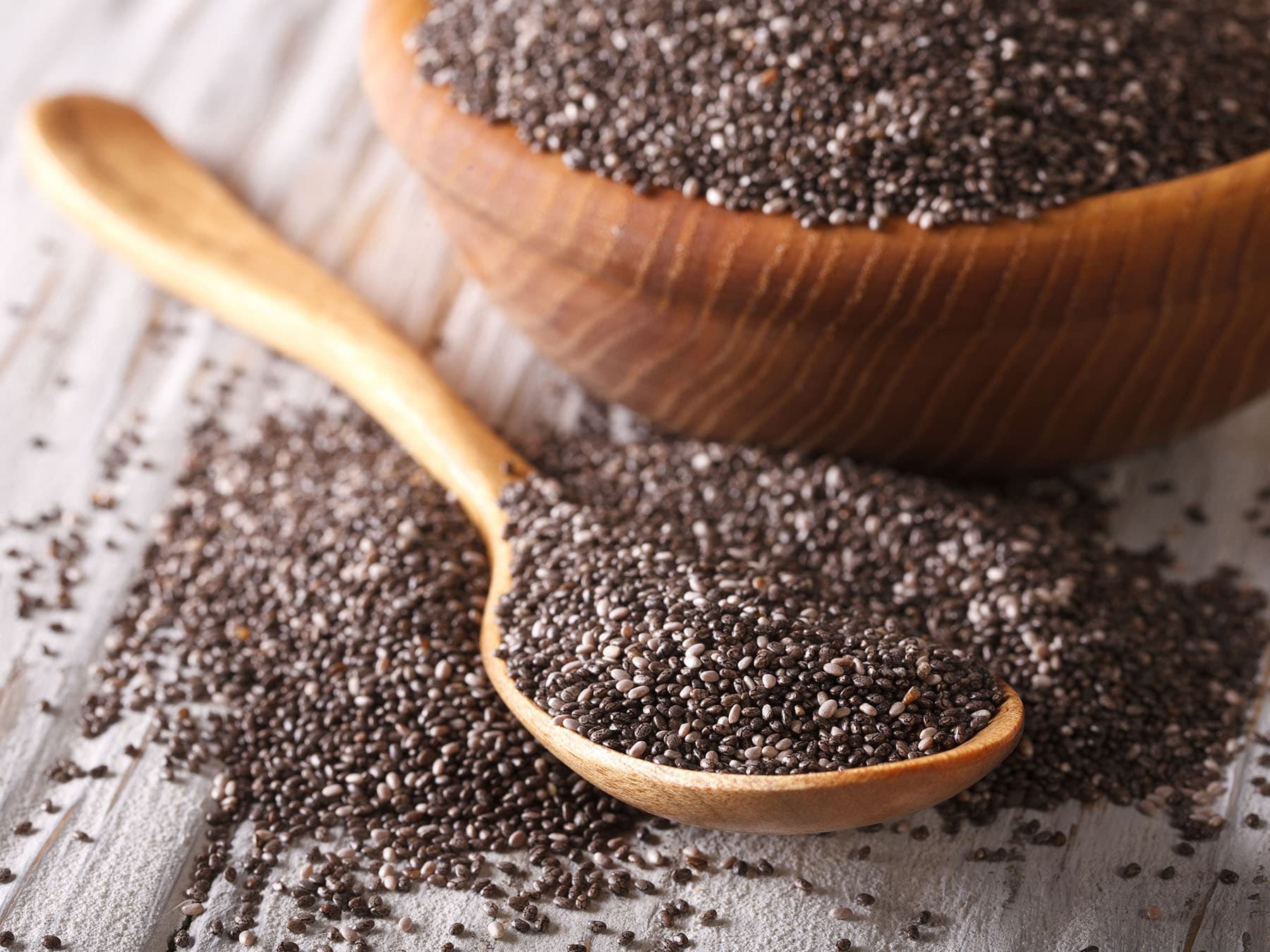
You have likely heard of the tiny but nutritious chia seed - from a flowering plant in the mint family known as Salvia hispanica. It is widely touted for its multitude of health benefits for humans, but we are not the only ones who benefit from this food. So, are chia seeds safe for birds?
Birds can consume chia seeds. Packed with omega-3 fatty acids, fiber, and protein, chia seeds are highly nutritious for birds, contributing to their overall health and plumage.
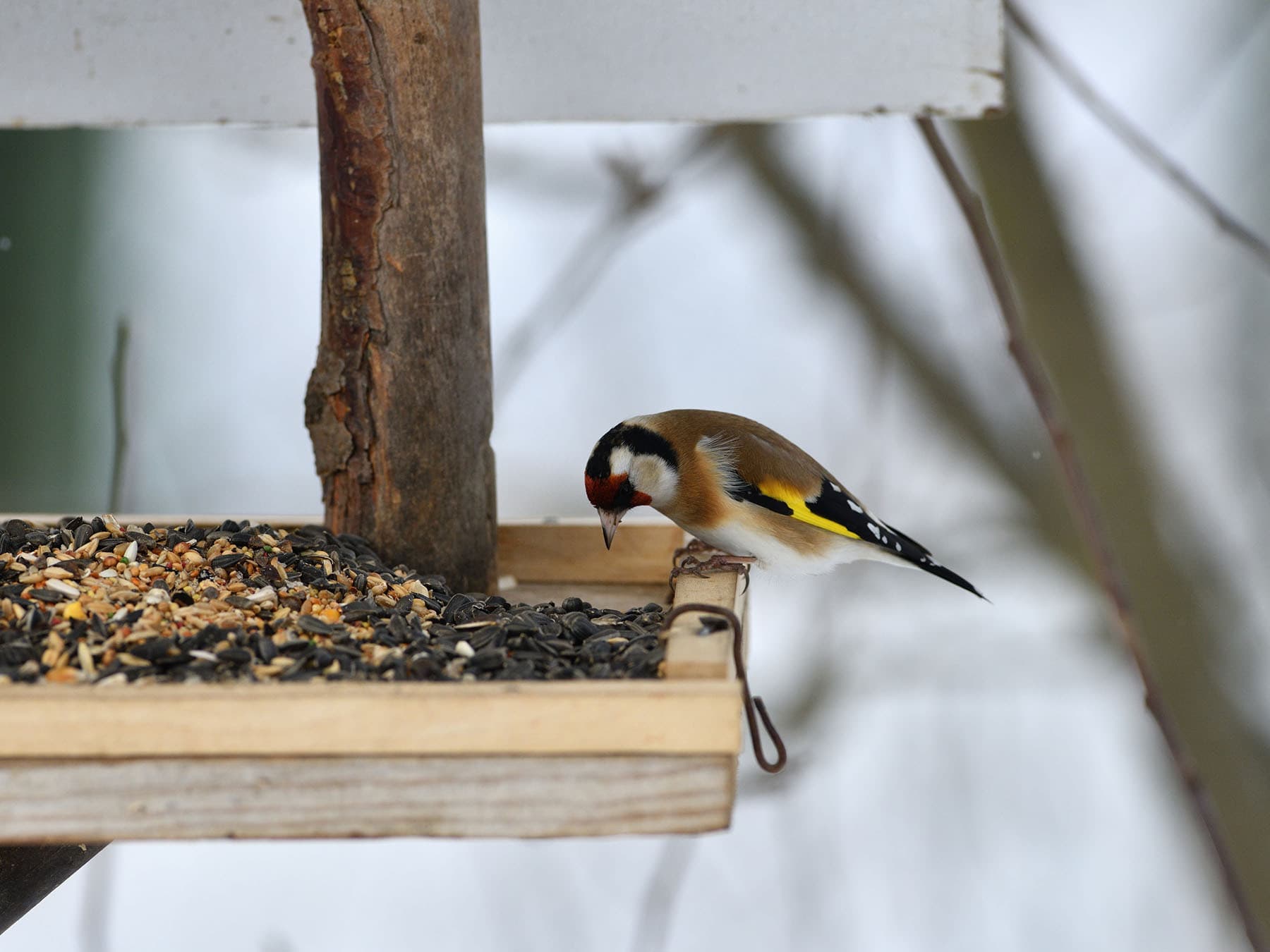
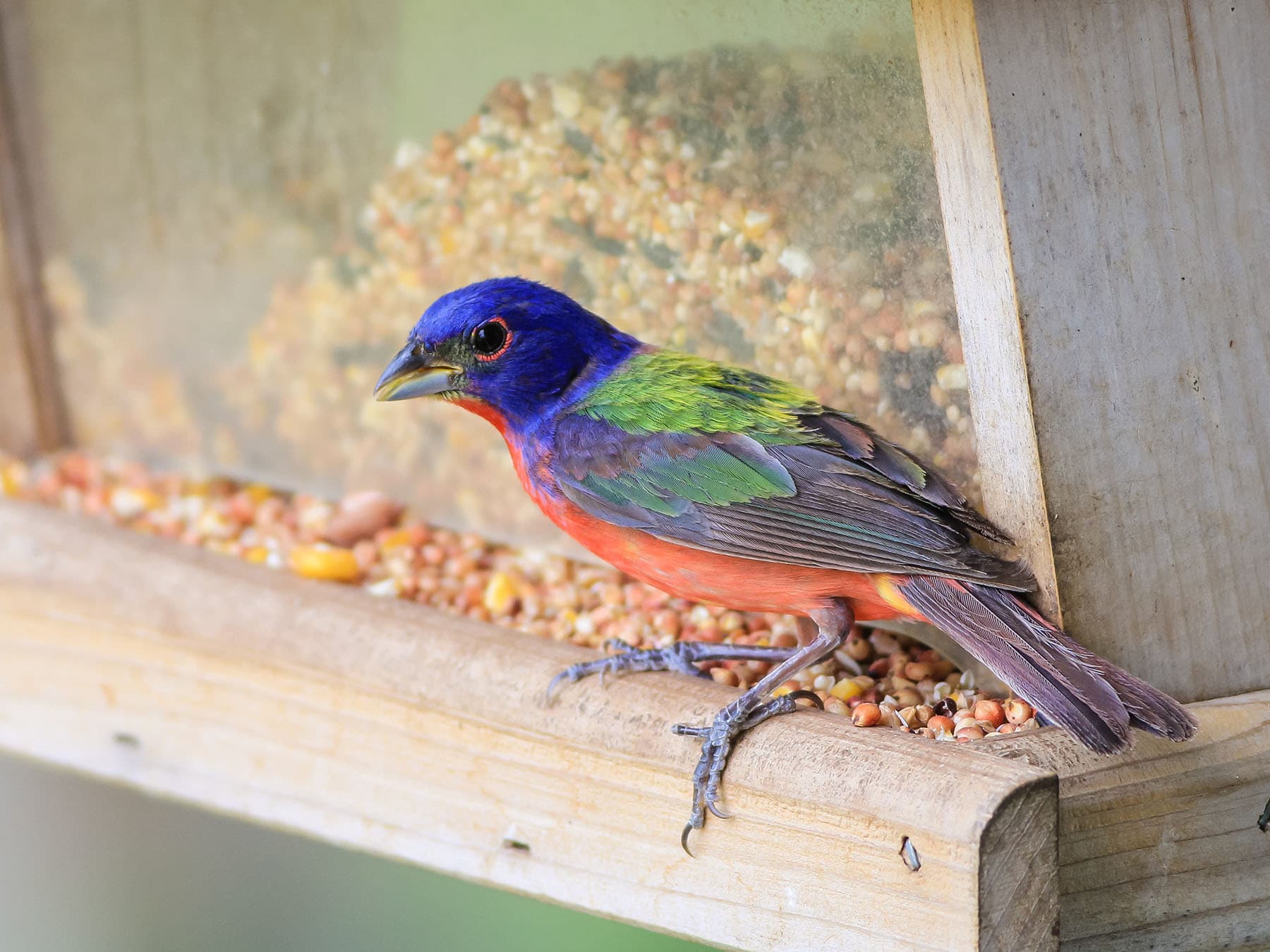
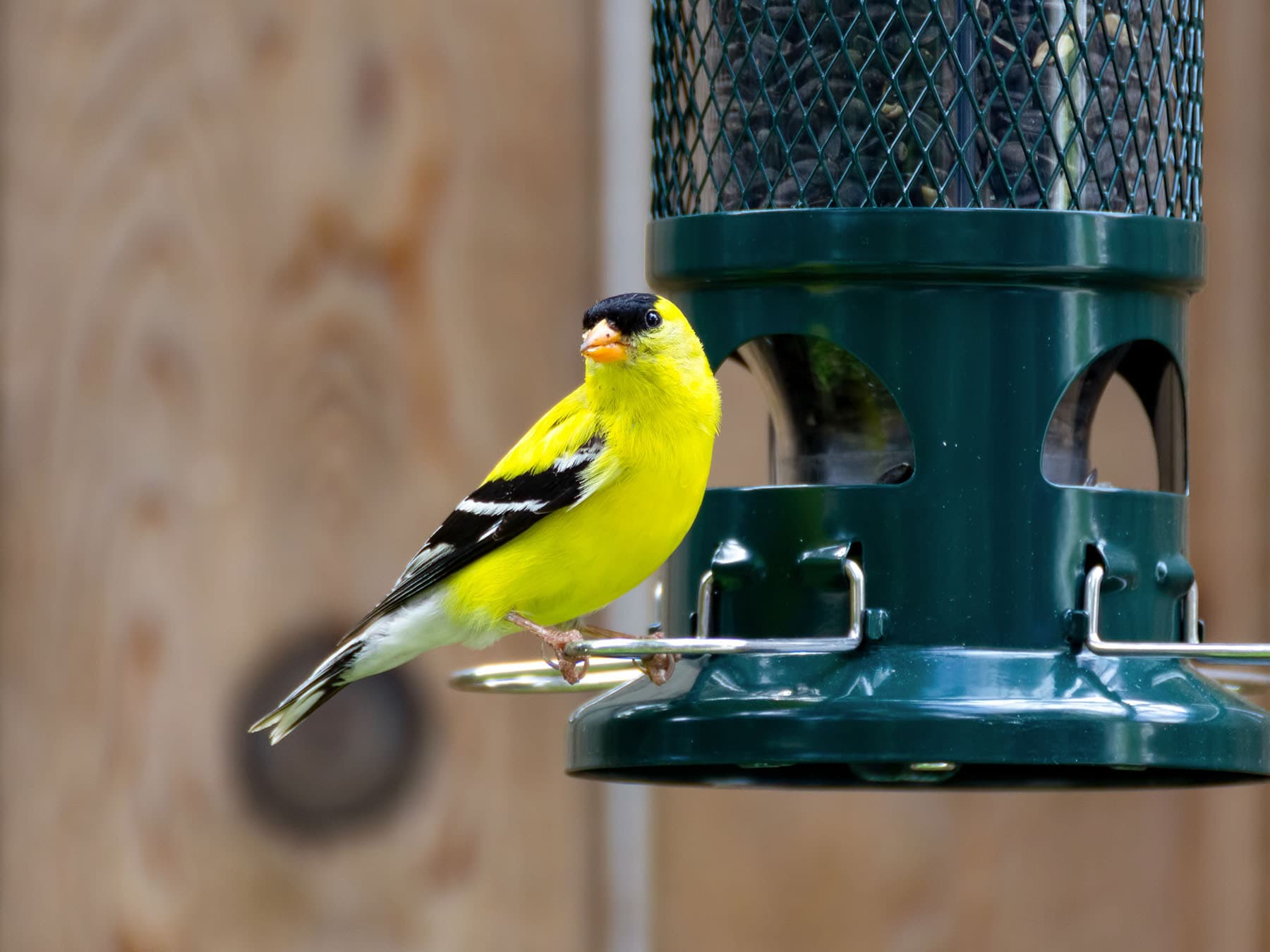
Chia seed-eating birds include some of the most common backyard or garden species, such as finches, sparrows, and buntings. All of these birds consume seeds as part of their regular diets.
Compared to other food sources, chia seeds are like a superfood. They offer ample vitamins and minerals, nutrients that are essential to a bird's health and survival.
Some birds can forage for these seeds in the wild - primarily desert-dwelling species. Those that do not have access to the plant naturally can still have them supplemented into their diets via feeding stations.
We will discuss how to feed chia seeds to your backyard visitors in more detail below.
Nutritional Benefits of Chia Seeds to Birds
Chia seeds offer extensive nutritional benefits for birds. They are packed full of essential vitamins and minerals, including:
- Calcium - Calcium is a mineral that is not always easy for birds to come by in the wild but is beneficial for nesting females and their young.
- Protein - Like our fingernails, or the hooves and claws of mammals, a bird’s feathers are primarily made up of protein. Consuming protein ensures birds have healthy strong feathers, which is essential for flight.
- Fiber - This is vital for healthy digestion.
- Phosphorus - Phosphorous is a mineral necessary to grow, maintain, and repair cells and tissue. It helps birds retain their strength and mobility.
- Manganese - Manganese helps form strong bones and connective tissue, and is vital for a healthy metabolism. When females consume enough manganese, it ensures their eggs are healthy and robust.
- Fatty Acids - Fatty acids include Omega 3 and Omega 6, which boost the immune system.
- Fat - Extra fat helps birds regulate their body temperature in the winter months and grow healthy, vibrant plumage.
- B Vitamins - B Vitamins help convert food to energy, essential for a healthy metabolism.
How to Safely Introduce Chia Seeds into a Bird's Diet
Chia seeds can be fed to backyard birds in their raw form.
Offering chia in addition to other types of seeds, berries, and dried mealworms will ensure the birds have a well-rounded, nutritious diet.
Although it is not necessary, soaking chia seeds for birds is also an option. This makes the nutrients within them more readily available. To serve chia seeds this way, simply add water and wait until they form a pudding-like texture. Then, you can place them on a tray for visiting birds to enjoy.
If you supply your feeders with chia seeds, they should be organic. Non-organic chia seeds may have pesticide residues and other added chemicals that are harmful to birds.
How many Chia seeds can a bird eat?
There is no specific measurement as to how many chia seeds a bird can or should eat. As long as you mix a generous amount with other types of seeds, your backyard birds will not be overeating chia.
Best Time to Feed Chia Seeds to Wild Birds
The best time to feed chia seeds to wild birds is, well, anytime. They are an excellent source of protein, antioxidants, fiber, and essential vitamins and minerals.
Do birds eat Chia seeds in the winter?
Birds will eat chia seeds in winter. In fact, chia seeds are a wonderful nutritional supplement for any seed-eating species in the colder months. They are high in healthy fats, which help birds stay warm during freezing temperatures.
Chia seeds also contain immune-boosting Omega-3 and Omega-6 fatty acids. A healthy immune system is vital for fighting off diseases that could make a bird especially vulnerable during winter. Additionally, the proteins prevalent in this seed ensure birds remain strong.
Do birds eat Chia seeds in the summer?
Birds also eat chia seeds in summer. Summertime is usually the nesting season, which means it is important for birds to have a well-balanced and nutritious diet to raise healthy young.
Calcium and manganese are two minerals in chia seeds that are critical - particularly for female birds - this time of year. Both aid females in producing healthy eggs and ensure young develop strong bones.
Of course, protein and fatty acids are vital in the summer as well. Birds must always keep up their strength and stamina to forage, mate, and care for their young.
Common Bird Species That Eat Chia Seeds
In the US
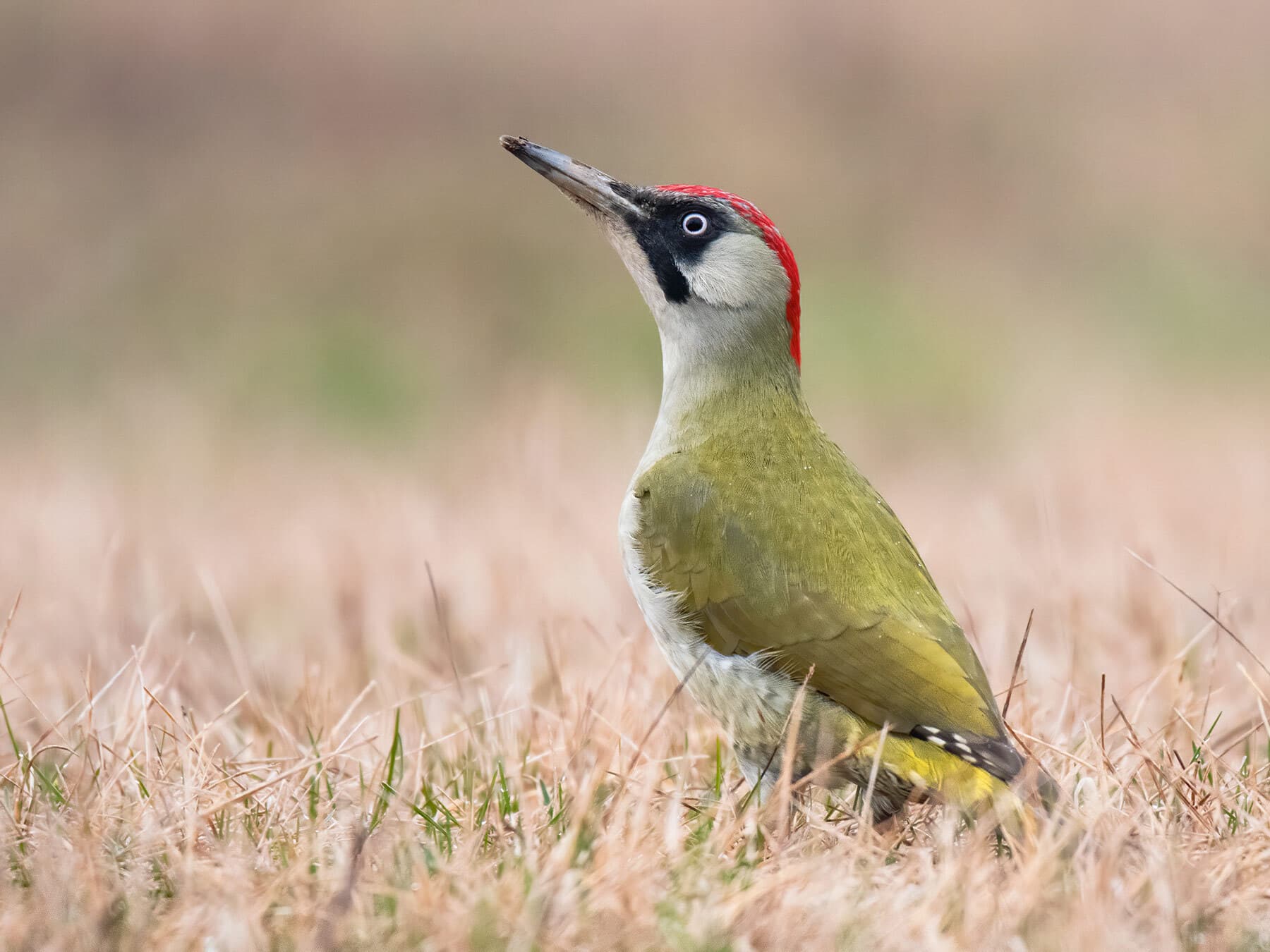
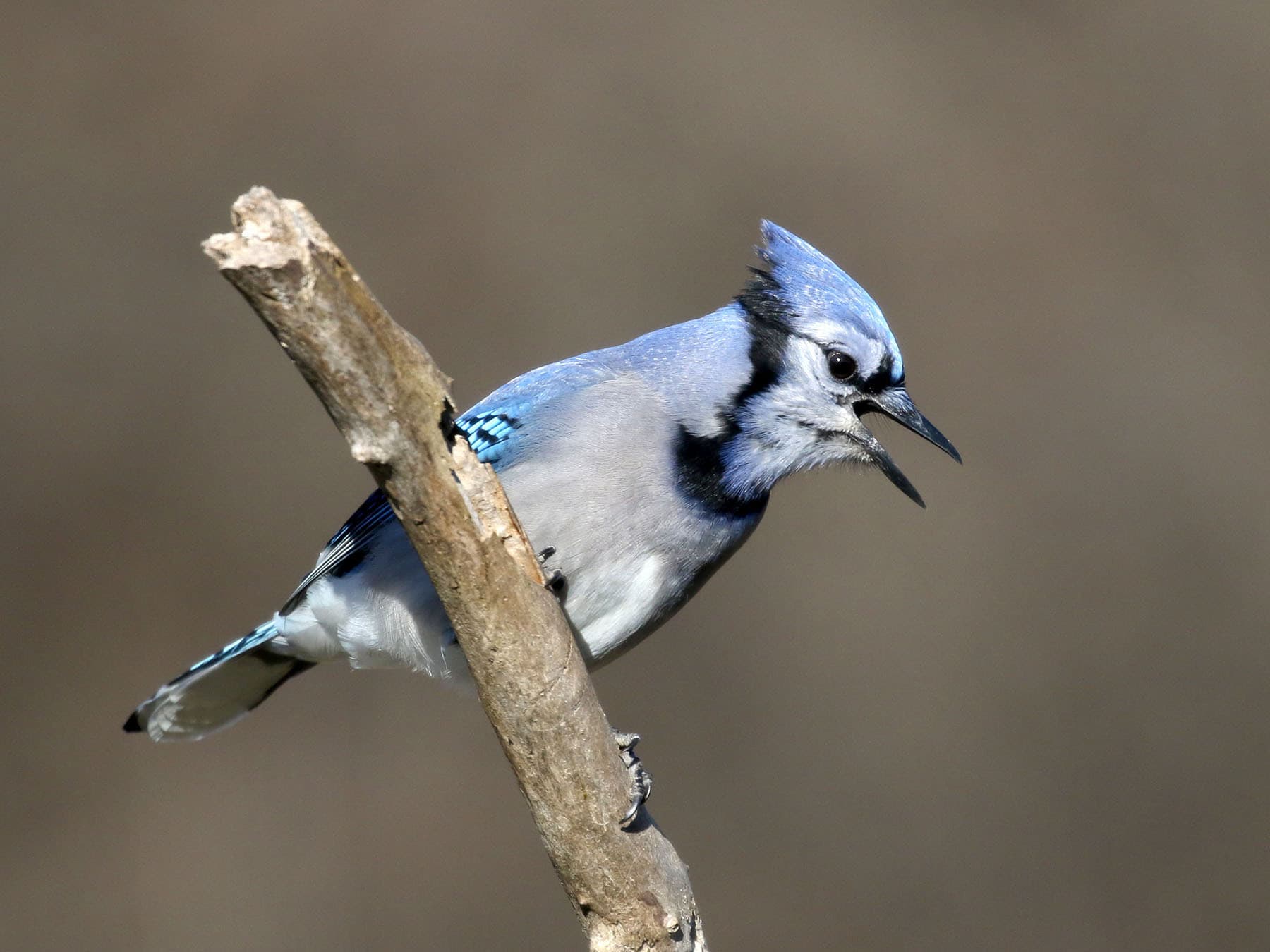
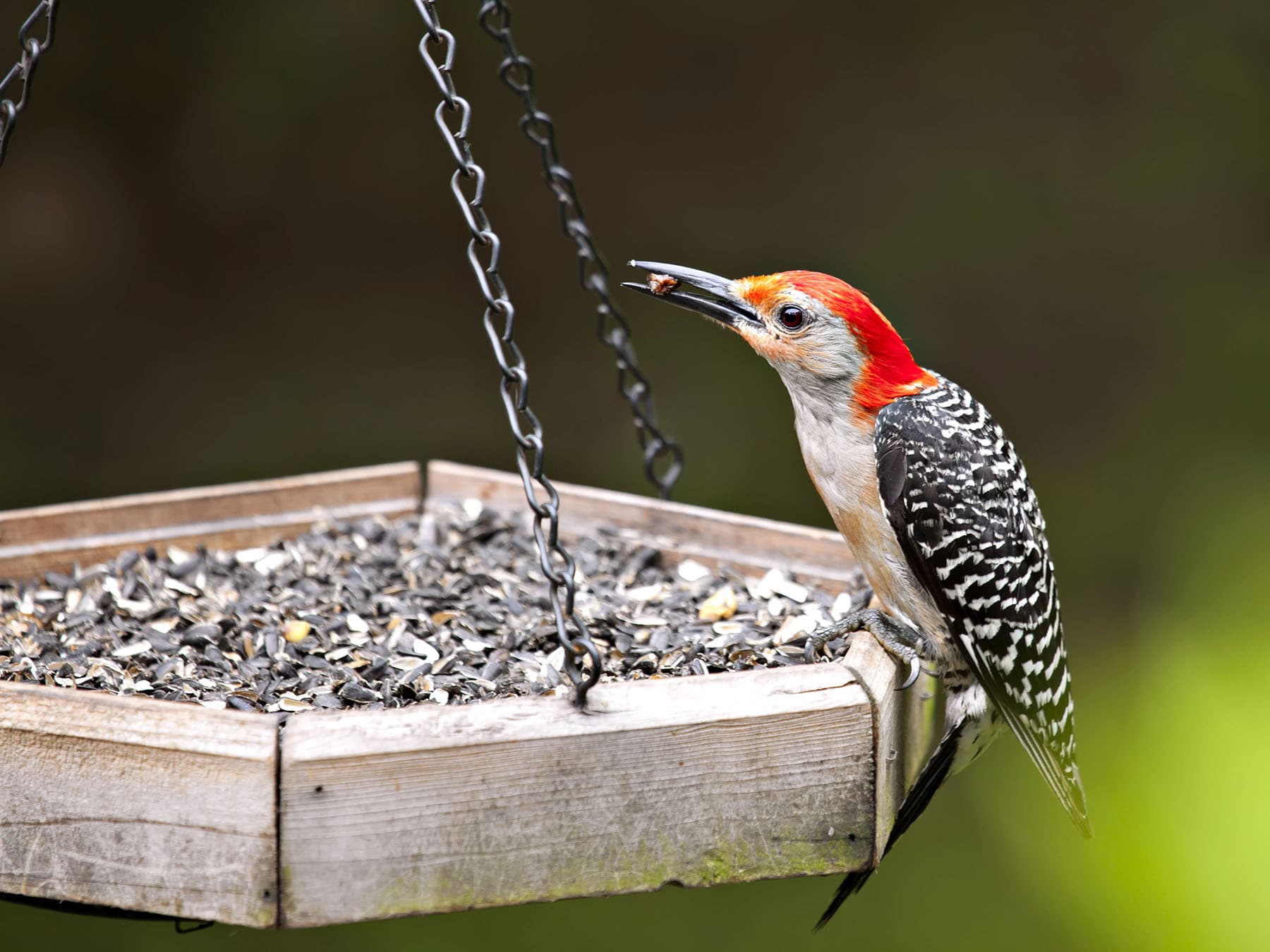
Most seeding-eating backyard birds in the US will eat chia seeds. The most common species include finches, sparrows, bluejays, blackbirds, pigeons, doves, and woodpeckers (particularly woodpecker species that inhabit desert habitats and eat a variety of seeds).
In the UK
finches and buntings. garden birds have diets primarily of seeds, and chia seeds offer them an excellent source of vitamins and minerals.
In the wild, birds eat chia seeds raw, directly from the Salvia hispanica plant. Unlike some larger seeds, these do not need to be hulled.
FAQs
Can birds eat expired Chia seeds?
As long as the chia seeds still look and smell normal, they are likely alright for birds to eat past the expiration date. However, it is always safer to assume the expired chia seeds have gone bad and buy a fresh bag. Mold can begin to form on outdated seeds that could make birds sick.
Can budgies eat Chia seeds?
Yes, budgies can eat chia seeds. They offer an excellent source of vitamins, minerals, and antioxidants to these seed-eating birds. Chia seeds are also great for growing healthy, vibrant plumage.
Can lovebirds eat Chia seeds?
Lovebirds do eat chia seeds. As with other seed-eaters, chia seeds are part of a well-rounded healthy diet for these birds.
Can parakeets eat Chia seeds?
Yes, parakeets can eat chia seeds. In their raw form or soaked, these seeds are chock full of nutrients that will help ensure the health of your parakeet.
Can pigeons eat Chia seeds?
Yes, pigeons can and do eat chia seeds. These birds will forage for them in the wild or feast on them at feeders.