Your Personal Bird Guide, Every Month
A personalised digest of the birds in your area — what's arriving, what to listen for, and how to make the most of the season.
What's inside each digest
Every digest is generated fresh for your location and the current month.
Species in your area
See which birds are present near you this month, drawn from our regional species database.
Seasonal arrivals
Know when migrants are arriving and departing, so you never miss a seasonal visitor.
Garden tips
Practical advice on feeders, planting, and water sources to attract more birds to your garden.
Identification help
Distinguishing features and field marks for the species you're most likely to encounter.
Personalised to you
Tailored to your location, experience level, and the birds on your wishlist.
Delivered to your inbox
Plus members receive their digest by email each month — ready to read over a morning coffee.
See it in action
Here's what a real digest looks like — personalised species, seasonal tips, and garden advice, all tailored to your location.
Sussex, England
March 2026
As the days begin to lengthen, the transition from winter to spring brings a palpable energy to your garden. This is a thrilling time for birdwatching, as the dawn chorus starts to build in volume and variety, offering a wonderful natural soundtrack right outside your window.
Birds to Look For
8 species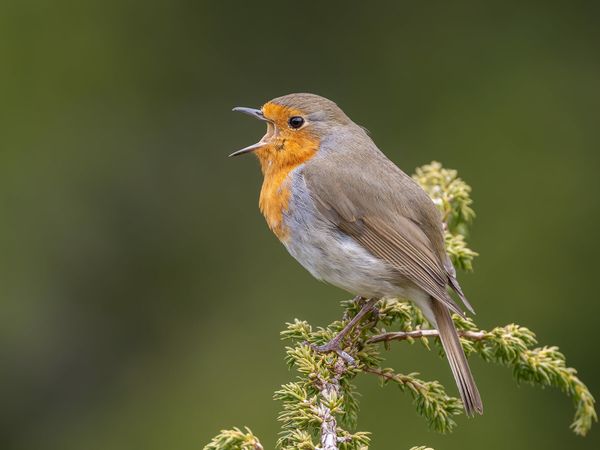
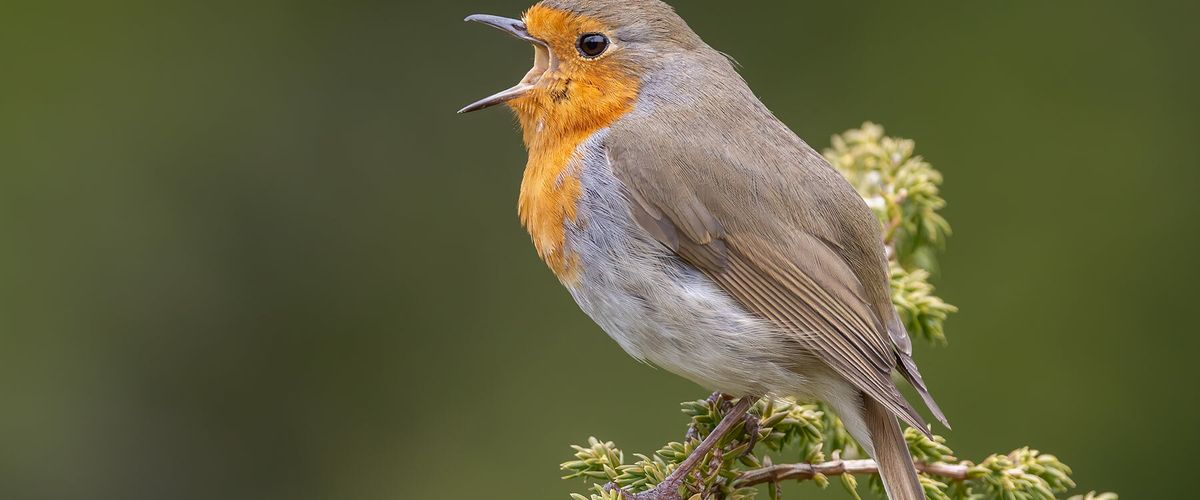
Robin
Erithacus rubecula
With its unmistakable bright red breast, the Robin is a familiar and fiercely territorial garden resident. In March, their sweet, rippling song can be heard from prominent perches.
Perched on fences, spades, or hopping on the lawn.
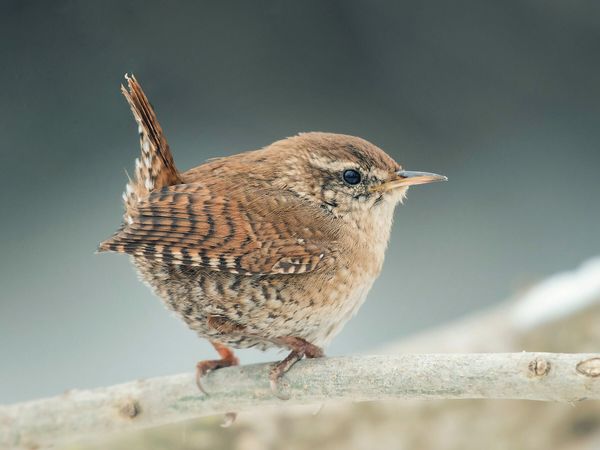
Wren
Troglodytes troglodytes
A tiny, dumpy brown bird with a cocked tail, the Wren is surprisingly loud for its size. It tends to creep mouse-like through undergrowth.
Low down in brambles, ivy, and dense garden borders.
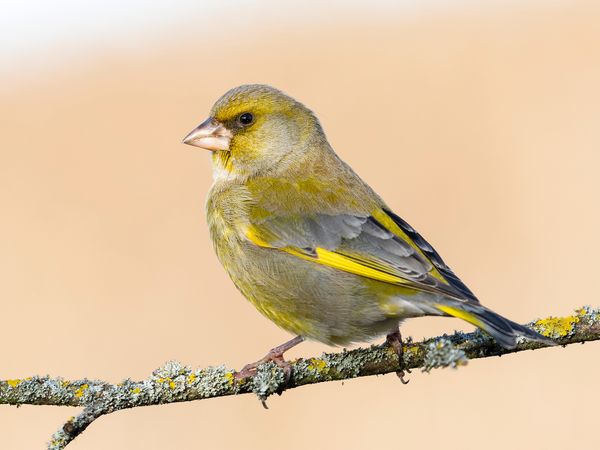
Greenfinch
Chloris chloris
A chunky, olive-green finch with flashes of bright yellow in its wings and tail. They have a heavy beak designed for cracking open tough seeds.
Sitting high in conifers or feeding at sunflower hearts.
+ 5 more species in the full digest
Garden & Feeder Tips
- Give all your feeders a thorough clean to prevent disease as bird activity increases.
- Switch to high-protein foods like mealworms and sunflower hearts for breeding condition.
- Leave a muddy patch in a quiet corner — thrushes and martins use mud for nest building.
How it works
Set your location
Tell us where you bird — your garden, local patch, or region. We use this to find the right species data.
Get your digest
Each month, we generate a personalised guide covering the birds in your area, seasonal changes, and practical tips.
Go birding
Head out with a clear idea of what to look and listen for. Tick off sightings as you go.
Free and Plus digests
Every registered user gets one free sample digest to try. Birdfact Plus members get a fresh digest every month, plus email delivery straight to their inbox.
See what's in your area this month
Set your location and get a personalised guide to the birds around you. Free to try, no credit card needed.