


Philippine Cockatoo
Red-vented Cockatoo, Kalangay · Cacatua haematuropygia
By the Birdfact teamChecked by Nathan Cope
On this page11 sections
How to recognise it
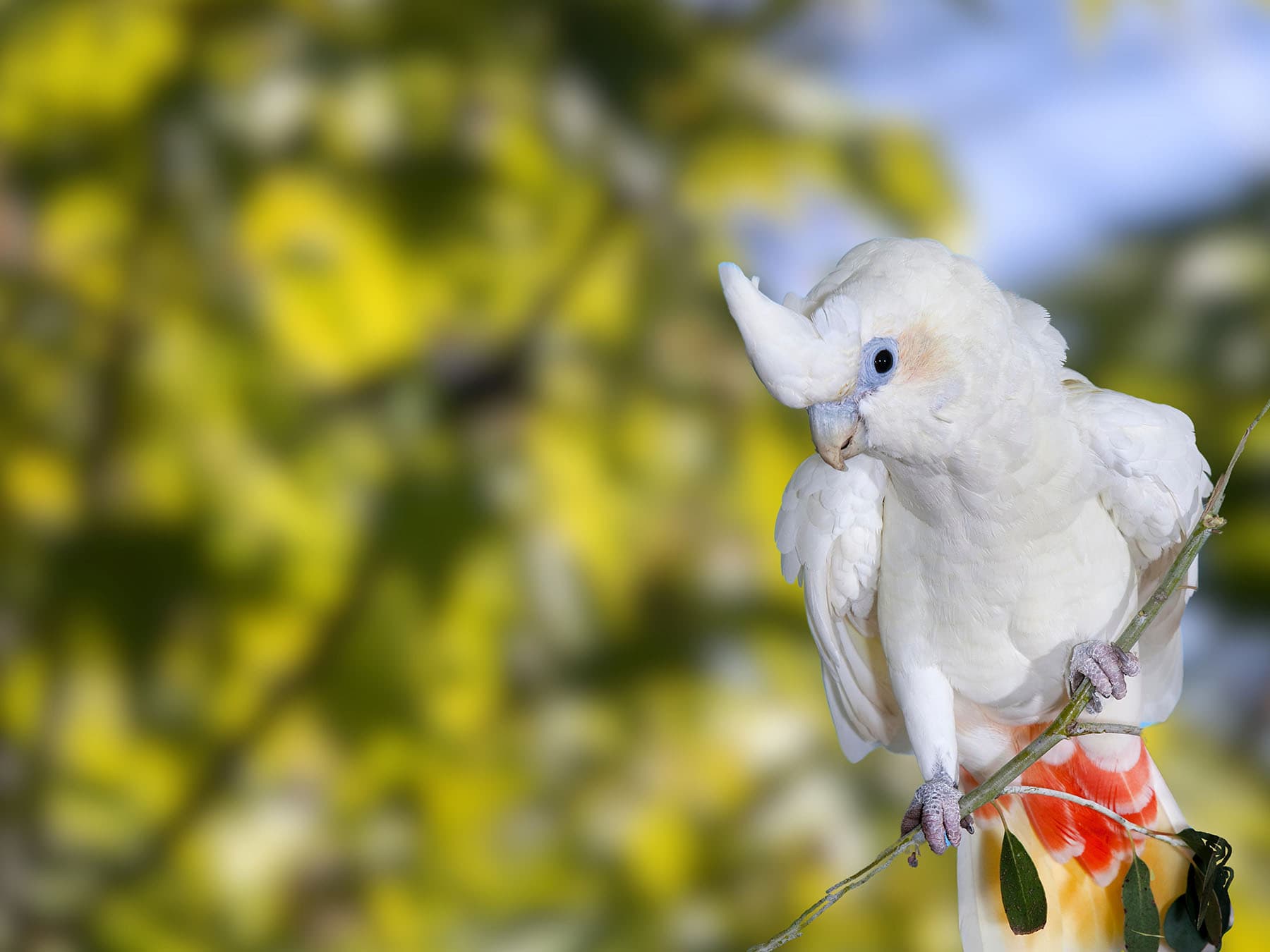
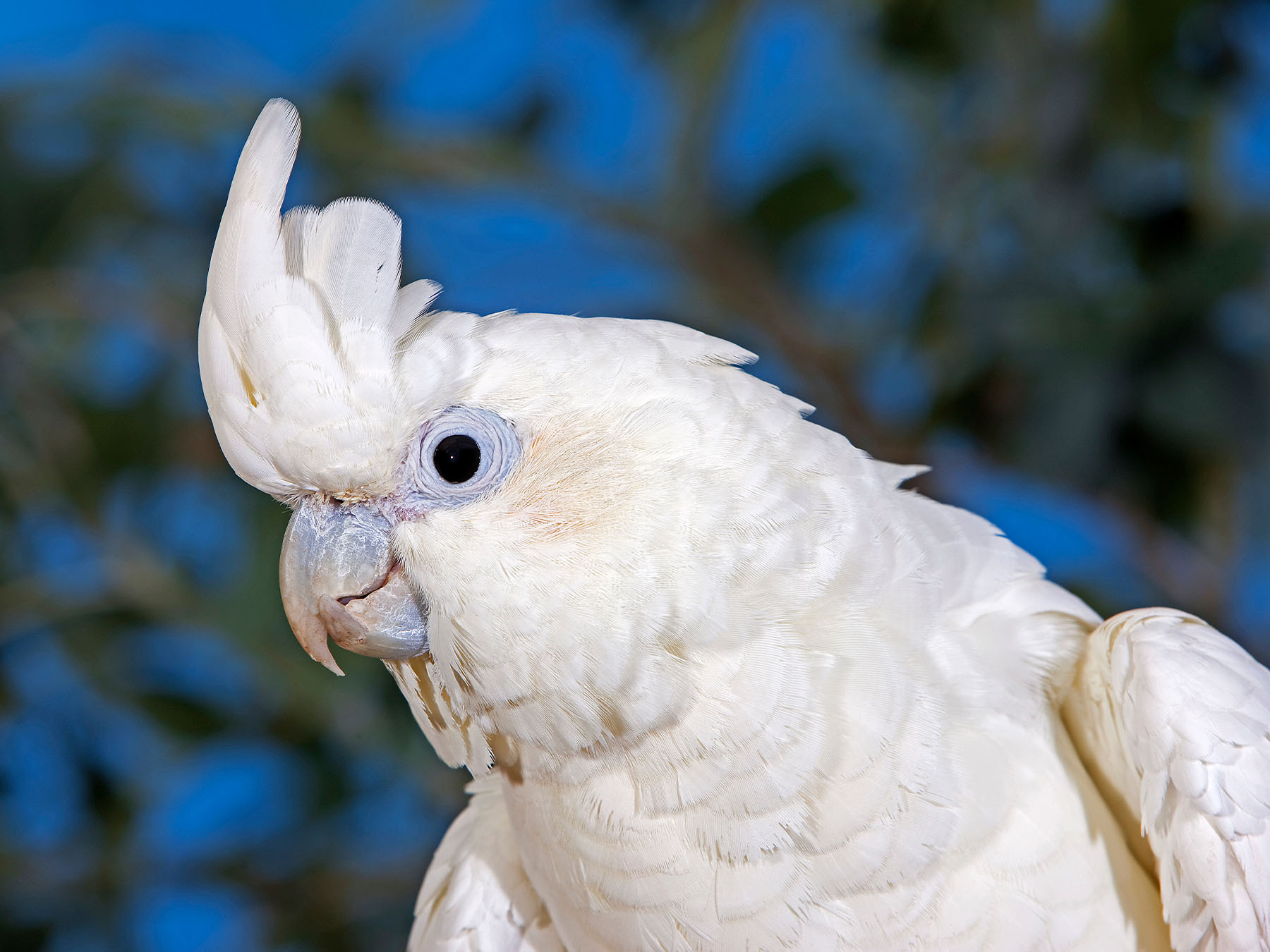
The Philippine Cockatoo is a striking medium-sized parrot with predominantly white plumage.
Its most distinctive feature is the bright red undertail coverts, contrasting sharply with its white body. The beak is grey and hooked, typical of parrots.
Both males and females share the same appearance, with no significant sexual dimorphism. Juveniles resemble adults but may have slightly paler red undertail coverts.
Its size
Adults- Length
- 30–33 cm
- Wingspan
- 50–60 cm
- Weight
- 275–350 g
Its song and calls
The Philippine Cockatoo has a range of vocalisations, including loud, harsh screeches and softer, more melodious notes. Their calls often sound like 'krreek-krreek' or 'ka-ka-ka'. In flight, they frequently emit short, sharp calls. During courtship, pairs engage in softer, more varied vocalisations.
When and where to see it
Tips for seeing it
- Look for white parrots with red undertail feathers in lowland forests and mangroves
- Listen for their distinctive loud, harsh calls, especially at dawn and dusk
- Observe fruiting or flowering trees where they often feed
- Be patient and quiet, as these birds can be shy due to hunting pressure
What it eats
Philippine Cockatoos are primarily herbivorous, feeding on a variety of seeds, nuts, fruits, and flowers. They have a particular fondness for the fruits of the mangrove palm and cultivated corn. Their strong beaks allow them to crack open hard nuts and seeds with ease.
Nesting and breeding
Breeding typically occurs between January and July. Philippine Cockatoos are monogamous and often mate for life. They nest in cavities of large trees, preferring those near water bodies.
Females usually lay 2-3 white eggs in a nest lined with wood chips. Both parents take turns incubating the eggs for about 28 days.
Chicks fledge after approximately 10-12 weeks but may remain dependent on their parents for several more months. The long period of parental care contributes to their low reproductive rate.
Behaviour
Philippine Cockatoos are highly social birds, often seen in pairs or small flocks. They are known for their agile flight, with rapid wing beats interspersed with glides.
These cockatoos are quite vocal, especially when in groups, and can be quite playful, often seen hanging upside down from branches.
Conservation
The Philippine Cockatoo is critically endangered due to habitat loss and illegal trapping for the pet trade.
Conservation efforts focus on habitat protection, community education, and captive breeding programs. The Katala Foundation leads significant work to protect this species in its native range.
More photos
2 photos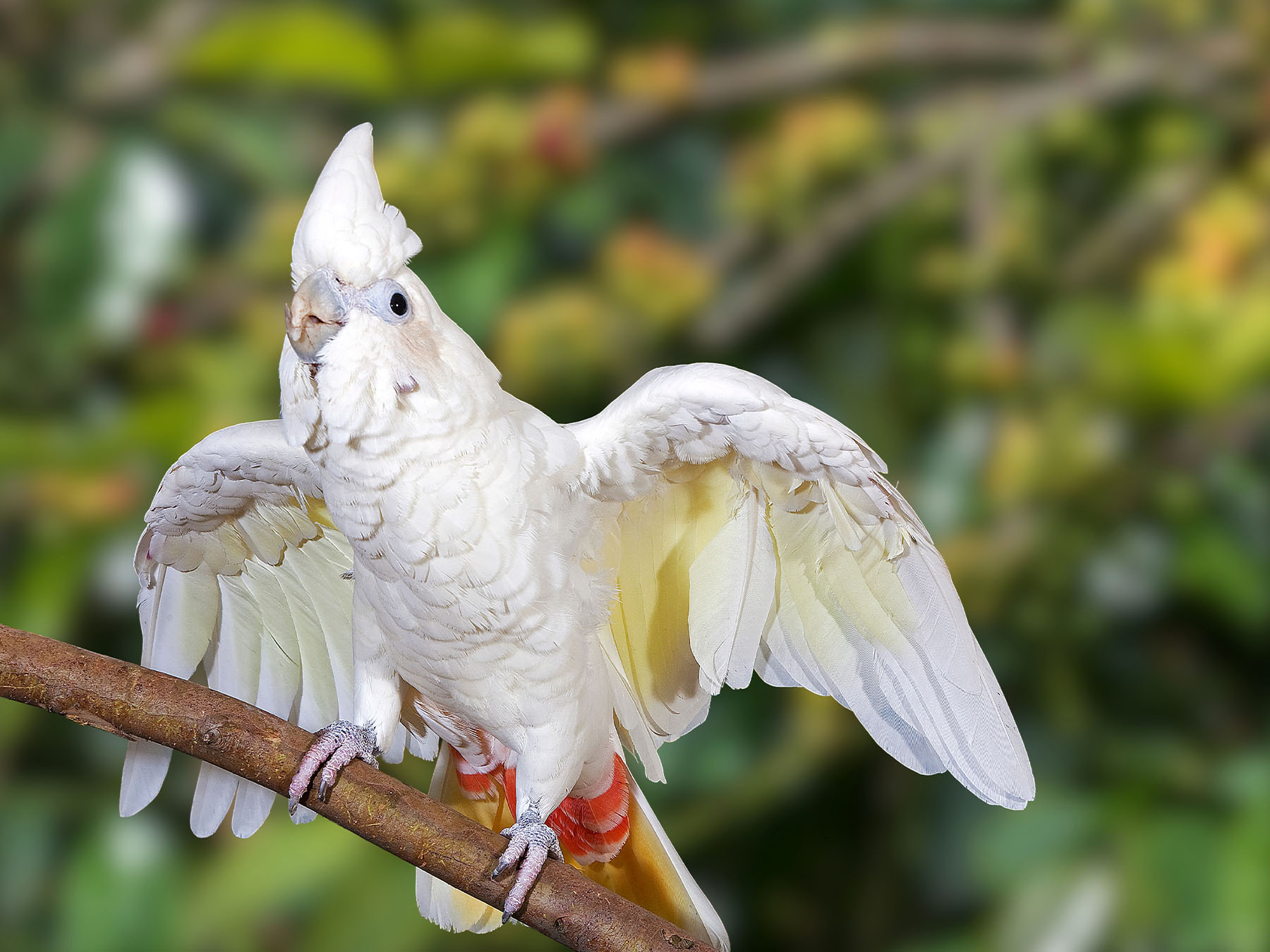
Quick facts
- Length
- 30–33 cm
- Wingspan
- 50–60 cm
- Weight
- 275–350 g
- Lifespan
- 17–20 years · oldest recorded 33 years
- Family
- Cockatoos
- Migration
- Resident
- Global status (IUCN)
- Critically Endangered
- World population
- 430 - 750 mature individuals
- Population trend
- Population has decreased significantly due to habitat loss and capture for pet trade
- Also called
- Red-vented Cockatoo, Kalangay
- Scientific name
- Cacatua haematuropygia
Sources
4- 1BirdLife International. 2017. Cacatua haematuropygia. The IUCN Red List of Threatened Species 2017: e.T22684795A117578604. Source (opens in a new tab)
- 2P. Widmann in litt. (2013)
- 3P. Widmann in litt. (2016)
- 4Young et al., Survival on the ark: life history trends in captive parrots (2012)

Checked by
Nathan Cope, founder and editor
Nathan founded Birdfact and leads its writers and contributors in the UK, the US and Canada. He has watched and studied birds for more than ten years, and checks every article and species guide before it’s published.