


Japanese Wagtail
Motacilla grandis
By the Birdfact teamChecked by Nathan Cope
On this page11 sections
How to recognise it
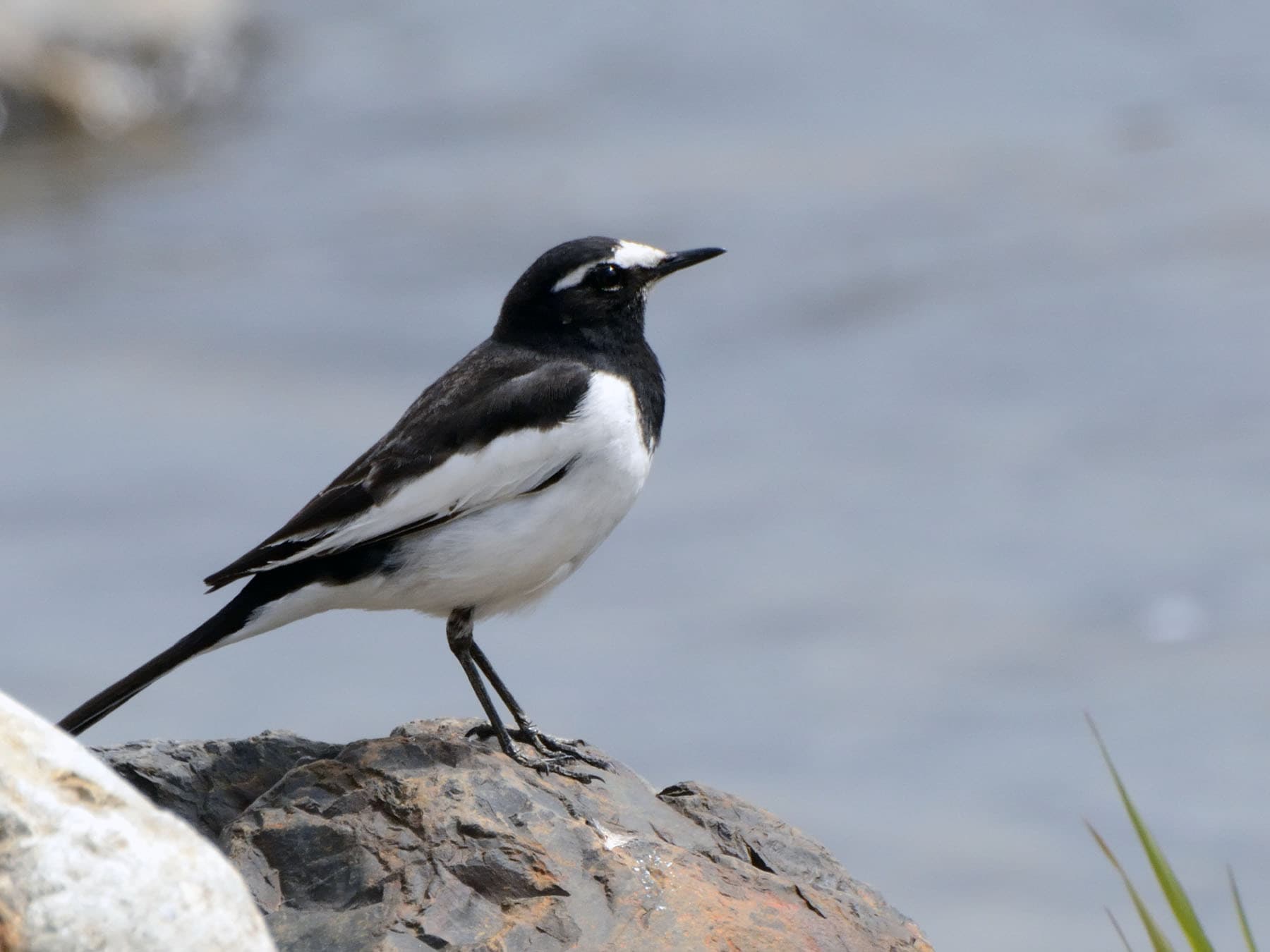
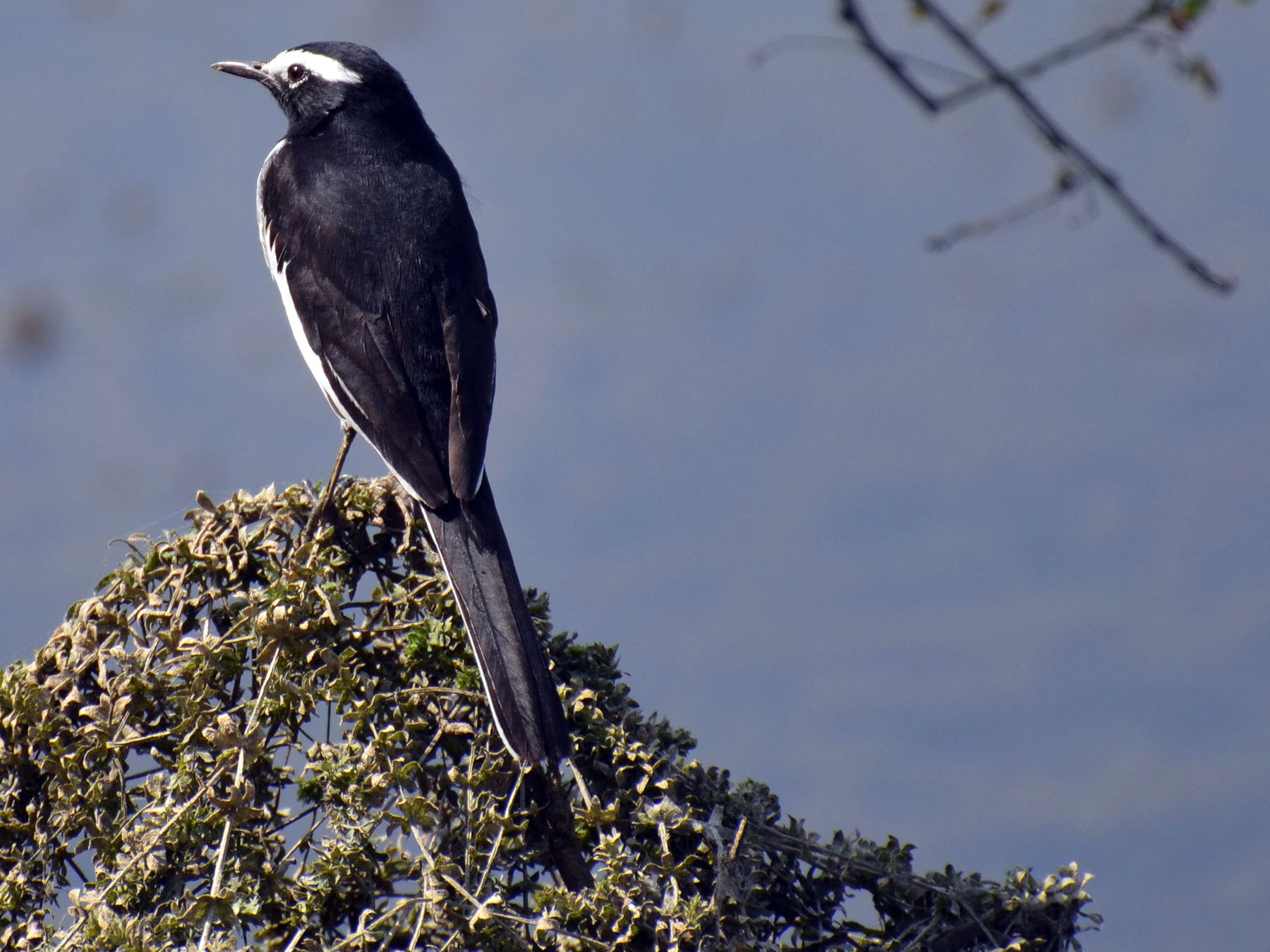
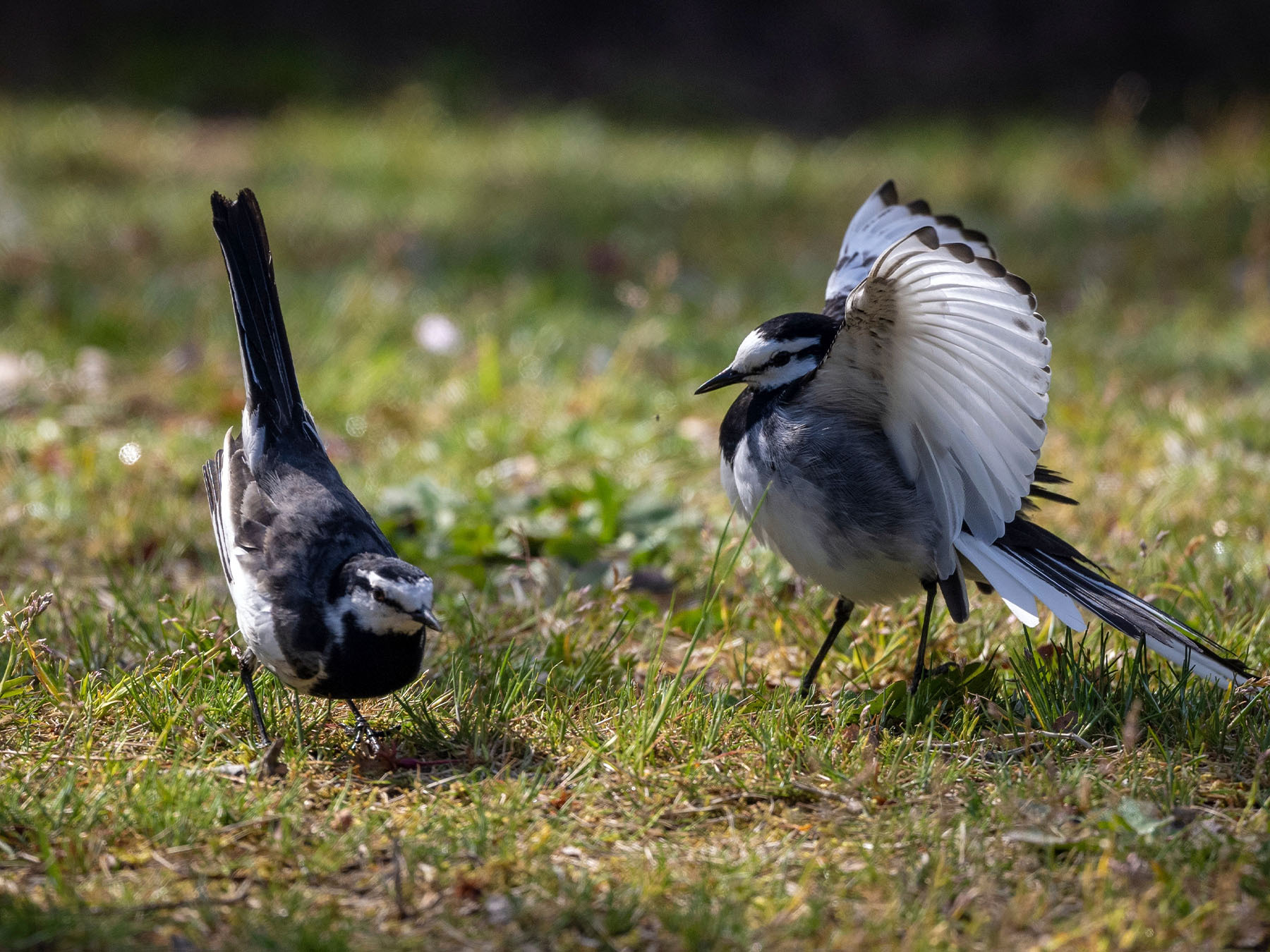
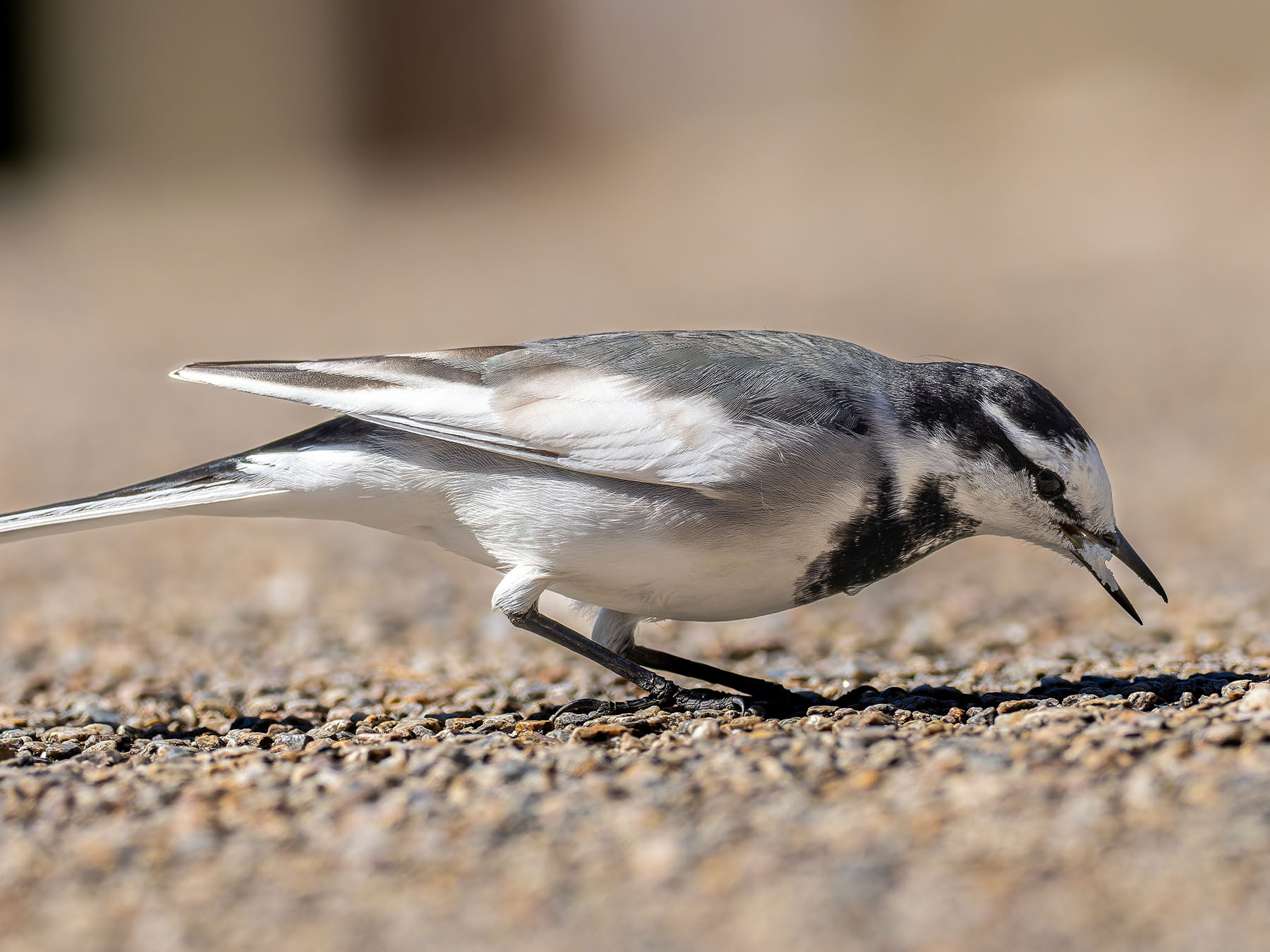
The Japanese Wagtail is a striking bird with distinctive black and white plumage. Males have a black head with white markings on the forehead and above the eyes, plus a thin white crescent below the eye. The back, throat, and upper breast are black, contrasting with white underparts. The wings show prominent white patches, especially visible in flight.
Females have a more greyish-black upper plumage. Juvenile birds are generally duller, with grey-brown heads and less distinct markings.
Its size
Adults- Length
- 20–23 cm
- Wingspan
- 28–30 cm
- Weight
- 25–32 g
Its song and calls
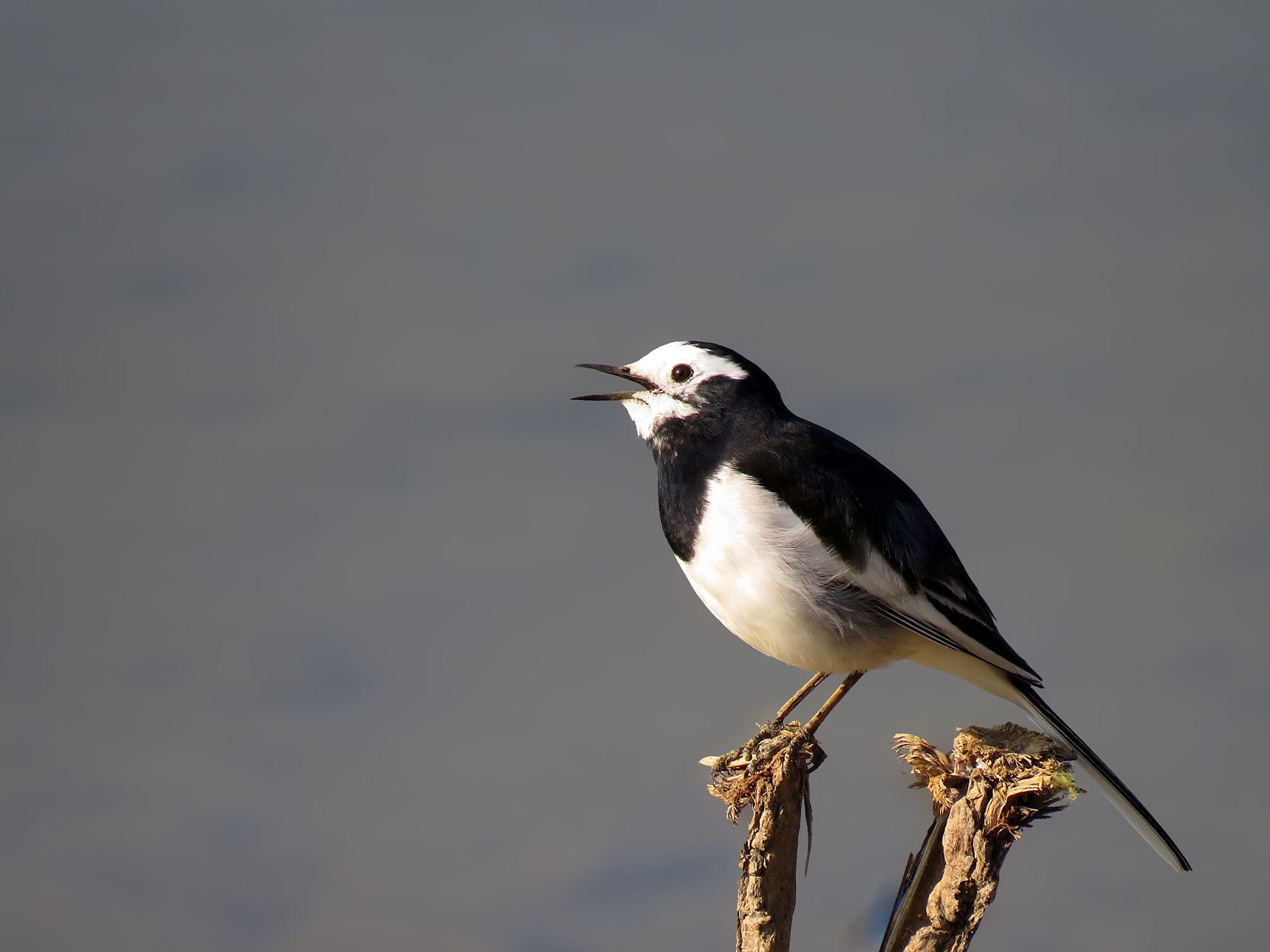
The Japanese Wagtail has a distinctive call, often described as a sharp, metallic 'chi-chi-chi' or 'zit-zit-zit'. Their song is a series of warbling notes interspersed with these sharp calls.
During the breeding season, males sing more frequently, often from prominent perches, to defend their territory and attract mates.
When and where to see it
The Japanese Wagtail is not recorded regularly in the UK, Ireland, the United States or Canada.
Worldwide: recorded regularly in 2 countries
Countries where it was recorded in at least 3 of the 6 years 2019–2024. Linked countries have their own bird list.
Asia (2)
- Japan
- South Korea
Data: EOD – eBird Observation Dataset (Cornell Lab of Ornithology), accessed via GBIF.org, CC BY 4.0. Records from 2019–2024, aggregated and filtered by Birdfact. How these lists are made
Tips for seeing it
- Look for Japanese Wagtails near streams, rivers, and in urban parks with water features.
- Listen for their distinctive 'chi-chi-chi' call, which can help locate them.
- Observe their characteristic tail-wagging behaviour, which is almost constant when perched.
- Watch for their bold black and white plumage, which stands out against most backgrounds.
What it eats
Japanese Wagtails primarily feed on insects and other small invertebrates. They forage on the ground, along water edges, and sometimes in shallow water. Their diet includes flies, beetles, spiders, and aquatic insects.
They are also known to catch flying insects in mid-air with quick, agile movements.
Nesting and breeding
Japanese Wagtails typically breed from April to July. They form monogamous pairs and often return to the same nesting sites year after year. Males perform elaborate courtship displays, including aerial chases and wing-fluttering.
Nests are built in crevices or holes near water, often on bridges, buildings, or rocky outcrops. The nest is a cup-shaped structure made of grass, moss, and leaves, lined with softer materials. Females lay 4-6 eggs, which are white with brown speckles.
Both parents incubate the eggs for about 12-14 days. After hatching, the chicks are fed by both parents and fledge after approximately two weeks. The pair may raise two broods in a season if conditions are favourable.
Behaviour
Japanese Wagtails are known for their constant tail-wagging behaviour, which gives them their common name. They are often seen foraging on the ground, running quickly and stopping abruptly to catch insects.
These birds are generally solitary or found in pairs but may form small flocks outside the breeding season.
Conservation
The Japanese Wagtail is currently listed as Least Concern by the IUCN. Its population is stable, and it has adapted well to urban environments. However, like many birds, it faces threats from habitat loss and pollution, particularly in wetland areas.
Conservation efforts focus on maintaining clean water sources and preserving riparian habitats.
More photos
5 photos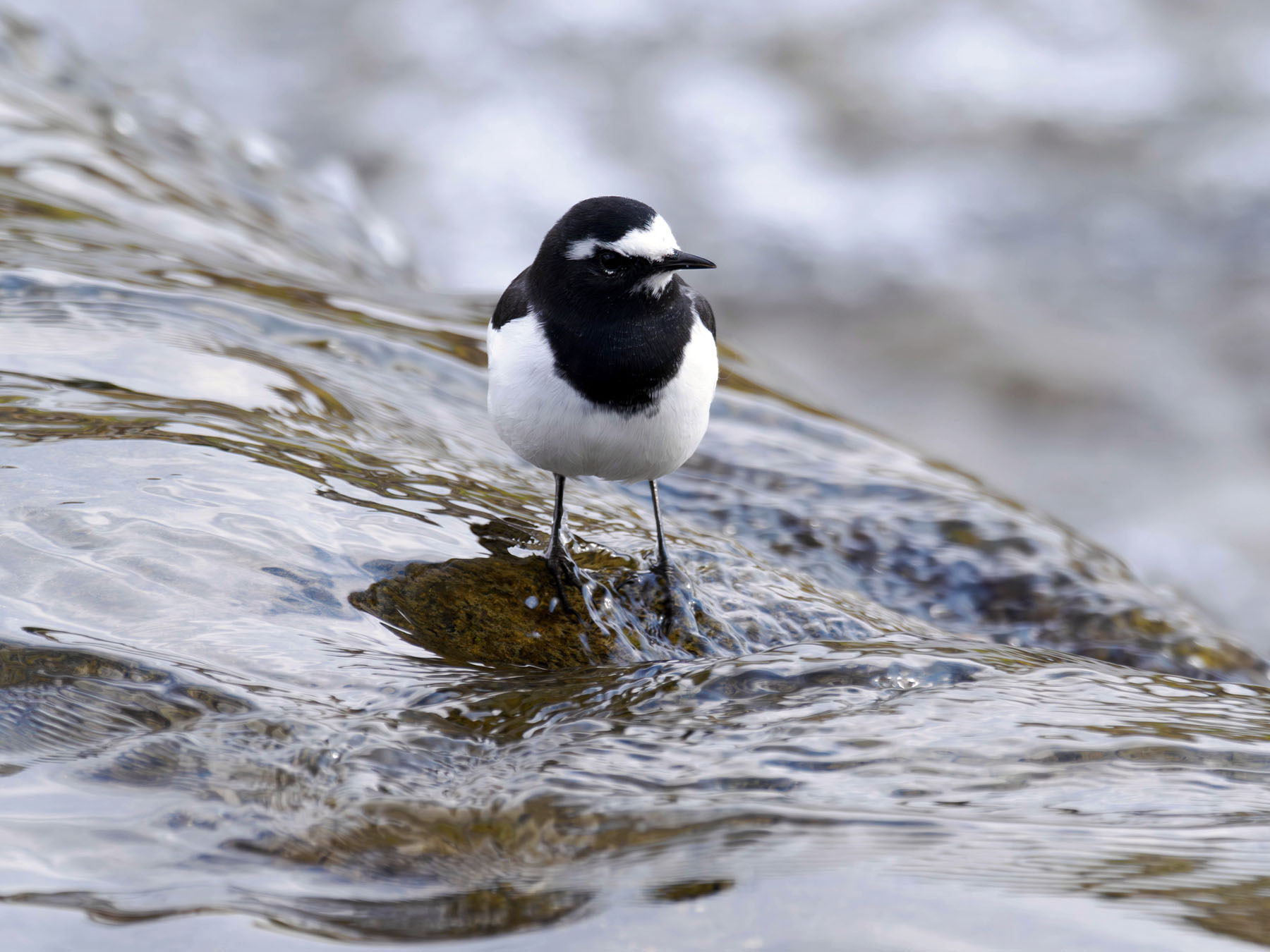
Quick facts
- Length
- 20–23 cm
- Wingspan
- 28–30 cm
- Weight
- 25–32 g
- Lifespan
- 5–8 years
- Family
- Wagtails & Pipits
- Migration
- Partial migrant
- Global status (IUCN)
- Least Concern
- World population
- Not quantified
- Population trend
- Stable
- Scientific name
- Motacilla grandis
Sources
3- 1BirdLife International. 2018. Motacilla grandis. The IUCN Red List of Threatened Species 2018: e.T22718360A132117451. Source (opens in a new tab)
- 2BirdLife International. 2018. Motacilla grandis. The IUCN Red List of Threatened Species 2018: e.T22718360A132117451. Source (opens in a new tab)
- 3Lifespan estimate based on similar Wagtails

Checked by
Nathan Cope, founder and editor
Nathan founded Birdfact and leads its writers and contributors in the UK, the US and Canada. He has watched and studied birds for more than ten years, and checks every article and species guide before it’s published.