


Frilled Coquette
Magnificent Coquette · Lophornis magnificus
By the Birdfact teamChecked by Nathan Cope
On this page11 sections
How to recognise it
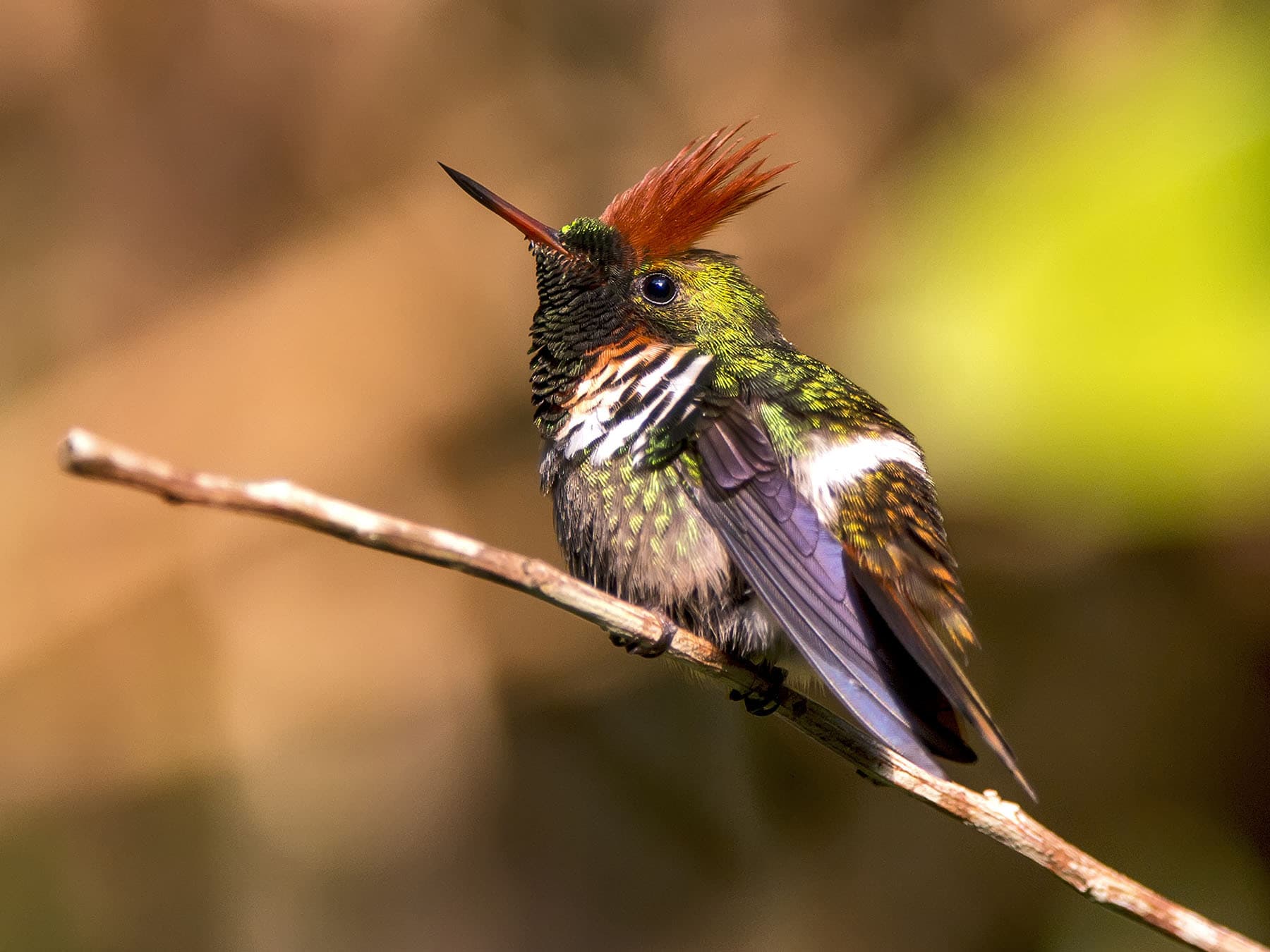
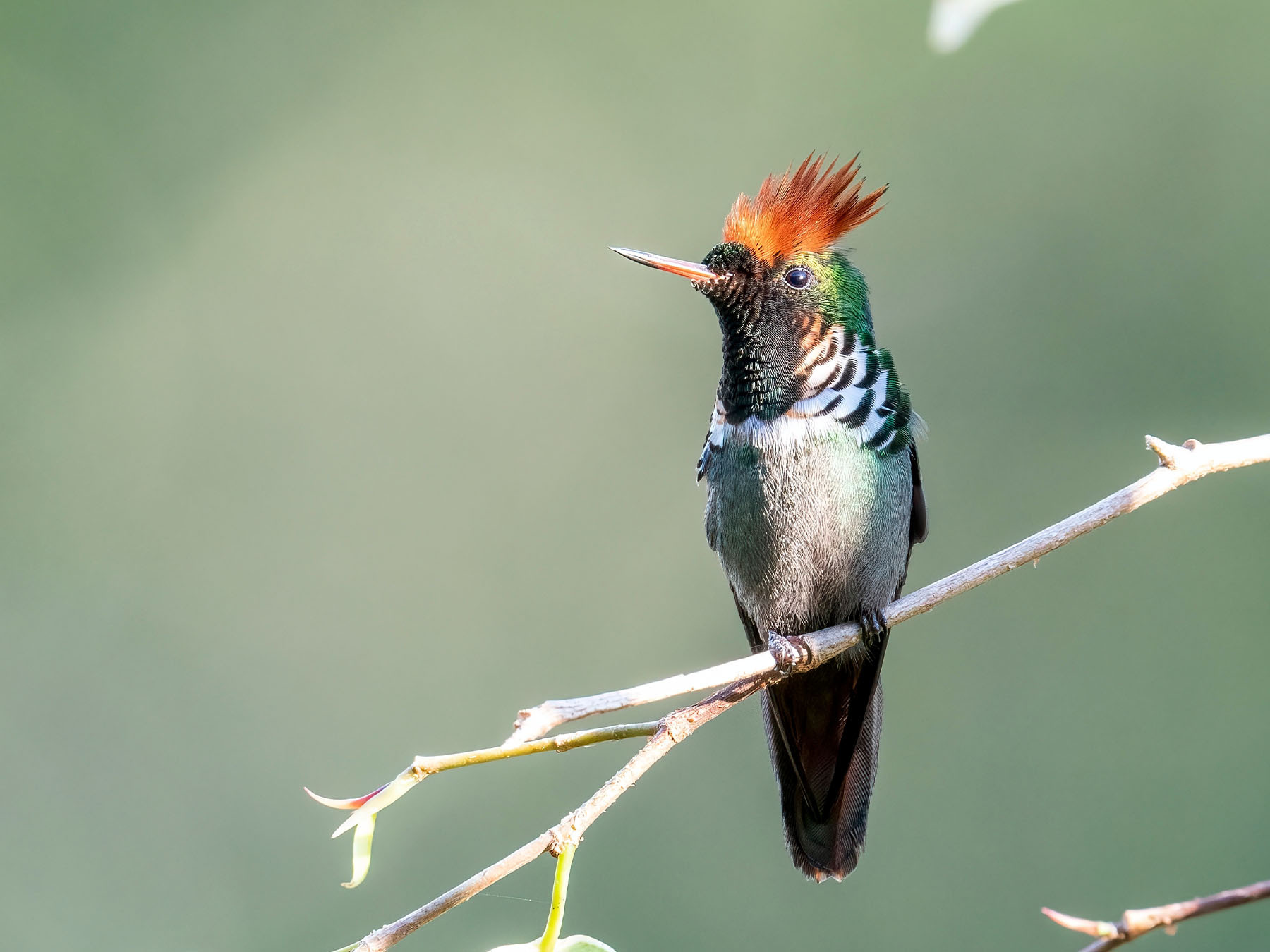
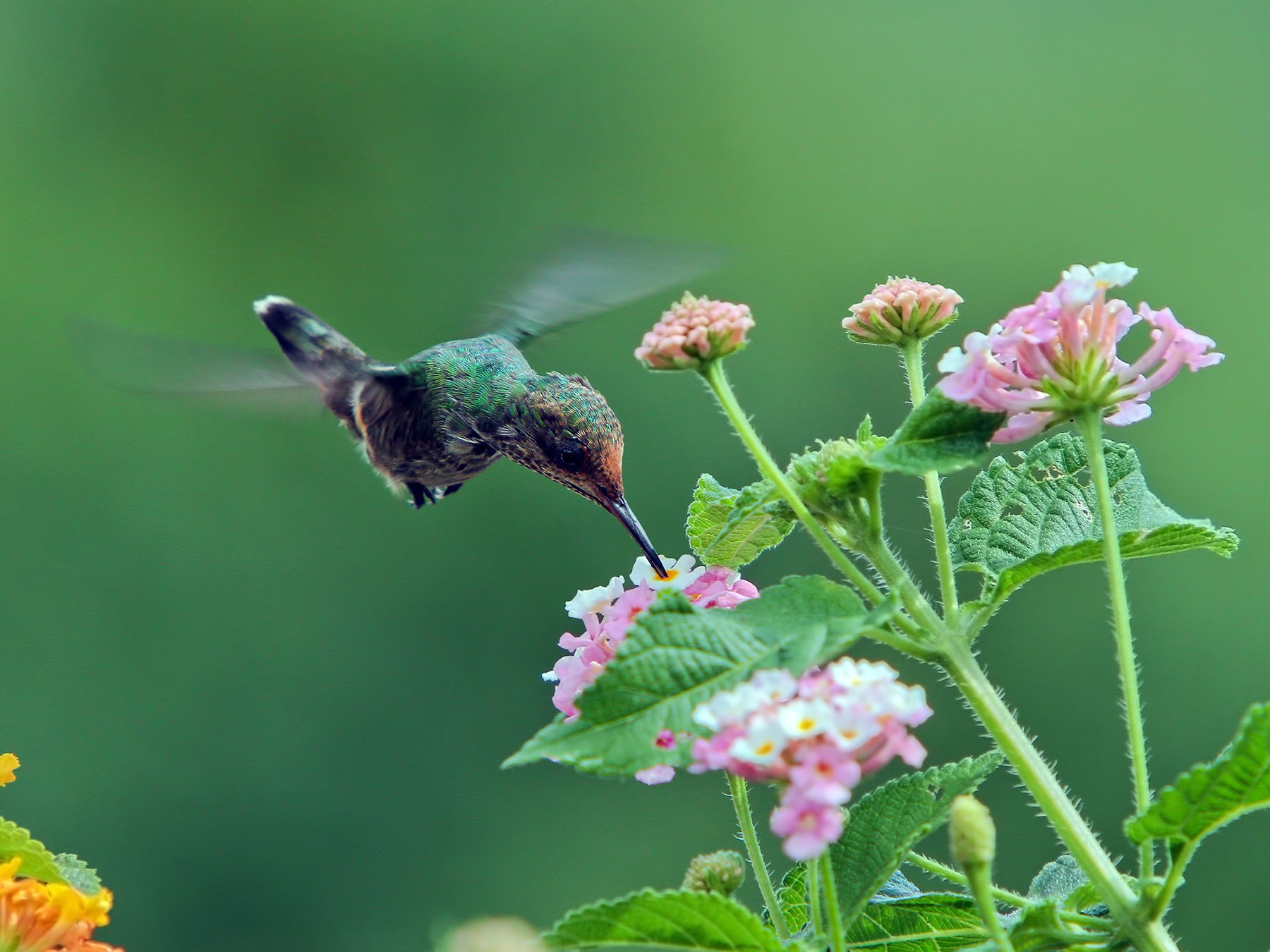
The Frilled Coquette is a tiny hummingbird with striking features. Males display a brilliant green body, white rump, and a distinctive crest of reddish-brown feathers. Their throat is adorned with fan-shaped white feathers edged with metallic green, with reddish-brown bases.
Females are less ornate, lacking the crest and elaborate throat feathers. They have a green back, pale underparts, and a tail that's dark bronze with reddish-brown tips. Both sexes have a short, straight bill that's red with a black tip.
Its size
Adults- Length
- 7.1–7.7 cm
- Wingspan
- 8–10 cm
- Weight
- 2.3–2.8 g
Its song and calls
Frilled Coquettes are generally quiet, but they produce a series of high-pitched, metallic 'tsip' or 'tik' sounds.
During territorial disputes or courtship, males may emit a rapid series of these calls, creating a buzzing effect. Their wingbeats also produce a distinctive humming sound, typical of hummingbirds.
When and where to see it
The Frilled Coquette is not recorded regularly in the UK, Ireland, the United States or Canada.
Worldwide: recorded regularly in 1 country
Countries where it was recorded in at least 3 of the 6 years 2019–2024. Linked countries have their own bird list.
South America (1)
Data: EOD – eBird Observation Dataset (Cornell Lab of Ornithology), accessed via GBIF.org, CC BY 4.0. Records from 2019–2024, aggregated and filtered by Birdfact. How these lists are made
Tips for seeing it
- Look for them near flowering plants in forest edges and clearings
- Listen for their high-pitched, metallic 'tsip' calls
- Observe their distinctive hovering behaviour, often at unusual angles
- Watch for the male's elaborate courtship displays during breeding season
What it eats
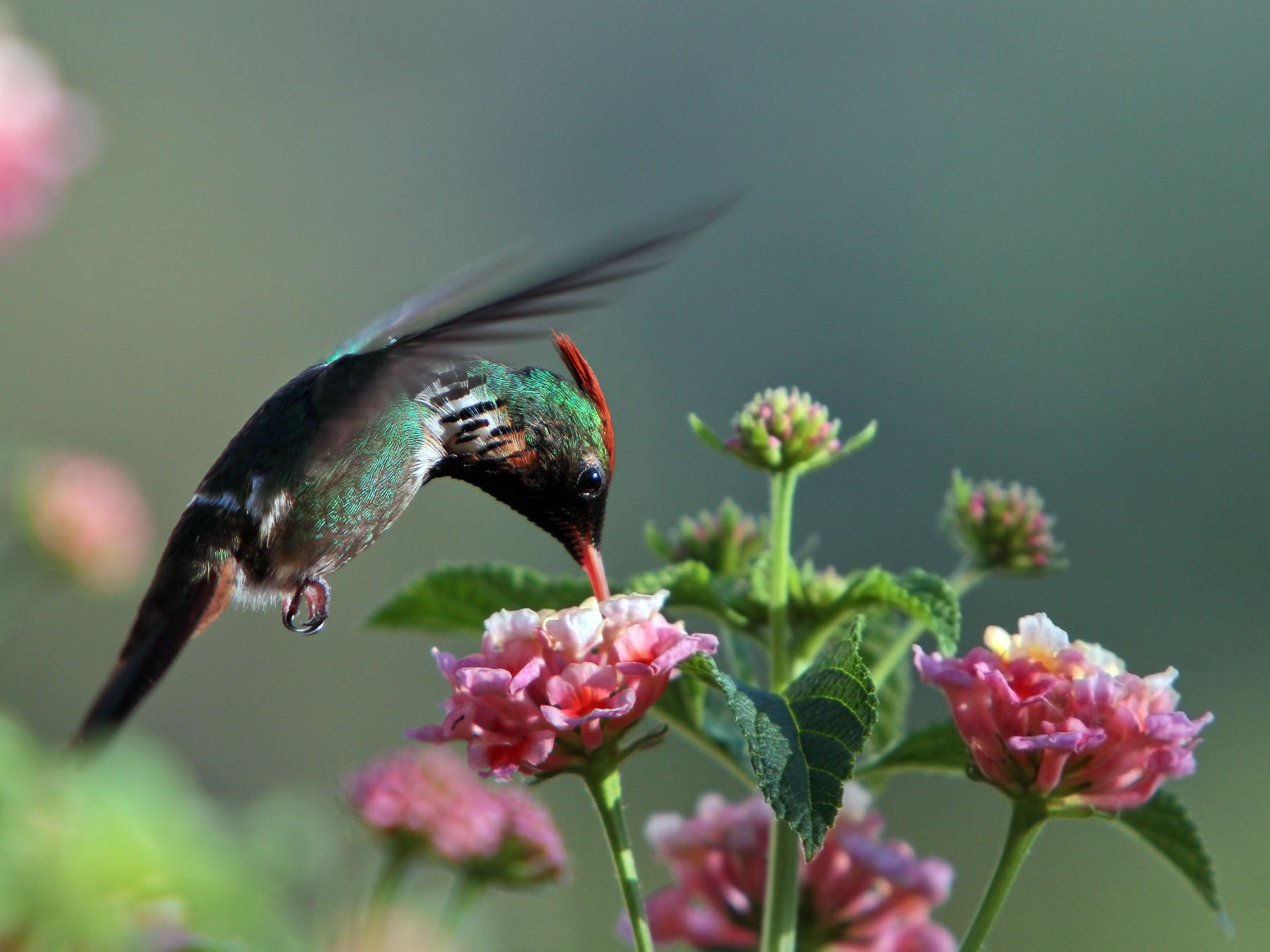
Frilled Coquettes primarily feed on nectar from a variety of flowering plants, showing a preference for tubular flowers.
They supplement their diet with small insects and spiders, which they catch in mid-air or glean from leaves, providing essential protein for their high-energy lifestyle.
Nesting and breeding
Breeding occurs primarily during the rainy season, typically from November to March. Males establish territories and perform elaborate aerial displays to attract females but do not participate in nesting or chick-rearing.
Females construct tiny cup-shaped nests using plant fibres and spider silk, often decorated with lichen on the exterior. The nests are usually placed on thin horizontal branches, well-concealed by foliage.
A clutch typically consists of two white eggs, which the female incubates for about 14-16 days. The chicks fledge after approximately 20-22 days but may continue to receive care from the mother for a short period after leaving the nest.
Behaviour
Frilled Coquettes are solitary and highly territorial, fiercely defending their feeding areas from other hummingbirds. They hover with remarkable precision while feeding, often hanging upside down to reach nectar in tubular flowers.
During courtship, males perform elaborate aerial displays, showcasing their crest and throat feathers.
Conservation
While currently listed as Least Concern, the Frilled Coquette faces threats from habitat loss due to deforestation in its range.
Conservation efforts focus on protecting remaining forest habitats and promoting sustainable land use practices in areas where these hummingbirds occur.
More photos
4 photos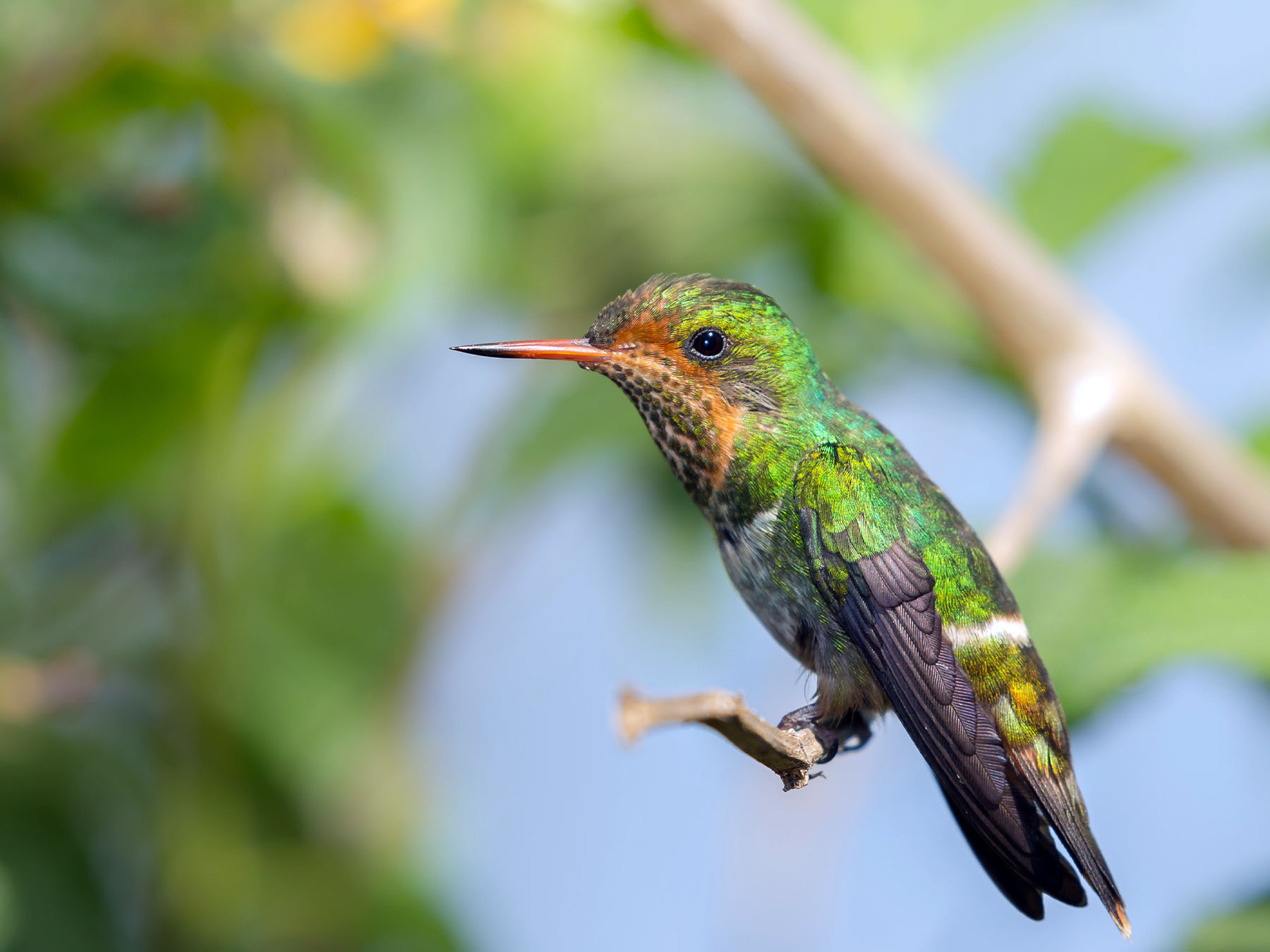
Quick facts
- Length
- 7.1–7.7 cm
- Wingspan
- 8–10 cm
- Weight
- 2.3–2.8 g
- Lifespan
- 3–5 years
- Family
- Hummingbirds
- Migration
- Resident
- Global status (IUCN)
- Least Concern
- World population
- Not quantified, but this species is described as 'uncommon'
- Population trend
- Decreasing
- Also called
- Magnificent Coquette
- Scientific name
- Lophornis magnificus
Sources
3- 1BirdLife International. 2024. Lophornis magnificus. The IUCN Red List of Threatened Species 2024: e.T22687190A263986366. Source (opens in a new tab)
- 2BirdLife International. 2024. Lophornis magnificus. The IUCN Red List of Threatened Species 2024: e.T22687190A263986366. Source (opens in a new tab)
- 3Stotz et al. (1996)

Checked by
Nathan Cope, founder and editor
Nathan founded Birdfact and leads its writers and contributors in the UK, the US and Canada. He has watched and studied birds for more than ten years, and checks every article and species guide before it’s published.