


Dodo
Dronte de Maurice · Raphus cucullatus
By the Birdfact teamChecked by Nathan Cope
On this page12 sections
How to recognise it
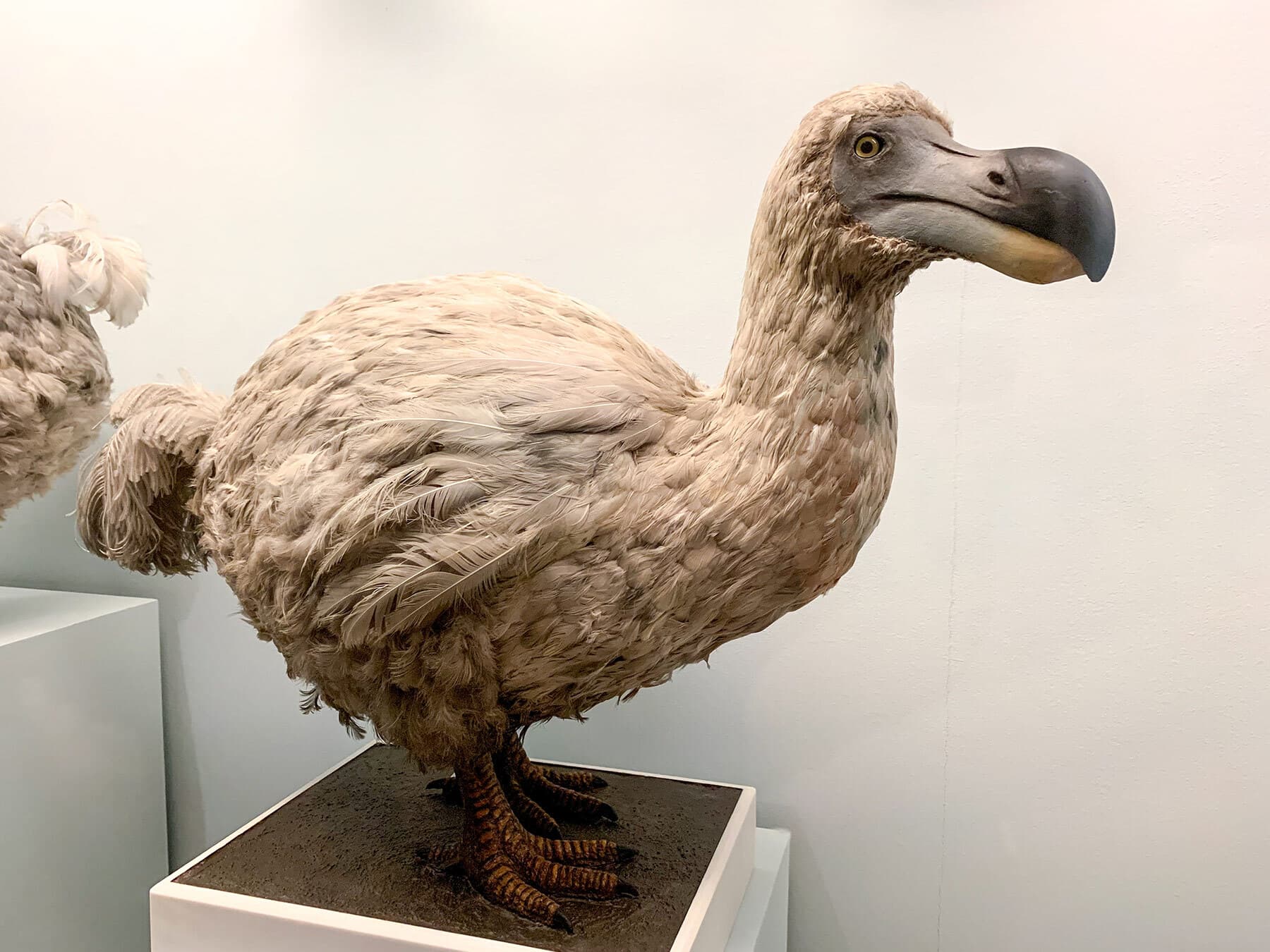
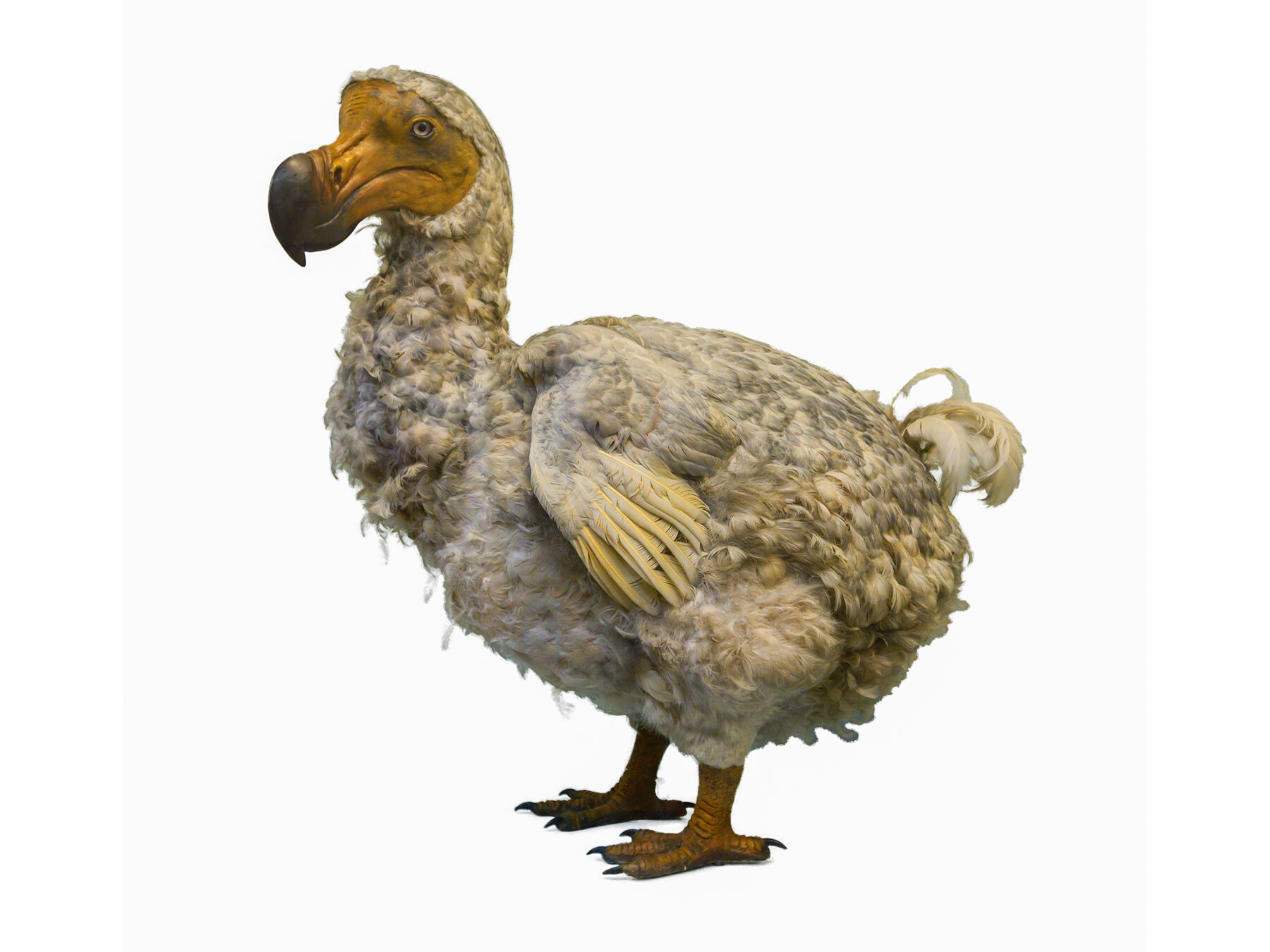
The Dodo was a large, flightless bird with grey plumage, a distinctive 23 cm hooked beak, and small wings. It stood about 1 meter tall and had a characteristic rounded body shape.
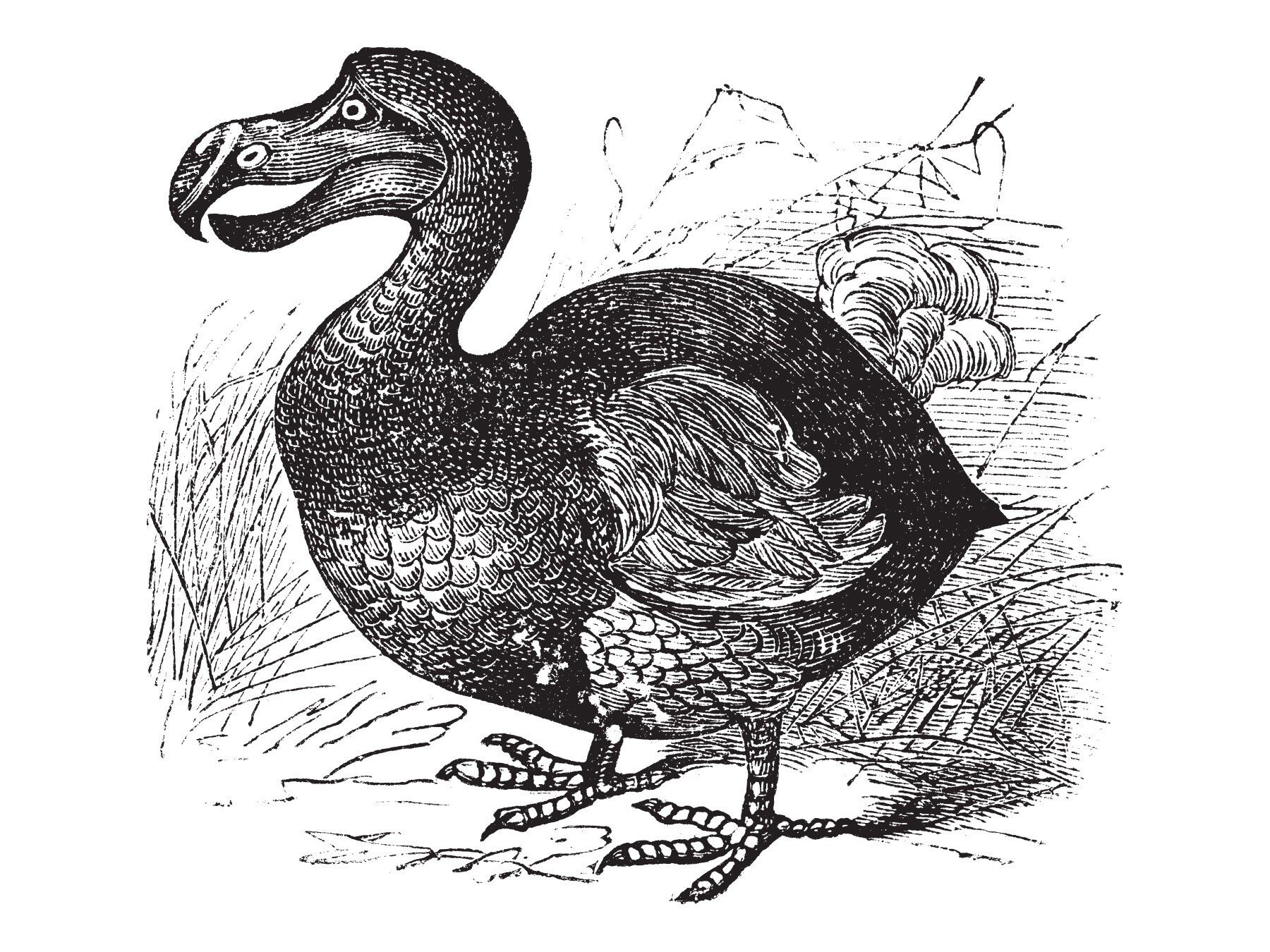
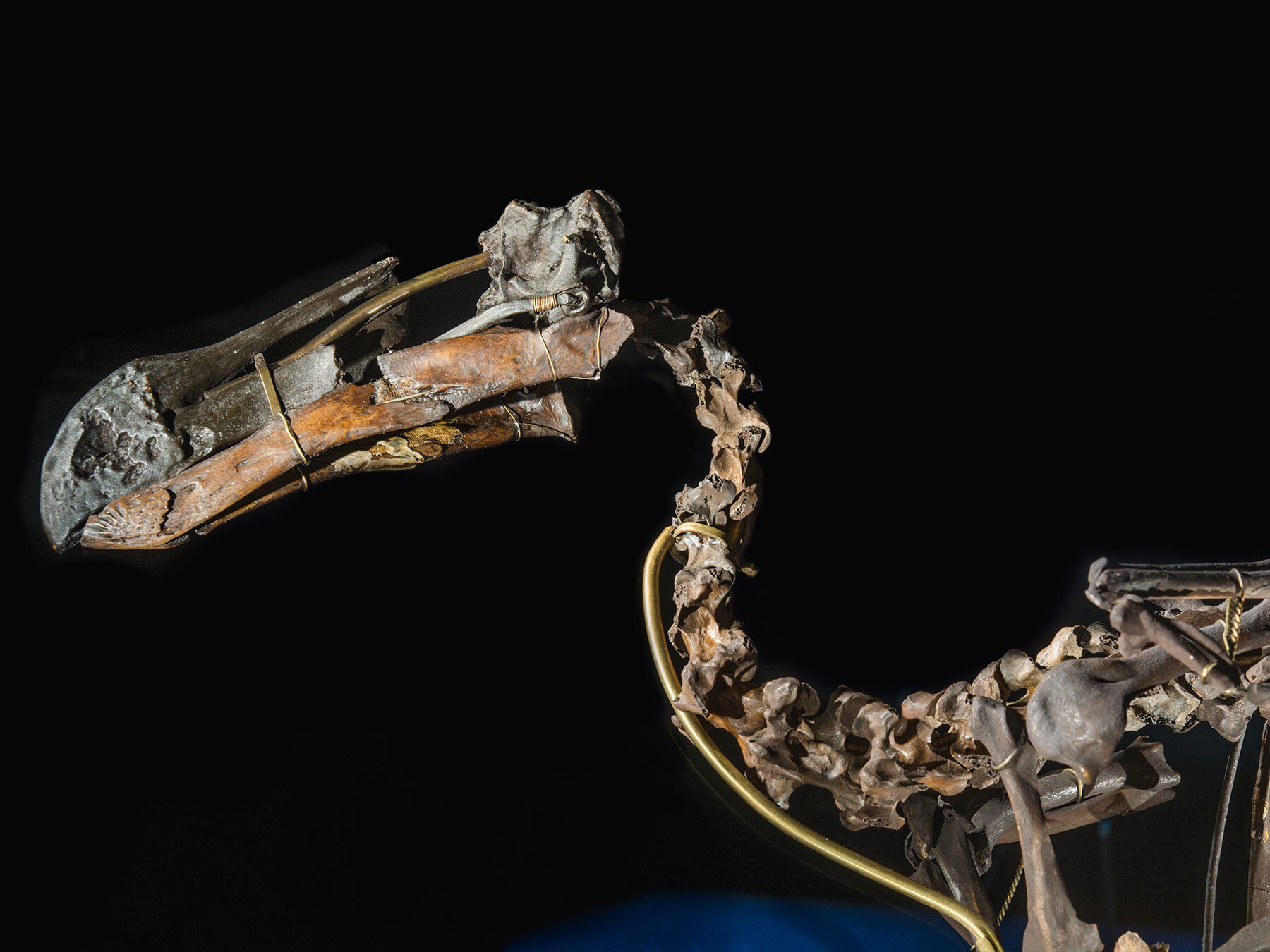
Modern skeletal analysis suggests Dodos were actually more streamlined than traditionally depicted in historical illustrations, challenging the common perception of them as overweight, awkward birds.
Both males and females looked similar, with no significant sexual dimorphism. Adults displayed grey feathers, varying from darker to lighter shades during their annual moult. They had yellow, scaly legs with sharp talons on their three-toed feet. Juveniles likely resembled adults but with duller plumage.
Its size
Adults- Length
- 81–97 cm
- Wingspan
- 56–66 cm
- Weight
- 13000–23000 g
Its song and calls
Historical accounts suggest the Dodo had a loud, hoarse call. Some reports describe it as a warbling sound, while others mention a trumpet-like noise.
The exact nature of their vocalisations remains uncertain due to the lack of firsthand observations.
When and where to see it
Tips for seeing it
- The Dodo is extinct, so it cannot be observed in the wild.
- Visit natural history museums to see Dodo skeletons or reconstructions.
- Study historical accounts and illustrations to learn about the Dodo's appearance.
- Explore Mauritius to understand the Dodo's former habitat.
What it eats
Dodos were likely omnivorous, feeding on fruits, seeds, nuts, and possibly small invertebrates. They may have used their large, hooked beaks to crack open hard fruits and seeds found on the forest floor of their native Mauritius.
Nesting and breeding
Historical accounts, particularly those of French explorer François Cauche, provide our only glimpses into Dodo breeding behaviour. Females laid a single white egg "the size of a halfpenny roll," comparable to that of a modern white pelican. This single-egg strategy evolved in response to their historically safe island environment.
Nests were simple structures - shallow scrapes on the ground surrounded by grass - reflecting their lack of natural predators. This nesting behaviour, perfectly adapted to their predator-free environment, left them extremely vulnerable to introduced species.
While exact incubation periods remain unknown, researchers believe their breeding patterns may have been similar to their closest living relative, the Nicobar pigeon. The limited egg production and ground nesting likely accelerated their extinction once predators arrived.
Behaviour
Dodos were primarily terrestrial, walking with a waddling gait due to their stocky build. They were likely social birds, living in small groups.
Their behaviour was described as fearless towards humans, which unfortunately contributed to their rapid extinction.
Conservation
The Dodo became extinct in the late 17th century, primarily due to human activities such as hunting and the introduction of invasive species. However, it remains a powerful symbol of conservation efforts and the importance of protecting vulnerable species.
Extinction Timeline
The Dodo's path to extinction was remarkably swift. Dutch sailors first encountered these unique birds in 1598, describing them as abundant and fearless. By 1662, the last verified sighting was recorded by Dutch sailor Volkert Evertsz on Amber Island, though unverified reports continued until 1688. The species was extinct before 1700 - less than a century after European discovery.
This rapid decline stands as one of history's most striking examples of human-induced extinction, transforming the Dodo into a powerful symbol for conservation. The phrase "dead as a dodo" emerged from this event, serving as a stark reminder of extinction's permanence.
More photos
4 photos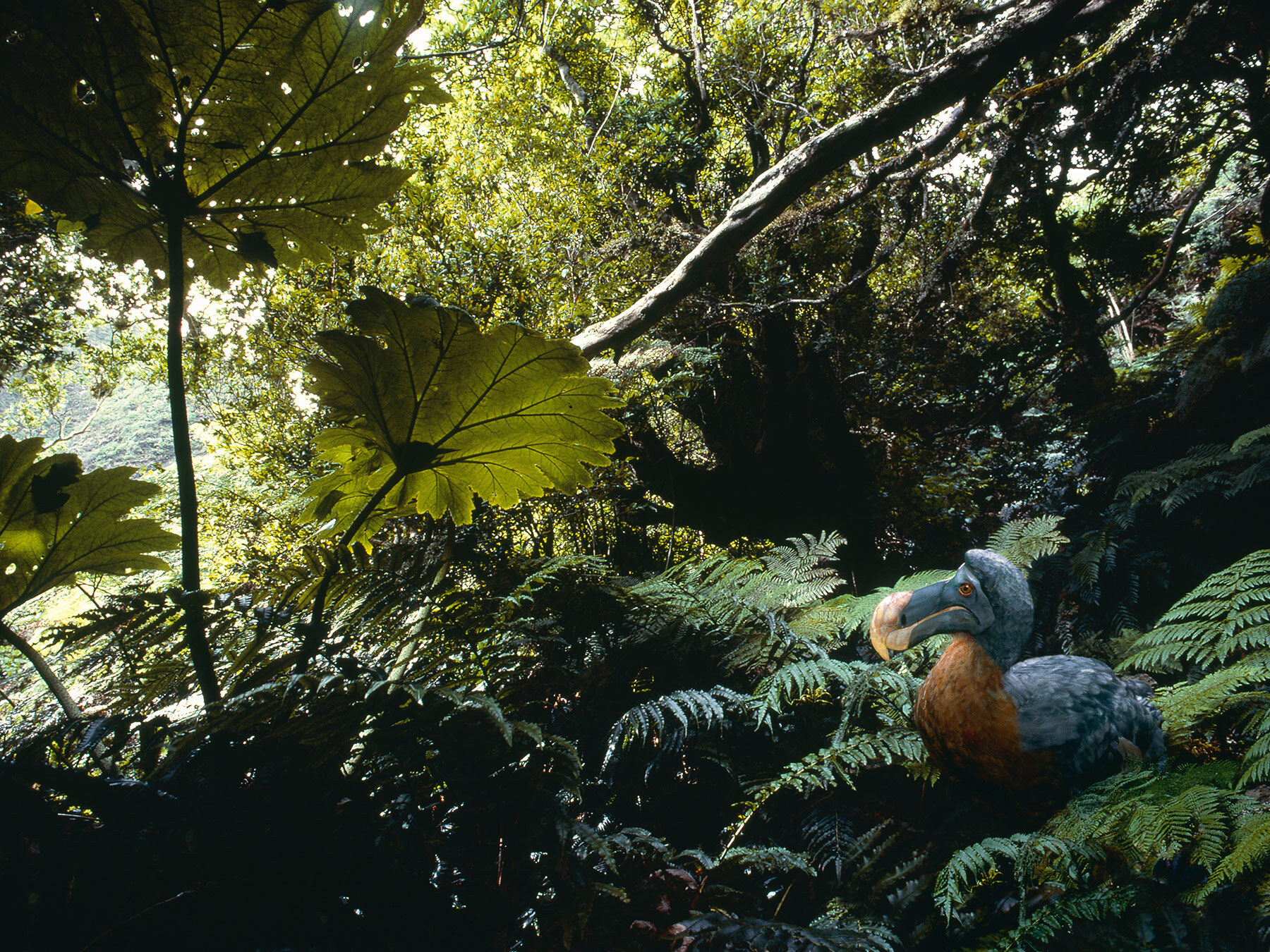
Dodo guides
1 guidesQuick facts
- Length
- 81–97 cm
- Wingspan
- 56–66 cm
- Weight
- 13000–23000 g
- Lifespan
- 10–30 years
- Family
- Pigeons & Doves
- Migration
- Non-migratory
- Global status (IUCN)
- Extinct
- World population
- 0 (Extinct)
- Population trend
- Extinct
- Also called
- Dronte de Maurice
- Scientific name
- Raphus cucullatus
Sources
1- 1BirdLife International. 2024. Raphus cucullatus. The IUCN Red List of Threatened Species 2024: e.T22690059A261916273. Source (opens in a new tab)

Checked by
Nathan Cope, founder and editor
Nathan founded Birdfact and leads its writers and contributors in the UK, the US and Canada. He has watched and studied birds for more than ten years, and checks every article and species guide before it’s published.