From the Journal
How Do Birds Find Feeders? The Surprising Science Behind Backyard Discoveries
Birds have remarkable ways of finding feeders that combine keen senses with social learning and memory.
That first chickadee discovering your brand-new feeder isn't just random luck—it's the result of specialized adaptations and behavior patterns that have evolved over millions of years.
Eyesight: Their Primary Tool
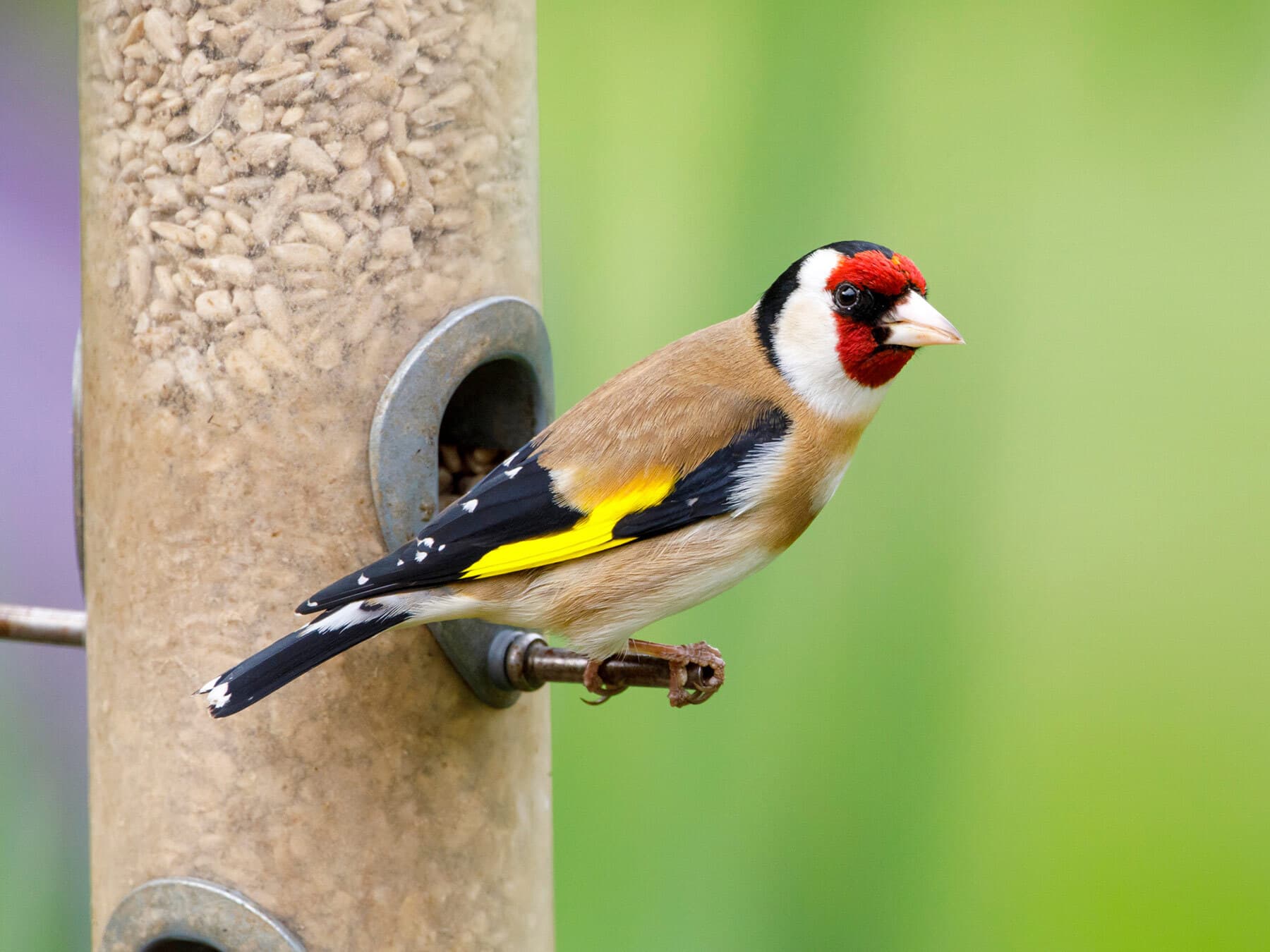
Most birds locate new food sources primarily through vision. With eyesight that puts ours to shame, they can spot the distinctive shape or color of a feeder from surprising distances—sometimes from hundreds of feet away while in flight. Birds that naturally feed on fruits and berries seem particularly drawn to the reds and yellows commonly used in feeder designs.
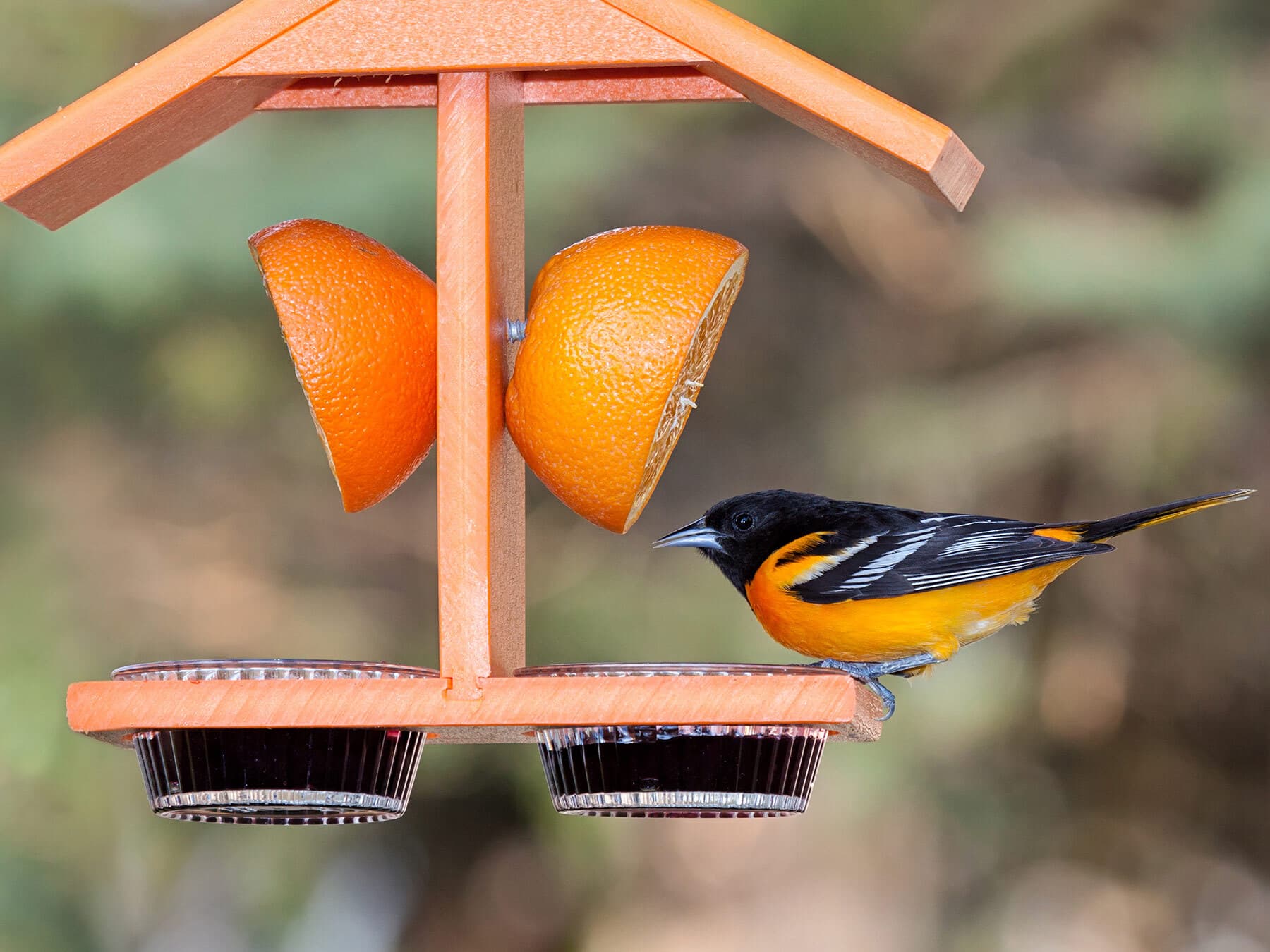
Watch how a hummingbird will zip straight to a red feeder even when it's just been hung or how orioles somehow find orange feeders within hours of placement.
The Bird Network
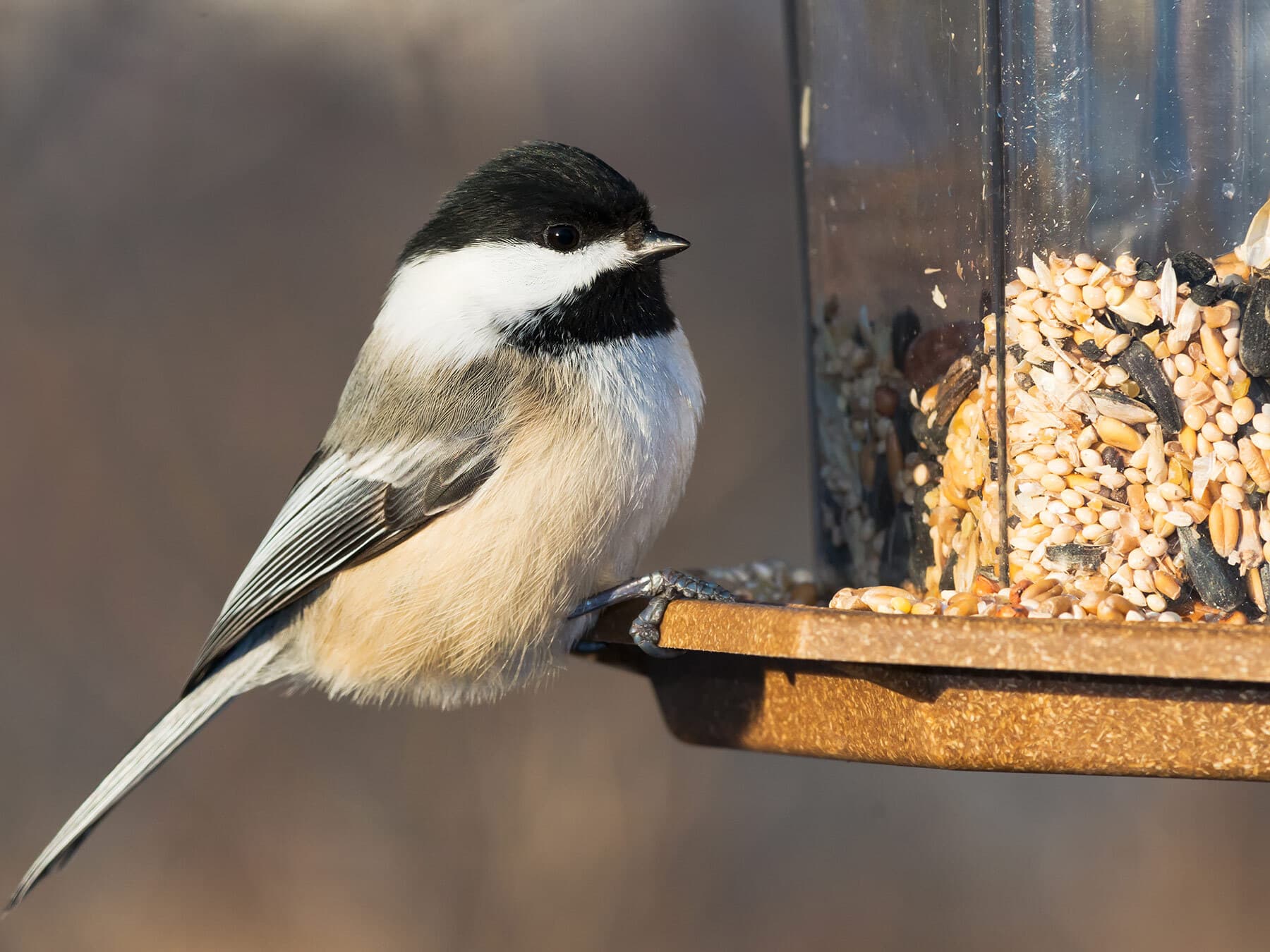
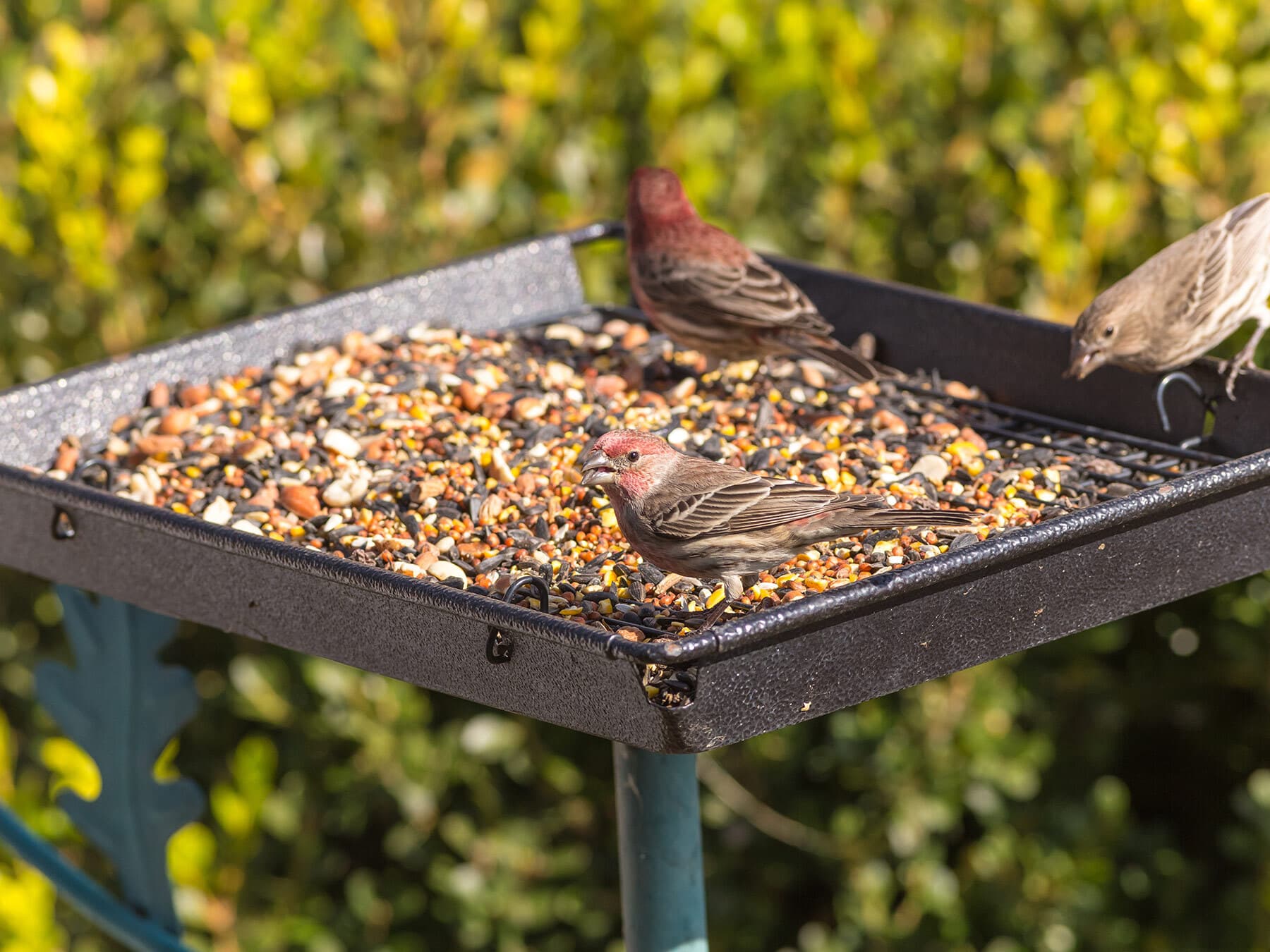
But vision is just the beginning. Once a bird discovers your feeder, the real network begins. Birds are constantly watching each other, especially during food shortages. A chickadee or titmouse finding your feeder quickly attracts others—not just of their species but different ones, too.
This phenomenon, called local enhancement, explains why feeders often go from zero visitors to a bustling hub within days. You might notice this most dramatically when a flock of evening grosbeaks or pine siskins suddenly descends on your previously quiet feeder.
Got a photo of a bird you can't identify?
Upload a photo and find out what it is in seconds — no account needed
Identify a Bird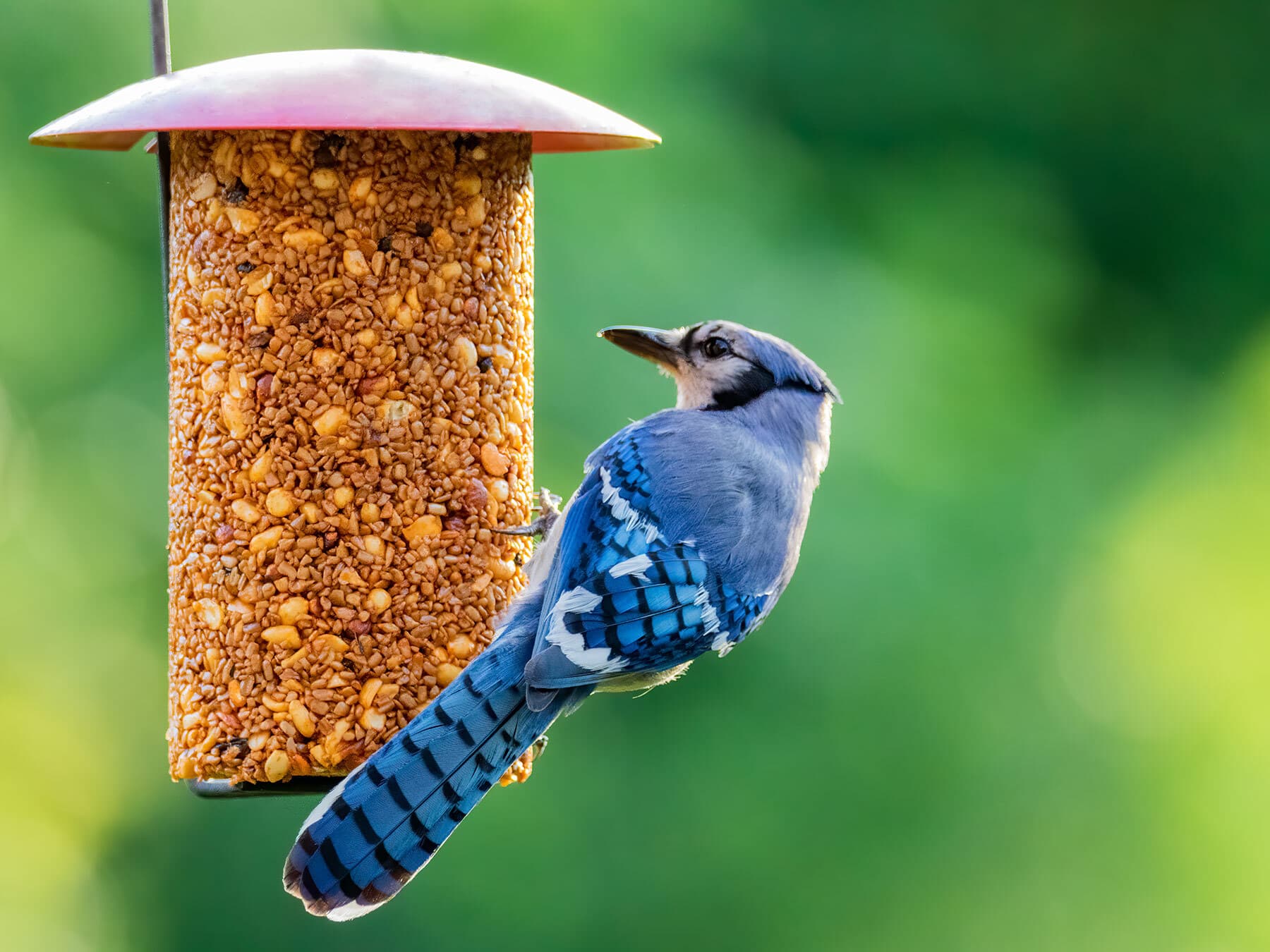
Memory Maps
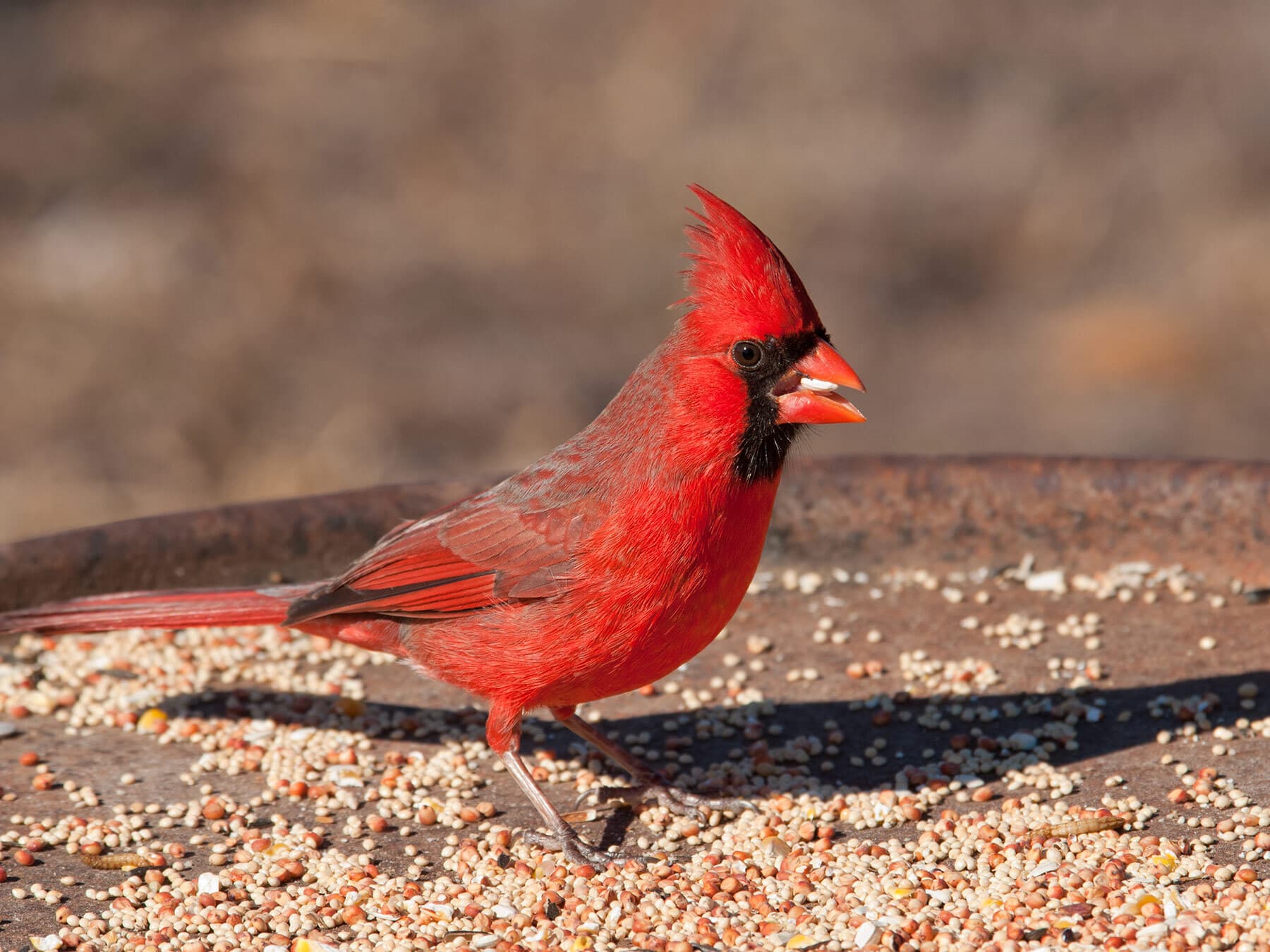
Memory plays a crucial role, too. Birds create detailed mental maps of their territories, remembering reliable food sources with impressive precision. That cardinal pair visiting your feeder does so along a regular route, hitting the same spots at roughly the same times each day.
During migration seasons, some species even remember feeding locations from previous years, making a beeline to your yard after being gone for months.
Weather Effects
The weather significantly impacts how quickly birds find new feeders. During harsh winter conditions or just before storms, birds intensify their search patterns, exploring wider areas for potential food. That's why new feeders often get discovered more quickly in November than in May when natural food is abundant.
After a snowfall, you'll notice increased activity as birds rely more heavily on dependable food sources.
The Power of Smell
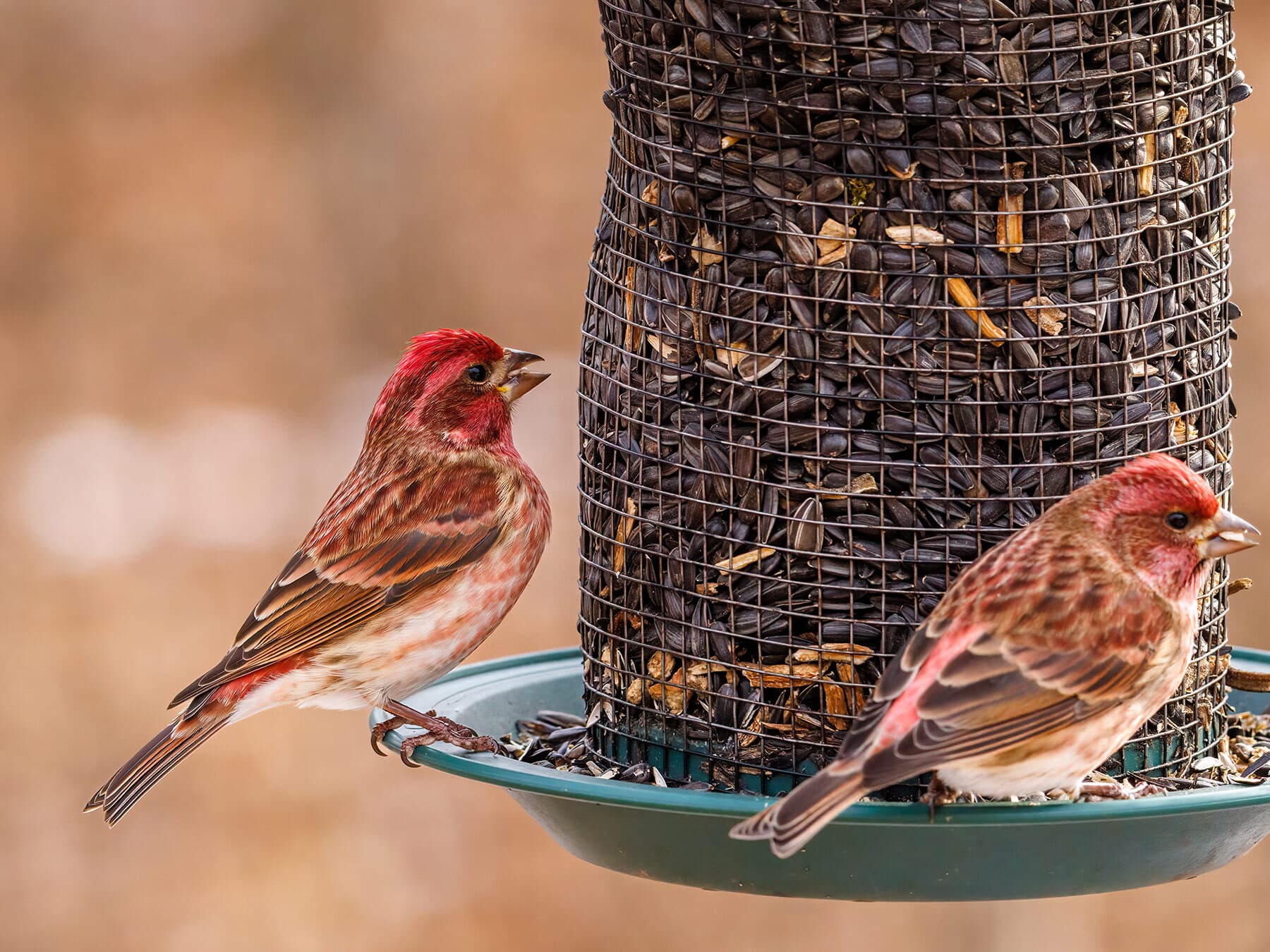
Some birds rely more on their sense of smell than we previously understood. Recent research suggests that certain species, particularly some songbirds, can detect the scent of seed oils from surprising distances.
This might explain why black oil sunflower seeds tend to attract visitors faster than other seed types—they have a stronger aroma that carries further.
Community Knowledge
Social learning transforms individual discoveries into community knowledge. One chickadee finding your feeder quickly becomes a dozen birds of various species.
Young birds learn feeding locations from parents and flock members, creating generational knowledge of reliable food sources in your neighborhood.
That's why established feeding stations that have been maintained for years typically draw larger numbers and more diverse species than brand-new setups.
Tips for New Feeders
If you've just set up a new feeder and it's not getting visitors, be patient. Depending on your location, season, and local bird populations, it might take anywhere from hours to weeks for the first birds to find it.
Placing the feeder near natural cover like shrubs or trees, using bright colors for hummingbird feeders, and starting with especially attractive foods like black oil sunflower seeds or suet can significantly speed up the discovery process.
Check out our guide on where to place your bird feeders.
Identify Any Bird Instantly
- Upload a photo from your phone or camera
- Get an instant AI identification
- Ask follow-up questions about the bird
Monthly Birds in Your Area
- Personalised for your location
- Seasonal tips and garden advice
- Updated every month with new species